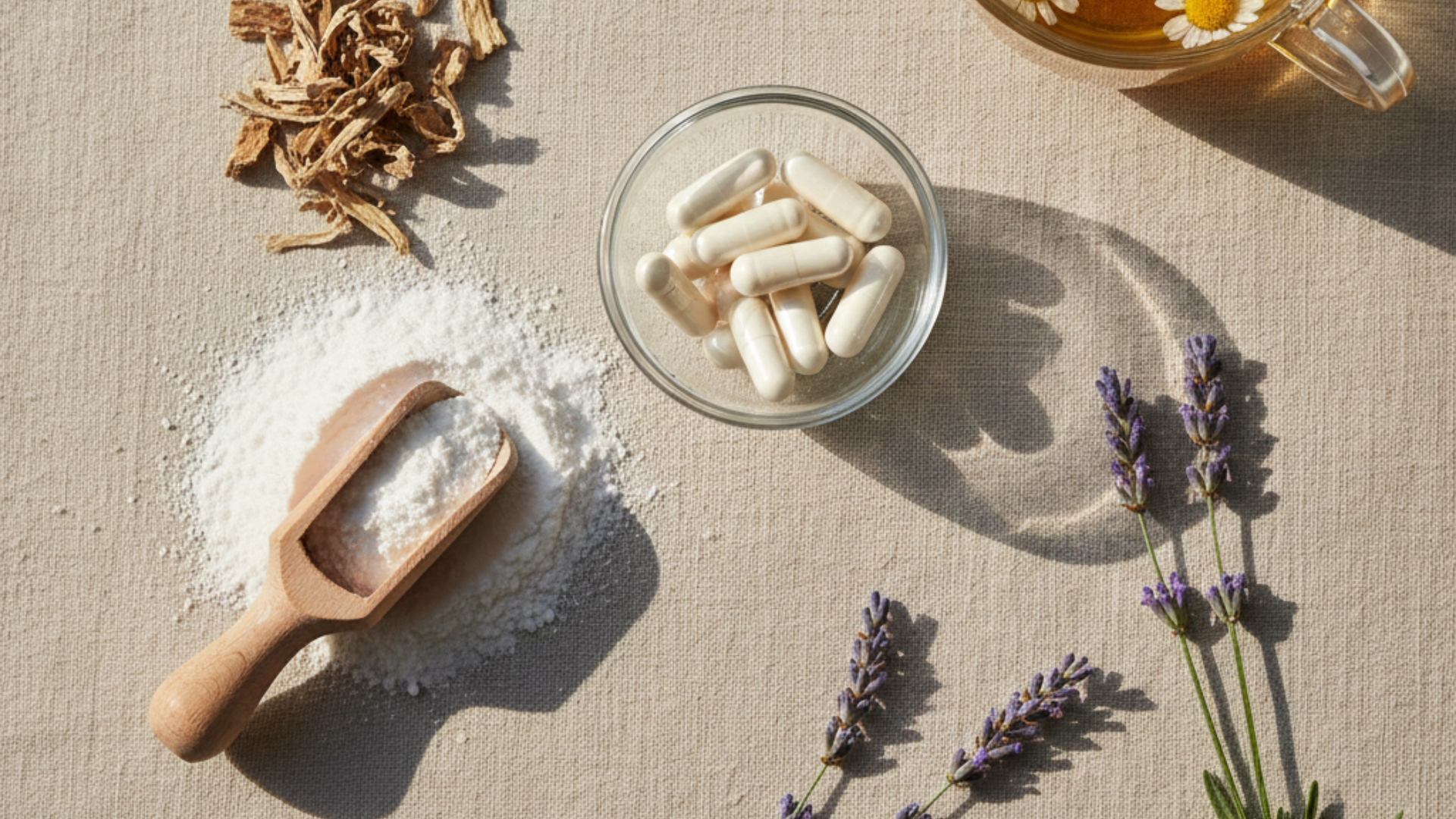


Getting a good night’s sleep is one of the most important things you can do for your health. Sleep affects your mood, energy levels, memory, immune system, and even your heart health. Yet many people struggle to fall asleep or stay asleep. Stress, busy schedules, screen time, and unhealthy habits can all interfere with restful sleep.
If you are looking for a safer and gentler solution, natural sleep aids may be the answer. In this article, we will explore the best natural sleep aids, how they work, and how you can use them to enjoy deep, restful nights.
Want to learn more? Read more and dive deeper into our sleep-related articles and blogs here at Knowledge Hub, where you’ll find expert tips, practical advice, and science-backed strategies to improve your sleep naturally..
Why Sleep Is So Important
Before discussing natural sleep aids, it’s important to understand why sleep matters so much.
During sleep, your body and brain go through important processes:
- Your brain organizes and stores memories.
- Your muscles repair and grow.
- Your immune system strengthens.
- Hormones that control hunger, stress, and growth are regulated.
When you don’t get enough sleep, you may feel tired, irritable, or unfocused. Long-term sleep problems can increase the risk of serious health issues such as heart disease, diabetes, depression, and obesity.
That’s why improving your sleep naturally can have a powerful impact on your overall well-being.
What Is a Natural Sleep Aid?
A natural sleep aid is any substance or practice that helps improve sleep without using prescription medications. Unlike sleeping pills, natural options are generally less addictive and have fewer side effects when used properly.
Natural sleep aids can include:
- Herbs
- Vitamins and minerals
- Teas
- Lifestyle changes
- Relaxation techniques
Let’s look at some of the best and most effective options.
What Is a Natural Sleep Aid
A natural sleep aid is any substance, nutrient, herb, or healthy habit that helps improve sleep without relying on prescription medications. Unlike strong sleeping pills, natural options are usually gentler on the body, less addictive, and often come with fewer side effects when used correctly.
Natural sleep aids can include:
- Herbs (like valerian root or chamomile)
- Vitamins and minerals (such as magnesium)
- Hormones (like melatonin)
- Teas and plant extracts
- Lifestyle changes (improving bedtime routines)
- Relaxation techniques (meditation, breathing exercises, aromatherapy)
These options work by supporting your body’s natural sleep processes instead of forcing sleep chemically. Let’s explore some of the most effective and commonly used natural sleep aids in more detail.
1. Melatonin: The Sleep Hormone
Melatonin is one of the most widely used natural sleep aids. It is a hormone that your body naturally produces in response to darkness. Its main role is to regulate your sleep-wake cycle, also known as your circadian rhythm.
How It Works
As evening approaches and light levels decrease, your brain releases melatonin. This signals to your body that it’s time to prepare for sleep. However, exposure to artificial light, especially blue light from phones, computers, and televisions, can reduce melatonin production and delay sleep.
Taking a melatonin supplement can help restore your natural rhythm, especially if your schedule has been disrupted.
Benefits
- Helps you fall asleep faster
- Useful for jet lag and travel across time zones
- Helpful for shift workers
- May improve sleep cycle consistency
How to Use
Most people take between 0.5 mg and 5 mg, about 30–60 minutes before bedtime. Starting with a lower dose is recommended to see how your body responds.
2. Magnesium: The Relaxation Mineral
Magnesium is an essential mineral involved in over 300 chemical reactions in the body. It plays a key role in muscle relaxation, nerve function, and stress regulation.
Why It Helps with Sleep
Magnesium supports the production of calming neurotransmitters, including GABA (gamma-aminobutyric acid). GABA reduces nerve activity in the brain, helping you feel calm and ready for sleep. Magnesium also helps regulate melatonin levels.
People who are low in magnesium may experience restlessness, muscle tension, or difficulty relaxing at night.
Benefits
- Reduces stress and anxiety
- Relaxes muscles and prevents nighttime cramps
- Improves overall sleep quality
- Supports deeper, more restful sleep
Common forms used for sleep include magnesium glycinate (gentle and calming) and magnesium citrate.
3. Valerian Root: A Traditional Herbal Remedy
Valerian root has been used for hundreds of years as a natural remedy for insomnia, anxiety, and nervous tension.
How It Works
Valerian is believed to increase levels of GABA, the calming brain chemical that helps quiet the nervous system. By boosting GABA activity, valerian can help reduce the time it takes to fall asleep and improve sleep depth.
Benefits
- Helps you fall asleep more quickly
- May improve sleep quality
- Reduces mild anxiety and nervousness
Some people feel the effects immediately, while others may need to take it consistently for several weeks to notice improvement.
4. Chamomile Tea: A Gentle and Soothing Option
Chamomile tea is one of the safest and easiest natural sleep aids to try. It has been used for centuries to calm nerves and promote relaxation.
Why It Works
Chamomile contains an antioxidant called apigenin, which binds to specific receptors in the brain that encourage sleepiness and reduce anxiety.
Benefits
- Calms mild stress
- Encourages relaxation before bed
- Easy to add to a nightly routine
- No strong side effects for most people
Drinking a warm cup about 30 minutes before bedtime helps signal to your brain that it’s time to wind down.
5. Lavender: Aromatherapy for Better Sleep
Lavender is widely known for its calming scent and relaxing properties. It is often used in aromatherapy to reduce stress and improve sleep quality.
How It Works
The scent of lavender affects the limbic system, the part of the brain that controls emotions and relaxation. Research shows lavender may help lower heart rate, reduce blood pressure, and calm the nervous system.
How to Use
- Add lavender essential oil to a diffuser
- Use a lavender pillow spray
- Take a warm bath with lavender oil
- Apply diluted lavender oil to pulse points
Many people find that simply smelling lavender before bed helps them feel calmer and more prepared for sleep.
Ready to Find Your Perfect Sleep Solution?
Take our quick Sleep Support Quiz to get a personalized supplement recommendation tailored to your specific needs. In just a few minutes, you’ll discover the best natural solution to help you enjoy deeper, more restful sleep.
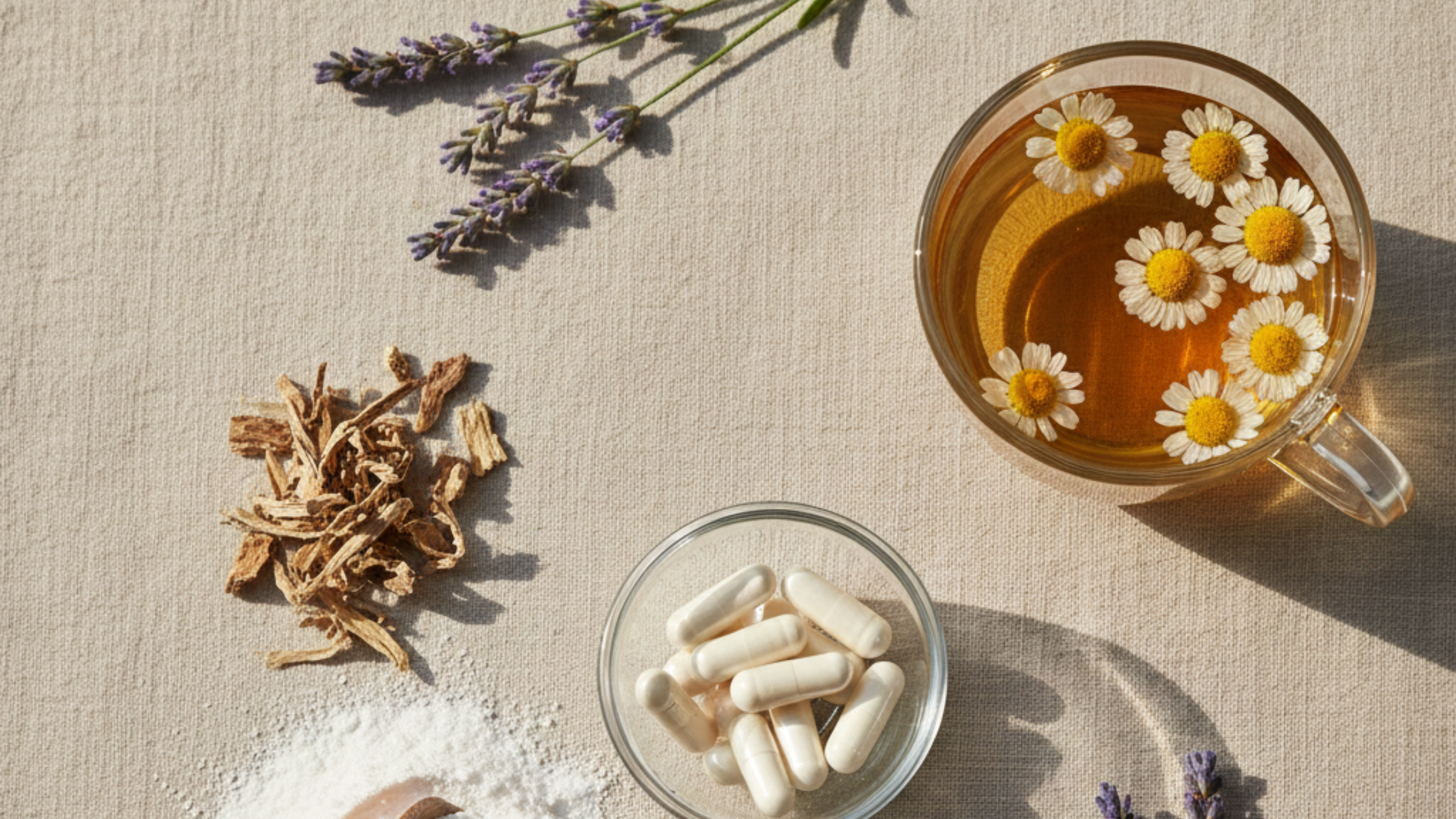
Lifestyle Changes That Improve Sleep Naturally
Natural supplements can be helpful, but they work best when combined with healthy daily habits. In fact, improving your sleep routine, also called sleep hygiene, is often the most powerful and long-lasting way to fix sleep problems. Small, consistent changes can train your body and brain to fall asleep more easily and stay asleep longer.
Here’s a deeper look at the most effective lifestyle changes for better sleep:
1. Stick to a Consistent Sleep Schedule
Your body runs on an internal clock known as your circadian rhythm. This clock controls when you feel awake and when you feel sleepy. Going to bed and waking up at different times every day confuses this system.
When you go to sleep and wake up at the same time daily, even on weekends your body learns when it should naturally feel tired. Over time, you may start feeling sleepy automatically at your regular bedtime.
Why it works:
- Regulates your internal clock
- Improves sleep quality
- Makes falling asleep easier
Tip: If you need to adjust your schedule, change it gradually by 15–30 minutes each night.
2. Reduce Screen Time Before Bed
Phones, tablets, computers, and TVs give off blue light, which can interfere with melatonin production. Melatonin is the hormone that tells your brain it’s time to sleep. When you use screens late at night, your brain may think it’s still daytime.
Scrolling social media, watching intense shows, or playing games can also stimulate your mind, making it harder to relax.
What to do instead:
- Turn off screens at least one hour before bed
- Use warm lighting in the evening
- Read a physical book
- Listen to calming music or a podcast
This allows your brain to shift into sleep mode naturally.
3. Create a Sleep-Friendly Environment
Your bedroom environment plays a major role in how well you sleep. Your brain connects your surroundings with certain behaviors. If your room feels calm and comfortable, your body will associate it with rest.
Keep your room cool:
A slightly cool temperature (around 60–67°F or 16–19°C) helps your body lower its core temperature, which is necessary for sleep.
Make it dark:
Light signals your brain to stay alert. Use blackout curtains or an eye mask if needed.
Limit noise:
Unexpected sounds can interrupt deep sleep. Consider earplugs or white noise if your environment is loud.
A clean, quiet, and comfortable bedroom helps your body relax faster and stay asleep longer.
4. Avoid Caffeine Late in the Day
Caffeine is a stimulant found in coffee, tea, soda, energy drinks, and chocolate. It works by blocking adenosine, a chemical that makes you feel sleepy.
The effects of caffeine can last up to 6–8 hours, sometimes even longer depending on your sensitivity. Drinking coffee in the afternoon may still affect your ability to fall asleep at night.
Helpful guideline:
Try to avoid caffeine after 2:00 p.m. if you plan to sleep around 10:00–11:00 p.m.
If you are sensitive to caffeine, consider switching to herbal tea in the afternoon or evening.
5. Practice Relaxation Techniques
Stress and anxiety are major causes of poor sleep. Even if your body is tired, a racing mind can keep you awake. Relaxation techniques calm your nervous system and prepare your body for rest.
Effective techniques include:
- Deep breathing: Slow, controlled breathing lowers heart rate and reduces stress.
- Meditation: Helps quiet racing thoughts.
- Gentle stretching or yoga: Releases muscle tension.
- Progressive muscle relaxation: Tighten and release each muscle group slowly.
Doing these activities for just 10–15 minutes before bed can significantly improve sleep quality.
Are Natural Sleep Aids Safe?
Natural does not always mean completely risk-free. Some herbs and supplements may interact with medications or cause side effects. It’s always a good idea to:
- Talk to a healthcare provider before starting supplements
- Follow recommended dosages
- Choose high-quality products
If you have chronic insomnia or severe sleep problems, consult a doctor.
Choosing the Best Natural Sleep Aid for You
The best natural sleep aid depends on your specific needs:
- Trouble falling asleep? Try melatonin or valerian root.
- Stress keeping you awake? Magnesium or chamomile may help.
- Want a gentle, non-supplement option? Try lavender or a bedtime routine.
You may need to try different options to find what works best for your body.
Final Thoughts
Getting deep, restful sleep is essential for physical and mental health. Natural sleep aids such as melatonin, magnesium, valerian root, chamomile, and lavender can support better sleep without the strong side effects of prescription medications. When combined with healthy lifestyle habits, these natural solutions can help you wake up feeling refreshed and energized.
Improving your sleep is not just about resting more, it’s about living better.
Ready to Sleep Better?
Take our Sleep Support Quiz to get a personalized supplement recommendation designed specifically for your sleep needs. Whether you struggle with falling asleep, staying asleep, or stress-related insomnia, our quick quiz will guide you toward the best natural solution for deeper, more restful nights.
Start the quiz now and discover your ideal sleep support plan today!
Frequently Asked Questions
1. Are natural sleep aids safe to use every night?
Most natural sleep aids are generally safe for short-term use when taken as directed. However, safety depends on the specific supplement and your individual health condition. For example, melatonin is often used daily for short periods, while herbs like valerian may be better suited for occasional use. If you are pregnant, nursing, taking medications, or have a medical condition, it’s important to speak with a healthcare professional before starting any supplement.
2. How long do natural sleep aids take to work?
It depends on the type of sleep aid. Melatonin can work within 30 to 60 minutes. Chamomile tea and lavender may help you relax the same evening. Supplements like magnesium or valerian root may take several days or even a few weeks of consistent use to show noticeable improvements. Results vary from person to person.
3. Can I combine natural sleep aids together?
Some natural sleep aids can be safely combined, such as magnesium with chamomile tea or lavender aromatherapy. However, combining multiple supplements (for example, melatonin and valerian root) should be done carefully to avoid unwanted side effects like excessive drowsiness. It’s best to start with one supplement at a time and consult a healthcare provider if you plan to combine products.