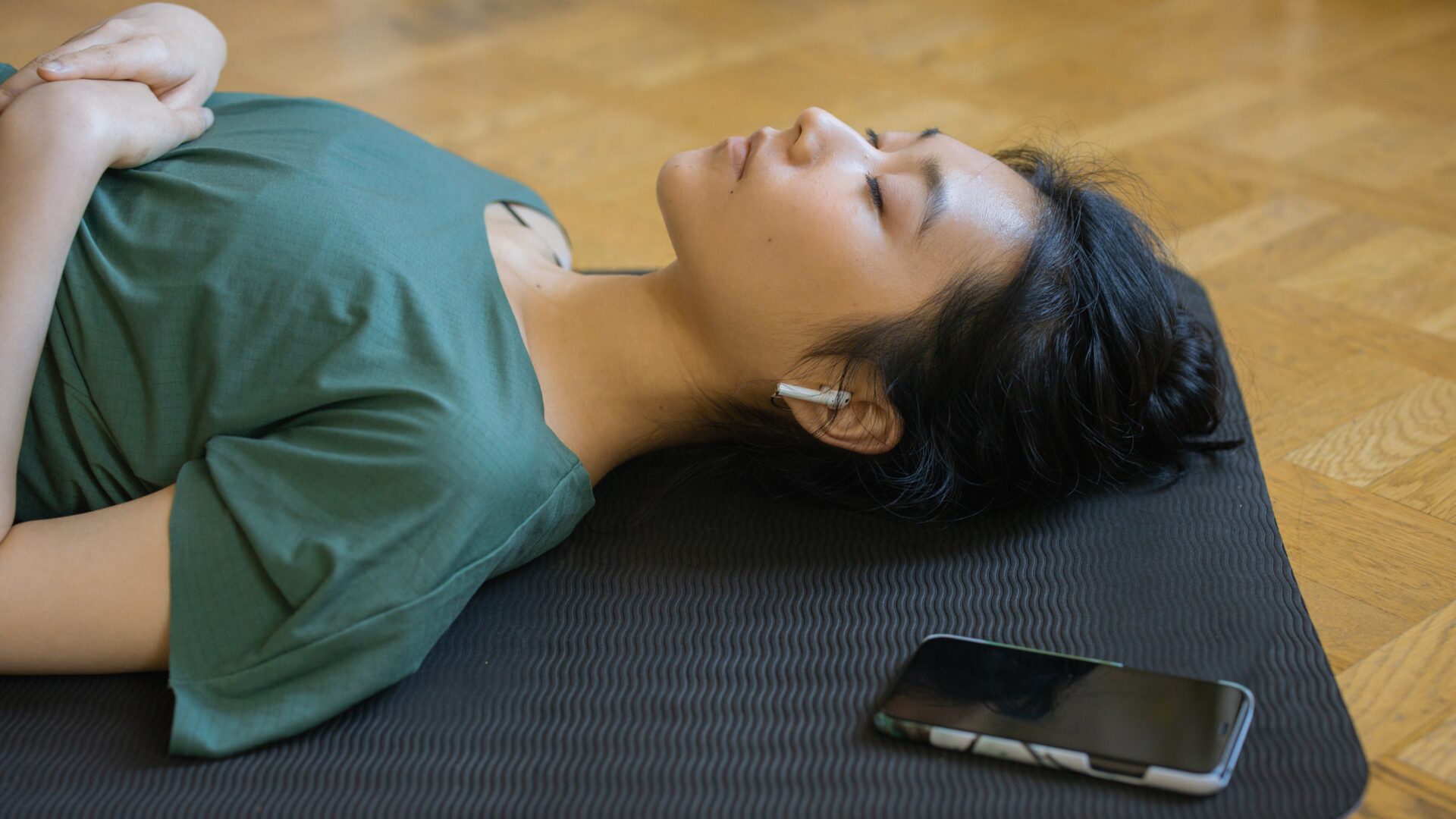

Body Scan Meditation for Sleep: Relax Your Body and Mind
In an era defined by relentless stimulation and chronic busyness, the simple act of achieving restful sleep has become increasingly elusive. For many, insomnia manifests as difficulty falling asleep, fragmented rest, or persistent mental agitation upon lying in bed. Amid this widespread struggle, body scan meditation for sleep emerges as a clinically supported, accessible practice that promotes physiological calm, mental clarity, and holistic well-being.
This form of mindful meditation offers a profound opportunity to reestablish harmony between body and mind, guiding you inward through a sequence of intentional awareness that prepares the nervous system for deep, restorative sleep.
This article provides an in-depth exploration of the body scan method, its impact on sleep quality, and a structured guide to help you implement it with precision and purpose.
What is Body Scan Meditation?
Body scan meditation is a contemplative practice rooted in mindfulness and somatic awareness. It involves sequentially directing your attention across various regions of the body—beginning at the feet and moving toward the top of your head—in order to identify, observe, and release physical tension or energetic stagnation.
Rather than forcibly inducing sleep, the goal is to cultivate such profound relaxation that sleep becomes an effortless transition. By tuning in to subtle bodily sensations without judgment or reactivity, you disengage from rumination and reorient yourself to the present moment—a foundational principle in mindful meditations.
This process not only fosters serenity but also builds interoceptive intelligence—the ability to perceive internal bodily cues with clarity and nuance.
How Body Scan Meditation Supports Better Sleep
Engaging in body scan meditation for sleep delivers tangible benefits supported by both empirical research and centuries of contemplative tradition:
- Downregulation of the Nervous System: This practice activates the parasympathetic nervous system, reducing cortisol levels and decreasing sympathetic overdrive—the biological root of restlessness and insomnia.
- Cognitive Quietude: By redirecting attention from incessant thoughts to somatic sensation, the mind is offered a reprieve, decreasing neural hyperarousal.
- Physical and Emotional Release: Tension stored in unconscious areas of the body is gently brought into awareness and softened, enhancing musculoskeletal comfort and emotional regulation.
- Bedtime Conditioning: When practiced consistently, this meditation acts as a somatic cue, signaling to the body and brain that it is time to transition into rest—a crucial ritual for those seeking to drift off to sleep with greater ease.
A Step-by-Step Guided Body Scan Meditation for Sleep
You can do this body scan meditation right in bed. The lights are off. The room is quiet. You’re safe and ready to let go. This is your time.
1. Get Comfortable
Lie flat on your back in a relaxed position. Your arms can rest by your sides, palms up or down—whichever feels most natural.
Adjust your pillow and blankets. Let your head feel supported. Let your legs fall naturally apart. Feel the mattress cradle your body.
Gently close your eyes.
Take three slow, deep breaths:
- Inhale through your nose, expanding your chest and belly.
- Exhale through your mouth, releasing tension with each breath.
With every breath, feel yourself sinking deeper into stillness. You’ve arrived. There’s nowhere else you need to be.
2. Tune Into Your Breath
Turn your attention to your breathing.
Notice the natural flow of air—cool as you inhale, warm as you exhale. Let your breath be your anchor, keeping you present.
There’s no need to change anything. If your thoughts wander, gently bring your focus back to the rhythm of your breath.
With each exhale, invite your body to soften a little more.
3. Start at the Feet
Now begin your body scan meditation by bringing awareness to your feet.
Notice the weight of your heels, the pressure points, the space between your toes. Is there warmth? Tingling? Stillness?
Visualize each exhale washing over your feet like ocean waves, carrying tension away.
Let your feet feel heavy, grounded, and completely at rest.
4. Move Slowly Up Through the Body
Begin to move your attention upward through the body, slowly and mindfully:
- Ankles: Notice any tightness. Let them soften.
- Calves: Sense the muscles. Invite a gentle release.
- Knees: Offer these joints gratitude. Let them feel light.
- Thighs: Notice their weight against the bed. Allow them to settle.
- Hips: A place where emotional tension often hides—breathe into this space and let go.
- Lower back: Feel supported by the mattress. Let go of effort.
- Abdomen: Feel your belly rise and fall with your breath. Soften and release.
- Chest: Notice your heartbeat. Let your chest feel open and light.
- Shoulders: Drop them away from your ears. Let tension melt down your arms.
- Arms, Hands, and Fingers: Feel sensations—warmth, tingling, stillness. Let them rest completely.
- Neck and Jaw: Unclench. Let your tongue rest gently. Release your throat.
- Eyes and Forehead: Soften your gaze. Smooth your brow. Let your face feel calm.
- Top of your head: Feel a sense of openness here—as if light or cool air is gently brushing this space.
As you move through each body part, visualize a soft, glowing light sweeping over the area—melting away tension and leaving a feeling of peace and stillness behind.
There’s no rush. Let your awareness linger wherever it feels needed.
5. Let Go and Drift Off to Sleep
Now that you’ve scanned your entire body, allow yourself to fully surrender.
Feel your whole body—heavy, warm, safe. With each breath, you sink deeper into relaxation.
Imagine yourself gently floating on calm water, or lying beneath a starlit sky. You are completely supported. Completely at ease.
If you’re still awake, stay with your breath. If you begin to drift off to sleep, let it happen naturally. You’ve done the work—now let your body take care of the rest.
Tips for Getting the Most from Body Scan Meditation
- Practice consistently. Even 10–15 minutes each night can train your body and mind to wind down more easily.
- Use a guided meditation. Listening to a calming voice can help keep your mind from wandering.
- Pair with other bedtime rituals. A warm bath, soothing tea, or dim lighting can enhance the calming effect.
- Be patient. If it doesn’t work immediately, don’t give up. Over time, your nervous system will start to associate this routine with sleep.
Final Thoughts
Sleep is more than rest—it’s the foundation of your well-being. If you’ve been struggling with restless nights, Body Scan Meditation for Sleep might be the gentle, natural solution you’ve been looking for.
Tonight, try turning off your screens a little earlier, dimming the lights, and giving yourself permission to fully relax. As you slowly guide your awareness through your body, you might find that sleep comes more easily than you thought.
Have you tried Body Scan Meditation for Sleep before? Drop a comment to share your experience—or let us know if you’d like a free audio version to guide you through it.
Looking for additional support?
Take our personalized supplement quiz to discover the best natural solution tailored to your unique needs.
Frequently Asked Questions
How long should a body scan meditation for sleep last?
Most sessions last 10–30 minutes, but even a short 5-minute body scan can help you relax before bed. The key is consistency practicing nightly trains your body and mind to associate the routine with rest.
What if I don’t fall asleep during the meditation?
That’s perfectly fine. The goal isn’t to force sleep, but to deeply relax your body and calm your mind. Even if you stay awake, the practice reduces stress and prepares your body for a smoother transition into sleep.
Can body scan meditation help with insomnia or anxiety at night?
Yes. Research shows body scan meditation activates the parasympathetic nervous system, lowers stress hormones, and eases racing thoughts. This makes it especially effective for people struggling with insomnia, nighttime anxiety, or restless sleep.