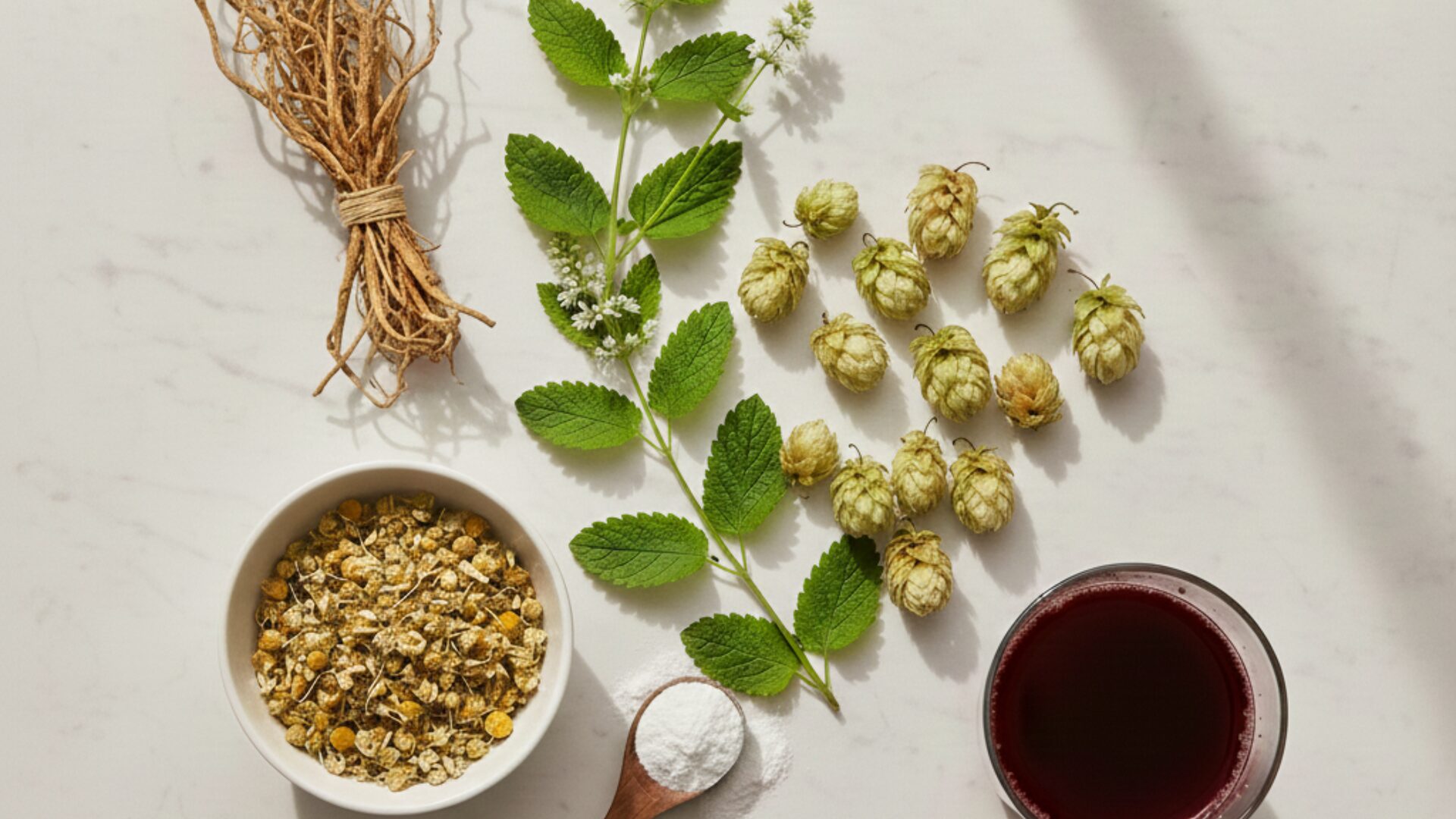

Exploring Herbal Remedies for Deep Sleep
Getting deep sleep is essential for your physical recovery, mental clarity, and emotional balance. It plays a key role in processes like memory consolidation, mood regulation, and muscle repair. However, many people struggle with falling asleep or staying asleep through the night. The effects including fatigue, poor concentration, and irritability can add up quickly. Fortunately, many are turning to natural sleep aids, especially herbal remedies to improve their sleep quality without the side effects of pharmaceutical drugs.
In recent years, more people have been exploring herbs and natural dietary supplements to improve their sleep quality especially the deep sleep phase that helps with recovery, memory, and mood. Many are looking for alternatives to melatonin supplements or prescription sleep medications, which may cause next-day grogginess or lead to dependency over time.
Instead, natural sleep aids like herbal remedies work with your body’s chemistry, often by supporting neurotransmitters such as GABA and serotonin. These compounds play a key role in regulating your sleep-wake cycle.
Let’s explore some of the most popular and effective herbal options, backed by traditional medicine and scientific research.
Valerian Root: A Natural Sedative
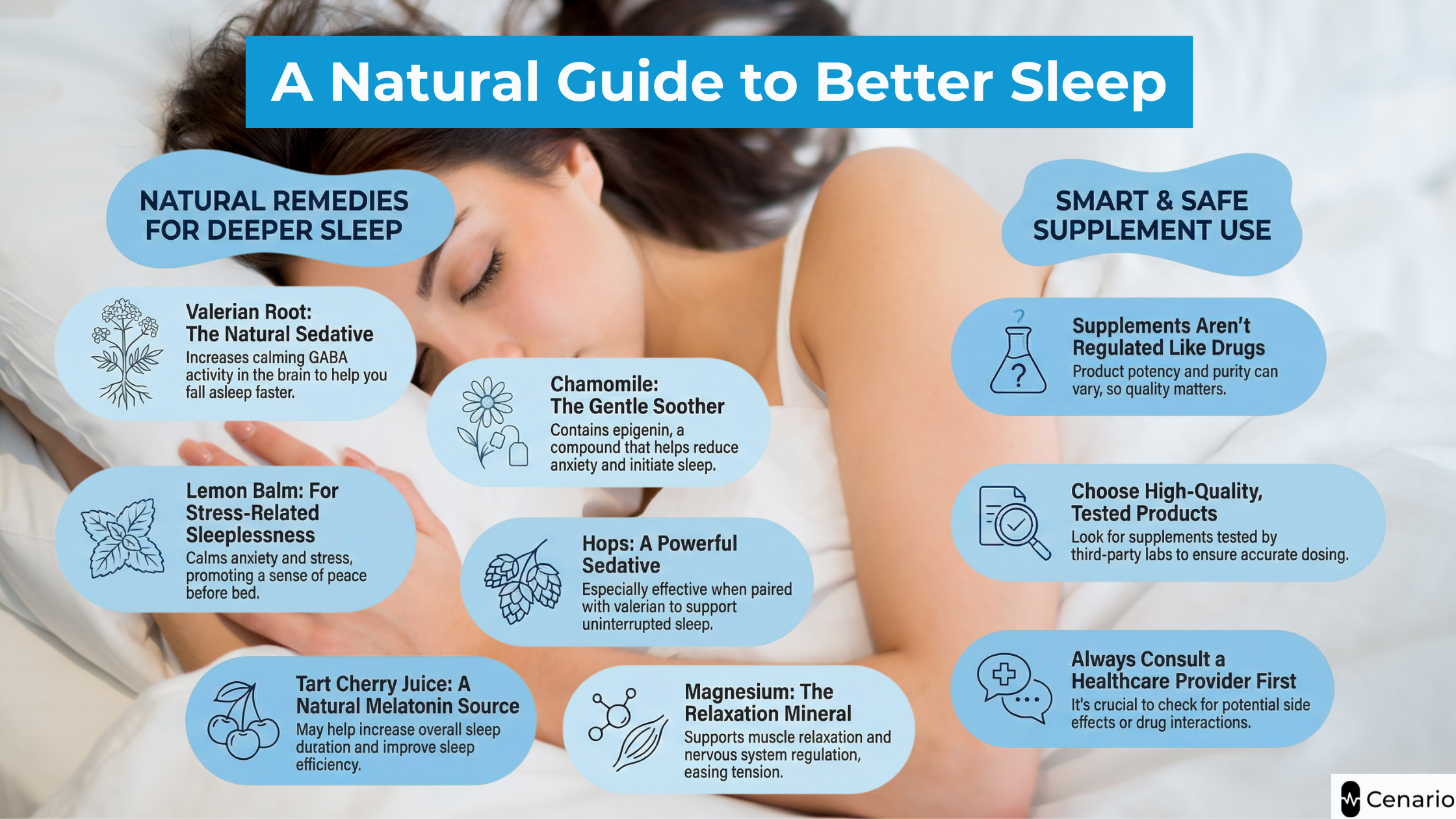
Valerian root has been used for centuries as a natural sleep remedy. Today, it remains one of the most well-researched herbs for sleep. Modern evidence suggests that valerian helps you fall asleep faster by increasing GABA activity, which promotes calmness and relaxation in the brain.
How to Use Valerian Root:
- Available as capsules, tea, or tinctures
- Best taken 30–60 minutes before bedtime
- Recommended dose: 300–600 mg
- Start with a lower dose to assess your body’s reaction
- Side effects include: morning grogginess, dizziness, or mild headaches
Tip: Combine valerian with calming herbs like hops or lemon balm for enhanced effects.
Hops: Works Best in Combination
You might recognize hops (Humulus lupulus) from beer, but they’re also a powerful natural sedative. Hops are especially effective when paired with valerian, creating a synergistic blend that supports deep, uninterrupted sleep.
Hops influence not just GABA, but also serotonin and melatonin production, helping to regulate your natural sleep-wake rhythm.
How to Use Hops:
- Commonly taken as tea or a dietary supplement
- Follow the dosage on the product label
- Can be combined with valerian for improved sleep onset and duration
Chamomile: Gentle and Soothing
Chamomile is one of the most popular and well-known herbs for promoting relaxation. It contains apigenin, a compound that binds to GABA receptors in the brain, helping to reduce anxiety and support falling asleep more easily.
How to Use Chamomile:
- Most commonly consumed as a tea
- Best taken an hour before bedtime
- Safe for most people, though side effects include allergic reactions in those sensitive to plants in the daisy family
Lemon Balm: For Stress-Induced Sleeplessness
Lemon balm (Melissa officinalis) is a calming herb that can help reduce anxiety and mild insomnia, especially when related to stress. It also supports GABA activity, which can promote a sense of peace before bed.
What the Research Says:
- Though less studied than valerian or chamomile, evidence suggests that lemon balm can be effective
- It’s often used in combination supplements with valerian for added benefit
Other Herbal and Natural Sleep Aids Worth Exploring
In addition to popular herbs like valerian root, hops, chamomile, and lemon balm, there are several other natural sleep aids and dietary supplements that may help improve your sleep quality, especially if you’re struggling with stress, anxiety, or trouble falling asleep.
Here are five more options to consider:
1. Kava
Kava is a traditional herb from the South Pacific, well-known for its anti-anxiety properties.
- It may help reduce stress and promote calmness, which can support better sleep—especially when stress or worry is the root cause of your sleep issues.
- However, it must be used with extreme caution.
- Side effects include potential liver toxicity, which has raised concerns among health experts.
- Always consult a healthcare provider before trying kava, and avoid using it long term or in high doses.
2. L-Theanine
L-Theanine is an amino acid naturally found in green tea leaves.
- It helps promote a state of relaxed alertness—calming the mind without causing drowsiness.
- This makes it especially helpful for those who experience racing thoughts or anxiety before bed.
- L-theanine supports focus and relaxation, making it ideal if you’re trying to unwind in the evening.
3. Tryptophan
Tryptophan is another amino acid that plays a key role in producing serotonin and melatonin, two hormones that regulate mood and sleep.
- It’s found naturally in foods like turkey, dairy, eggs, and nuts, and is also available as a dietary supplement.
- Tryptophan helps support a healthy mood and promotes natural melatonin production, which can aid in falling asleep and staying asleep.
4. Tart Cherry Juice
Tart cherry juice is a natural and food-based sleep aid.
- It contains a small but natural amount of melatonin, the hormone responsible for regulating your sleep-wake cycle.
- Research shows it may help increase sleep duration and improve sleep efficiency, making it a great option for those looking for gentle, non-synthetic solutions.
- Drink a small glass in the evening for best results.
5. Magnesium
Magnesium is a vital mineral that supports over 300 bodily functions, including those related to muscle relaxation, nervous system regulation, and sleep.
- If your sleep problems are related to tension, restlessness, or leg cramps, magnesium supplementation may help.
- It also helps regulate body temperature, a key factor in reaching and maintaining deep sleep.
- Magnesium can be taken as a supplement, or you can increase your intake through foods like leafy greens, nuts, and seeds.
Melatonin Supplements: Use for Short-Term Support
Melatonin supplements are widely used to reset the sleep-wake cycle, especially for jet lag or night shift work. They can be effective in the short term, but long-term use may reduce your body’s own melatonin production.
Safety Note:
- Melatonin may cause side effects like vivid dreams or daytime drowsiness
- It may also interact with medications like blood thinners or antidepressants
- Always talk to your doctor before combining with other natural sleep aids
Safety and Quality Concerns with Herbal Remedies
While herbal supplements offer many benefits, it’s important to know that they’re not regulated like prescription medications. This means the potency and purity can vary between products.
Tips for Safe Use:
- Choose high-quality products tested by third-party labs
- Read labels carefully to ensure accurate dosing
- Be aware of potential side effects, especially if you’re taking other medications
- Always consult your healthcare provider to check for possible drug interactions
Final Thoughts: Achieving Restful, Deep Sleep Naturally
Herbal remedies like valerian root, hops, chamomile, and lemon balm offer promising benefits for those struggling with sleep. Whether you’re dealing with stress, anxiety, or a disrupted sleep schedule, these natural sleep aids can support your journey toward improving sleep quality, especially the deep sleep phase that your body needs most.
Before starting any new supplement, it’s best to speak with a healthcare provider, especially if you have existing health conditions or are on medications. With the right approach, you can build a nighttime routine that supports your natural sleep-wake cycle and helps you wake up feeling refreshed and restored.
Ready to Find the Right Herbal Solution for You?
Take the Cenario Quiz to get a personalized supplement recommendation based on your unique sleep needs and lifestyle. It’s quick, easy, and tailored just for you.
Frequently Asked Questions
What is the best herbal remedy for deep sleep?
There’s no single “best” herb, as effectiveness varies by individual. However, valerian root, hops, chamomile, and lemon balm are among the most researched and widely used for promoting deep, restful sleep. These herbs can be even more effective when used in combination, depending on your specific sleep challenges.
Are herbal sleep aids safe to use every night?
Generally, herbal remedies are considered safe for short-term or occasional use. However, long-term use should be monitored, especially if you’re combining herbs or using them alongside other medications. Always consult a healthcare provider to avoid potential side effects or drug interactions.
How long do herbal remedies take to work for sleep?
Most herbal sleep aids should be taken about 30 minutes to 1 hour before bedtime. While some people notice effects immediately, others may need a few days to a week of consistent use to experience the full benefits. It’s important to be patient and observe how your body responds.
Can I take herbal sleep supplements with melatonin?
Yes, but caution is advised. Some natural sleep aids combine herbs with melatonin supplements for a stronger effect. However, combining them yourself may lead to over-sedation or unwanted side effects. Talk to your doctor before using multiple sleep aids together.