
The search for natural sleep aids has grown rapidly in recent years as people look for gentler, science-backed alternatives to prescription sleep aids. Sleep disturbances whether difficulty falling asleep, frequent awakenings, or irregular sleep-wake cycles, have become increasingly common. Stress, long work hours, excessive screen time, and disrupted routines all contribute to widespread sleep troubles.
And while prescription medications can be effective, many people prefer natural options that work with the body’s physiology rather than forcing it into sedation. Natural remedies often support hormonal balance, calm the nervous system, and encourage healthy sleep habits, making them appealing for individuals looking for long-term improvement.
This blog explores the strongest natural sleep aids, how they work, what the evidence suggests, and how to use them safely. These insights are especially useful for an older adult, someone dealing with jet lag, or anyone trying to regain a healthy and regular sleep schedule.
Understanding Common Sleep Issues
Sleep problems affect hundreds of millions of people worldwide. They often arise from:
- High stress and cortisol imbalance
- Irregular schedules or shift work
- Poor nighttime routines
- Medical conditions
- Anxiety or overthinking
- Natural age-related decline in melatonin production
The consequences of chronic poor sleep reach far beyond simple tiredness. They can lead to:
- Cognitive slowdown and poor focus
- Weakened immunity
- Mood swings and irritability
- Increased risk for mental health issues
- Hormonal imbalances
- Long-term cardiometabolic health concerns
People don’t just want sleep, they want restorative sleep. They want to wake up energized, mentally sharp, and emotionally balanced. And that’s why natural remedies have become such a popular trend: they aim to improve sleep quality instead of merely knocking someone out.
Exploring Natural Sleep Aids
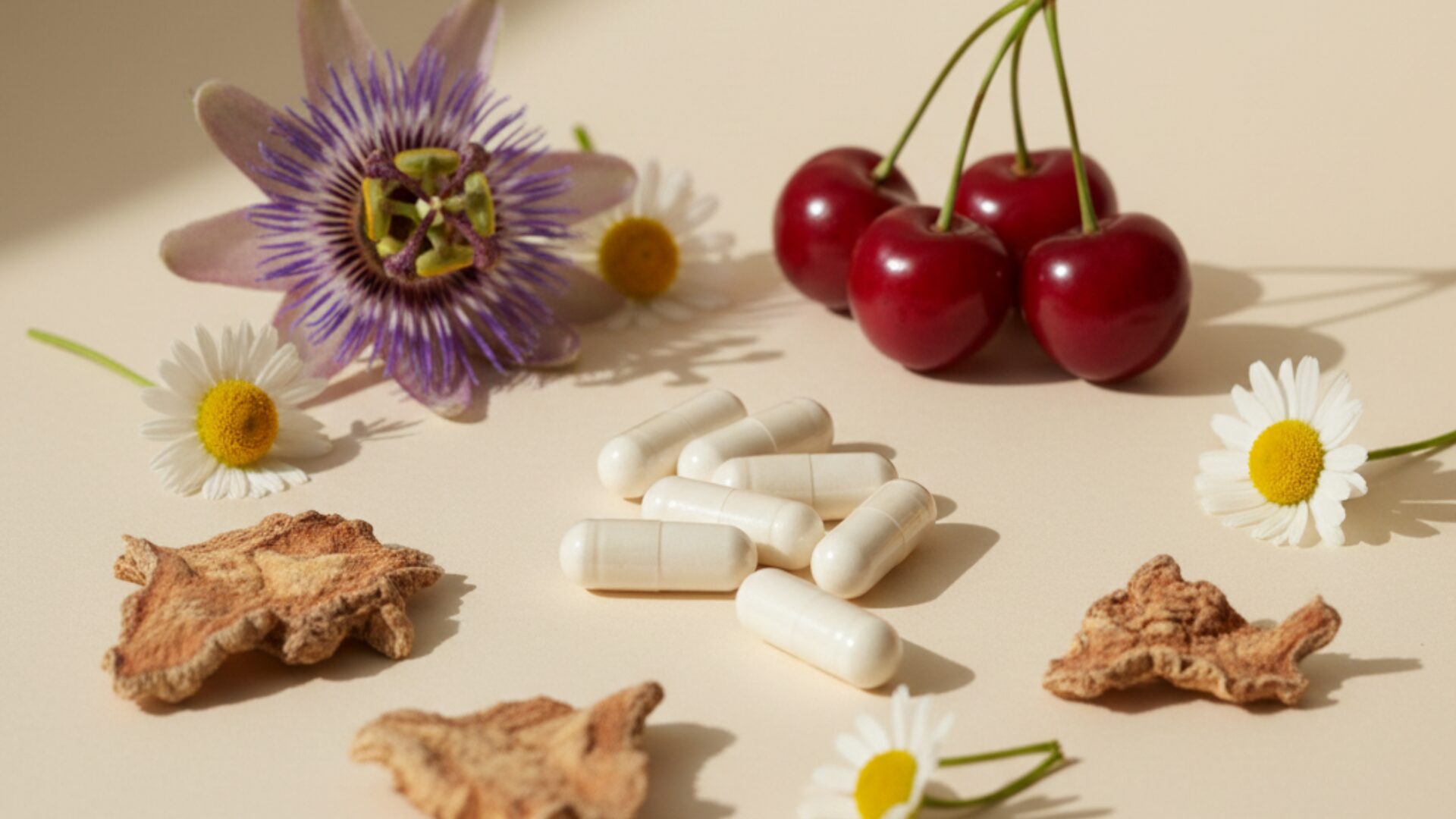
Nature offers several effective solutions for better sleep. Scientists continue to study a wide range of botanical, hormonal, and nutrient-based sleep enhancers. Among the most recognized are:
- Melatonin
- Valerian Root
- Chamomile
- Magnesium supplements
- Passionflower
- Amino acid–based sleep aids like L-theanine
- Tart cherry juice, a natural source of melatonin
These natural sleep aids each have unique mechanisms and levels of scientific support. Some help regulate circadian rhythms. Others calm the nervous system or promote muscle relaxation. Each option may work differently depending on your individual sleep challenges.
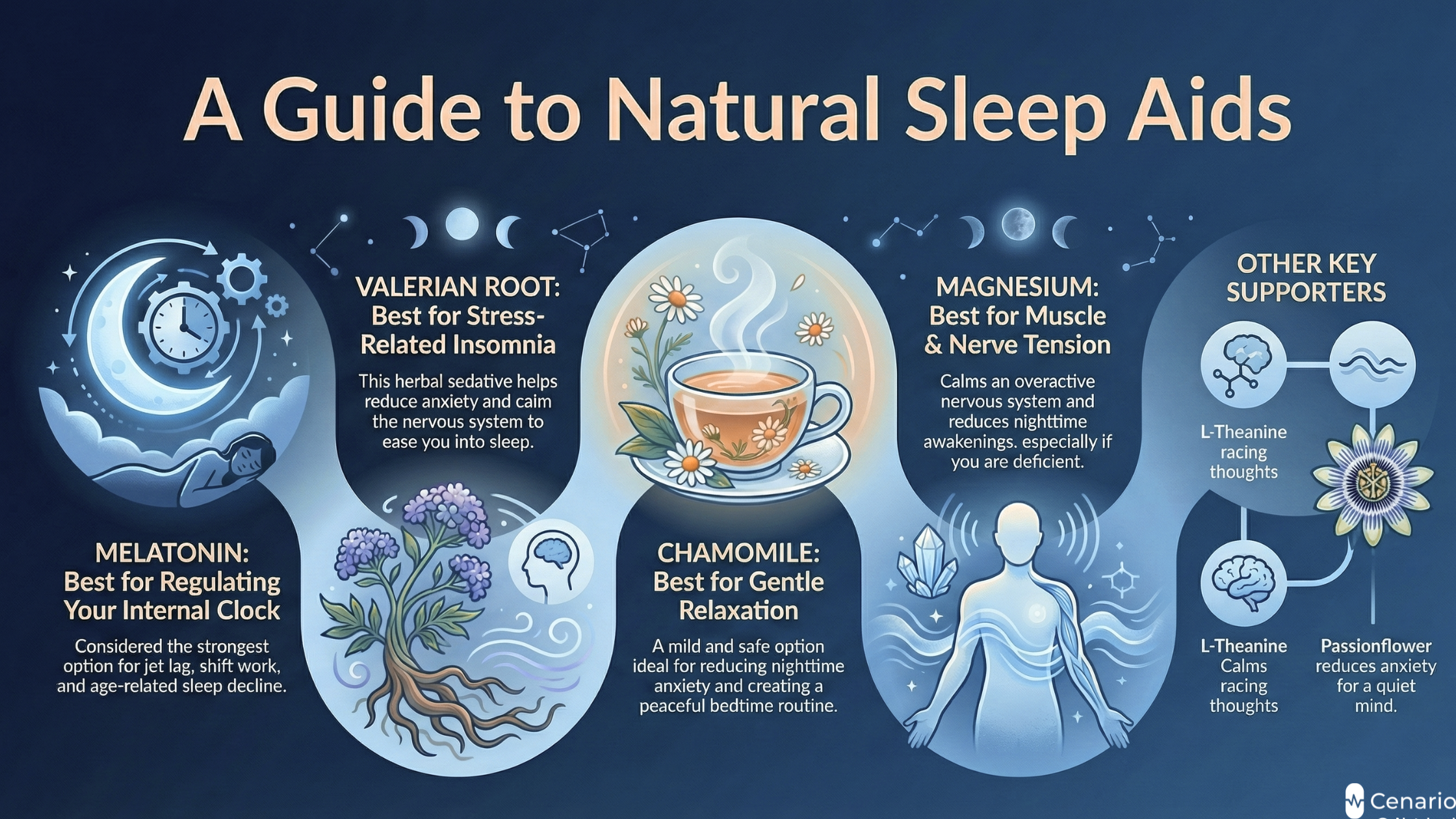
Melatonin: The Natural Sleep Hormone
Melatonin remains the most popular and widely studied natural remedy—and is often considered the strongest natural sleep aid overall. Produced by the pineal gland, melatonin signals to your body that dusk has arrived and sleep should begin soon.
Melatonin plays a major role in the way your body reacts to:
- Darkness and light exposure
- Daily time cues
- Jet lag
- Shift work
- Age-related declines in sleep quality
For individuals with disrupted sleep-wake cycles, evidence suggests that melatonin supplements can effectively reset the internal clock.
Who Benefits Most from Melatonin
- Travelers experiencing jet lag
- Shift workers whose schedules constantly change
- Older adults with reduced melatonin production
- People who naturally struggle to fall asleep early
- Individuals with circadian rhythm disorders
Evidence and Safety Profile
Studies show melatonin is especially effective for short-term use. Most people experience fewer awakenings, shorter sleep latency (time to fall asleep), and improved sleep continuity.
Melatonin is typically well tolerated. However, minor side effects include:
- Morning grogginess
- Headache
- Vivid dreams
- Mild dizziness
Compared to prescription sleep aids, melatonin carries a far lower risk of dependency or cognitive side effects. Still, researchers encourage using melatonin as part of a broader sleep improvement plan rather than as a stand-alone solution for chronic insomnia.
Valerian Root: A Traditional Herbal Sedative
Valerian root has been used for centuries as a calming herb that promotes relaxation and better sleep. Its main mechanism involves supporting the brain’s GABA system—similar to how certain anti-anxiety medications work, but significantly milder.
How Valerian Works
Valerian contains compounds that:
- Slow down neural activity
- Reduce anxiety
- Help the body transition into sleep
- Support deeper relaxation
Clinical Evidence and Safety
The research on valerian is mixed—some studies show modest improvements in sleep quality, while others show little to no effect. However, many users report feeling calmer and falling asleep more easily.
Possible side effects include:
- Mild headache
- Dizziness
- Upset stomach (rare)
Valerian is best suited for:
- Mild insomnia
- Nighttime restlessness
- Stress-related sleep issues
- People who want a non-hormonal natural sleep aid
Chamomile: Gentle Relaxation Aid
Chamomile tea is one of the oldest bedtime remedies. It contains apigenin, a compound that binds to brain receptors involved in relaxation and mild sedation.
Best Use Cases
Chamomile works well for:
- Mild sleep troubles
- Nighttime anxiety
- Creating a peaceful bedtime routine
- People who prefer a gentle herbal approach
Although scientific evidence is moderate, chamomile is exceptionally safe for most people. The main caution is for those allergic to the daisy family.
Chamomile is best used as part of a calming ritual, not necessarily as a cure for severe insomnia but as a foundation for better sleep habits.
Exploring Other Natural Sleep Aids
Magnesium Supplements
Magnesium plays a crucial role in muscle relaxation, nerve function, and stress regulation. Many people unknowingly have low magnesium levels due to diet or stress.
Research suggests that magnesium may:
- Improve deep sleep
- Reduce nighttime awakenings
- Calm an overactive nervous system
- Support melatonin production indirectly
Common side effects include digestive issues especially diarrhea if doses are too high.
L-Theanine (Amino Acid)
L-theanine is an amino acid found in green tea. It doesn’t make you sleepy, but it does promote a state of calm alertness, making it easier to drift into sleep naturally.
It may:
- Reduce stress
- Improve focus before bed
- Support alpha brain waves (associated with relaxation)
It’s often combined with magnesium or herbal blends.
Passionflower
A soothing botanical often used in teas, passionflower may:
- Reduce anxiety
- Support GABA activity
- Promote a quiet mind
It is especially helpful for individuals whose sleep problems stem from racing thoughts or emotional tension.
Tart Cherry Juice
Tart cherry juice naturally contains melatonin and antioxidants. Some studies suggest it may:
- Increase total sleep time
- Improve sleep efficiency
- Reduce nighttime awakenings
It is a good option for people who prefer food-based sleep support.
Comparative Effectiveness and Safety
| Substance | Effectiveness | Dependency Risk | Side Effects Include | Best For |
|---|---|---|---|---|
| Melatonin | Strong (regulating cycles) | None | Grogginess, headache | Jet lag, shift work, older adults |
| Valerian Root | Mild–moderate | Low | Dizziness, headache | Mild insomnia, anxiety |
| Chamomile | Mild | None | Allergic reactions | Gentle relaxation |
| Magnesium | Modest (with deficiency) | None | Digestive discomfort | Muscle relaxation, deficiency |
| Passionflower | Limited but promising | None | Drowsiness | Anxiety-related sleep concerns |
Conclusion
So, what is truly the strongest natural sleep aid? It ultimately depends on your individual needs. Melatonin is often the most effective option for regulating sleep-wake cycles, correcting jet lag, and supporting older adults with reduced melatonin production. Valerian root and chamomile offer gentle calming effects for stress, tension, and mild insomnia, while magnesium supplements, amino acid formulas, and tart cherry juice can further enhance sleep quality when paired with consistent routines.
Natural remedies work best alongside healthy sleep habits and stress management. When you use them as supportive tools not quick fixes you set yourself up for deeper, long-lasting improvements in your sleep health.
Ready to finally fix your sleep? Take our quick Cenario Quiz and get a personalized supplement plan crafted specifically for your unique sleep needs. Stop guessing, start sleeping better tonight.
Frequently Asked Questions
What is the strongest natural sleep aid?
Melatonin is often considered the strongest, as evidence suggests it directly supports circadian regulation. It is especially effective for jet lag, shift-work sleep disturbances, and age-related sleep problems.
Are natural sleep aids safe for everyone?
Most natural sleep aids are safe for short-term use. However, those with medical conditions, allergies, or who take medications should consult a healthcare provider.
Can I use natural sleep aids long-term?
Some natural remedies appear safe long-term, but research is still developing. Long-term daily use should be monitored by a healthcare professional.
How do natural sleep aids compare to prescription sleep aids?
Natural remedies typically have fewer side effects and lower dependency risks but may take longer to work and may be less potent. Prescription sleep aids act faster but carry more risks.
.