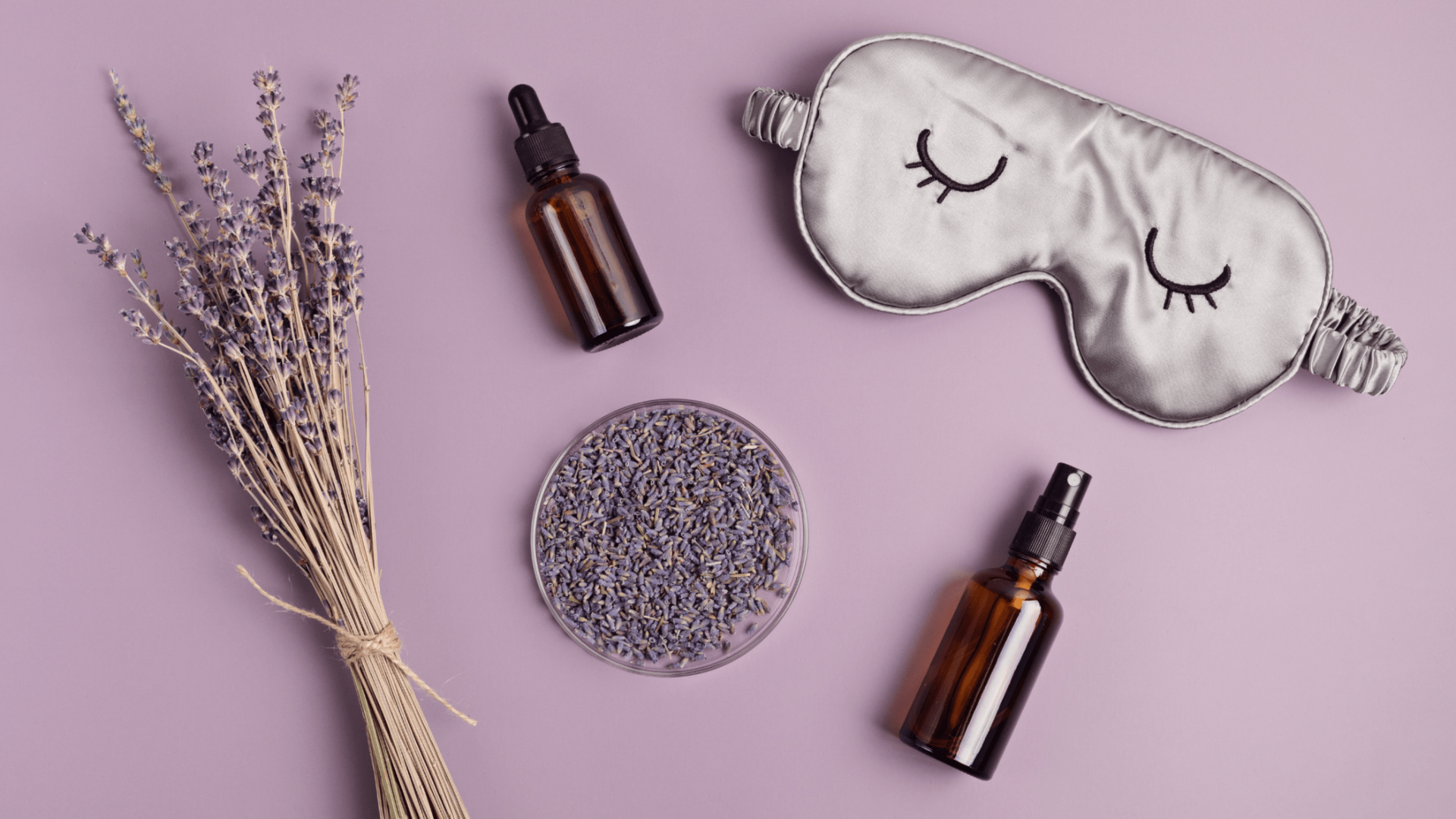

In today’s fast-paced, always-connected world, getting a restful night’s sleep often feels more like a luxury than a necessity. From racing thoughts to rising stress levels, millions of people struggle with falling or staying asleep. As a result, many are turning away from prescription sleep aids and exploring natural alternatives—like essential oils for sleep.
Derived from plants, essential oils are increasingly being embraced for their calming, therapeutic effects. When used correctly, they offer a natural, gentle way to improve sleep quality—without the groggy side effects or long-term dependency associated with traditional sleep medications.
The Science and Art of Aromatherapy
Aromatherapy—the use of aromatic plant extracts and essential oils for healing and wellness—has roots in ancient civilizations, including Egypt, India, and China. Today, modern research is catching up, validating what traditional healers have known for centuries: certain plant-based compounds can positively influence our emotions, stress levels, and overall well-being.
The power of aromatherapy lies in its direct connection to the limbic system—the part of the brain that controls emotions, memories, and arousal. When inhaled, essential oil molecules stimulate this area, helping to reduce anxiety, lower heart rate, and promote deep relaxation—key ingredients for better sleep.
Top Essential Oils for Sleep Support
While many essential oils can support relaxation, several stand out as highly effective oils for sleep:
Lavender Essential Oil
Arguably the most popular essential oil for sleep, lavender essential oil is backed by numerous studies. Its calming floral aroma has been proven to:
- Reduce anxiety
- Promote deep, restorative sleep
- Minimize nighttime awakenings
Many people experience improved sleep quality with regular use of lavender essential oil, especially when used in a diffuser or applied with a carrier oil like jojoba or coconut.
Chamomile Essential Oil
Best known from soothing herbal teas, chamomile essential oil is excellent for calming the mind before bed. It:
- Relaxes the nervous system
- Helps with anxiety-related sleep issues
- Eases tension and racing thoughts
Valerian Essential Oil
Often called “nature’s sedative,” valerian helps the brain increase GABA production, which slows brain activity and promotes sleep. It’s ideal for those with chronic sleep disorders.
Ylang Ylang Essential Oil
This floral-scented essential oil is perfect for setting a tranquil mood. Ylang ylang:
- Lowers blood pressure and heart rate
- Reduces stress and anxiety
- Encourages restful, uninterrupted sleep
Bergamot Essential Oil
Unlike other citrus oils, bergamot essential oil is calming, not stimulating. It:
- Helps reduce cortisol levels
- Balances mood and emotional stress
- Enhances relaxation for better sleep
Cedarwood Essential Oil
Cedarwood essential oil contains cedrol, a natural sedative compound. It:
- Has a grounding, woodsy aroma
- Helps you fall asleep faster
- Is great when blended with lavender essential oil
Clary Sage Essential Oil
Rich in natural phytoestrogens and mood-stabilizing properties, clary sage essential oil:
- Balances hormones and reduces cortisol
- Eases tension and anxiety
- Works well for insomnia linked to stress or hormonal imbalances
Other Oils for Sleep You Can Try
While the above are most popular, you might also benefit from other calming essential oils like:
- Vetiver – deeply grounding and calming
- Sandalwood – reduces tension and promotes mindfulness
- Marjoram – relieves muscle tension and calms the nervous system
-min.png)
How to Use Essential Oils for Sleep
There are several safe and effective ways to incorporate essential oils into your nightly routine:
- Diffusion – Add 5–10 drops of essential oil to an ultrasonic diffuser 30 minutes before bedtime. Let the aroma fill your bedroom for a calming effect.
- Topical Application – Mix a few drops of essential oil with a carrier oil like coconut, jojoba, or sweet almond oil. Apply to pulse points (wrists, temples, neck, or soles of feet).
- Warm Bath Soak – Add a few drops of essential oil to Epsom salts and dissolve in warm bathwater. Soaking in this mixture can ease tension and prep your body for sleep.
- Pillow Spray – Create your own linen spray by mixing essential oils with distilled water and a touch of witch hazel in a spray bottle. Lightly mist your pillow and sheets before bed.
- Custom Blends – Experiment by blending oils based on your personal preferences and sleep needs. Some oils pair beautifully to enhance their effects.
Are Essential Oils Safe?
When used responsibly, essential oils are generally safe for most people. However, keep the following in mind:
- Always dilute essential oils before applying to the skin.
- Do a patch test first to ensure you don’t have an allergic reaction.
- Pregnant or nursing women, children, and those with chronic health conditions should consult a healthcare provider before using essential oils.
- Avoid ingesting oils unless under the supervision of a qualified professional.
What Does the Research Say?
Clinical studies are increasingly supporting the use of essential oils for sleep. Key findings include:
- Inhalation of lavender oil improves sleep quality and reduces fatigue in hospital patients.
- Valerian has been found effective in reducing sleep latency (the time it takes to fall asleep).
- Aromatherapy, in general, reduces cortisol levels, balances mood, and promotes REM sleep.
As science continues to validate these benefits, aromatherapy is gaining credibility as a non-invasive, accessible, and effective option for better rest.
Comparing the Top Oils
Each oil has unique strengths. Here’s a quick reference:
| Oil | Key Benefits |
|---|---|
| Lavender | Reduces anxiety, improves deep sleep, lowers heart rate |
| Chamomile | Soothes the nervous system, eases worry and racing thoughts |
| Valerian | Boosts GABA, acts as a natural sedative |
| Cedarwood | Encourages calm through sedative-like compounds |
| Clary Sage | Balances hormones and reduces stress |
Powerful Blends to Try
- Lavender + Chamomile – Ideal for stress or anxiety-driven insomnia.
- Valerian + Cedarwood – Best for promoting uninterrupted, deep sleep.
- Vetiver + Clary Sage – A grounding combo that works well after emotional or mental exhaustion.
Frequently Asked Questions
Is it safe to use essential oils for sleep every night?
Yes, essential oils are generally safe for nightly use when used properly. Always dilute oils with a carrier oil before applying to the skin and perform a patch test to check for allergic reactions. For aromatherapy, diffusing oils for 30–60 minutes before bed is safe and effective.
People with medical conditions, children, and pregnant women should consult a doctor before using essential oils.
Can essential oils help with sleep disorders like insomnia?
Yes. While not a cure, certain essential oils—especially lavender essential oil, valerian, and clary sage essential oil—have shown promise in helping people with sleep disorders like insomnia. These oils promote relaxation, ease anxiety, and encourage a more restful night’s sleep.
Studies show that aromatherapy can be a helpful complementary therapy for improving sleep in both adults and children.
Final Thoughts
If you’re struggling to get quality rest, essential oils might be the gentle, natural solution you’ve been looking for. Whether you’re dealing with chronic insomnia or just an occasional restless night, these botanical powerhouses can support your journey to more restorative sleep—naturally, safely, and effectively.
Experiment with different oils, find what works best for your body and mind, and create a calming bedtime ritual that helps you unwind and welcome sleep with ease.