
Food for Better Sleep: What to Eat for a Restful Night
If you find yourself struggling to fall asleep, waking up tired, or relying on sleep medicine just to make it through the night, it’s time to take a closer look at what’s on your plate. What you eat—especially in the evening—has a powerful influence on your ability to rest and recharge.
The path to more restful sleep may begin with the choices you make in the kitchen. Certain foods and drinks have been proven to improve sleep, thanks to their role in hormone regulation, neurotransmitter production, and digestion. In this guide, we’ll break down the science behind the best food for better sleep, which ingredients to avoid, and how to naturally support a good night’s sleep—no pills required.
Why Food Affects Sleep
Your sleep-wake cycle is controlled by a combination of hormones and brain chemicals. The most important of these is melatonin, a hormone that signals your body when it’s time to wind down. But melatonin doesn’t just appear—it’s created from amino acids, vitamins, and minerals you get from food.
Your body also needs complex carbohydrates to help tryptophan (a sleep-promoting amino acid) cross the blood-brain barrier. Once inside the brain, tryptophan helps boost serotonin and melatonin levels—two key players for deep, restful sleep.
According to sleep medicine experts and ongoing research, incorporating the right foods and nutrients into your daily diet can not only help you fall asleep faster, but also dramatically improve your overall sleep quality.
Best Food for Better Sleep: What to Eat Before Bed
Certain foods are rich in nutrients that help the body relax, regulate hormones, and improve overall sleep quality. Below are eight of the most effective sleep-promoting options, backed by science.
1. Tart Cherry Juice
Tart cherry juice is one of the few natural dietary sources of melatonin, the hormone that helps regulate your sleep cycle. It’s also rich in antioxidants like anthocyanins and flavonoids, which may reduce inflammation and oxidative stress—both of which have been linked to poor sleep.
Research shows that drinking tart cherry juice daily can help improve total sleep time, reduce insomnia symptoms, and enhance overall sleep quality.
Tip: Consume approximately 8 ounces of tart cherry juice 1 to 2 hours before bedtime to support melatonin production and help your body ease into sleep.
2. Bananas
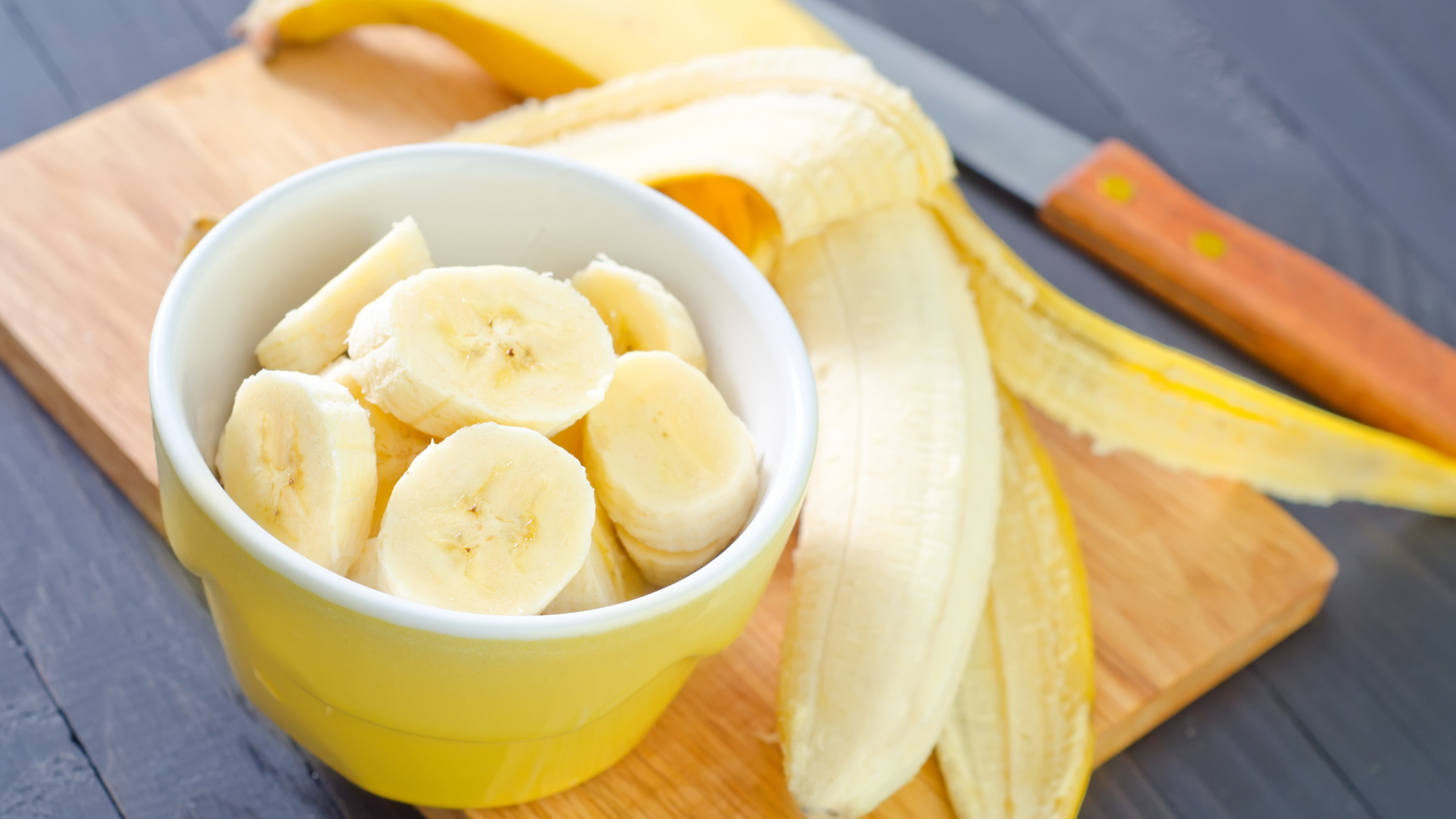
Bananas are packed with magnesium and potassium, minerals that relax the muscles and nervous system. They also contain tryptophan, an essential amino acid that helps the brain produce serotonin—a precursor to melatonin.
These nutrients make bananas a gentle, sleep-supportive option that can naturally encourage a relaxed, restful state.
Tip: Add banana slices to a warm bowl of oatmeal or blend into a smoothie with unsweetened almond milk.
3. Brown Rice
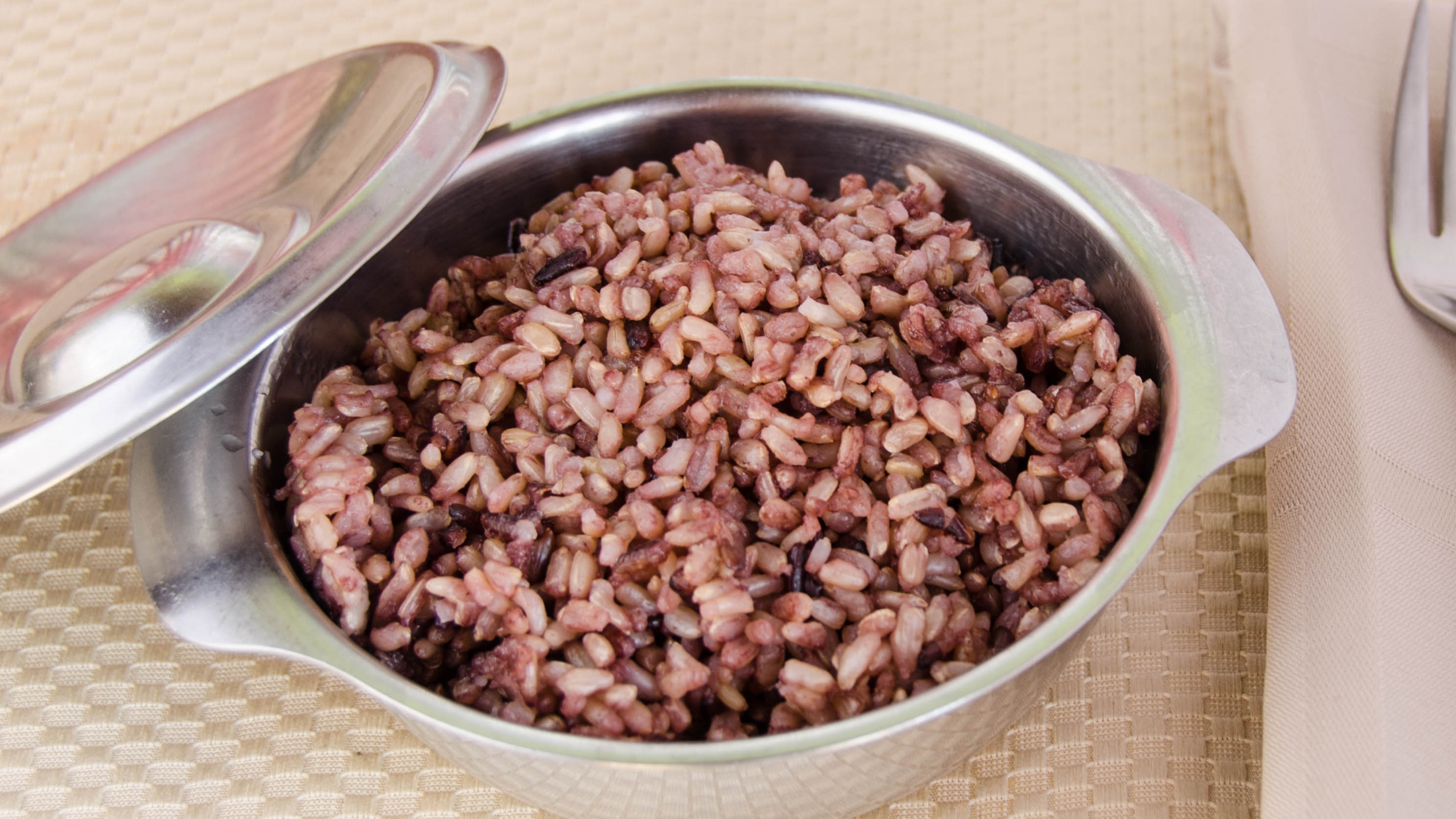
A great source of complex carbohydrates, brown rice has a low glycemic index, meaning it digests slowly and steadily, avoiding the blood sugar spikes and crashes that can disturb sleep. It also helps make tryptophan more available to the brain, which supports the body’s natural melatonin production.
Tip: Include a small serving of steamed brown rice at dinner alongside lean protein and vegetables for a balanced, sleep-friendly meal.
4. Almonds and Walnuts
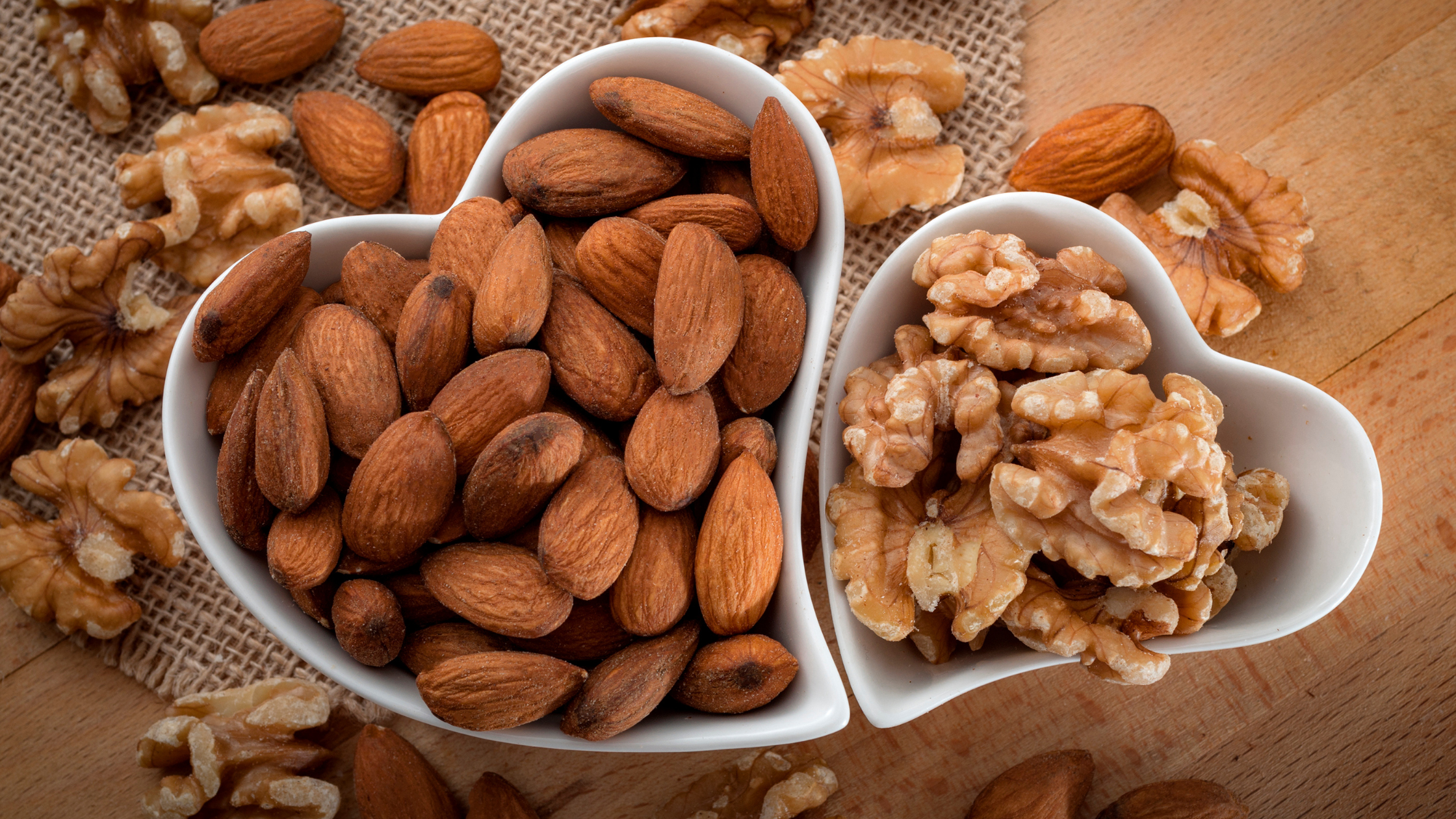
These heart-healthy nuts are rich in magnesium, healthy fats, and naturally occurring melatonin. Magnesium supports the nervous system and helps lower cortisol levels (the stress hormone), while melatonin helps regulate your internal clock.
Their protein and fat content can also stabilize blood sugar overnight, reducing the chance of midnight wake-ups due to hunger or energy dips.
Tip: Eat a small handful of unsalted almonds or walnuts 30–60 minutes before bed.
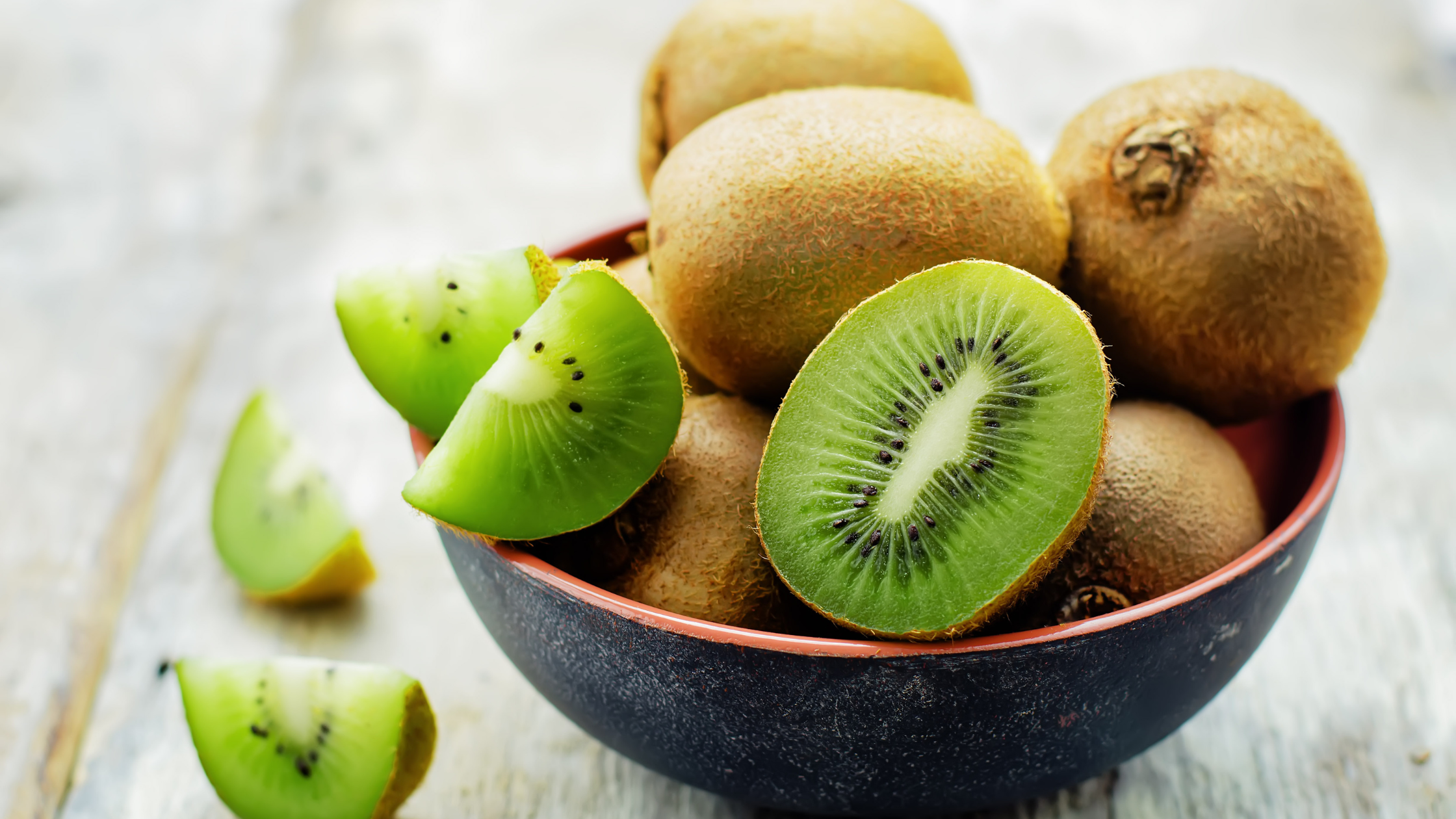
5. Kiwi
Kiwi is often overlooked, but it’s actually one of the most effective sleep-inducing fruits. It’s rich in antioxidants, vitamin C, and serotonin—all of which contribute to better sleep quality. Its fiber content also supports digestion and may reduce nighttime discomfort.
🧪 Research shows that consuming 1–2 kiwis an hour before bed can improve sleep onset (how quickly you fall asleep) and duration.
Tip: Peel and chill kiwi slices and enjoy them about an hour before you plan to sleep.
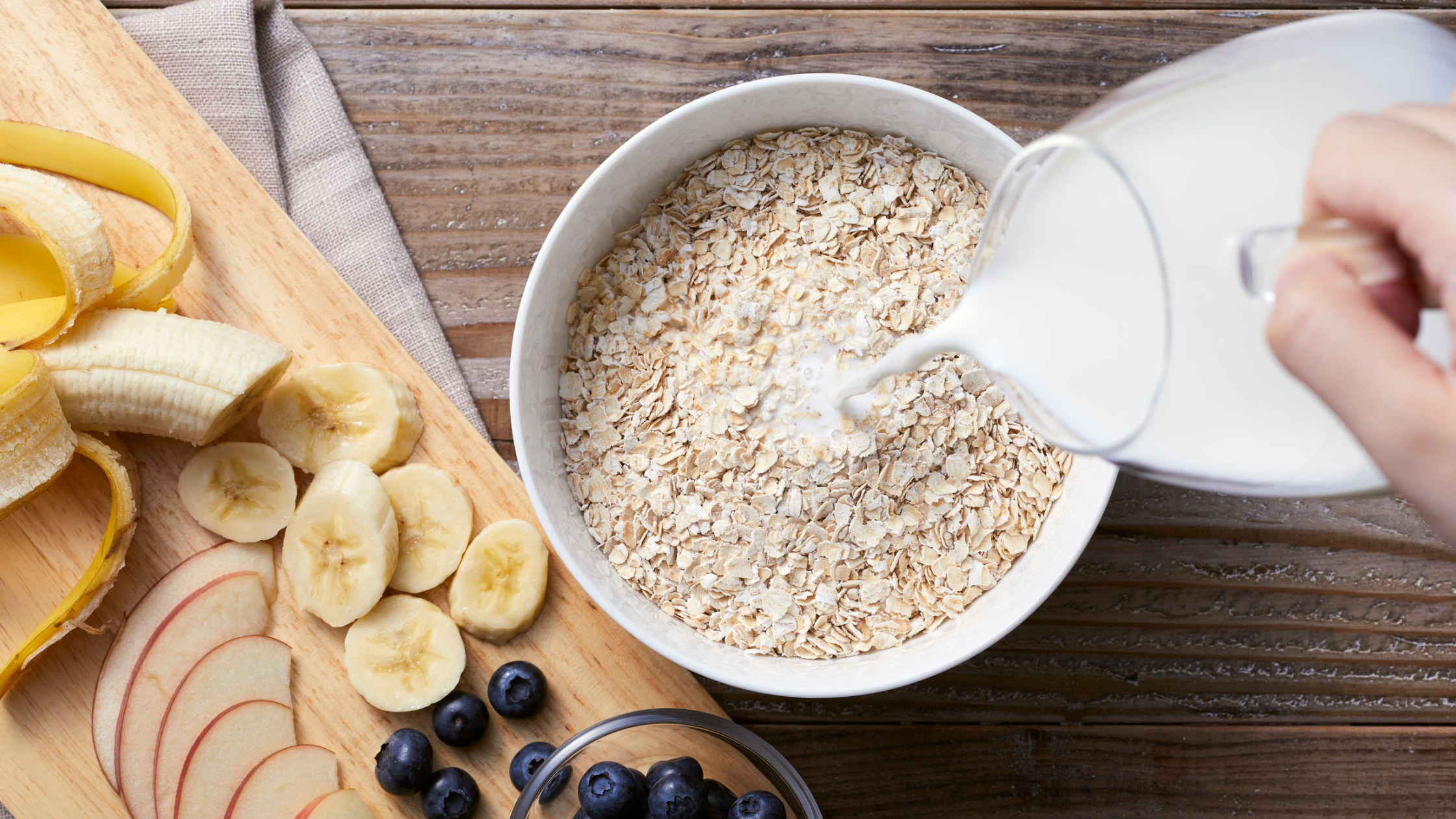
6. Oatmeal
Oats are naturally rich in melatonin, magnesium, and complex carbohydrates, making them a great evening snack. The complex carbs can help tryptophan enter the brain more easily, while the warm temperature of the dish adds a comforting, relaxing effect.
Tip: Top a small bowl of oatmeal with cinnamon, honey, and walnuts for a tasty and sleep-promoting nighttime meal.
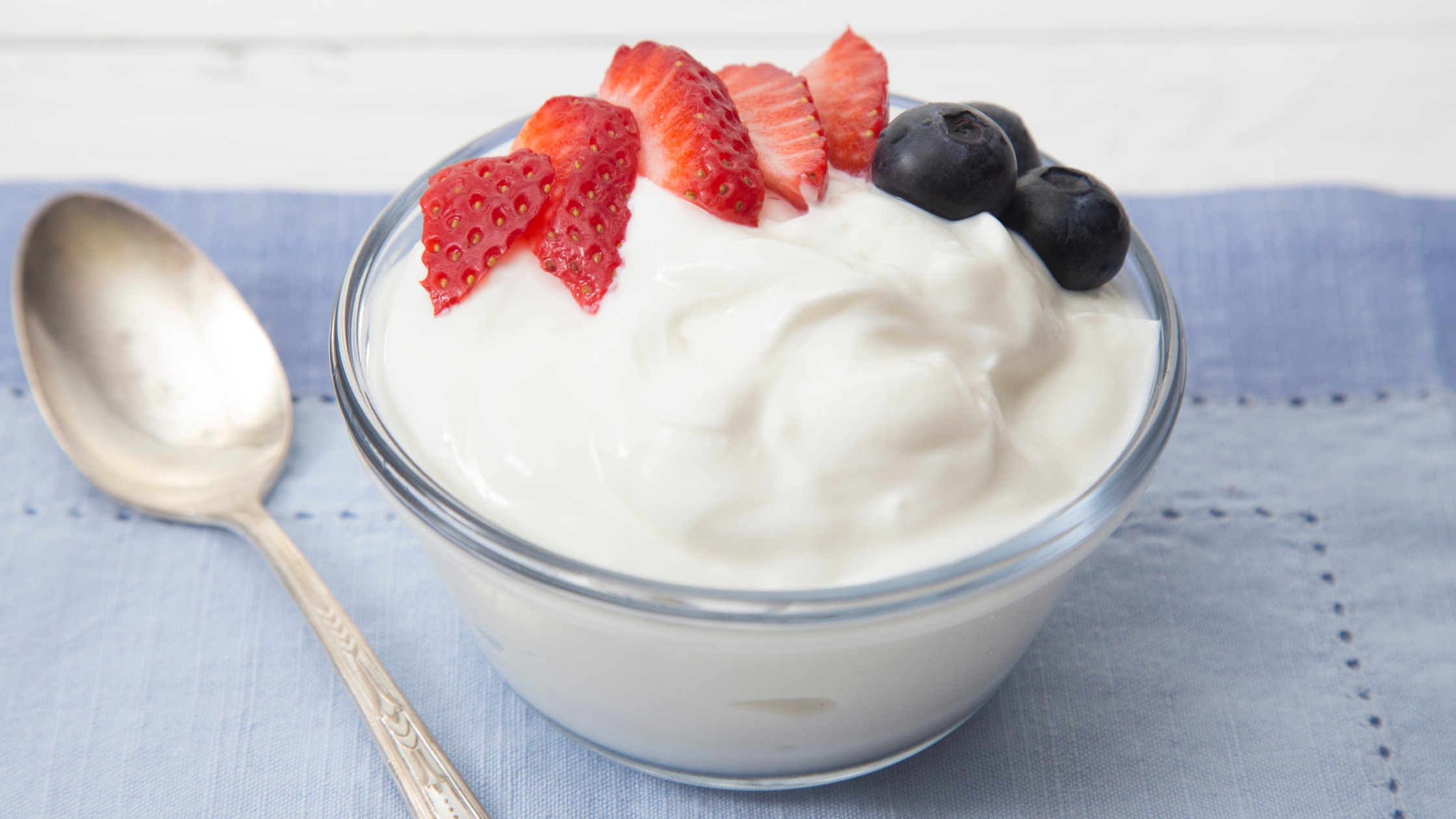
7. Greek Yogurt
Greek yogurt provides calcium, which plays a role in the brain’s use of tryptophan to manufacture melatonin. It’s also high in protein, helping to balance blood sugar and reduce late-night cravings. Including yogurt in your nighttime routine may contribute to more stable sleep patterns.
Tip: Combine Greek yogurt with banana slices or a sprinkle of almonds for a sleep-friendly bedtime snack.

8. Herbal Teas (Chamomile, Lemon Balm, Valerian Root)
Though not technically food, these caffeine-free herbal teas are staples in many evening routines. Chamomile is known for its calming effects, lemon balm may reduce anxiety, and valerian root has been shown to improve sleep latency and quality in some people.
These teas help prepare both the body and mind for sleep, making them excellent additions to your nightly ritual.
Tip: Brew a warm cup of chamomile or valerian tea and sip slowly about 30–60 minutes before bed.
What to Avoid: Foods That Disrupt Sleep
Just as some foods help you sleep, others can lead to poor sleep, restlessness, or waking up during the night. Limit or avoid the following close to bedtime:
- Caffeine (coffee, energy drinks, chocolate)
- Alcohol (disrupts REM sleep)
- Spicy foods (can cause heartburn)
- Foods high in saturated fat (slow digestion, increase inflammation)
- Sugary snacks or refined carbs (spike and crash your blood sugar)
- Overeating or heavy meals (triggers indigestion and discomfort)
Avoid scrolling through social media while snacking—this combo overstimulates your brain and may delay melatonin release.
When to Eat: Timing Matters
To truly benefit from the right food for better sleep, timing your meals is just as important as your food choices.
- Aim to finish dinner 2–3 hours before bed. This gives your digestive system time to work without interfering with your sleep.
- If you need a light snack before sleeping, choose one under 200 calories that combines protein with complex carbohydrates.
Other Tips to Promote Healthy Sleep Naturally
Alongside smart nutrition, try these habits to support a good night’s rest:
- Stick to a consistent sleep schedule—even on weekends
- Create a calming pre-bed routine (light stretching, reading, herbal tea)
- Turn off social media and screens at least 60 minutes before bed
- Keep your bedroom cool, dark, and quiet
- Consider natural supplements like magnesium or melatonin (consult your doctor first)
Ready to Sleep Better?
Want to build a nighttime routine centered around the best food for better sleep?
Take our free quiz for personalized diet and supplement tips
Download The Deep Sleep Manual—your complete guide to food, habits, and evening routines
Frequently Asked Questions
How quickly do foods for better sleep start working?
Some foods, like chamomile tea or tart cherry juice, can have calming effects the same night you consume them. Others, such as magnesium-rich foods or consistent intake of kiwi, may take a few weeks of regular use to noticeably improve sleep quality.
Can I combine food with supplements for sleep support?
Yes. Many people pair sleep-friendly foods (like oatmeal, bananas, or walnuts) with supplements such as magnesium, L-theanine, or melatonin for added support. Always consult a healthcare professional before starting supplements, especially if you take other medications.
Does meal timing affect sleep as much as food choice?
Absolutely. Even healthy foods can disrupt sleep if eaten too close to bedtime. Aim to finish dinner 2–3 hours before bed. If you need a snack, keep it light and calming—such as Greek yogurt with honey or a small banana.
Final Thoughts: Sleep Starts on Your Plate
Improving sleep doesn’t always require medication; in many cases, making simple adjustments to your diet and meal timing can significantly enhance sleep quality.
Choosing the right foods and drinks, loaded with sleep-friendly foods and nutrients, gives your body everything it needs to relax and reset. From nutrient-rich options like tart cherry juice to complex carbohydrates such as brown rice, each dietary choice plays a meaningful role in supporting restful sleep.
So the next time you’re reaching for a bedtime snack, remember: the right food for better sleep might be your best ally in getting that truly restful, good night’s sleep.