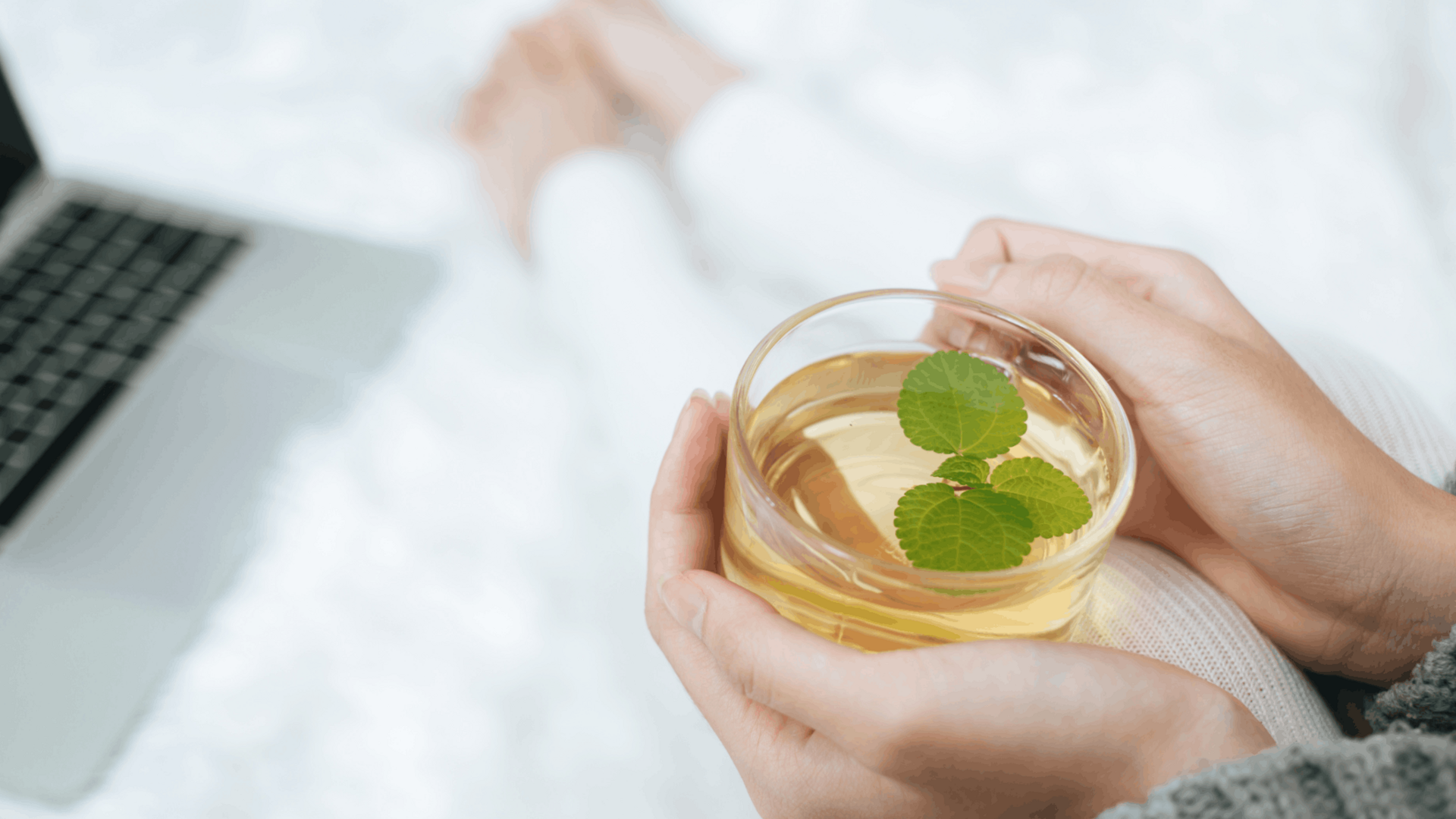

If you’ve ever found yourself tossing and turning in the middle of the night, unable to drift off, you’re not alone. Many people are turning to herbal tea for sleep as a gentle, natural way to improve sleep quality without relying on pharmaceuticals. From calming lavender tea to the well-known valerian root, these bedtime teas have shown promising effects in reducing stress and promoting deeper rest.
Understanding Common Sleep Disorders
Sleep disorders affect millions of people worldwide, with insomnia and difficulty falling asleep being among the most common. These issues can be triggered by a variety of factors, including:
- High stress levels
- Irregular sleep routines
- Poor dietary and lifestyle habits
Over time, lack of quality sleep can negatively impact mental, emotional, and physical well-being. As a result, many individuals are now paying closer attention to their sleep hygiene—a term that refers to healthy sleep habits and behaviors that promote restful sleep.
Rather than turning to prescription medications, which can come with side effects or dependency risks, many are exploring natural alternatives like herbal tea for sleep. Herbal teas are gaining popularity for their ability to:
- Promote relaxation
- Reduce anxiety
- Create a calming bedtime ritual
By incorporating herbal tea into their nightly routine, people can support better sleep in a gentle, holistic way—without the harsh side effects of synthetic sleep aids.
Exploring the Best Herbal Teas for Sleep
When it comes to improving sleep naturally, herbal teas have become a trusted solution for many. From popular options like chamomile to lesser-known herbs such as hops, each tea offers unique compounds that promote calmness, reduce anxiety, and prepare the body for rest.
%20(1).png)
These teas are especially effective for people who experience difficulty falling asleep, struggle with stress-induced insomnia, or simply want to develop a soothing bedtime routine. While they may not dramatically extend sleep duration, their relaxing effects can significantly enhance subjective sleep quality—how rested and refreshed you feel after sleep.
Let’s break down the top herbal teas known for their sleep-promoting properties:
Chamomile – The Classic Sleep Aid
Chamomile tea is perhaps the most widely recognized herbal tea for sleep. It contains apigenin, a natural antioxidant that binds to receptors in the brain to help reduce anxiety and encourage drowsiness.
- Best for: Mild insomnia, nighttime stress, or anxiety
- How it helps: Promotes calm and relaxation before bed
- Bonus: Its light, floral flavor makes it enjoyable and easy to incorporate into a nightly ritual
Valerian Root – Nature’s Sedative
Known for its strong sedative effects, valerian root has been used for centuries as a sleep remedy. It works by increasing levels of GABA in the brain, which slows down nervous system activity and helps the body transition into sleep more easily.
- Best for: People who take a long time to fall asleep (sleep latency) or experience anxious thoughts at night
- How it helps: Reduces mental overactivity and promotes faster sleep onset
- Note: Its earthy flavor may take getting used to; it’s often combined with other herbs in blends
Passionflower – Calm for the Mind
Passionflower is gaining popularity for its ability to calm the mind and ease you into sleep. It also increases GABA levels in the brain, similar to valerian, making it especially effective for racing thoughts or restlessness before bed.
- Best for: Anxiety, mental tension, or a restless mind
- How it helps: Promotes mental stillness and gently sedates the nervous system
- Taste profile: Lightly floral and soothing, ideal for evening use
Lemon Balm & Lavender – Aromatic Sleep Allies
These two aromatic herbs are not only pleasing to the senses but also highly effective for relaxation.
- Lemon balm is known to reduce stress and anxiety, helping to settle your mood before sleep.
- Lavender, often used in essential oils, is equally powerful as a tea. It’s been shown to improve sleep duration and quality, especially in people with mild sleep disturbances.
Together, they form a powerful duo:
- Best for: People dealing with emotional stress or mild insomnia
- How they help: Their aroma and compounds promote a peaceful transition to sleep
- Bonus: They blend well with other herbs for a calming, fragrant tea
Hops – The Hidden Sleep Gem
Most commonly associated with beer, hops also have sedative properties that can aid sleep—especially when combined with valerian root. This herb is particularly effective for people whose sleep issues stem from stress or tension.
- Best for: Stress-related insomnia, muscle tension, or trouble winding down
- How it helps: Acts as a gentle sedative and enhances the calming effects of other herbs
- Tip: Look for herbal blends that pair hops with valerian for maximum effect
Understanding How Herbal Teas Work for Sleep
Herbal teas are best known for enhancing subjective sleep quality, helping you feel more rested—even if they don’t always extend total sleep time.
How They Work:
- Relaxation & Anxiety Reduction: Herbal teas primarily work by calming the nervous system.
Active Compounds:
- Apigenin (in chamomile) – Binds to brain receptors to reduce anxiety.
- Valepotriates (in valerian root) – Support sedation and calm.
- L-theanine (in green tea, small amounts) – Promotes relaxation without drowsiness.
The Ritual Effect:
The act of drinking tea itself creates a soothing bedtime ritual, signaling to your body that it’s time to wind down.
Safety & Precautions When Using Herbal Tea for Sleep
Herbal teas are generally safe, but it’s important to use them mindfully. Here are key precautions to consider:
- Consult your doctor if you are pregnant, breastfeeding, or taking medications.
- Start with a small amount to check for side effects like allergies or digestive issues.
- Drink 30–60 minutes before bed to allow the calming effects to kick in.
- Avoid excessive intake, which may cause drowsiness or nighttime bathroom trips.
What Science Says About Herbal Tea for Sleep
Scientific research on herbal tea for sleep shows promising, though somewhat mixed, results.
- Subjective benefits are well-documented — Many users report improved sleep quality, reduced anxiety, and easier sleep onset.
- Clinical studies show potential — Herbs like chamomile, valerian root, and lavender have shown calming and mild sedative effects in some controlled studies.
- Limited large-scale research — Most existing studies are small or short-term, and rely on self-reported data rather than objective sleep tracking.
- Mechanisms are known — Active compounds (like apigenin and valepotriates) interact with the nervous system to promote relaxation.
While more rigorous, large-scale studies are needed, current research supports the calming, sleep-enhancing effects of certain herbal teas—especially when paired with a consistent bedtime routine.
Frequently Asked Questions
How soon before bed should I drink herbal tea?
It’s best to drink herbal tea 30 to 60 minutes before bedtime. This gives your body enough time to absorb the calming compounds and begin the relaxation process. Avoid drinking it too late if you’re sensitive to nighttime awakenings due to increased fluid intake.
Can I combine different herbal teas for better sleep?
Yes, combining herbs can be more effective than using a single ingredient. Many multi-herb blends are carefully formulated to enhance sleep by targeting different aspects—such as anxiety, restlessness, and tension. Just be sure not to overdo it, and always check for ingredient compatibility or possible interactions.
How do I choose the best herbal tea for sleep?
To find the most effective herbal tea:
- Look for proven ingredients like chamomile, valerian root, passionflower, lemon balm, and lavender.
- Choose reputable brands that provide clear ingredient lists and avoid artificial additives.
- Test different blends to see what works best for your body—sleep needs can vary from person to person.
Opt for caffeine-free, organic options when possible, and pay attention to how your body responds to each formula.
Final Thought
Herbal tea for sleep is more than just a natural remedy—it’s a simple, calming ritual that supports better rest. With soothing ingredients like chamomile, valerian root, and lavender, these teas can help reduce stress, ease anxiety, and promote relaxation before bed.
By making a warm cup part of your nightly routine, you’re not just improving your sleep—you’re creating a peaceful moment of self-care to end your day.
Looking for additional support?
Take our quick quiz to get a personalized supplements recommendation designed to complement your sleep routine and help you fall asleep faster, stay asleep longer, and wake up refreshed.