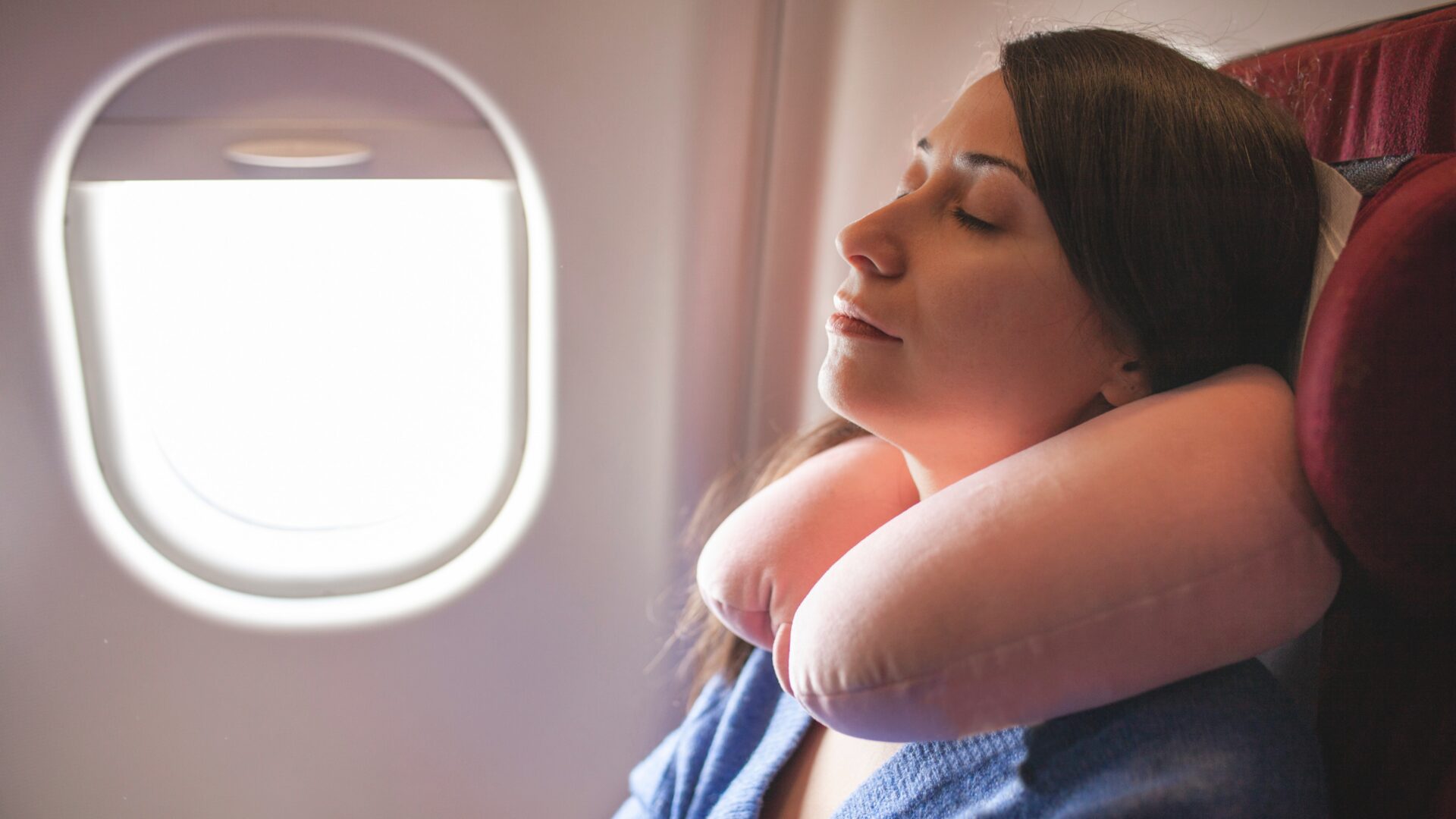

Jet lag symptoms can turn even the most exciting trip into a struggle with travel fatigue, disrupted sleep, and foggy focus. Whether you’ve traveled west or are dealing with the side effects of traveling east, your internal clock may be completely out of sync with the local time.
This guide will walk you through how to fall asleep faster, adjust to the new time zone more smoothly, and restore your circadian rhythms. With expert tips and the right sleep aids, you can beat jet lag and get back to enjoying your journey.
What Exactly Is Jet Lag?
Jet lag is a short-term condition that happens when your body’s internal clock is not in sync with the time at your new location. It usually occurs when you cross three or more time zones, and it can feel worse when traveling east compared to west. Your body still wants to sleep and eat at your usual times, which can leave you feeling tired, hungry, or just not quite right.
Common Symptoms of Jet Lag:
- Difficulty falling asleep or staying asleep
- Daytime drowsiness or fatigue
- Difficulty concentrating or staying focused
- Mood changes like irritability or mild depression
- Upset stomach or changes in digestion
What Causes Jet Lag?
Jet lag is caused by a disruption of your circadian rhythm, your body’s natural 24-hour internal clock. This clock is regulated by cues like sunlight, temperature, and daily routines. When you travel across multiple time zones quickly — especially 3 or more — your internal clock stays tied to your original time zone, while your new location runs on a completely different schedule.
Key contributors:
- Direction of travel: Eastward travel is usually harder because it shortens your day; westward lengthens it, which is easier for most.
- Number of time zones crossed: More zones = more confusion.
- Timing of light exposure: Sunlight helps your body reset — without it, adjustment is slower.
- Sleep deprivation: Poor sleep before and during travel makes symptoms worse.
What Does Jet Lag Feel Like?
Jet lag extends beyond simple fatigue — it represents a full-body disruption affecting both physical and cognitive functioning. Depending on how far and in which direction you travel, you might feel:
- Exhausted even after a full night’s sleep
- Wide awake at 3 a.m., unable to sleep
- Hungry at odd hours or with no appetite at all
- Irritable, foggy, or even slightly depressed
- Out of sync emotionally and physically
Some travelers describe it as feeling “disconnected” or like they’re running on the wrong software — your body wants one thing while the local time demands another.
How to Deal with Jet Lag Before You Travel
What you do before boarding the plane can make a difference in how your body handles the time shift.
1. Start Shifting Your Schedule Early
Several days prior to your departure, begin gradually adjusting your sleep and meal schedules to better align with the local time at your destination. For eastward travel, consider going to bed earlier; for westward travel, aim to stay awake later. These incremental adjustments can significantly ease the transition and reduce the effects of jet lag.
2. Prioritize Quality Sleep Before the Flight
Avoid arriving at the airport sleep-deprived, as insufficient rest can intensify the effects of jet lag. Prioritize several nights of quality sleep before your trip to ensure your body is well-prepared for the time zone transition.
3. Hydrate Like It’s Your Job
Flying dehydrates you faster than you think, and dehydration amplifies jet lag. Start drinking extra water 24 hours before your flight, and keep it going throughout the trip.
4. Skip the Alcohol and Caffeine
As tempting as a coffee or a glass of wine at the airport may be, both caffeine and alcohol can disrupt your sleep cycle and make jet lag symptoms worse. Keep them to a minimum until you’ve adjusted.
How to Deal with Jet Lag During the Flight
Making smart choices mid-flight can ease your transition when you land.
1. Change Your Watch to Destination Time
Setting your watch (or phone) to your destination’s local time helps initiate the mental adjustment to the new time zone. It may seem like a minor step, but it plays a key role in aligning your internal clock.
2. Sleep Strategically
If your flight is scheduled to arrive in the morning, aim to get some rest during the journey. Utilize tools such as a neck pillow, sleep mask, and noise-canceling headphones to create a restful environment. Conversely, if you’re arriving at night, it’s advisable to remain awake during the flight to help ensure you’re sufficiently tired upon arrival, supporting a smoother adjustment to the local time.
3. Move Your Body
Sitting for hours isn’t just uncomfortable — it also slows your circulation and contributes to fatigue. Engage in light movement every few hours by walking through the aisles or performing seated stretches to promote circulation and reduce fatigue.
How to Deal with Jet Lag After You Arrive
Upon arrival, your body will continue to require time to adapt to the new time zone. The following strategies can help accelerate the adjustment process.
1. Seek Out Natural Light
Exposure to natural sunlight plays a crucial role in resetting your circadian rhythm. For optimal adjustment, spend time outdoors in the early morning following eastward travel, or in the late afternoon after westward travel. Aligning your light exposure with the local time can significantly enhance your body’s ability to adapt to the new time zone.
2. Stay Awake Until Local Bedtime
While the temptation to nap upon arrival can be strong, it’s best to avoid doing so—at least until the evening. If a nap is necessary, limit it to no more than 30 minutes. Remaining awake until the local bedtime is one of the most effective ways to help reset your internal clock and facilitate a quicker adjustment to the new time zone.
3. Eat Light and Healthy
Digestive issues are a common part of jet lag, so avoid heavy or greasy foods. Opt for fresh produce, whole grains, and lean proteins to support your body’s natural rhythms.
4. Consider Melatonin
Melatonin is a natural hormone your body produces to regulate sleep. Taking a small dose (between 0.5–3 mg) about 1–2 hours before your new bedtime can help you fall asleep more easily — especially if you’re adjusting to a much earlier schedule.
Exercises to Speed Up Jet Lag Recovery
Movement is a powerful (and often overlooked) jet lag remedy. Gentle exercise boosts blood flow, reduces inflammation, and helps regulate sleep hormones.
Post-Flight Recovery Exercises:
- Walking outdoors – Combines movement and sunlight, both key to resetting your clock.
- Stretching – Helps with stiffness, improves circulation, and promotes relaxation.
- Yoga or light Pilates – Supports digestion, calms the nervous system, and enhances sleep quality.
- Bodyweight exercises—such as squats, lunges, and push-ups—can help re-energize the body without causing excessive strain. Even a brief session may promote alertness and combat travel fatigue.
Best time to exercise:
- Morning if you flew east
- Afternoon if you flew west
The focus isn’t on intensity — it’s all about timing and consistency.
Natural Supplements to Support Your Transition
If you’re still feeling off, certain supplements can give your body a gentle nudge in the right direction. These natural aids can help reset your rhythm, calm your nervous system, and support better sleep — all crucial when adjusting to a new time zone.
Always consult with your doctor before adding new supplements to your routine, especially if you’re on medication.
Top Supplements for Jet Lag Relief:
- Melatonin – Helps regulate your sleep-wake cycle and can be especially useful after eastward travel.
- Magnesium – Known for its calming effects and support for deeper, more restful sleep.
- L-Theanine – Found in green tea, it promotes relaxation without causing drowsiness.
- Ashwagandha – An adaptogen that helps your body manage stress and balance cortisol levels.
Jet Lag Tips and Tricks That Actually Work
Besides the essentials already mentioned, here are some extra tips that make a meaningful difference:
- Pack a sleep kit: Eye mask, earplugs, melatonin, and lavender essential oil can turn any flight or hotel into a sleep-friendly zone.
- Fast during the flight: Some studies suggest that avoiding meals on the plane and eating at your destination’s next mealtime may help reset digestion and your body clock.
- Use blue light strategically: Exposing yourself to blue light in the morning (via sunlight or screen) helps you stay awake and alert.
- Try grounding or “earthing”: Spending time barefoot on natural ground like grass or sand may help reduce inflammation and jet lag (still debated but many travelers swear by it).
- Stay social: Interacting with others helps anchor you to the local schedule and keeps you mentally engaged.
Frequently Asked Questions
1. Does jet lag affect everyone the same way?
No. Age, health, sleep habits, and even chronotype (whether you’re a “morning lark” or “night owl”) can influence how severely jet lag affects you. For example, older adults may take longer to recover, while frequent travelers often adapt more quickly with practice.
2. Can jet lag make existing health conditions worse?
Yes. Jet lag can temporarily worsen issues like migraines, digestive problems (IBS), mood disorders (anxiety, depression), or cardiovascular concerns. That’s why people with chronic conditions should plan recovery strategies carefully and consult their doctor if symptoms feel amplified after travel.
3. How long does jet lag usually last?
A common rule of thumb: it takes about one day per time zone crossed to fully adjust. However, most people start to feel significantly better after 2–4 days with proper strategies like sunlight exposure, hydration, and sleep schedule adjustments.
Final Thoughts on How to Deal with Jet Lag
Jet lag might be an inevitable part of long-distance travel, but it doesn’t have to control your trip. With the right prep, a bit of movement, and a few smart sleep strategies, you can get your body back on track faster — and actually enjoy the journey.
Whether you’re hopping across continents for work or exploring new places for fun, the key is learning how to deal with jet lag before it sets in. The combination of sleep hygiene, hydration, light exposure, and the right supplements can make a huge difference.
Looking to streamline your adjustment even further?
Explore Cenario’s jet lag-supporting supplements, and take our quick quiz to get personalized recommendations tailored to your sleep and mental wellness needs.
Wishing you clarity, energy, and a smooth, jet lag–free journey.