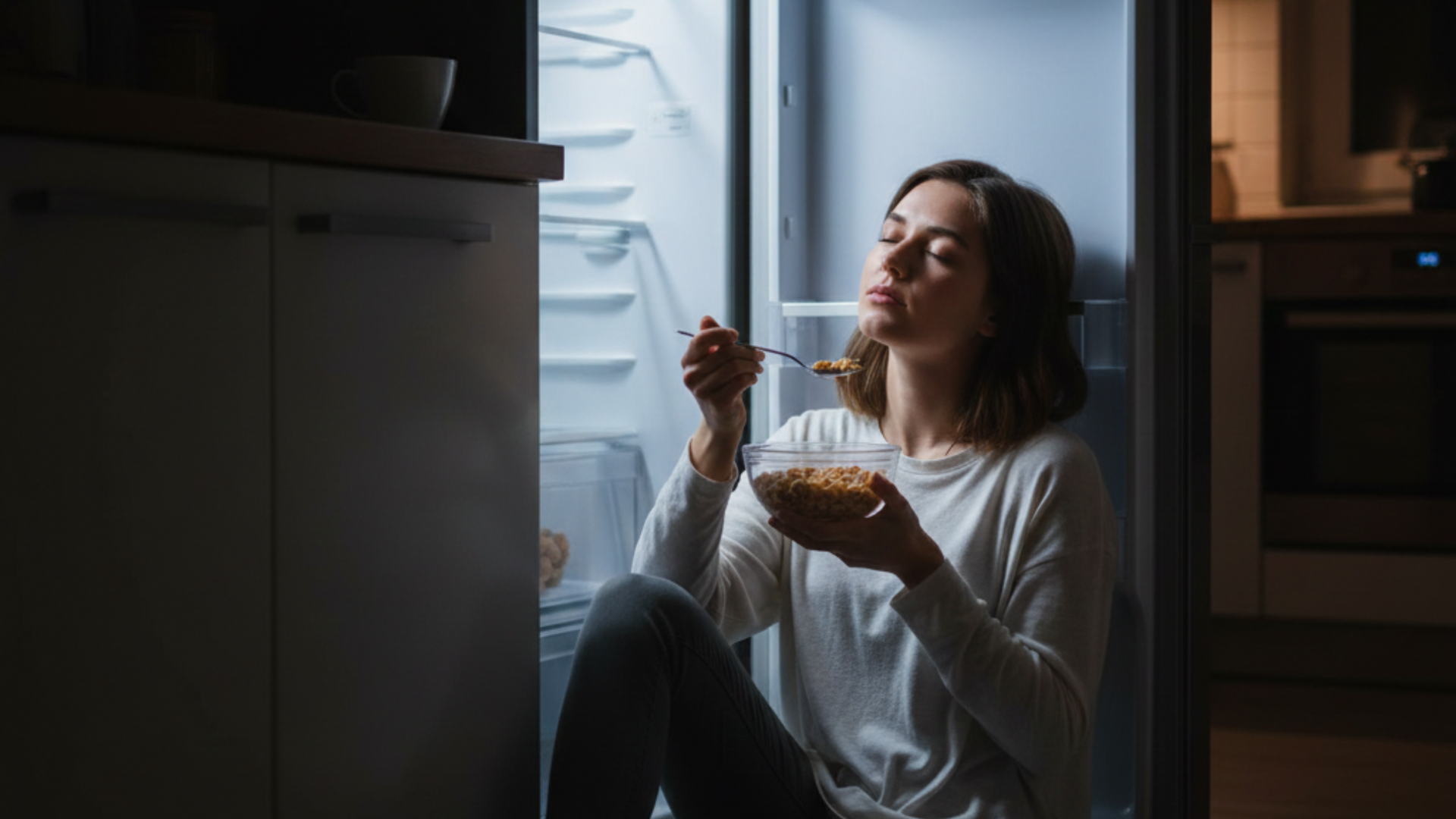

Sleep is meant to be a time of rest, recovery, and peace. But for some people, the night brings on a strange and often distressing behavior: eating while asleep. Known as Sleep Eating Disorder, this condition is more than just a late-night snack craving, it’s a complex sleep disorder that can have serious health consequences if left untreated.
In this post, we’ll break down what Sleep Eating Disorder is, explore its causes and symptoms, and offer guidance on how to manage or treat it effectively.
What is Sleep Eating Disorder?
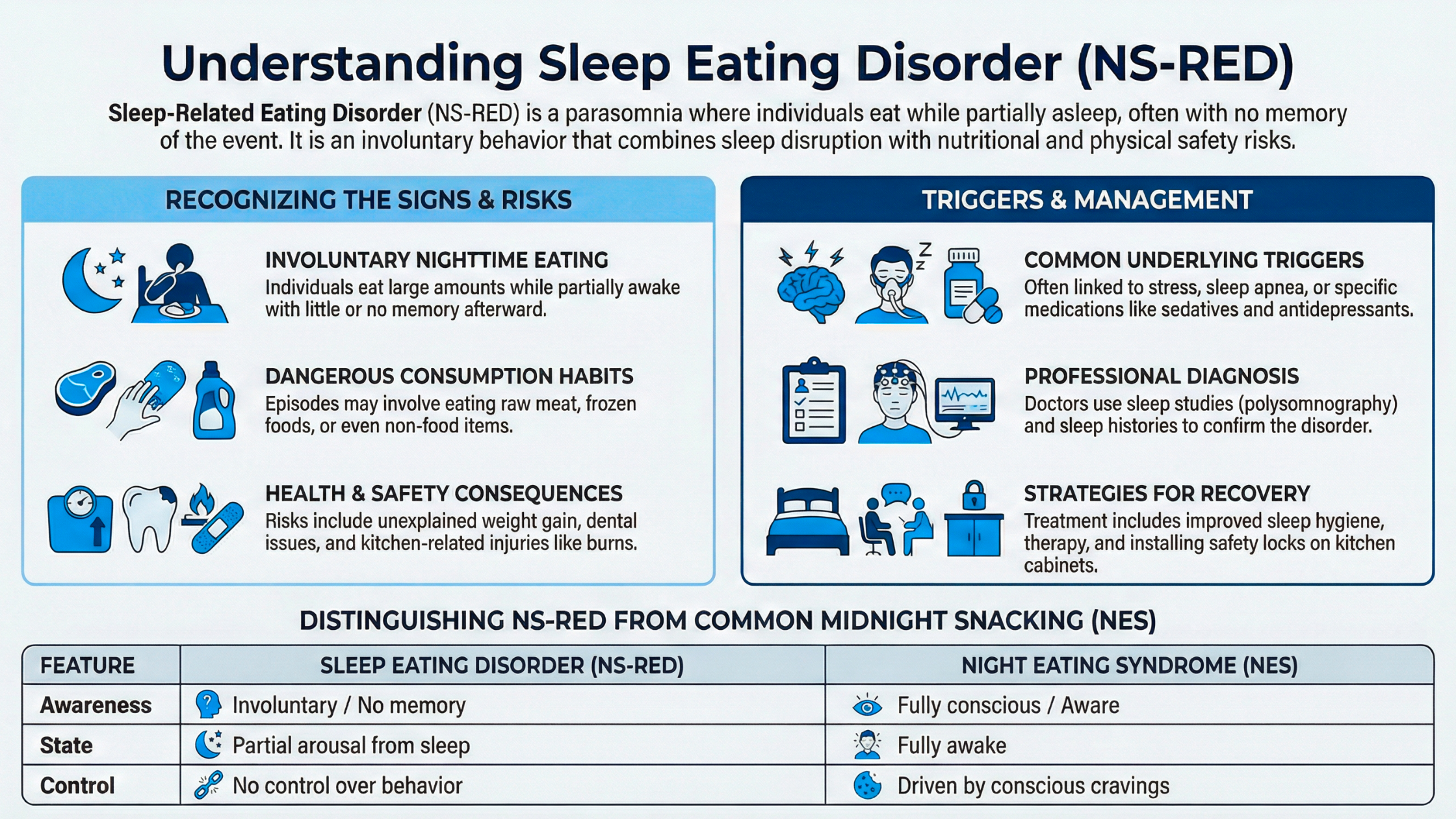
Sleep Eating Disorder, also known as Nocturnal Sleep-Related Eating Disorder (NS-RED), is a type of parasomnia, a category of sleep disorders that involve unusual behaviors during sleep. In NS-RED, individuals partially wake during the night and eat food – often in large amounts – without being fully aware or conscious of their actions.
Unlike typical midnight snacking, sleep eating is involuntary. Most people don’t remember their nighttime eating episodes and may only discover it through food messes, missing food, or unexplained weight gain.
Symptoms of Sleep Eating Disorder
Symptoms may vary slightly, but the common signs of Sleep Eating Disorder include:
- Frequent episodes of eating during sleep (often multiple times per week)
- Little or no memory of the eating episodes
- Eating unusual or even dangerous substances, such as raw meat, frozen foods, or non-food items
- Weight gain or digestive issues due to poor nighttime nutrition
- Injuries or accidents in the kitchen from navigating while partially asleep
- Daytime fatigue, due to disrupted sleep cycles
It’s important to distinguish Sleep Eating Disorder from Night Eating Syndrome (NES), where individuals are aware and conscious when they eat at night. NS-RED, in contrast, involves partial arousals from sleep with limited awareness.
Causes and Risk Factors
The exact cause of Sleep Eating Disorder is still being researched, but several factors are known to increase the risk:
1. Sleep Disorders
Conditions such as sleepwalking, sleep apnea, and restless legs syndrome (RLS) can contribute to sleep eating behaviors. These disorders disrupt normal sleep patterns and may trigger nighttime awakenings.
2. Medications
Certain medications, particularly sedatives, antidepressants, and sleep aids, can increase the risk of parasomnias, including sleep-related eating.
3. Stress and Mental Health
High levels of stress, anxiety, or depression can disrupt sleep and contribute to the onset of NS-RED. People with eating disorders, such as binge eating disorder or bulimia, are also more vulnerable.
4. Diet and Nutrition
Restrictive dieting or not eating enough during the day can lead the body to seek food during the night, especially if combined with disrupted sleep.
5. Genetics
There may be a hereditary component. People with a family history of parasomnias (like sleepwalking) may be more prone to developing NS-RED.
Dangers and Complications
Though it might seem harmless at first, Sleep Eating Disorder can have serious effects:
- Weight gain due to high-calorie, unbalanced meals during the night
- Poor nutrition from eating processed or non-nutritious foods
- Injuries such as burns, cuts, or falls from cooking or using kitchen appliances while asleep
- Dental issues, especially if sugary foods are consumed and not followed by brushing
- Sleep disruption, leading to fatigue, mood swings, and impaired functioning during the day
Diagnosis and When to Seek Help
If you or a loved one suspect Sleep Eating Disorder, it’s important to consult a sleep specialist or doctor. Diagnosis may involve:
- A detailed medical and sleep history
- Sleep studies (polysomnography) to observe behavior during sleep
- Food diaries or video monitoring at home
- Evaluation for co-existing conditions, such as depression or binge eating disorder
Treatment Options
Treatment depends on the underlying cause but often includes a combination of the following:
1. Lifestyle Changes
- Maintain a consistent sleep schedule
- Avoid caffeine, alcohol, and large meals before bed
- Improve sleep hygiene, such as reducing screen time before sleeping
2. Medication Adjustments
If medications are causing or worsening the condition, a doctor may adjust dosage or prescribe alternatives.
3. Therapy and Counseling
Cognitive Behavioral Therapy (CBT) can help manage emotional triggers and stressors. If an eating disorder or psychological condition is present, therapy is often a crucial component.
4. Nutritional Support
A dietitian can help establish balanced eating habits during the day to reduce nighttime hunger and food cravings.
5. Safety Measures
Install safety locks on kitchen cabinets or remove dangerous items. Motion-activated alarms or lights can alert you to nighttime activity.
Living with Sleep Eating Disorder
Managing Sleep Eating Disorder can be challenging, but with the right combination of treatment, awareness, and support, many people find relief. Monitoring your sleep habits, addressing emotional and physical health, and working with medical professionals can make a significant difference in reducing episodes and improving your overall well-being.
Final Thoughts
Sleep Eating Disorder is a complex condition that blurs the lines between sleep and wakefulness, often leaving individuals confused, frustrated, or ashamed. But it’s important to know you’re not alone, and that treatment is available.
If you suspect you or someone close to you may be experiencing NS-RED, don’t hesitate to reach out for professional help. Sleep is essential to our health, and reclaiming restful nights is possible with the right approach.
Take the Next Step Toward Restful Nights 🌙
Struggling with nighttime eating or disrupted sleep? Take our quick Cenario Quiz to discover what might be triggering your symptoms and get a personalized supplement recommendation, specially designed to support better sleep and reduce unwanted nighttime behaviors.
Take the Quiz Now and start your journey to healthier nights and brighter days.
Frequently Asked Questions
1. Is sleep eating the same as night eating syndrome?
No, they are different conditions. Sleep Eating Disorder (NS-RED) involves eating while in a state of partial sleep, often with no memory of the event. In contrast, Night Eating Syndrome (NES) involves conscious eating during the night, often due to cravings or emotional distress, and individuals are fully aware of their actions.
2. Can children have Sleep Eating Disorder?
Yes, although it’s more common in adults, children can also experience sleep-related eating behaviors, especially if they have a history of sleepwalking or other parasomnias. It’s important to monitor their nighttime habits and consult a pediatric sleep specialist if you suspect the disorder.
3. Is Sleep Eating Disorder curable?
While there’s no universal “cure,” Sleep Eating Disorder is manageable with the right treatment. Lifestyle changes, therapy, medication adjustments, and proper sleep hygiene can significantly reduce or eliminate episodes over time. Early diagnosis improves treatment outcomes.