
Understanding Sleep Apnea and Why Sleep Hygiene Matters
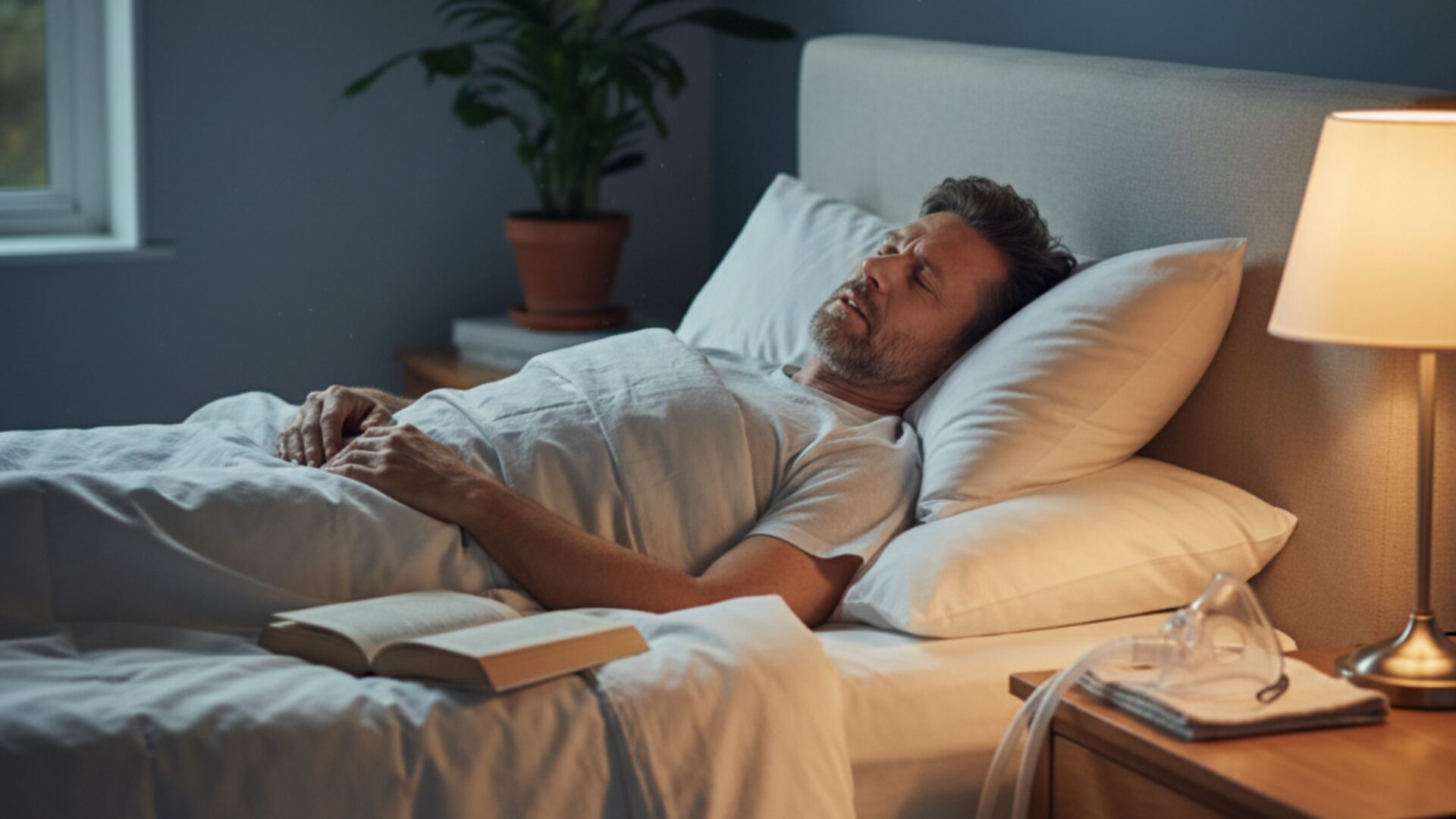
Sleep apnea is one of the most common sleep disorders, affecting millions of people around the world. It disrupts your breathing during sleep, often causing loud snoring, gasping, or choking sounds. These repeated interruptions can lead to poor sleep quality and serious health issues if left untreated. While medical treatments like continuous positive airway pressure (CPAP) therapy are the cornerstone of managing sleep apnea, good sleep hygiene can play a powerful supporting role.
What Is Sleep Apnea?
Sleep apnea is a disorder in which breathing repeatedly stops and starts during sleep. The most common type is obstructive sleep apnea, which occurs when the throat muscles relax and block the airway. People with sleep apnea often experience daytime sleepiness, loud snoring, and trouble concentrating. If untreated, it can lead to serious complications such as high blood pressure, heart disease, and increased risk of accidents due to fatigue.
What Is Sleep Hygiene?
Sleep hygiene refers to the daily habits and practices that help you fall asleep faster, stay asleep, and wake up feeling refreshed. These habits include maintaining regular sleep schedules, avoiding stimulants before bedtime, and creating a relaxing sleep environment. While sleep hygiene won’t cure sleep apnea on its own, it can support other treatments for sleep apnea and improve overall sleep quality.
Key Sleep Hygiene Practices for People With Sleep Apnea
1. Stick to a Regular Sleep Schedule
A consistent bedtime and wake-up time, even on weekends can regulate your body’s internal clock and improve the quality of your sleep. A stable schedule helps people with sleep apnea adjust better to therapies like CPAP and oral appliance therapy.
2. Create a Comfortable Sleep Environment
Your bedroom should be a peaceful place that promotes sleep. To practice good sleep, make sure your room is cool, dark, and quiet. Use blackout curtains, earplugs, or a white noise machine if needed. Invest in a mattress and pillows that support proper neck and spine alignment to help reduce snoring and sleep apnea symptoms.
3. Avoid Stimulants and Heavy Meals
Caffeine, nicotine, and alcohol can disrupt your ability to fall asleep faster and stay asleep. Avoid these, especially in the evening. Alcohol, in particular, can worsen obstructive sleep apnea by relaxing throat muscles too much, making it harder to breathe properly.
4. Follow a Calming Bedtime Routine
Wind down with calming activities before bed, like reading, stretching, or taking a warm bath. Avoid screens, as the blue light can interfere with melatonin production. A peaceful routine helps signal to your body that it’s time to sleep.
5. Limit Daytime Naps
Although daytime naps can be tempting if you’re tired, they can interfere with nighttime sleep. If you must nap, keep it short (20–30 minutes) and early in the afternoon.
How Sleep Hygiene Complements Medical Treatment for Sleep Apnea
Combining Hygiene With Medical Therapies
Medical devices like continuous positive airway pressure (CPAP) machines and oral appliance therapy are essential in treating sleep apnea. However, these treatments can be even more effective when paired with healthy sleep habits. For example, patients who maintain a regular sleep schedule and avoid alcohol before bed often report better success with CPAP therapy.
Supporting Lifestyle Changes
Along with good sleep hygiene, other lifestyle changes can help reduce sleep apnea symptoms:
- Weight loss: Extra weight can increase the severity of sleep apnea.
- Physical activity: Regular exercise improves sleep quality and supports weight management.
- Healthy diet: Reducing alcohol and processed foods can help reduce inflammation and improve breathing at night.
These changes, combined with hygiene and medical treatments, offer a comprehensive approach to managing sleep apnea.
What Science and Experts Say About Sleep Hygiene for Sleep Apnea
According to organizations like the NIH and Sleep Foundation, sleep hygiene is not a cure for sleep apnea, but it plays a critical supportive role. Clinical studies show that while sleep hygiene improves overall sleep quality, it must be combined with treatment for sleep apnea, such as CPAP or oral appliances, for the best outcomes.
If you suspect you have sleep apnea, a home sleep test can help diagnose the condition. Untreated sleep apnea can lead to dangerous complications, so it’s important to seek professional help.
Real-Life Success: How Patients Improve With Combined Approaches
Many people with sleep apnea find that adopting healthy sleep habits helps them feel more comfortable using CPAP machines. For instance, one patient who avoided caffeine in the evening and followed a relaxing bedtime routine found it easier to fall asleep while wearing the CPAP mask, leading to improved sleep and fewer symptoms of daytime sleepiness.
Limitations of Sleep Hygiene Alone
Although improving your sleep hygiene is important, it cannot replace medical treatment. Sleep apnea is a serious medical condition with underlying physical causes. Relying only on sleep hygiene without proper medical support could lead to continued daytime sleepiness, increased risk of high blood pressure, and long-term health risks.
Conclusion: A Multifaceted Approach for Better Sleep
Managing sleep apnea requires a holistic strategy. While medical treatments like CPAP and oral appliance therapy address the root cause, good sleep hygiene supports these therapies and improves sleep quality. When combined with lifestyle changes such as physical activity and weight loss, you can take meaningful steps toward better sleep and better health.
If you’re experiencing sleep apnea symptoms, consult your doctor to get a home sleep test and begin your personalized treatment plan. To further support your sleep journey, Take the Cenario quiz for a personalized supplement recommendation based on your unique needs, because better sleep starts with the right support.
Frequently Asked Questions
Can good sleep hygiene cure sleep apnea?
No, good sleep hygiene can’t cure sleep apnea, especially obstructive sleep apnea. However, healthy habits like regular sleep schedules and avoiding stimulants can improve sleep quality and support treatments like CPAP or oral appliance therapy.
Are daytime naps okay for people with sleep apnea?
Yes, short daytime naps (20–30 minutes) can help reduce daytime sleepiness. Just avoid long or late naps, as they can disrupt your nighttime sleep and worsen sleep apnea symptoms.
How does physical activity help with sleep apnea?
Physical activity can reduce the severity of obstructive sleep apnea by supporting weight loss and improving sleep quality. When combined with CPAP and good sleep hygiene, it enhances treatment results.
Does sleeping position affect sleep apnea symptoms?
Yes, your sleeping position can significantly impact sleep apnea severity. Sleeping on your back may worsen symptoms by allowing the tongue and soft tissues to obstruct the airway. Side sleeping is often recommended, as it helps keep the airway open and can reduce snoring and apnea events.
Absolutely. Stress and anxiety can lead to poor sleep quality and may increase the frequency of apnea episodes. Managing stress through relaxation techniques like meditation, deep breathing, or mindfulness as part of your sleep hygiene routine can support better sleep and improve the effectiveness of medical treatments.
.