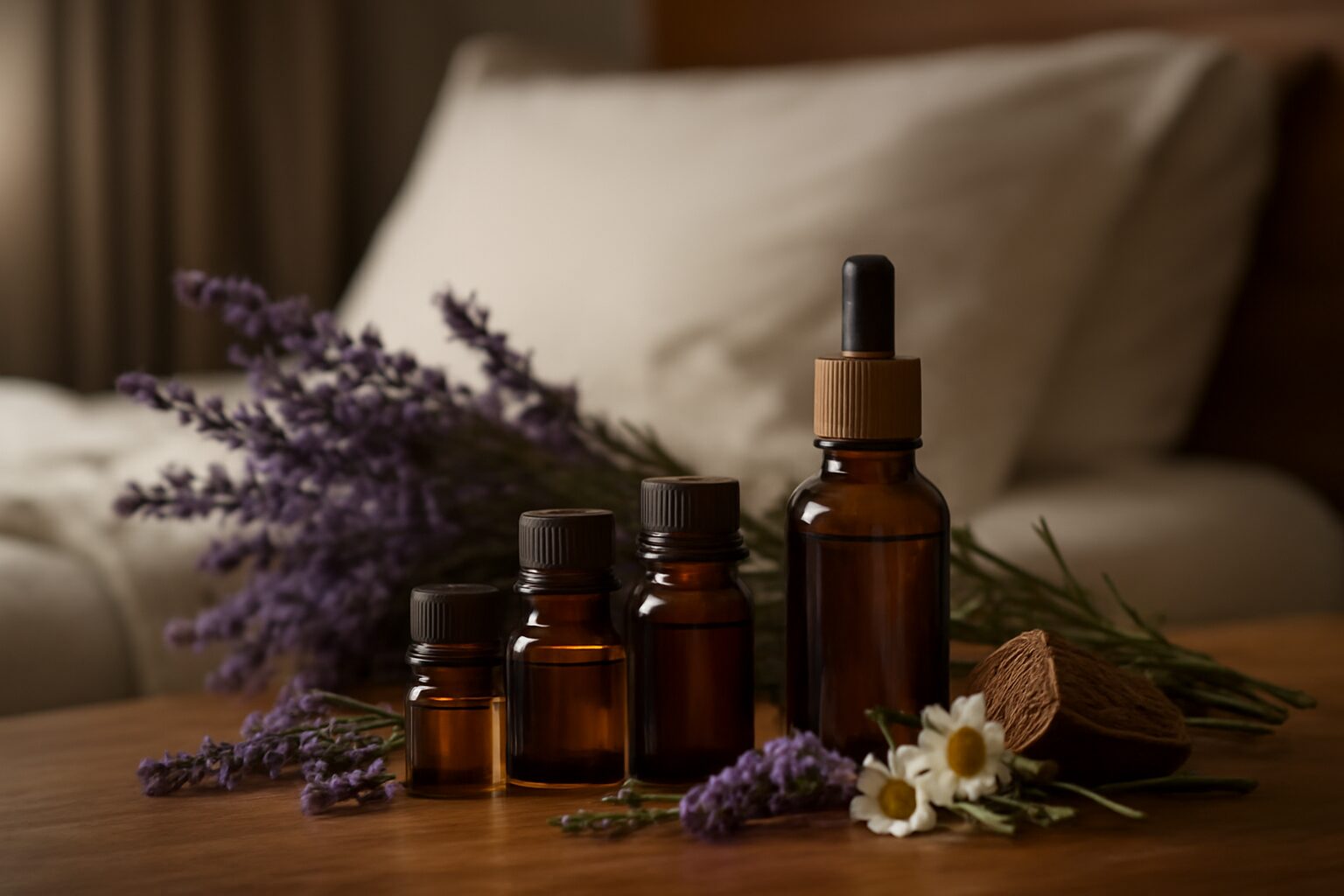

Exploring the blend of essential oils for sleep
In today’s fast-paced world, many people find themselves in a constant battle for quality sleep. Amid the hustle and bustle, the quest for a restful night has become a universal struggle, leading to a growing interest in natural remedies. Among these, the use of essential oils stands out as a time-tested, aromatic solution for enhancing sleep quality. The calming and soothing properties of essential oils have been cherished for centuries, offering a fragrant pathway to tranquility and rest.
Exploring the blend of essential oils for sleep
At the heart of this natural remedy lies the blend of essential oils for sleep, a powerful combination designed to address various sleep issues. Whether you’re dealing with stress, anxiety, or hormonal imbalances, these carefully curated blends can help you find the peace and relaxation needed for a good night’s sleep. The versatility of essential oils allows for both DIY recipes and pre-formulated blends, catering to different preferences and needs.
The importance of sleep for overall well-being
Sleep plays a critical role in maintaining overall health and well-being. It is during sleep that the body repairs itself, the brain processes information, and energy is restored. Unfortunately, sleep disturbances are becoming increasingly common, leading many to seek natural remedies as a solution. Essential oils, with their calming and sedative properties, have become a popular choice for those looking to improve their sleep quality without the use of pharmaceuticals.
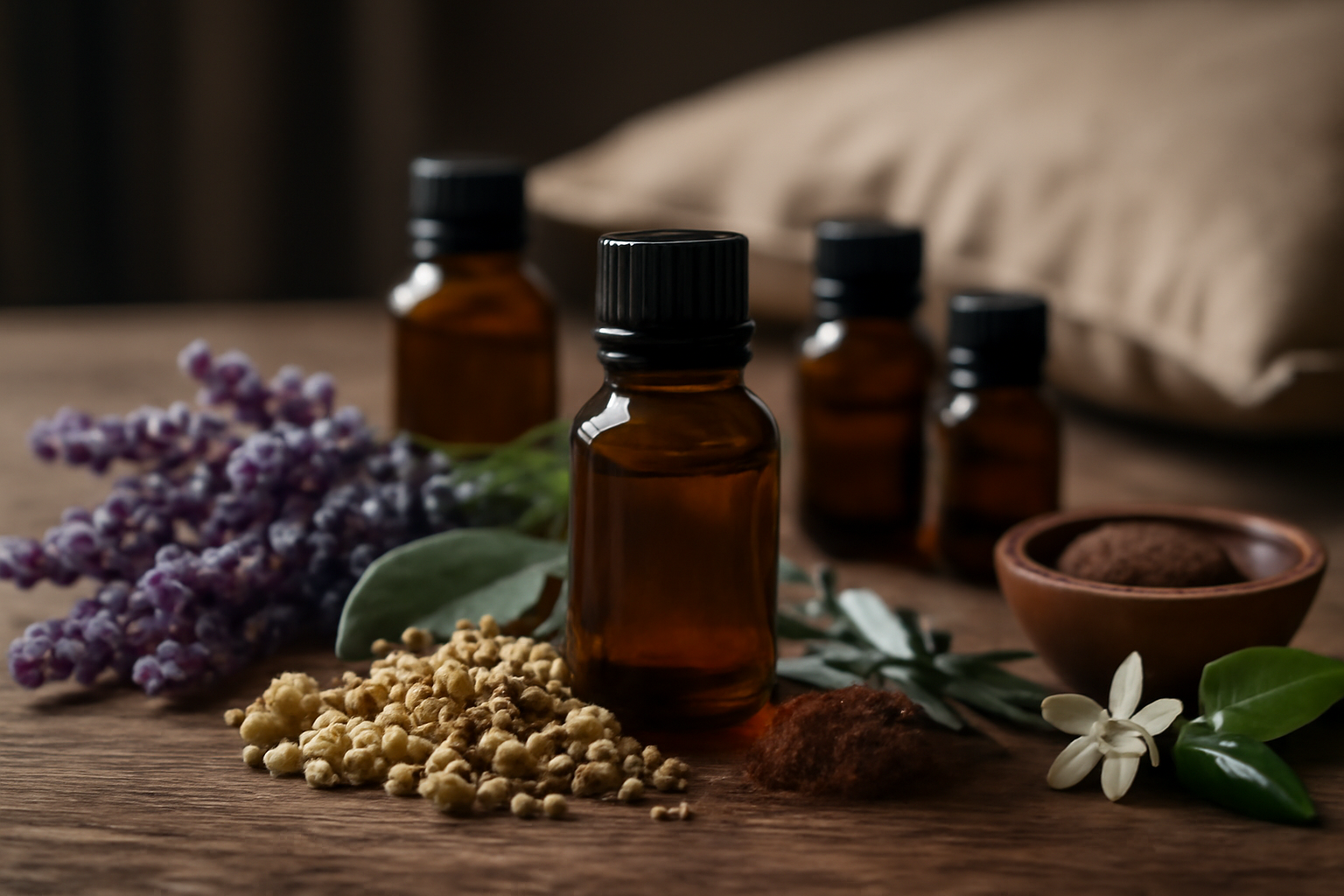
As we delve deeper into the world of essential oils, we will explore the key players in sleep-enhancing blends, the benefits of popular combinations, and the scientific backing that supports their use. Whether you’re interested in crafting your own blends or discovering pre-formulated options, the journey to restful nights begins with understanding the magic of essential oils.
Essential oils for sleep: key players
When it comes to crafting the perfect blend of essential oils for sleep, certain oils stand out for their potent relaxation properties. Lavender is perhaps the most renowned, celebrated for its ability to promote deep relaxation and improve sleep quality. Scientific studies have consistently supported lavender’s effectiveness in reducing anxiety and enhancing sleep, making it a staple in sleep blends.
Another key player is Roman chamomile, known for its calming effects and its ability to soothe the mind. This oil is particularly beneficial for those who struggle with anxiety-induced insomnia. Similarly, clary sage offers hormone-balancing benefits and helps reduce cortisol levels, the stress hormone that can interfere with sleep. By stabilizing mood and reducing stress, clary sage can significantly enhance sleep quality.
Cedarwood is another essential oil that deserves attention. It contains cedrol, a compound with sedative properties that can help quiet an overactive mind and promote restful sleep. Additionally, vetiver and neroli are known for their grounding and emotionally stabilizing effects, making them excellent choices for those seeking a peaceful slumber.
Popular blends and their benefits
Creating a blend of essential oils for sleep involves combining oils that complement each other’s properties. One popular DIY blend for hormone-related sleep issues includes 4 drops of lavender, 2 drops of sandalwood, and 2 drops of clary sage. This combination is designed to tackle insomnia linked to hormonal imbalances, providing both relaxation and hormonal support.
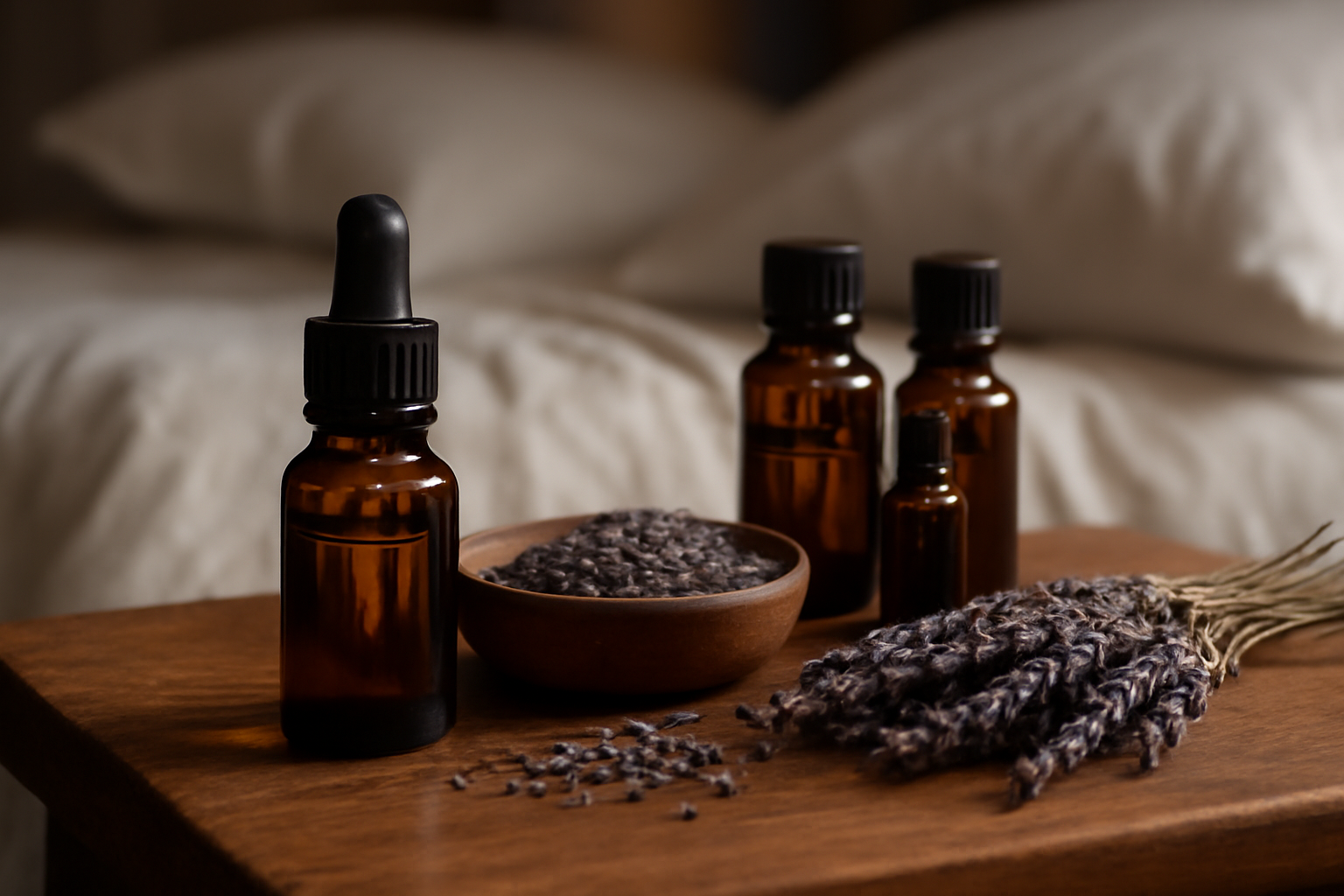
For those seeking a spa-like relaxation experience, the spa/relaxation blend is an excellent choice. This blend uses 2 drops each of lavender, vetiver, palmarosa, and rose to create a serene atmosphere that encourages relaxation and stress relief.
The sweet dreams blend is another simple yet effective recipe, consisting of 3 drops of lavender and 2 drops of sweet marjoram. This blend is perfect for easing tension and promoting a restful night’s sleep without the need for complex ingredients.
Scientific backing
The use of essential oils for sleep is not just based on anecdotal evidence; there is a growing body of scientific research supporting their effectiveness. Studies have shown that the sedative effects of oils like lavender and cedarwood can significantly improve sleep quality by reducing anxiety and promoting relaxation. These oils work by influencing the limbic system, the part of the brain that controls emotions and the stress response, thereby facilitating a state of calm conducive to sleep.
Furthermore, oils like clary sage have been shown to reduce cortisol levels, helping to alleviate stress and balance hormones. This hormonal regulation is crucial for those whose sleep disturbances are linked to hormonal changes or imbalances.
As we continue exploring the world of essential oils, it’s clear that these natural remedies offer a promising solution for those seeking to improve their sleep quality. Whether you choose to create your own blends or opt for pre-formulated options, understanding the properties and benefits of each oil is key to unlocking the secret to restful nights.
In the next section, we’ll delve into the practical application of these oils, comparing DIY blends with pre-formulated options and offering tips for safe and effective use. Stay tuned to discover more about how essential oils can transform your sleep routine.
DIY versus pre-formulated blends
When it comes to incorporating a blend of essential oils for sleep into your nightly routine, you have two main options: crafting your own DIY blend or opting for a pre-formulated mix. Each approach has its unique benefits, catering to different preferences and needs.
Creating a DIY blend allows for personalization. You can tailor the blend to your specific sleep concerns, whether it’s stress, anxiety, or hormonal imbalances. This approach also provides the flexibility to experiment with different combinations and discover what works best for you. However, it requires a bit of knowledge about essential oils and their properties, as well as the patience to perfect your blend.
On the other hand, pre-formulated blends offer convenience and the expertise of certified aromatherapists. These ready-made options are crafted with precision, ensuring a balanced combination of oils that work synergistically to promote restful sleep. They save time and eliminate the guesswork, making them an attractive choice for those new to essential oils or those who prefer a hassle-free solution.
Practical application tips
To reap the full benefits of your chosen blend of essential oils for sleep, it is crucial to apply them correctly. Diffusing is one of the most popular methods, as it disperses the oils into the air, creating a calming atmosphere in your bedroom. Simply add a few drops of your blend to a diffuser and let it run for about 30 minutes before bedtime.
Topical application is another effective method, provided the oils are properly diluted. Mix your blend with a carrier oil, such as coconut or jojoba oil, and apply it to pulse points like the wrists, neck, and temples. This method allows the oils to be absorbed into the bloodstream, promoting relaxation from within.
Adding essential oils to a warm bath can also enhance your sleep routine. Mix a few drops of your blend with a tablespoon of carrier oil or Epsom salts, then add it to your bathwater. This not only relaxes the body but also prepares the mind for a peaceful night’s sleep.
Regardless of the method you choose, always adhere to safety guidelines. Essential oils should be diluted before topical use to prevent skin irritation. It’s also wise to perform a patch test to check for any allergic reactions, especially if you have sensitive skin.
Frequently Asked Questions
What are the best essential oils for sleep?
Some of the best essential oils for sleep include lavender, Roman chamomile, and clary sage. These oils are renowned for their calming and sedative properties, making them ideal for promoting restful sleep.
How do essential oils promote better sleep?
Essential oils promote better sleep by exerting calming and sedative effects on the body. They work by influencing the limbic system, which regulates emotions and stress responses, helping to create a tranquil environment conducive to sleep.
Can I use essential oils every night?
Yes, you can use essential oils every night, but it is important to use them in moderation. Rotating different oils or blends can help prevent sensitivities and ensure that your body continues to respond well to their effects.
Are there any side effects to using essential oils for sleep?
While essential oils are generally safe, some individuals may experience skin sensitivities or allergic reactions. It’s important to dilute oils properly and perform a patch test before use to avoid any adverse effects.
What should I look for in a pre-formulated blend?
When selecting a pre-formulated blend, prioritize quality and sourcing. Look for blends crafted by certified aromatherapists, as they ensure a balanced and effective combination of oils. Check for transparency in sourcing and manufacturing practices to guarantee the purity and potency of the oils.