
Struggling to fall asleep or stay asleep through the night? You’re not alone. Millions of people suffer from sleep issues, whether it’s difficulty winding down, midnight awakenings, or restless sleep. What if the solution didn’t come from a bottle—but from your own breath, body, and awareness?
Welcome to the world of yoga for better sleep—a natural, effective, and calming way to improve your sleep quality, reduce stress, and create a nighttime ritual that soothes your mind and body.
In this complete guide, you’ll learn why yoga is so effective for sleep, which yoga poses are most beneficial, how to use breathwork to calm the nervous system, and how to create your own bedtime yoga routine—no experience needed.
Why Practice Yoga for Better Sleep?
Unlike high-intensity workouts that can activate your fight or flight response, yoga focuses on relaxation, breath awareness, and mindful movement. These techniques encourage your body to activate its rest and digest mode (also known as the parasympathetic nervous system), which is essential for falling asleep and staying asleep.
The Benefits of Yoga for Sleep
- Reduce stress and quiet the mind after a long day
- Gently release physical tension stored in the back, neck, and hips
- Regulate your breathing and lower your heart rate
- Improve melatonin production and balance cortisol levels
- Calm the nervous system and prepare the body for sleep
What makes it even better? You can get started without needing flexibility or experience. Gentle, beginner-friendly poses can make a difference in how quickly and deeply you relax before bed.
The Science Behind Yoga and Sleep
Numerous studies support the use of yoga for treating insomnia and enhancing sleep quality:
- Researchers at Harvard found that a consistent yoga practice helped insomniacs sleep longer, fall asleep faster, and wake up less frequently.
- Another study in Alternative Therapies in Health and Medicine revealed that regular yoga reduced sleep disturbances and helped participants feel more rested and alert the next day.
The reason? Yoga reduces activity in the sympathetic nervous system, helping to switch off the fight or flight response that keeps you alert, anxious, and wide awake. Instead, it boosts the parasympathetic nervous system, telling your body that it’s safe to relax.
Best Time to Practice Bedtime Yoga
For the best results, try practicing yoga for better sleep about 30 to 60 minutes before bedtime. This helps your body shift into rest mode naturally. Below are 7 simple and effective yoga poses that ease tension, calm your mind, and help you wind down. No fancy equipment needed—just a comfortable space, a mat or soft surface, and a few pillows or cushions.
The Best Beginner-Friendly Yoga Poses for Better Sleep
You don’t need to be flexible or experienced to practice these poses. Anyone can do these poses—they’re simple, soothing, and perfect for winding down.
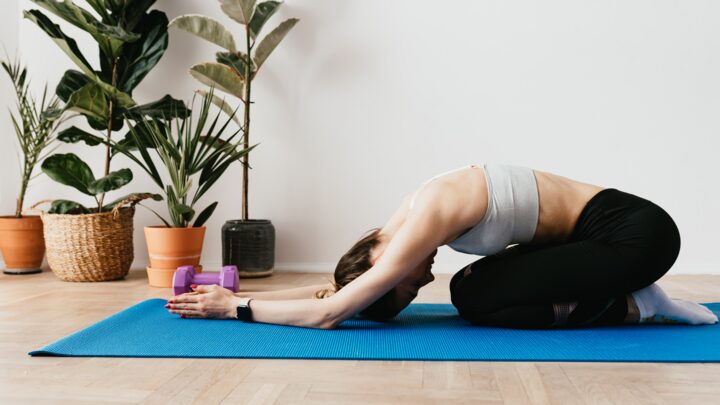
1. Child’s Pose (Balasana)
A deeply calming pose that grounds the body and stills the mind.
How to do it:
- Kneel on the floor with your toes touching and knees wide apart.
- Sit your hips back toward your heels.
- Extend your arms forward, resting your forehead on the mat.
- Let your belly soften between your thighs.
- Breathe deeply, feeling your back expand with each inhale.
Hold for 2–3 minutes.
Why it works:
- Gently stretches the spine and hips
- Helps release stored tension
- Grounds the mind and body after a busy day
2. Legs Up the Wall (Viparita Karani)
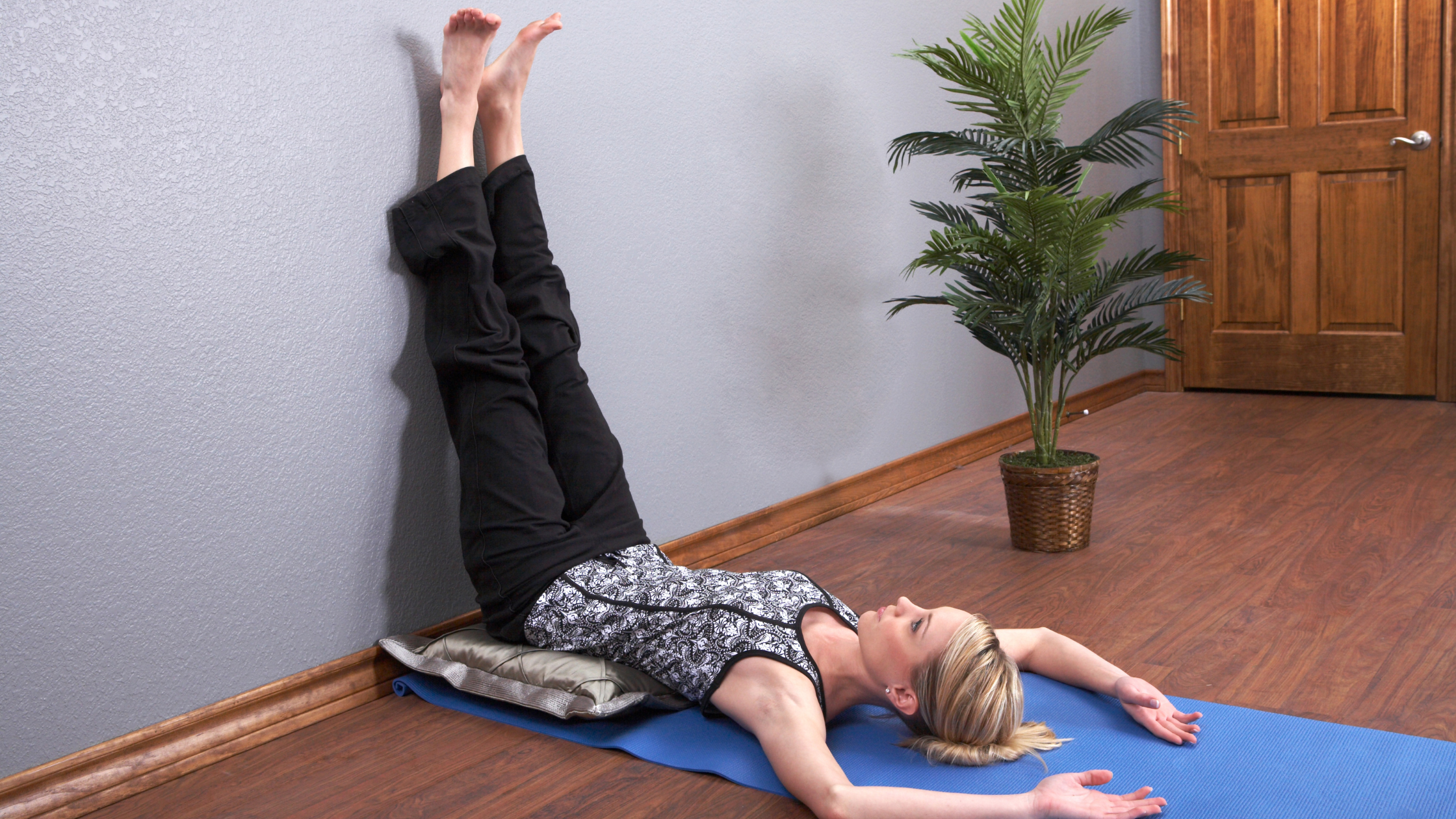
One of the most effective yoga poses for promoting relaxation and improving circulation.
How to do it:
- Sit sideways against a wall.
- Gently lie back as you swing your legs up the wall, forming an “L” shape.
- Place a cushion under your hips for support if needed.
- Let your arms rest by your sides, palms up.
- Breathe deeply and close your eyes.
Stay in this position for 5–10 minutes.
Why it works:
- Reduces swelling in the feet and legs
- Calms the nervous system
- Alleviates tension from standing or sitting all day
3. Reclining Bound Angle Pose (Supta Baddha Konasana)
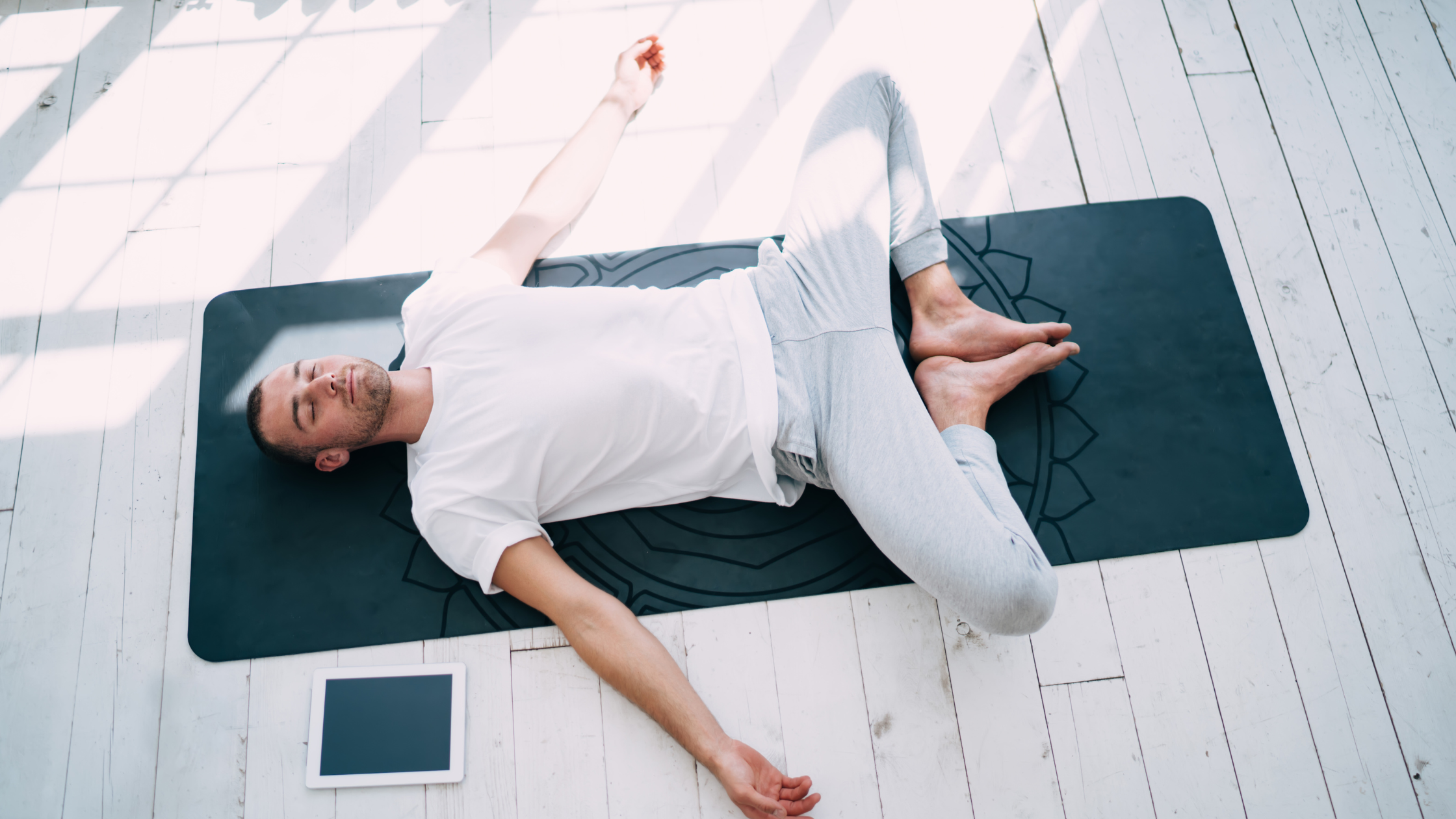
A passive, restorative pose that opens the hips and promotes deep rest.
How to do it:
- Lie on your back and bring the soles of your feet together.
- Allow your knees to fall open like butterfly wings.
- Bend your knees comfortably and support them with pillows if needed.
- Place one hand on your heart, the other on your belly.
Hold for 3–5 minutes, focusing on your breath.
Why it works:
- Encourages deep hip opening
- Activates the parasympathetic nervous system
- Fosters emotional release and relaxation
4. Seated Forward Fold (Paschimottanasana)
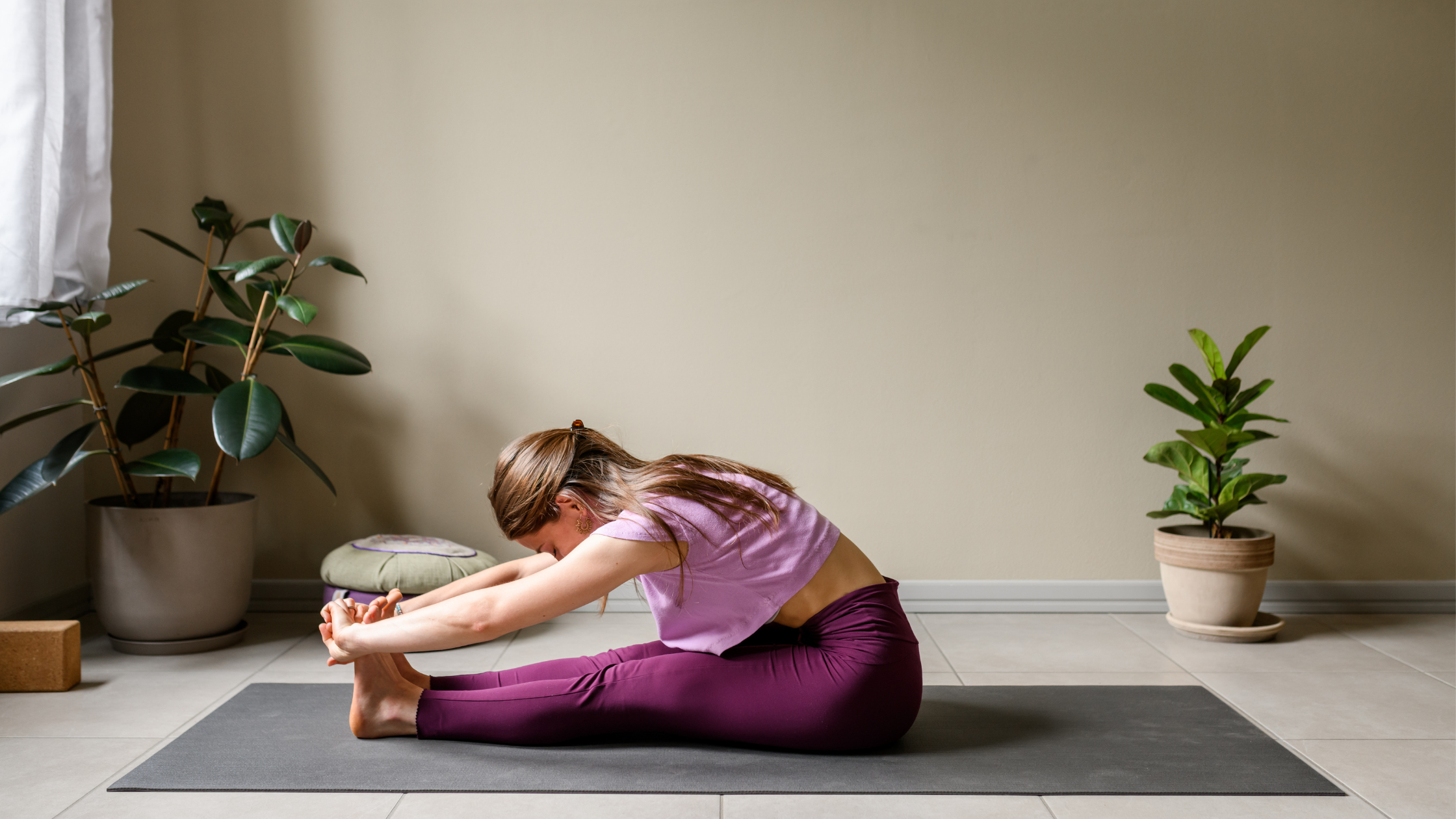
This introspective pose helps turn your attention inward and release lower back tightness.
How to do it:
- Sit on the floor with your legs extended.
- Inhale and lengthen your spine.
- Exhale and fold forward from the hips, reaching for your feet or shins.
- Slightly bend your knees to ease into the stretch if needed.
Hold the pose for 2–3 minutes, allowing the head and neck to relax naturally toward the floor.
Why it works:
- Stretches the spine and hamstrings
- Calms the mind
- Prepares the body for stillness
5. Cat-Cow Stretch (Marjaryasana-Bitilasana)
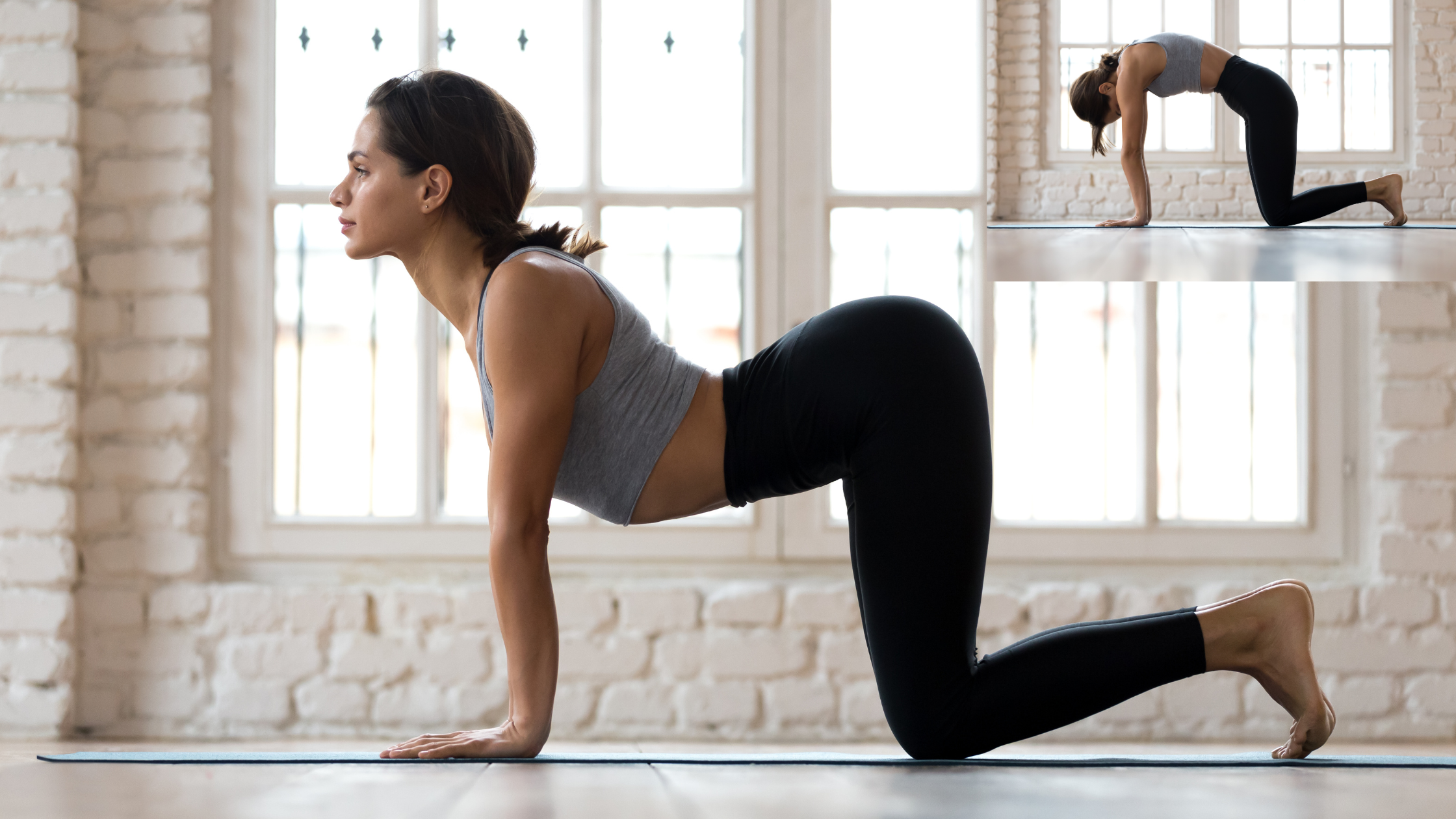
This gentle flow relieves spinal tension and connects movement with breath.
How to do it:
- Start on your hands and knees.
- Inhale: Arch your back, lift your chest and tailbone (Cow Pose).
- Exhale: Round your spine and tuck your chin (Cat Pose).
- Move slowly with your breath.
Repeat for 1–2 minutes.
Why it works:
- Warms up the spine
- Relieves built-up tension
- Synchronizes body and breath
6. Supine Spinal Twist (Supta Matsyendrasana)
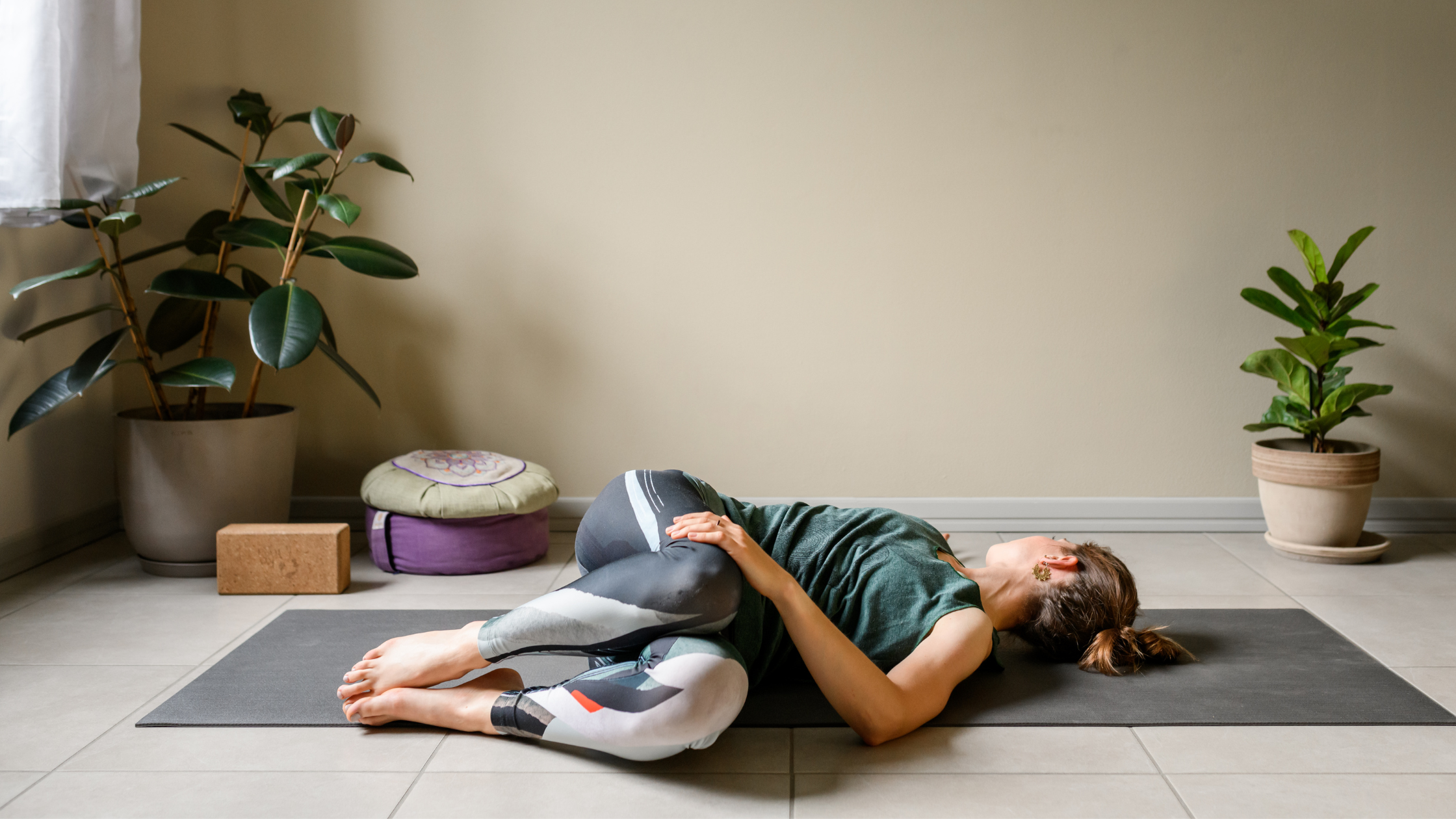
A grounding pose that helps detoxify and realign the spine.
How to do it:
- Lie on your back.
- Bend your knees and draw the right knee across the body toward the left side.
- Extend the right arm out and look toward it.
- Keep both shoulders on the mat and breathe deeply.
Hold for 1–2 minutes each side.
Why it works:
- Releases spinal tension
- Supports digestion
- Prepares your body to fall asleep
7. Corpse Pose (Savasana)
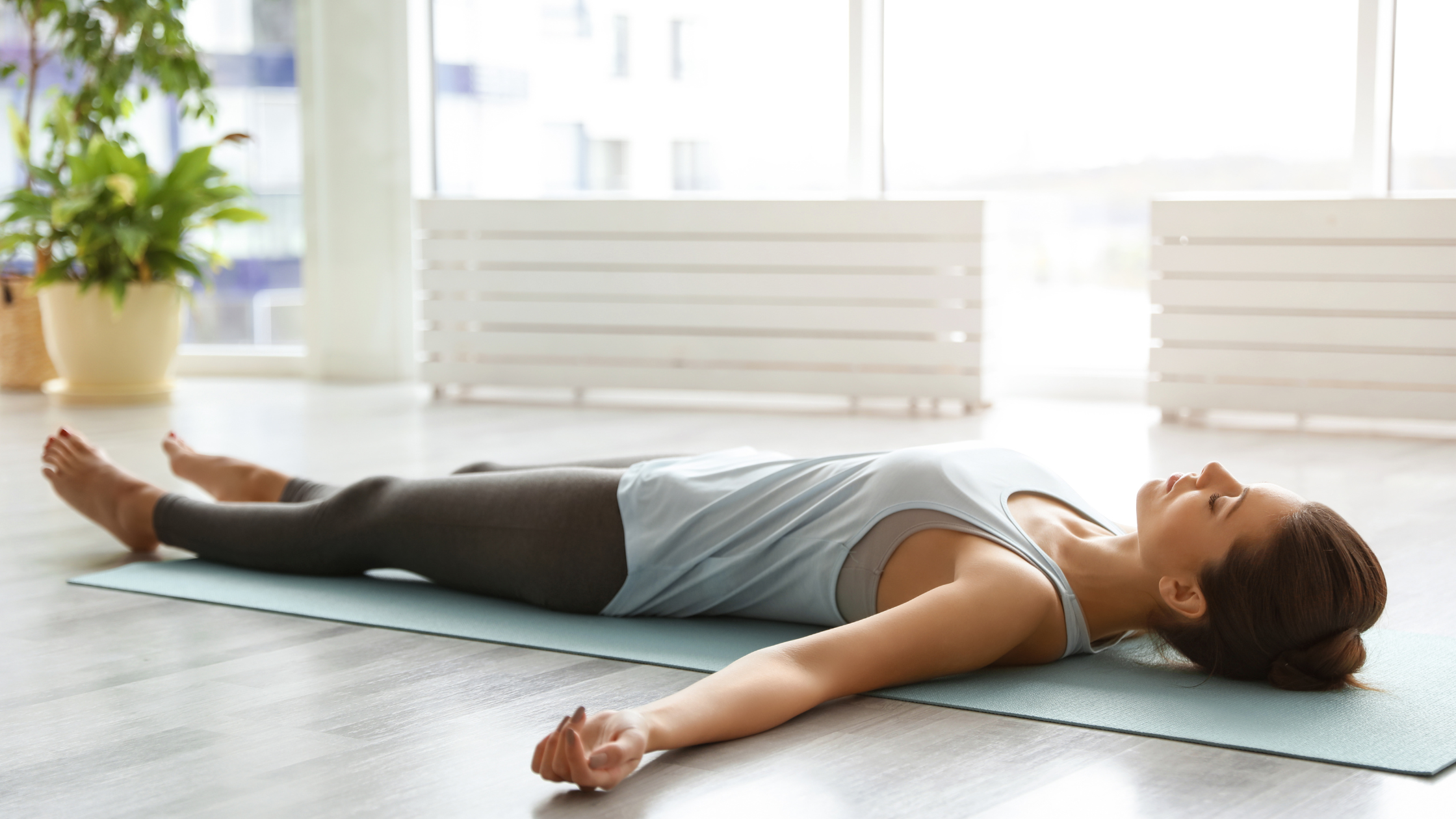
The ultimate relaxation pose that completes every good yoga practice.
How to do it:
- Lie flat on your back with arms at your sides.
- Let your legs fall open naturally.
- Close your eyes and bring your awareness to your breath.
- Mentally scan your body, softening each area.
Stay here for 5–10 minutes.
Why it works:
- Resets the nervous system
- Anchors your body in deep rest
- Signals that it’s time to fall asleep
Bonus: Breathing Technique to Enhance Sleep
This breath technique works fast to calm the mind and relax the body:
- Inhale through your nose for 4 seconds
- Hold your breath for 7 seconds
- Exhale slowly through your mouth for 8 seconds
- Repeat for 4–6 cycles
Use this after your yoga practice or while lying in corpse pose to deepen your state of rest.
Tips for Building a Long-Term Yoga Sleep Ritual
- Set the mood: Use dim lighting, calming scents (like lavender), and soft music.
- Be consistent: Make bedtime yoga part of your nightly ritual—even 10 minutes helps.
- Wear cozy clothes: Comfort is key for relaxation.
- Unplug early: Avoid screens at least 30 minutes before you start.
- Combine yoga and meditation: Add a few minutes of breathwork or mindfulness after your yoga poses.
Final Thoughts: Why Yoga for Better Sleep Works
When you bring together mindful movement, breath awareness, and intentional relaxation, something powerful happens—your body learns how to let go. Yoga for better sleep isn’t just about stretching—it’s about letting go, clearing your mind, and getting real, restful sleep.
Whether it’s through child’s pose, legs up the wall, or simply learning how to breathe deeply, this practice invites your body to relax and your mind to unwind.
So tonight, skip the scrolling and unroll your mat instead. Give yourself the gift of presence, stillness, and healing sleep.
👉 Take our quick quiz to discover which natural remedies are best for your body.
👉 Download our e-book: The Deep Sleep Manual—your comprehensive guide to understanding common sleep issues and learning practical strategies to overcome them naturally.
Frequently Asked Questions
How long should I practice yoga before bed to improve sleep?
Even 10–15 minutes of gentle, restorative yoga before bed can make a noticeable difference. Longer sessions (30–45 minutes) may provide deeper relaxation, but consistency matters more than duration.
Do I need to be flexible to benefit from bedtime yoga?
Not at all. Yoga for sleep focuses on calming the nervous system, not on intense stretching. Most poses are restorative, beginner-friendly, and can be easily adapted with props like pillows or blankets.
Can yoga replace other treatments for insomnia?
Yoga is a supportive practice that can significantly improve sleep quality, but it’s not a replacement for medical treatment if you have chronic insomnia or an underlying health condition. For best results, combine yoga with healthy sleep habits and consult a healthcare professional if sleep problems persist.