
Finding the best supplements for attention and focus is a common goal for people juggling work, school, and busy home lives. Daily demands, poor sleep, chronic stress, and medical conditions such as ADHD can make it hard to concentrate. Many readers want clear, evidence-based options that help sharpen attention without causing new problems.
Understanding Attention And Focus Needs
Attention and focus are not fixed traits. They change with lifestyle, age, and health. Nutrition, sleep, exercise, and mental health all affect how well you concentrate. For some people, lifestyle changes are enough. Others look to supplements to fill gaps in diet or to support brain function during demanding periods.
When evaluating supplements, it helps to separate two goals. One goal is short term improvement in alertness and mental clarity. The other is long term support for memory, neural health, and resilience to stress. Different ingredients target these goals in different ways. Later sections will explore which options match each need.
The Informational-Commercial Landscape
Searches for the best supplements for attention and focus mix information and shopping intent. Readers want to learn how ingredients work and also to find specific products that deliver results. That creates a crowded landscape. Established brands, niche nootropic makers, and health retailers all publish guides that blend education with product promotion.
This mix affects how you should read content. Some pages prioritize research and ingredient mechanisms. Others highlight proprietary formulas and clinical claims. A clear approach is to look first for transparent ingredient lists, dosing information, and references to clinical trials. That helps separate useful guidance from marketing language.
Why Consider Supplements?
Are supplements effective for improving attention and focus? The short answer is: they can help, but results vary by person and by ingredient. Compounds such as omega-3 fatty acids, certain B vitamins, adaptogens, and herbal nootropics show promise in studies. Many top products combine multiple ingredients to target several pathways at once.
Supplements are not a replacement for medical treatment when attention difficulties stem from a diagnosed condition such as ADHD. They can be complementary tools alongside medication, therapy, and lifestyle changes. In the sections that follow, we will break down the most researched ingredients, explain how they work, and preview leading products that use those ingredients responsibly.
This introduction sets the scene for a practical, evidence-minded guide. Next, we will dive into the specific supplements, their mechanisms, and which formulas are best suited to different needs and budgets.
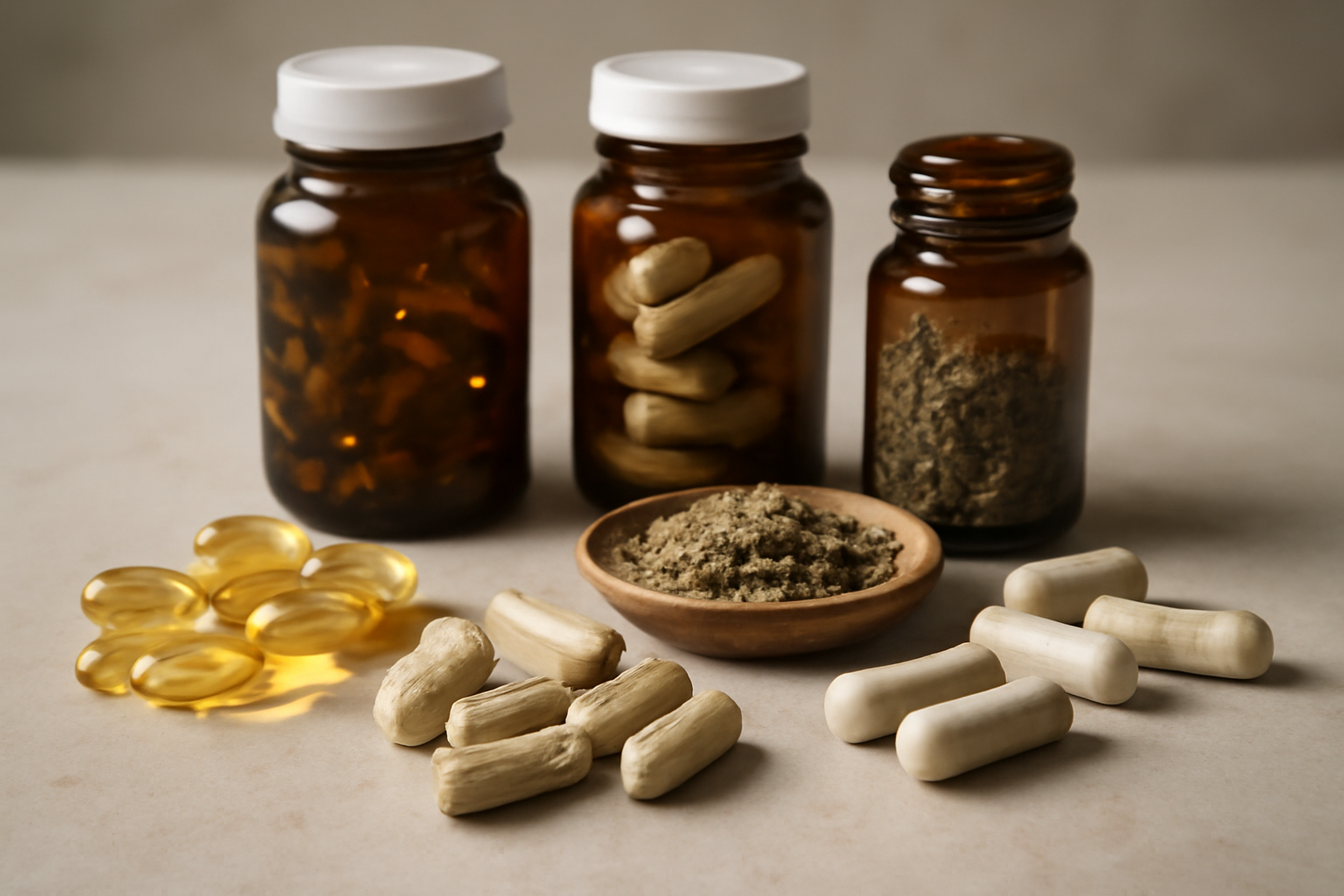
Top supplements for attention and focus: product deep dive
This section looks closely at three leading approaches found in the market: a premium all-in-one nootropic stack, a clinically framed attention formula, and an educational multi-ingredient lineup aimed at broad brain health. Readers seeking the best supplements for attention and focus will find practical details about ingredients, how they work, and who benefits most from each option.
Mind Lab Pro
Mind Lab Pro positions itself as a full-spectrum nootropic. Key ingredients include omega-3 fatty acids, L-theanine, L-tyrosine, rhodiola, and bacopa. The formula targets neurotransmitter balance, stress resilience, and synaptic plasticity all at once.
- How it works: combines precursors for dopamine and norepinephrine with adaptogens and neuroprotective nutrients to improve alertness without jittery stimulation.
- Evidence and pricing: marketed with references to clinical testing on component ingredients. The bundled approach helps some users avoid buying multiple single-ingredient supplements.
- Best for: adults who want a single daily stack for concentration and long-term brain health.
BrainMD attention formula
BrainMD’s attention formula emphasizes clinical framing and clear dosing. Typical components listed are vitamin B6, magnesium, zinc, phosphatidylserine, pycnogenol maritime pine bark extract, and choline sources. The product is presented with separate testing contexts for adults and children.
- How it works: combines micronutrients that support neurotransmitter synthesis with compounds thought to promote neuronal signaling and vascular health.
- Clinical angle: controlled test conditions are often cited to build confidence in measurable attention improvements.
- Best for: families looking for an evidence-oriented product that offers explicit dosing details for different age groups.
Product comparison at a glance
| Product | Primary focus | Key ingredients | Ideal for | Price tier |
|---|---|---|---|---|
| Mind Lab Pro | Concentration and resilience | Omega-3, bacopa, L-theanine, rhodiola | Adults wanting an all-in-one stack | Premium |
| BrainMD attention formula | Attention clarity across ages | B6, magnesium, phosphatidylserine, pycnogenol | Adults and children with dosing options | Mid to premium |
| Life Extension top 10 | Broad cognitive support | B vitamins, magnesium L-threonate, bacopa, L-theanine | People seeking education and targeted picks | Variable |
Life Extension top 10 supplements
Life Extension presents a list-format approach that explains the role of individual nutrients. Typical recommendations include B vitamins, magnesium L-threonate, ashwagandha, bacopa, lutein and zeaxanthin, L-theanine, gotu kola, and acetyl-L-carnitine. This style helps readers match specific ingredients to age-related needs or goals like memory versus short-term attentiveness.
Common ingredients and what they do
- Omega-3 fatty acids: support cell membrane health and reduce inflammation. Studies often use 1 to 2 grams of EPA plus DHA per day.
- Magnesium and B vitamins: important for neurotransmitter production and stress regulation. Typical magnesium trial doses range from 200 to 400 mg daily; B-complex dosing follows recommended daily allowances or slightly above in study settings.
- Bacopa and L-theanine: bacopa is linked to memory and sustained attention in many trials at about 300 mg of extract daily; L-theanine (100 to 200 mg) promotes calm alertness, especially with low-dose caffeine.
Other noteworthy options and selection tips
Gotu kola and acetyl-L-carnitine appear in several curated lists as complementary cognitive enhancers. A few practical selection tips:
- Look for transparent labels with exact doses rather than proprietary blends.
- Prefer third-party testing for purity and potency where available.
- Consider ingredient synergy: combining an omega-3 with magnesium and a calming nootropic may address both concentration and stress-related distraction.
- Factor cost per serving and whether single-ingredient products or a stack better fits your routine.
Choosing the best supplements for attention and focus means matching ingredients and dosing to your goals, age, and existing treatments. Talk with a clinician before starting new supplements, particularly for children or if you take prescription medications.

,
Other Noteworthy Supplements And How To Use Them
Beyond the mainstream formulas, several single ingredients deserve attention for their specific cognitive roles. Citicoline (CDP-choline) supplies bioavailable choline that supports acetylcholine production and attention pathways. Ginkgo biloba may improve blood flow and cognitive speed in some users, though effects are modest and variable. Huperzine A acts as a reversible acetylcholinesterase inhibitor and can boost short-term memory when used carefully. Low-dose caffeine combined with L-theanine is a practical, well-tolerated pairing that sharpens alertness while reducing jitteriness.
Choosing Natural Versus Synthetic Forms
Natural and synthetic versions of the same nutrient can differ in absorption and tolerability. For example, omega-3s come as triglyceride, phospholipid, or ethyl ester forms with different bioavailability profiles. Methylfolate and methylcobalamin are active B vitamin forms that some people absorb better than synthetic folic acid or cyanocobalamin. Consider your health history and look for labels that list specific forms and doses rather than vague terms.
Synergy, Timing, And Cycling
Ingredient synergy often matters more than any single compound. Combining a choline source like citicoline with tyrosine-based precursors can support both attention and motivation. Pair omega-3s with phosphatidylserine or magnesium to address membrane health and stress reactivity together. Timing also helps. Use stimulatory blends or caffeine+L-theanine in the morning for peak performance and choose calming nootropics or magnesium in the evening for recovery. For adaptogens such as rhodiola or ashwagandha, consider cycling periods of use to prevent tolerance and to assess ongoing benefit.
Safety, Interactions, And Special Populations
Safety is key when choosing the best supplements for attention and focus. Some herbs interact with medications. Ginkgo may increase bleeding risk with anticoagulants. Huperzine A can interact with cholinergic drugs. Stimulant-containing products can amplify side effects when combined with prescription ADHD medications. For children, lower doses and pediatric formulations should be used only under professional guidance. Always check with a clinician before adding new supplements, especially if you are pregnant, breastfeeding, taking prescriptions, or managing chronic conditions.
Quality, Label Reading, And Cost Considerations
Look for transparent labels that list ingredient forms and exact doses rather than proprietary blends. Third-party testing from independent labs improves trust in purity and potency. When comparing products, calculate cost per serving and cost per effective dose for key ingredients. Sometimes buying high-quality single-ingredient products and combining them yourself offers better value and dosing control than a premium all-in-one stack. Keep receipts and try one change at a time so you can identify which supplement is helping.
Putting It Into Practice
Start small and be systematic. Pick one or two evidence-backed ingredients aligned with your goal, such as citicoline for lateralized attention or omega-3s for long-term brain health. Track simple metrics like time-on-task, perceived distraction, or a short daily focus score for three to eight weeks. If you notice benefit and no adverse effects, you can consider layering another complementary supplement. Remember that the best supplements for attention and focus work best alongside sleep, nutrition, exercise, and targeted behavioral strategies.
Deciding on a plan can feel overwhelming. If you want a practical next step, choose one well-studied ingredient, confirm product quality, and set a 6-week trial while logging outcomes. Consult your healthcare professional for personalized advice and to rule out underlying causes of poor attention. With a cautious, measured approach you can find combinations that genuinely help you concentrate better.
Ready to try a targeted approach? Pick one evidence-backed option, track your focus, and check in with a clinician. Small, informed steps yield the clearest answers when searching for the best supplements for attention and focus.
Frequently asked questions
What are the best supplements for improving focus quickly?
For short-term improvements, low-dose caffeine paired with L-theanine and a choline source like citicoline are commonly used. These options are among the best supplements for attention and focus when you need a fast, noticeable boost, but effects vary by person.
Can natural supplements replace prescription ADHD medication?
Natural options can complement treatment but are not reliable substitutes for prescribed ADHD medication. When considering the best supplements for attention and focus alongside or instead of medication, always discuss the plan with your prescriber.
How long until I notice results from supplements for attention and focus?
Time to effect depends on the ingredient. Stimulatory blends like caffeine+L-theanine can work within an hour, while omega-3s or herbal nootropics often require 4 to 12 weeks to show benefit. Track progress to judge whether a supplement is helping you personally.