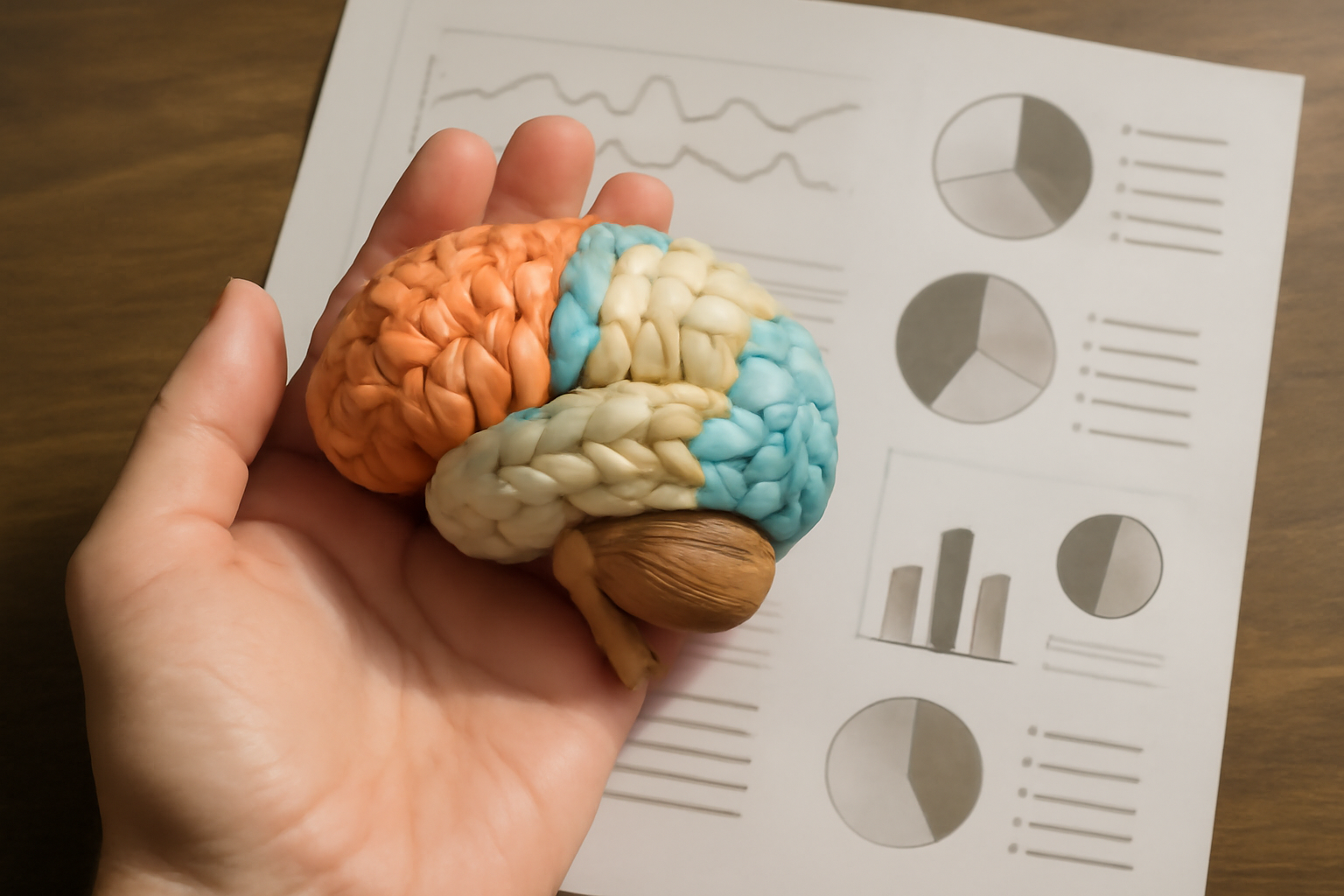

Memory shapes who we are. It lets us learn a language, remember a friend, and plan for tomorrow. A clear breakdown of memory helps us see how the mind encodes, stores, and retrieves the moments that make up daily life. Understanding that process matters for students, professionals, and anyone who wants to improve learning and decision making.
Breakdown Of Memory: An Introduction
In psychology and neuroscience, memory is the set of processes that record experience and allow that information to be used later. At its core, memory is not a single thing. It is a collection of systems and steps that work together to turn a brief impression into a lasting trace. A simple breakdown of memory shows why some events stick and others fade.
Memory builds continuity in our lives. It binds facts, feelings, and skills into a personal narrative. This link between past and present gives us identity and context. When memory works well, we learn from experience. When it falters, daily tasks and relationships can feel harder. A careful breakdown of memory clarifies both strengths and vulnerabilities in these processes.
The nature of memory is both creative and selective. We can remember with striking clarity, and we can forget important details. That dual nature is central to why researchers study memory at many levels. A sound breakdown of memory acknowledges this tension: remembering is essential, and forgetting can be adaptive. Forgetting helps the brain prioritize what matters most.
This introduction sets the stage for a deeper look at how memory operates. Later sections will explain the stages that capture sensory input, hold information briefly, and consolidate it for the long term. We will also explore why traces fade and how the brain balances storage with new learning. For now, the key idea is simple: a structured breakdown of memory turns an abstract skill into a map we can follow.
Knowing the basic outline makes it easier to apply memory insights in study habits, workplace training, and daily routines. If you want to strengthen recall or make sense of memory lapses, start with this breakdown of memory as a framework. The next part of this series will dig into the systems and mechanisms behind these everyday abilities.
Types of memory
A clear breakdown of memory begins with the systems that store information at different timescales. Sensory memory holds raw impressions for fractions of a second. Short-term memory keeps items for seconds to minutes and often serves as working memory for tasks. Long-term memory stores facts, events, and skills for days to decades after consolidation.
Sensory memory
Sensory memory captures visual, auditory, and tactile input immediately. It filters large amounts of data so the brain can decide what to process next. Most impressions vanish unless attention moves them into short-term stores.
Short-term and working memory
Short-term memory has limited capacity. Working memory is the active form used to manipulate information, such as solving a math problem or holding a phone number while dialing. The prefrontal cortex coordinates this sustained activity through persistent neural firing.

Long-term memory and consolidation
Long-term memory results from a multi-step consolidation process. The hippocampus links related items first. Over hours to weeks, cortical networks reorganize to store memories without constant hippocampal support. This process depends on structural changes at synapses.
Mechanisms of memory formation
Understanding a molecular breakdown of memory helps explain why some experiences become lasting and others do not. Two complementary mechanisms play central roles: synaptic modifications and gene-regulated changes inside neurons.
Synaptic and molecular processes
Long-term potentiation, or LTP, strengthens synapses that fire together. Long-term depression, LTD, weakens connections. These bidirectional changes shape which circuits encode a memory trace.
Synaptic tagging and capture
Synaptic tagging and capture lets a weak event become stable if it occurs near a strong event. A local synaptic tag marks the site. Plasticity-related proteins produced elsewhere are then captured to consolidate the weak trace.
Key molecules
Proteins and gene regulators include CREB, BDNF, and kinases that trigger protein synthesis. Epigenetic marks such as DNA methylation and histone modification change gene expression to support long-term storage.
Neurotransmitters and circuits
Neurotransmitters like glutamate and dopamine influence encoding and salience. NMDA receptor activity enables calcium signaling that starts LTP. Dopamine signals can prioritize certain memories, marking them as important for later recall.
Why we forget
A balanced breakdown of memory must explain forgetting. Two main views coexist: passive decay and active forgetting. Both shape how memory traces change over time.
Decay and interference
Decay theory suggests unused traces fade. Interference occurs when similar memories block retrieval. Both processes reduce the strength or accessibility of earlier encodings.
Active forgetting
Active forgetting is a biologically driven process. New synapses and ongoing neurogenesis can overwrite old representations in areas like the hippocampus. Dopamine and targeted molecular pathways help the brain clear or deprioritize information that is no longer useful.
Factors that affect memory
- Stress and sleep: Excess glucocorticoids impair encoding. Sleep supports consolidation, especially during slow-wave and REM stages.
- Age and disease: Aging and conditions such as Alzheimer’s disease change synaptic plasticity and network organization, reducing recall.
- Nutrition and exercise: Physical activity and balanced diets support neurogenesis and BDNF levels, improving resilience of memory traces.
- Practice and retrieval: Repeated retrieval and spaced repetition strengthen long-term retention by reactivating consolidation pathways.
Emerging trends and practical takeaways
Recent research emphasizes epigenetics and neurogenesis as keys to memory persistence and forgetting. In technology, insights from biological memory inform architectures for AI that balance retention and forgetting for efficient learning.
Practical steps from this breakdown of memory include prioritizing sleep, using spaced practice and active recall, managing stress, and designing learning so that strong events can rescue weaker ones through synaptic tagging. These strategies harness known mechanisms to make memories more durable and useful.
Factors That Shape Memory Resilience
Building on the earlier breakdown of memory, this section looks deeper at how everyday factors change what we remember and what we forget. Small shifts in biology and lifestyle can alter consolidation, retrieval, and the balance between storing and clearing memories.
Stress, Hormones, And Sleep Physiology
Stress hormones such as cortisol and other glucocorticoids change how the hippocampus and prefrontal cortex operate. Short bursts of stress can sharpen encoding by increasing arousal. Prolonged stress impairs synaptic plasticity and protein synthesis needed for consolidation, making it harder for a breakdown of memory to produce stable long-term traces.
Sleep supports the transfer of memories from hippocampus-dependent encodings to distributed cortical networks. Slow-wave sleep helps stabilize declarative memories, while REM sleep aids emotional and procedural consolidation. Disrupted sleep fragments replay events in the wrong phases and reduces the biochemical conditions needed for memory consolidation.

Age, Disease, And Network Vulnerability
Normal aging changes network connectivity and reduces synaptic density in key regions. In disease states like Alzheimer’s, pathological proteins such as beta-amyloid and tau interfere with synaptic signaling and plasticity. These changes alter the pathways described in a standard breakdown of memory, making retrieval less reliable and consolidation less efficient.
Other conditions, including vascular disease, chronic inflammation, and mood disorders, affect metabolism and blood flow in brain networks. That further shifts how memories are prioritized and stored.
Emerging Trends Shaping Our View Of Memory
Epigenetics And Dynamic Gene Regulation
Recent work shows that epigenetic changes control which genes are expressed during consolidation. DNA methylation and histone modifications can lock in or loosen the transcriptional programs that support long-term storage. These mechanisms expand the molecular side of the breakdown of memory beyond synaptic weight changes to durable gene regulation.
Neurogenesis And Active Rewiring
New neurons in the adult hippocampus contribute to flexibility and forgetting. Neurogenesis can promote clearing of old contextual details while preserving core learning. This active rewiring explains how the brain balances retention with adaptation in the ongoing breakdown of memory processes.
Applications In Artificial Intelligence
Insights from biological memory inform AI approaches that need to balance retention with continual learning. Techniques inspired by synaptic tagging and prioritized replay help machine learning systems avoid catastrophic forgetting while remaining adaptable. Translating biological principles into algorithms is an active area where the breakdown of memory offers useful metaphors and mechanisms.
Practical Takeaways For Better Memory
Translate mechanisms into actions that improve memory durability and usefulness.
- Prioritize sleep cycles and schedule learning before restful periods to strengthen consolidation pathways described in the breakdown of memory.
- Use spaced retrieval and interleaving to reactivate traces and recruit protein synthesis needed for long-term stability.
- Manage chronic stress through short breaks, exercise, and breathing techniques to reduce cortisol impacts on encoding.
- Design learning around meaningful, high-salience experiences so dopamine and attention systems tag events for prioritized storage.
Conclusion
The modern breakdown of memory is more than a taxonomy. It is a map linking molecules, cells, circuits, and behavior. Understanding stress, sleep, aging, epigenetics, and neurogenesis gives practical levers for stronger recall and smarter forgetting. Apply these insights in study, work, and daily life to make memories more reliable and relevant.
Ready to put this into practice? Try one targeted change this week: improve a single night of sleep, add a short retrieval session, or reduce stress for one learning block. Small, consistent actions reshape the biological pathways behind memory.
Frequently asked questions
How quickly do memories move from short-term to long-term in the breakdown of memory?
The transition can begin within minutes but often requires hours to days for stable consolidation. The breakdown of memory emphasizes repeated reactivation and sleep as key factors that turn fragile short-term traces into long-term representations.
Can lifestyle changes reverse age-related decline described in a breakdown of memory?
While aging alters networks, lifestyle changes such as regular exercise, good sleep, cognitive training, and healthy diet can improve resilience. These interventions support the mechanisms in a breakdown of memory that preserve plasticity and retrieval.
Does technology help or harm the processes in a modern breakdown of memory?
Technology can help by enabling spaced practice, retrieval prompts, and structured repetition, which strengthen consolidation. Overreliance on external aids may reduce practice of recall, so balance tools with active memory work based on the breakdown of memory principles.