
Imagine sitting down to work and keeping razor-sharp focus from your first task to the last, without the midafternoon slump or mental fog. For many people that scenario feels out of reach. Still, demand is rising for safe, natural ways to boost concentration, energy, and clarity. If you have been searching for the best supplement for mental alertness, this post will help you separate hype from helpful options.
What Nootropics Are And How They Work
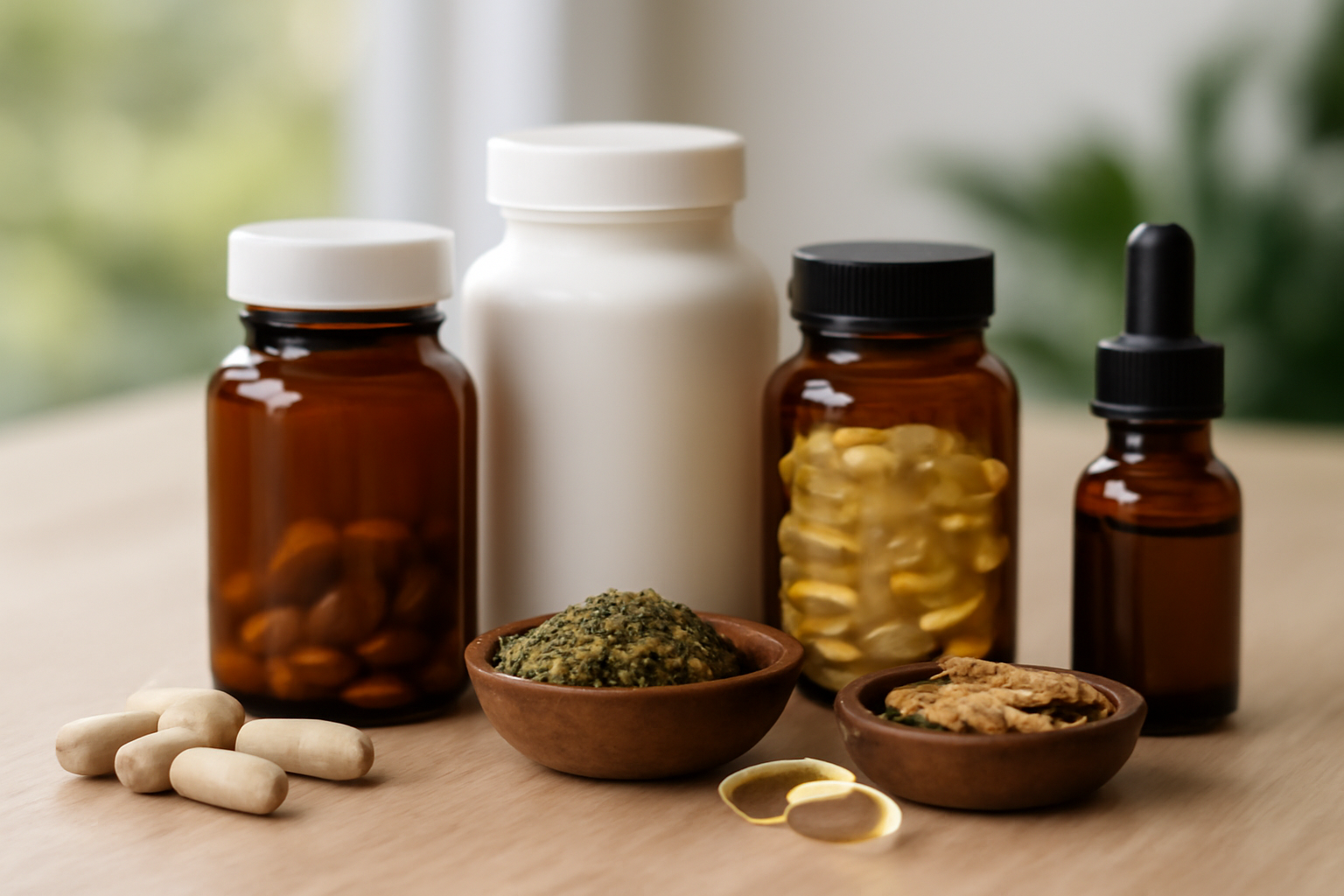
Nootropics are supplements designed to support cognitive skills such as focus, memory, creativity, and motivation. They range from single herbs and amino acids to more complex blends. The goal is not to create a druglike high. Instead, nootropics aim to improve brain function by supporting neurotransmitters, blood flow, cellular energy, or stress response.
Interest in nootropics has grown among students, professionals, and anyone who needs a mental edge for work or study. Many people prefer natural ingredients because they often come with gentler side effect profiles than prescription stimulants. That said, responses vary by person. What acts as the best supplement for mental alertness for one person may not work the same way for another.
Why This Guide Matters
This series will explore the most commonly recommended natural options for boosting alertness and focus. The goal is practical: identify supplements backed by evidence and expert opinion, explain how they work, and outline considerations for safety and dosing. The emphasis will be on natural ingredients rather than pharmaceuticals so you can find sustainable options for daily use.
In later sections we will look closely at specific ingredients, discuss typical doses, and compare benefits and risks. We will also cover how to combine supplements safely and when to consult a healthcare professional. If your priority is the best supplement for mental alertness with minimal jitteriness and clear daytime focus, this post will offer a research-minded path forward.
How To Use This Post
- Read the overview to understand what each supplement targets.
- Use the comparison to match options to your goals, whether focus, memory, or stress resilience.
- Follow safety tips and consult a clinician before starting any new regimen.
Ready to dive in? The next section examines top natural nootropics and the evidence that supports their use for improved mental alertness.
Top supplements for mental alertness
When choosing the best supplement for mental alertness, prioritize ingredients with human trial data and clear dosing guidelines. Below we examine individual options, practical doses, and how they perform when combined. This section avoids general definitions and focuses on action steps and comparison.
Citicoline
Citicoline is a choline source that may support attention, memory, and brain energy. Typical clinical doses are 250 to 500 mg per day. Users often report clearer thinking and faster recovery from mental fatigue. If you need steady daytime clarity, citicoline is one of the primary candidates to consider as the best supplement for mental alertness for sustained use.
L-theanine
L-theanine promotes calm focus and reduces jitteriness from caffeine. Standard doses range from 100 to 200 mg. When paired with 50 to 100 mg of caffeine, the combo frequently improves reaction time and sustained attention without anxiety. For many, combining L-theanine with a low caffeine dose is the most practical route to the best supplement for mental alertness during short work sprints.
Bacopa monnieri
Bacopa supports memory consolidation and sustained attention with regular use. Effective dosing in trials ranges from 300 to 450 mg daily of standardized extract. Benefits often appear after several weeks, so Bacopa is better suited for long term cognitive maintenance rather than immediate alertness.
Rhodiola rosea and ashwagandha
Adaptogens help preserve focus under stress. Rhodiola is used in 100 to 300 mg daily doses and may sharpen concentration during pressure. Ashwagandha, typically 120 to 300 mg of standardized extract, can lower perceived stress and indirectly improve attention. Use adaptogens when stress is a major contributor to brain fog.
Phosphatidylserine
Phosphatidylserine supports short-term memory and cognitive clarity in longer trials. Typical doses range from 100 to 300 mg per day. It is most useful for people seeking measurable memory gains alongside improved alertness.
Comparative table
| Supplement | Typical dose | Primary benefit | Timing for effect |
|---|---|---|---|
| Citicoline | 250-500 mg/day | Attention, energy, acetylcholine support | Days to weeks |
| L-theanine | 100-200 mg | Calm alertness, reduces caffeine jitters | 30-60 minutes |
| Bacopa monnieri | 300-450 mg/day | Memory, learning, sustained attention | 4-12 weeks |
| Rhodiola rosea | 100-300 mg/day | Focus under stress | Days to weeks |
| Phosphatidylserine | 100-300 mg/day | Memory, cognitive clarity | Weeks to months |
Stacking strategies for real-world use
- Workday focus stack: citicoline 250 mg + L-theanine 100 mg with a low caffeine source for morning clarity.
- Study endurance stack: Bacopa 300 mg daily plus citicoline 250 mg to support memory formation over weeks.
- Stress-resistant focus: Rhodiola 200 mg in the morning with ashwagandha 120 mg at night for recovery.
Safety, timing, and personalization
- Start low and increase gradually to assess response. Individual effects vary widely.
- Watch for interactions with prescription medicines, especially blood thinners and stimulants. Check with a clinician if you take chronic medications.
- Avoid stacking multiple stimulants. Combine calming nootropics like L-theanine with modest caffeine rather than adding extra stimulants.
- Track sleep, mood, and focus scores for two to four weeks to evaluate whether a supplement qualifies as the best supplement for mental alertness for your needs.
Choosing the best supplement for mental alertness comes down to goals, timing, and tolerance. Use targeted single ingredients or light stacks based on whether you need fast clarity, stress resilience, or long term memory support. Monitor effects carefully and consult a healthcare professional for personalized advice.
Additional Considerations For Mental Alertness Supplements
Beyond individual ingredients, several practical factors determine which option becomes the best supplement for mental alertness for you. Consider long term evidence, interactions, product quality, timing, and how ingredients work together. Small choices in form and schedule often change how well a supplement performs.
Phosphatidylserine: What Makes It Different
Phosphatidylserine is one of the best-supported options for cognitive clarity in longer trials. Typical doses are 100 to 300 mg daily, taken with food. It is often sourced from soy or sunflower lecithin. Trial data show measurable benefits for short term memory and attention when used consistently over weeks to months.
Who it helps most: older adults and anyone with mild memory complaints or stress-related cognitive drift. Safety is generally good, but check with a clinician if you take blood thinners or have a soy allergy. Consider phosphatidylserine when the goal is steady, measurable gains rather than an immediate spike in alertness.
Combining Supplements For Better Results
Synergy is central to real-world stacking. Some combinations are widely tested:
- L-theanine plus low-dose caffeine for calm, jitter-free alertness that peaks within an hour.
- Citicoline with Bacopa for daily attention plus long term memory consolidation.
- Phosphatidylserine with omega-3 fatty acids to support membrane health and cognitive clarity over months.
Stacking tips: introduce one ingredient at a time, keep doses conservative, and allow two to four weeks before adding another. This approach helps you identify which supplement provides the most benefit and avoids unnecessary overlap. For many people, a morning combo of citicoline 250 mg and L-theanine 100 mg with a modest caffeine source strikes a good balance between quick alertness and sustained focus.
Formulation, Quality, And Timing
Choose products with standardized extracts and third-party testing to avoid contaminants and inconsistent dosing. Note the form matters: citicoline tends to be more bioavailable than some choline precursors, and certain Bacopa extracts are standardized to bacosides for predictable effects.
Timing matters for outcomes. Fast-acting agents like L-theanine work within 30 to 60 minutes, while adaptogens and memory-focused supplements often require daily use for weeks. Take stimulatory stacks earlier in the day to avoid sleep disruption. Record sleep, productivity, and mood for two to four weeks to evaluate whether a product is the best supplement for mental alertness for your daily routine.
Safety, Interactions, And When To See A Clinician
For safety, always check interactions with prescription medicines, especially anticoagulants, antidepressants, and stimulants. Pregnant or nursing people should avoid starting new nootropics without medical advice. If you notice palpitations, severe insomnia, or mood shifts, stop the supplement and consult a healthcare professional.
Final Thoughts And Next Steps
Finding the best supplement for mental alertness is a process of matching goals, evidence, and personal tolerance. Prioritize single-ingredient trials, track effects, and choose reputable brands. If you want quick, calm alertness, consider L-theanine plus low-dose caffeine. If your focus goal is sustained and measurable, citicoline, Bacopa, or phosphatidylserine may be better options. Try a conservative stack, monitor results, and consult your clinician to refine your plan.
Ready to explore a tailored approach? Start with one well-studied ingredient, track your focus and sleep for a month, and adjust from there. Thoughtful testing will help you identify the best supplement for mental alertness for your life.
Frequently Asked Questions
How Should I Combine Citicoline And L-Theanine For Best Results?
For many users a practical combo is citicoline 250 mg in the morning with L-theanine 100 mg plus a small caffeine source. Citicoline supports sustained attention while L-theanine smooths caffeine effects. Start with lower doses and assess alertness and anxiety before increasing.
Are There Tests To Monitor When Taking Supplements For Mental Alertness?
There are no universal blood tests that confirm improved alertness. However, basic labs like thyroid function, B12, vitamin D, and liver panels can rule out medical causes of brain fog. Use focus journals and timed cognitive tasks to judge whether a supplement is the best supplement for mental alertness for you.
Can Older Adults Use The Best Supplement For Mental Alertness Safely?
Yes, older adults can often benefit, especially from phosphatidylserine, citicoline, and omega-3s. Start at lower doses, check for drug interactions, and work with a clinician to monitor cognition and safety while using any supplement for mental alertness.