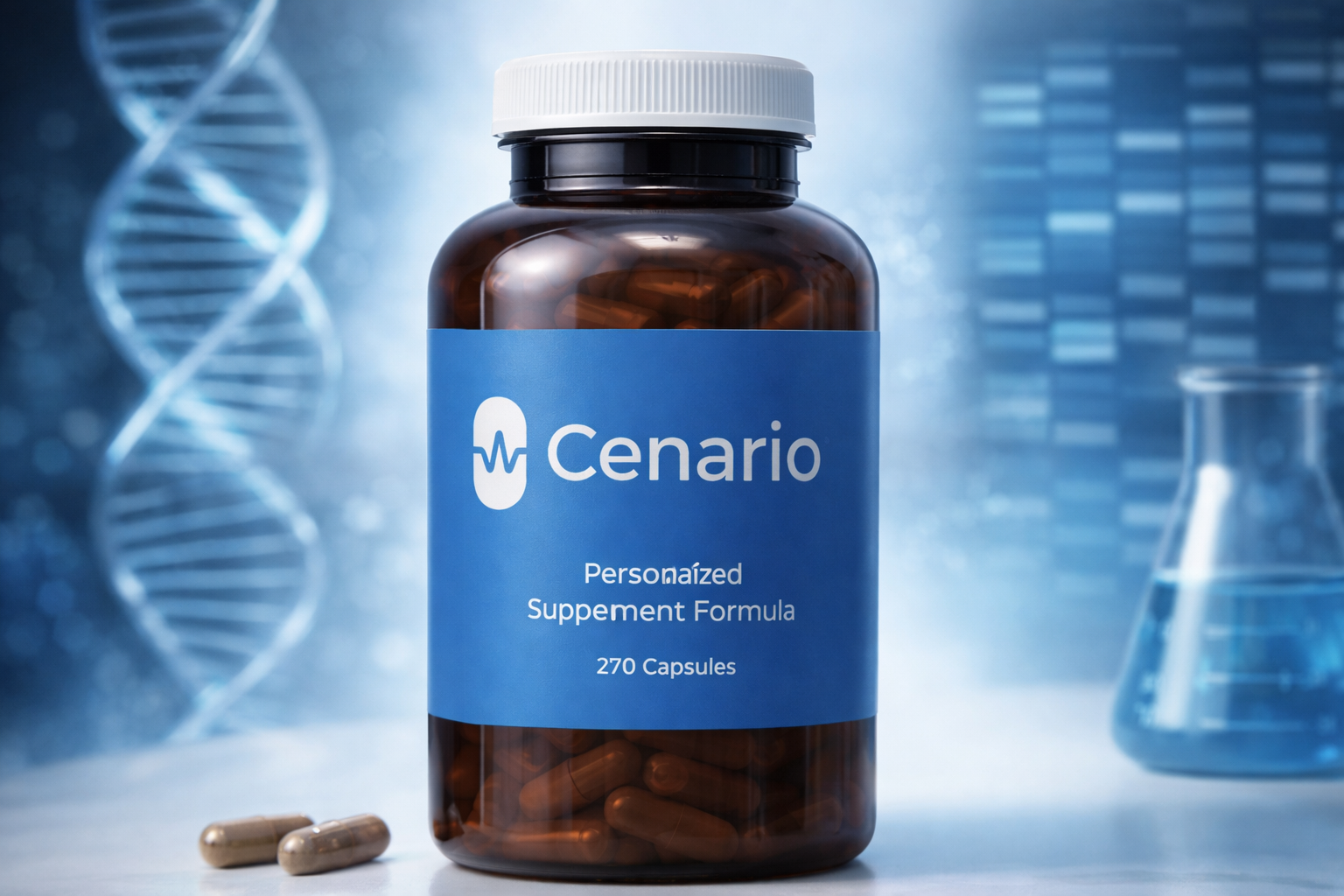

Modern life demands more mental stamina than ever. Long workdays, back-to-back meetings, commuting, and constant notifications leave many of us running on empty. People are increasingly searching for the best vitamins for focus and energy to keep pace without relying solely on caffeine or sugar. Thoughtful supplements can be a safe, natural way to support mental clarity and steady energy when paired with good sleep and a balanced diet.
The Quest For Peak Performance
It is normal to want reliable ways to sharpen concentration and sustain energy through a busy day. The best vitamins for focus and energy are not shortcuts. They are tools to help correct gaps that diet and lifestyle may leave behind. When chosen carefully, vitamins and targeted supplements can support key brain processes such as neurotransmitter production, cellular energy metabolism, and stress resilience.
Many people expect instant fixes. Supplements are different. Their value often shows up as clearer thinking, fewer midafternoon slumps, and steadier mood across weeks of consistent use. That is why understanding which vitamins matter and why they help is the first step toward lasting performance gains.
Understanding The Need
Focus and energy drop for many reasons. Nutrient gaps are a common and often overlooked cause. Diets low in whole foods, hectic schedules, age, restrictive eating plans, and some medications can all reduce levels of essential nutrients. If a person is low in key vitamins, they will likely notice reduced concentration and quicker fatigue.
- Dietary patterns that lack variety can create nutrient shortfalls.
- High stress and poor sleep increase the body’s need for certain vitamins.
- Age and medical conditions may reduce absorption of nutrients from food.
Recognizing the need to address deficiencies is the gateway to improvement. The best vitamins for focus and energy are most effective when they correct an actual shortfall rather than simply add more stimulation. A simple conversation with a healthcare provider can identify likely gaps and guide safe choices. Later sections will walk through specific nutrients, how they work, and practical ways to combine them. For now, keep in mind that steady gains come from consistent, evidence-based choices—not quick fixes.

Key vitamins and how they work
Targeted nutrients support different pathways that underpin mental clarity and steady energy. Below are practical details on how each vitamin or supplement contributes, with safe use notes and typical dosing ranges where available.
B complex vitamins
B complex supports cellular energy production and neurotransmitter synthesis. In many people with low intake, replenishing B vitamins reduces tiredness and improves cognitive speed. Typical supplemental guidance ranges from a standard multivitamin B complex to higher-dose products. For B12, common supplemental ranges run from 250 to 1,000 micrograms per day for oral forms. Folate is often given at 400 micrograms daily. Follow product labels and check with a clinician when using higher doses.
Magnesium
Magnesium helps convert food to usable energy and supports neuronal signaling. Elemental magnesium 200 to 400 mg daily is a common target for adults. Forms matter. Magnesium citrate and glycinate offer good absorption and tolerability. Magnesium L-threonate is promoted for cognitive access because it more readily reaches brain tissue, though individual responses vary. Start at the lower end of dosing and increase if needed, because higher doses can cause loose stools.
CoQ10 and cellular energy
CoQ10 acts in mitochondria where cells produce energy. Typical supplemental doses range from 100 to 300 mg per day. Many people notice reduced fatigue and improved stamina after consistent use, often over several weeks to months. Liposomal or ubiquinol forms may absorb better for some users.
L-theanine and calm focus
L-theanine promotes relaxed alertness by supporting alpha brain wave activity. Common doses are 100 to 200 mg. It pairs well with caffeine to smooth stimulatory effects. A practical ratio used by many is about 2 to 1 L-theanine to caffeine, for example 200 mg L-theanine with 100 mg caffeine, to sustain focus without the jitters.
Ashwagandha and ginseng
Adaptogens such as ashwagandha and ginseng help with stress resilience and steady energy rather than quick stimulation. Ashwagandha extracts are often taken at 300 to 600 mg daily. Ginseng dosing varies by type, with Panax ginseng commonly used at 200 to 400 mg daily. People with thyroid conditions, diabetes, or who take blood sugar medications should consult a provider before using ashwagandha, because it can affect glucose and thyroid markers.
Combination synergies and dosing strategies
Combining nutrients can magnify benefits when chosen appropriately. Here are practical pairings and why they work.
- B complex plus magnesium: supports both energy metabolism and nervous system balance. This combo helps convert nutrients to usable ATP while calming nerve excitability.
- L-theanine plus caffeine: creates focused alertness without anxiety or a crash. Use one moderate caffeine dose and pair it with L-theanine for smoother performance.
- CoQ10 plus B vitamins: supports mitochondrial energy and the cofactor systems that sustain it. Good for athletes or people with high daily energy demands.
- Ashwagandha plus B complex: helps the body manage stress while replenishing nutrient stores needed for cognition.
If you want a more targeted approach, take the 3 minute Cenario assessment and find out what may be limiting your cognitive performance.

Supplement forms and practical pros and cons
Choose a form that matches lifestyle and absorption needs.
- Pills and capsules: convenient and stable. Best for standardized doses.
- Powders: allow flexible dosing and mixing into drinks. Good for people who dislike swallowing pills.
- Sublingual and liquid forms: faster absorption for certain B vitamins, useful when quick correction is needed.
- Transdermal patches: marketed for ease and to avoid stomach upset. Absorption can be inconsistent across brands, so look for third-party testing.
- Liposomal or emulsified CoQ10: may increase bioavailability for people who had limited benefit from basic forms.
Setting realistic expectations and safety notes
Expect timelines to vary. Some combinations, like L-theanine plus caffeine, show near-immediate effects. Correction of nutrient deficiencies often takes weeks. CoQ10 and mitochondrial benefits may take eight to twelve weeks to appear. Consistency matters more than occasional use.
Safety pointers:
- Check for interactions with prescription medicines, especially blood thinners, thyroid drugs, and diabetes medications.
- Avoid very high single doses of B6 long term, as excessive levels can cause nerve symptoms.
- Watch for gastrointestinal effects with oral magnesium and lower the dose if needed.
- Pregnant or breastfeeding people, and those with chronic conditions, should consult a healthcare provider before starting new supplements.
Choosing the best vitamins for focus and energy means matching nutrients to your needs, using evidence-informed dosages, and pairing supplements intelligently. When combined with good sleep, balanced nutrition, and regular movement, these targeted choices can help you sustain clearer thinking and steadier energy over time.
Personalizing Your Supplement Plan
One size does not fit all when it comes to choosing the best vitamins for focus and energy. Your age, activity level, diet, sleep patterns, and medical history shape which nutrients will help most. Instead of stacking every supplement, focus on tests, symptoms, and realistic goals.
Timing And Stacking For Best Results
When you take supplements influences their effect. Use these practical timing tips:
- Morning: B complex and caffeine plus L-theanine work well early to support alertness.
- With meals: Fat soluble nutrients and CoQ10 absorb better with food that contains fats.
- Evening: Magnesium glycinate may help sleep and nightly recovery, which improves next-day focus.
Stack strategically rather than indiscriminately. For example, pair a B complex with magnesium for balanced energy production and calmer nerves. Track how combinations feel over two to four weeks before changing doses.
Quality, Testing, And Label Reading
Product quality matters. Look for brands that list full ingredient amounts and use third-party testing. Key things to check on labels:
- Active form naming, such as methylfolate rather than generic folic acid when indicated.
- Bioavailable formats like ubiquinol for some people using CoQ10.
- Absence of unnecessary fillers or proprietary blends that hide dosages.
Third-party seals and transparent certificates of analysis reduce the risk of low-quality or contaminated supplements. When in doubt, consult a clinician or pharmacist about reputable options.
Monitoring Progress And When To Adjust
Set measurable goals and log results. Use a simple weekly journal to note sleep, mood, productivity, and energy. Expect short-term changes for stimulant pairings and slower shifts for mitochondrial or deficiency correction.
- Short-term markers: alertness within hours of a stimulant pairing.
- Mid-term markers: improved daytime energy and fewer crashes in two to six weeks.
- Long-term markers: sustained stamina and cognitive clarity after eight to twelve weeks for mitochondrial support.
If no benefit appears after a full trial period, reassess doses, swap forms, or discuss blood testing with your provider to check for absorption issues or hidden deficiencies.
Special Considerations For Different Lifestyles
Customize choices by context:
- Students: time supplements to study cycles and avoid late-day stimulants that disrupt sleep.
- Shift workers: prioritize sleep-supporting magnesium and nutrient timing to stabilize circadian rhythm.
- Athletes: combine CoQ10 with B vitamins for cellular energy while monitoring hydration and electrolytes.
Final Thoughts And Next Steps
Choosing the best vitamins for focus and energy means combining evidence-informed nutrients with thoughtful timing, quality selection, and personal tracking. Supplements enhance performance when they correct gaps and match lifestyle demands. Start small, record changes, and consult a healthcare professional for testing and safety checks.
Ready to build a plan tailored to your days? Begin by listing your top two priorities, try one targeted stack for four to eight weeks, and note the gains. Small, consistent steps add up to measurable improvements in clarity and stamina.
Take action today: consult your clinician about testing options and choose one high-quality supplement to trial this week. Monitor results and adjust with intention to unlock steady, sustainable performance.
If your concentration feels inconsistent or your recall is weaker than it used to be, something in the system is off. Sleep, stress, blood sugar, neurotransmitters, micronutrients, and workload all influence cognitive performance.
This guide breaks down what actually drives memory and focus, and what to do about it.
Your brain is unique. Your formula should be too.
Start your personalized focus plan today.
Frequently asked questions
Which lab tests can confirm deficiencies that affect focus and energy?
Common tests include a complete blood count, serum vitamin B12, serum folate or red blood cell folate, magnesium levels, and ferritin for iron stores. These tests help determine if supplements commonly recommended among the best vitamins for focus and energy are needed and guide safe dosing.
Can I take focus and energy supplements with prescription stimulants?
Some supplements interact with prescription stimulants. Talk with your prescribing clinician because they can evaluate interactions and advise which of the best vitamins for focus and energy are safe or should be avoided alongside your medication.
How should night shift workers choose supplements for better focus and energy?
Night shift workers benefit from timing that supports a shifted circadian rhythm. Consider magnesium at night for sleep, B complex in the early work period, and moderate caffeine plus L-theanine for alertness. These targeted choices can be among the best vitamins for focus and energy when matched to your schedule and sleep strategy.