
What Is Cortisol and Why Is It Important?
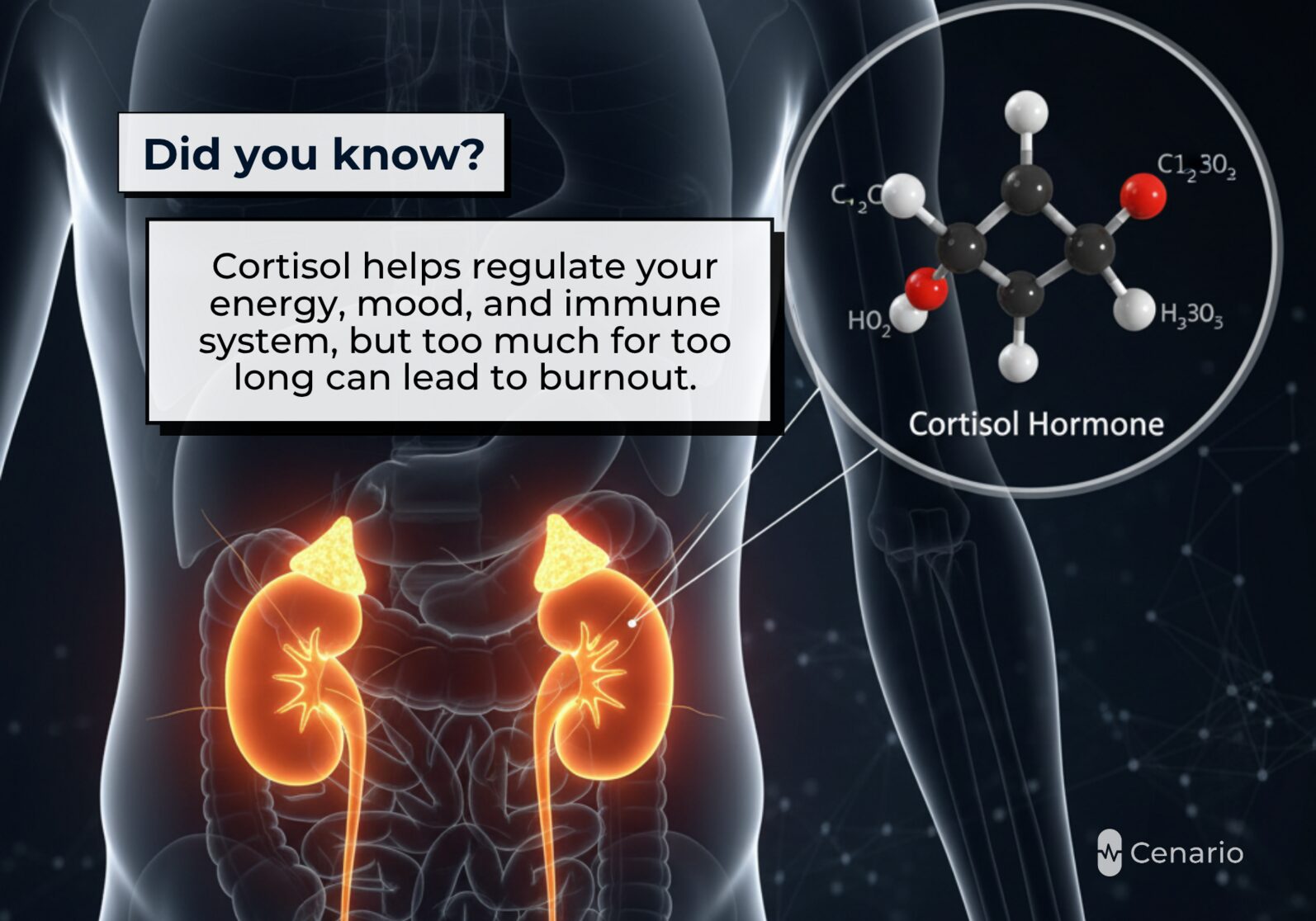
Cortisol, known as the stress hormone, plays a powerful role in how your body handles stress, energy, and overall health. It’s made in your adrenal glands, which sit on top of your kidneys. While cortisol is essential for survival, too much of it, especially over the long term can lead to health problems like weight gain, high blood pressure, and a weakened immune system.
If you’re feeling tired, anxious, or gaining weight unexpectedly, your cortisol levels might be too high. In this blog post, we’ll explain everything you need to know about high cortisol levels, what causes them, and most importantly, how to balance cortisol levels naturally in a way that’s easy to understand and apply to your daily life.
What Is Cortisol and Why Is It Important?
Cortisol is a steroid hormone that your body releases in response to stress. It’s a key part of your fight or flight system, your body’s natural reaction to danger. When your brain senses stress, it signals the adrenal glands to release cortisol to give you the energy and focus you need to respond.
Short-term cortisol spikes can be helpful. They:
- Increase energy
- Improve alertness
- Help regulate blood sugar
- Support your immune response
However, problems begin when cortisol stays elevated for too long. This happens due to chronic stress, poor lifestyle habits, and lack of recovery. Over time, research shows that high cortisol can affect nearly every system in the body, including your metabolism, sleep, heart, and brain.
Signs of High Cortisol Levels
Here are some common symptoms of high cortisol levels:
- Weight gain, especially around the belly
- Trouble sleeping
- Fatigue and low energy
- Anxiety, irritability, or depression
- Cravings for sugar or junk food
- High blood pressure
- Blood sugar imbalance or prediabetes
- Weakened immune system (getting sick more often)
- Brain fog or trouble concentrating
If these symptoms sound familiar, your body may be struggling to reduce cortisol naturally.
What Causes High Cortisol?
Your cortisol levels can become unbalanced due to:
- Chronic stress (emotional, physical, or mental)
- Lack of sleep
- Excess caffeine
- Poor diet (especially high sugar and processed foods)
- Over-exercising without proper recovery
- Medical issues like adrenal disorders
How to Balance Cortisol Levels Naturally
Balancing cortisol is not about eliminating all stress, it’s about helping your body handle stress better. Let’s dive into natural and science-backed ways to reduce stress, promote healthy cortisol levels, and protect your long-term health.
1. Practice Deep Breathing and Relaxation Techniques
Deep breathing is one of the fastest ways to calm your nervous system and reduce cortisol.
Try this simple technique:
- Inhale for 4 seconds
- Hold for 4 seconds
- Exhale slowly for 6–8 seconds
Regularly practicing deep breathing, meditation, or mindfulness can help reset your stress response.
Other great relaxation techniques include:
- Yoga or tai chi
- Nature walks
- Listening to calming music
- Journaling or gratitude practice
These habits don’t just feel good, they support healthy cortisol and mental health too.
2. Prioritize Quality Sleep
Sleep is your body’s natural reset button. Research shows that people who sleep less than 6 hours often have elevated cortisol levels.
Tips for better sleep:
- Go to bed and wake up at the same time each day
- Keep your bedroom dark, cool, and quiet
- Avoid screens before bed (blue light affects melatonin)
- Reduce caffeine after 2 p.m.
A solid 7–9 hours of quality sleep helps your body reduce cortisol and rebuild energy.
3. Eat a Cortisol-Balancing Diet
What you eat can either spike or help lower cortisol. Focus on foods that support healthy cortisol levels.
Best foods for cortisol balance:
- Leafy greens (spinach, kale)
- Fruits rich in vitamin C (oranges, berries, kiwi)
- Whole grains (oats, brown rice)
- Lean proteins (chicken, fish, tofu)
- Healthy fats (avocados, nuts, olive oil)
- Magnesium-rich foods (pumpkin seeds, bananas, dark chocolate)
Avoid or limit:
- Processed foods and sugar
- Excess caffeine and alcohol
- Refined carbs (white bread, pastries)
Eating balanced meals regularly throughout the day also helps stabilize blood sugar, which keeps cortisol in check.
4. Exercise Smart — Not Excessively
Exercise is great for stress relief, but too much intense training can raise cortisol.
Instead of pushing hard every day, try mixing it up:
- Do moderate cardio (like brisk walking, swimming, cycling)
- Strength train 2–3 times per week
- Include active rest days with stretching or yoga
Regularly practicing exercise in a balanced way improves mood, energy, and supports long-term cortisol health.
5. Stay Connected and Social
Your relationships matter more than you think. Studies show that strong social bonds can reduce stress and improve mental health.
Try to:
- Talk with friends or family regularly
- Join a local club, team, or community group
- Volunteer — helping others reduces your own stress
Even short, positive interactions can lower cortisol levels and make you feel more supported.
6. Cut Back on Caffeine and Stimulants
Caffeine stimulates the adrenal glands, which can increase cortisol, especially when you’re already under stress.
To balance this:
- Limit coffee to 1–2 cups per day
- Avoid energy drinks
- Try switching to herbal teas or decaf after noon
If you can’t quit caffeine entirely, reducing your intake can still have a big impact on your stress hormone levels.
7. Consider Natural Supplements (With Guidance)
Certain herbs and nutrients are known to support healthy cortisol. These include:
- Ashwagandha: An adaptogen that helps the body cope with chronic stress
- Rhodiola Rosea: Supports energy and mental clarity
- Magnesium: Helps calm the nervous system
- L-theanine: Found in green tea; promotes relaxation
Always consult a healthcare professional before starting any supplements, especially if you take medications or have medical conditions.
Final Thoughts: Take Control of Your Cortisol
Balancing your stress hormones is one of the best things you can do for your body and mental health. High cortisol might not show up overnight, but over time, it can affect your sleep, weight, immune system, and more.
By:
- Managing chronic stress
- Getting enough rest
- Eating nourishing foods
- Moving your body in a balanced way
- Building strong relationships
…you can naturally reduce cortisol, improve your health, and feel more in control of your life.
Remember: Small daily changes lead to big long-term results. Start with one or two habits, and build from there. Your body will thank you!
Guesswork wastes money. Take the quiz and get a science based recommendation!
Frequently Asked Questions (FAQ)
What are the fastest ways to lower cortisol levels naturally?
Some of the fastest ways to reduce cortisol naturally include deep breathing, short mindfulness meditation sessions, taking a walk in nature, and reducing caffeine. Even 5–10 minutes of focused relaxation can help calm your nervous system and lower your stress hormone levels quickly.
Can diet really help balance cortisol levels?
Yes, your diet plays a major role in managing cortisol. Eating whole foods, such as leafy greens, fruits, whole grains, and healthy fats, helps regulate blood sugar and reduce inflammation. Avoiding sugar, processed foods, and excessive caffeine also supports healthy cortisol levels over the long term.
How does sleep affect cortisol levels?
Sleep has a direct impact on your body’s ability to balance cortisol levels. Poor or irregular sleep raises cortisol, especially at night when it should be low. Regularly practicing good sleep habits, such as going to bed on time and limiting screens, can significantly reduce cortisol and improve your mental health and energy.