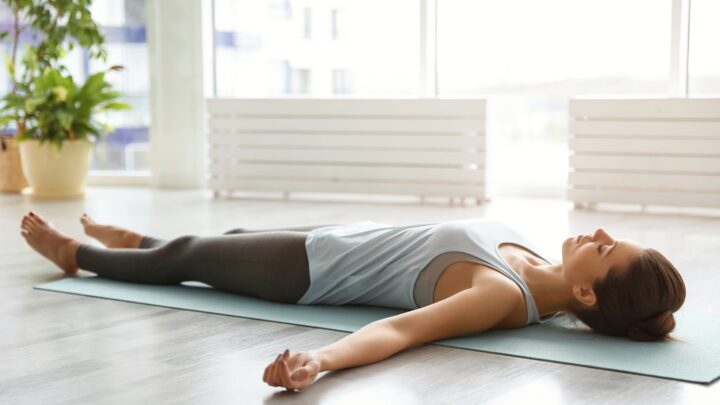

In today’s high-stress world, carving out time for mental and physical relaxation is not just a luxury—it’s essential for your overall mental health and well-being. Progressive muscle relaxation meditation (PMR) is a super effective, yet often overlooked way to unwind. This gentle yet powerful method teaches you to systematically tense and relax different muscle groups in your body to reduce muscle tension, calm your thoughts, and bring you into a deep state of mental relaxation.
Whether you’re feeling stressed, anxious, struggling with sleep, or just want to feel more grounded, this relaxation exercise is a practical and accessible tool. Just 20 minutes a few times a week can lift your mood, help you focus, and make it easier to stay emotionally balanced.
Studies have shown this technique works. A 2015 study published in the Journal of Clinical Nursing found that practicing PMR significantly reduced anxiety and improved sleep quality in people with chronic health conditions. Other research has shown it can lower stress hormones, ease muscle tension, and support long-term mental wellness when used regularly.
What Is Progressive Muscle Relaxation Meditation?
In the early 1920s, American doctor Edmund Jacobson created Progressive Muscle Relaxation (PMR) to help people relax by releasing tension in their bodies. His foundational theory? If you can consciously relax your muscles, you can calm your mind.
PMR is a simple step-by-step practice where you breathe in slowly, tighten certain muscles, hold for a few seconds, then let the tension go. It helps you feel the difference between being tense and relaxed, so you can tell where you’re holding stress—and start letting it go.
When combined with deep breathing and meditative focus, this technique becomes a powerful form of progressive muscle relaxation meditation—a holistic practice that soothes both the body and the mind.
Benefits of Progressive Muscle Relaxation (PMR)
The more often you do PMR, the more it turns into a powerful tool that supports both your mental and physical well-being—not just a way to relax.
Physical Benefits:
- Relieves chronic muscle tension
- Improves blood circulation and oxygen flow
- Enhances physical recovery after workouts
- Aids digestion by calming the nervous system
- Supports deeper, more restorative sleep
Mental & Emotional Benefits:
- Reduces symptoms of stress and anxiety
- Lowers heart rate and blood pressure
- Enhances emotional regulation
- Improves focus and concentration
- Increases body awareness and mindfulness
Long-Term Wellness Support:
- Eases tension headaches and migraines
- Helps with insomnia and other sleep disorders
- Acts as a grounding tool for overthinking or racing thoughts
- Can support pain management in conditions like fibromyalgia or TMJ
How to Prepare for This Relaxation Exercise
Creating the right environment helps your mind and body fully drop into the practice. Here’s how to set the stage:
Setup:
- Find a quiet, comfortable place where you won’t be disturbed
- Choose a supportive surface—lie down or sit in an upright chair
- Wear loose, comfortable clothing
Preparation Tips:
- Dim the lights or wear an eye mask
- Play soft ambient music or nature sounds (optional)
- Turn off phone notifications or put your device on Do Not Disturb
- Take a moment to settle in and breathe deeply
Step-by-Step Guide to Progressive Muscle Relaxation Meditation
Here’s your complete guide to the practice, broken down into simple, easy-to-follow steps. All you need is a calm space and about 10 to 20 minutes.
1. Begin With Deep Breaths
Close your eyes. Begin with 3–5 deep breaths, inhaling slowly through your nose for a count of 4… holding for 4… and exhaling fully through your mouth for a count of 6.
This shifts your body into the parasympathetic state—a calming response often called “rest and digest.”
2. Tense and Relax Each Muscle Group
Work your way up through the body, tensing each muscle group for about 5–10 seconds, then relaxing for 15–20 seconds.
Muscle Group Sequence:
- Feet & Toes – Curl your toes tightly. Hold for a few seconds, then slowly release.
- Calves – Flex your feet upward to tighten the calves. Hold… then slowly release.
- Thighs – Press your thighs together or lift slightly. Hold… then slowly release.
- Glutes – Clench your buttocks. Hold… then slowly release.
- Stomach – Pull your belly in tightly. Hold… then slowly release.
- Chest – Take a full breath, hold your chest expanded. Release as you exhale.
- Hands – Make fists. Hold tightly… then relax your fingers completely.
- Arms – Bend your elbows and flex your biceps. Hold… release.
- Shoulders – Lift shoulders up to your ears. Hold… drop them down.
- Neck – Gently press your head back. Hold… release.
- Face – Squeeze eyes shut, clench jaw, wrinkle your forehead. Hold… and melt into stillness.
3. Reflect in a State of Relaxation
Once you’ve moved through each muscle group, remain still for a few minutes. Continue to breathe deeply, letting go of any lingering tension. Notice:
- How your body feels (heavy, warm, soft)
- How your breath flows naturally
- Any changes in your mental state or emotions
Let yourself fully absorb this feeling of physical and mental relaxation.
Tips for Beginners: Starting Your PMR Journey
New to progressive muscle relaxation meditation? Here are beginner-friendly tips to make your experience smoother and more rewarding:
- Start Small: Begin with 3–4 muscle groups if a full-body session feels too long.
- Be Consistent: Practice regularly, even for 5–10 minutes. Daily use builds strong relaxation habits.
- Use Guided Sessions: Try apps, YouTube, or a therapist-led audio track.
- Pair With Deep Breathing: Always breathe deeply during the tense and release cycle to enhance the effect.
- Don’t Strain: Apply gentle tension—never force or hold beyond comfort.
- Make It a Ritual: Add PMR to your nighttime routine for better sleep or use it after a stressful day.
- Be Patient: It may take a few sessions before you feel deeply relaxed. Stick with it.
- Set the Mood: Lighting, sound, and scents can help enhance your experience.
Best Time to Practice Progressive Muscle Relaxation (PMR) — and How Often
One of the best things about progressive muscle relaxation meditation is that it fits easily into your schedule. You can practice it anytime you need to unwind, refocus, or release tension—but some times work better than others depending on your goals.
Before Bed for Better Sleep
Practicing PMR before sleep is one of the most effective ways to relax your body and quiet your mind, especially if you struggle with insomnia or racing thoughts. It helps you drift off faster and enjoy deeper, more restful sleep.
After a Stressful Day
PMR is a great way to let go of built-up tension after work, school, or any high-pressure moment. It helps shift your body out of stress mode and into a state of calm.
In the Morning for a Calm Start
Practicing PMR in the morning can help you start your day with a clear head and relaxed body, especially if you tend to wake up feeling anxious or tense.
During High-Stress Moments
Even a quick 5-minute session can help calm your nervous system when you’re feeling overwhelmed or anxious. Just focus on a few key muscle groups and pair it with deep breathing.
Final Thoughts: Reconnect, Release, Relax
Progressive muscle relaxation meditation isn’t just a technique—it’s a powerful way to care for both your body and mind. In a world that constantly pulls your attention outward, PMR helps you turn inward, slow down, and reconnect with yourself.
Whether you’re wrapping up a busy day, trying to fall asleep, or just feeling stressed, this practice gives you a moment to breathe, let go of tension, and feel more at ease—one muscle group at a time.
If you’re ready to support your mental well-being even further, we’ve got you covered.
👉 Take our quick quiz to get personalized recommendations that fit your lifestyle and needs.
Because real relaxation starts from within—and you deserve to feel your best.
Frequently Asked Questions
1. How Often Should You Practice PMR?
For the best results, try to practice PMR 2–5 times a week, depending on your needs and schedule. A full session usually lasts 10 to 20 minutes, but even shorter sessions can offer real benefits—especially when done consistently. Like any habit, the more you stick with it, the more powerful the results.
2. Can I do PMR if I have chronic pain or a physical condition?
Yes—with a few adjustments. PMR can actually be very helpful for people with chronic pain, as it teaches your body to recognize and release tension. However, if you have a specific injury, condition (like fibromyalgia or arthritis), or limited mobility, you may want to:
- Skip any muscle groups that cause discomfort
- Tense muscles more gently (or just focus on the release phase)
- Consult your doctor or physical therapist before starting, especially if you have concerns about specific movements
The goal is comfort and awareness, not strain.
3. What if I fall asleep during PMR?
That’s totally okay—and pretty common! In fact, many people use progressive muscle relaxation as a sleep aid. If you’re doing PMR before bed and you drift off, that’s a sign your body is responding well to the relaxation.
If your goal is to stay awake (for stress relief or focus), try:
- Doing the session earlier in the day
- Sitting upright instead of lying down
- Keeping the room slightly brighter
4. Is PMR the same as meditation?
PMR is a form of meditation, but it’s a bit different from traditional mindfulness or breath-focused practices. While both help you become more aware of your body and mind, PMR is more active and physical—it involves deliberately tensing and relaxing different muscle groups.
It’s a great option if:
- You struggle with stillness or quiet meditation
- You feel stress physically in your body (tight shoulders, clenched jaw, etc.)
- You prefer a guided, structured routine
That said, many people combine PMR with other forms of mental relaxation like breathing exercises or visualization for a well-rounded practice.
5. What if I don’t feel relaxed right away?
That’s totally normal. Like any new practice, PMR can take a few sessions to really “click.” Over time, you’ll get better at:
- Noticing subtle tension in your body
- Creating a stronger mind-body connection
- Letting go of stress faster
Just practice regularly, and be patient with yourself—it’s about progress, not perfection.