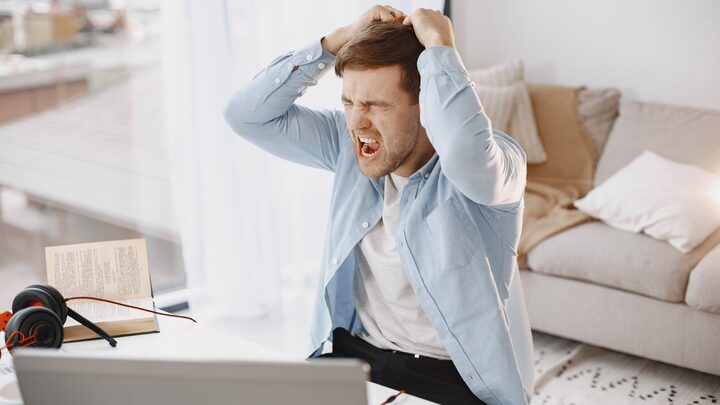

Stress might seem like just a normal part of modern life. Everyone has deadlines, bills to pay, and responsibilities pulling them in different directions. But when stress becomes constant, it turns into something far more dangerous something that can seriously impact your health and happiness.
Often called the “silent killer,” chronic stress builds slowly and quietly. You may not even realize how much it’s affecting you until your body starts waving red flags. Left unmanaged, stress can lead to serious health issues like heart disease, high blood pressure, depression, anxiety, and even a shortened lifespan.
The good news? You don’t have to let it get that far. Recognizing the early signs of stress and understanding what’s happening inside your body can help you take back control. In this guide, you’ll learn how stress works, how it affects your physical and mental health, and what you can do today to reduce its harmful effects.
What Does Stress feel Like?
In simple terms, stress is your body’s reaction to change. Whether it’s a looming work deadline, a breakup, or even something positive like starting a new job, your body responds to the pressure by trying to adapt.
Not all stress is bad. In fact, short bursts of stress can help you stay alert and motivated. But when stress becomes frequent or long-lasting especially if you don’t take time to recover it can wear you down physically, mentally, and emotionally.
The Science Behind Stress: What Happens in Your Body

A study from The Healthline and medically reviewed from Timothy J. Legg, PhD, Psyd said, when your brain senses danger whether real or perceived it kicks your stress response into gear. It all starts in a tiny control center at the base of your brain, sends out nerve signals and hormones to your adrenal glands, prompting them to release a surge of stress hormones.
These hormones are your body’s built-in survival tools, designed to help you react quickly and effectively in threatening situations.
When you encounter a stressful situation, your brain activates what’s called the “fight or flight” response. This is a survival mechanism designed to help you respond to danger.
Here’s a quick breakdown of what happens:
- The hypothalamus in your brain sends signals to your adrenal glands
- Your body releases adrenaline and cortisol, your main stress hormones
- Your heart rate speeds up
- Breathing becomes faster
- Muscles tense up
- Blood flow is redirected to essential areas like your limbs and brain
- Non-essential functions like digestion slow down
These changes can be helpful in emergencies. But when your stress response is triggered again and again without time to recover it becomes harmful.
Types of Stress

Not all stress looks the same. There are three main types of stress, and knowing which one you’re dealing with can help you manage it more effectively.
1. Acute Stress
This is the kind of stress you feel in the moment. Think: narrowly avoiding a car accident, public speaking, or a first date. It’s intense, but usually short-lived.
Symptoms of acute stress might include:
- Sweaty palms
- Rapid heartbeat
- Shortness of breath
- Temporary anxiety
Acute stress isn’t always bad it can actually help improve focus and performance. But too many intense events in a short time can start to take a toll.
2. Episodic Acute Stress
If you frequently experience high-stress moments especially in a chaotic work environment or high-pressure lifestyle you might have episodic acute stress.
People with this type often:
- Worry constantly
- Feel like they’re always behind
- Jump from one crisis to another
- Have a hard time relaxing or switching off
Left unaddressed, this can lead to burnout, fatigue, and eventually chronic stress.
3. Chronic Stress
Chronic stress is the most dangerous form. It happens when you’re exposed to stress for an extended period, such as:
- Ongoing financial strain
- A toxic relationship
- Caregiving responsibilities
- Job dissatisfaction
- Trauma or loss
Because chronic stress builds slowly, many people don’t realize they’re suffering from it until their health starts to decline.
Take the quiz to discover your stress type and get personalized help to handle it better.
Warning Signs You Should Never Ignore

Stress can quietly take a toll on your health if left unchecked. Here are some common but often overlooked signs that stress might be damaging your body and mind:
Constant Fatigue Despite Enough Sleep
Even if you’re getting 7–9 hours of sleep, you wake up feeling tired and sluggish. Stress might be disrupting your deep sleep cycles or overworking your adrenal system.
Increased Irritability or Emotional Reactivity
You find yourself snapping over small things or feeling overwhelmed emotionally without a clear reason.
Frequent Headaches or Muscle Tension
Stress often shows up as tightness in your jaw, neck, or shoulders, along with recurring tension headaches.
Memory and Focus Issues
Struggling with forgetfulness, brain fog, or difficulty concentrating? Chronic stress can affect the part of your brain responsible for memory and learning.
Digestive Problems
Bloating, cramps, or IBS-like symptoms may signal that your gut is reacting to stress the connection between your gut and brain is very real.
Weakened Immune System
If you seem to catch every cold or infection, chronic stress could lower your immune defenses.
Cravings for Sugar, Salt, or Caffeine
Your body might be reaching for quick energy sources like sweets, salty snacks, or caffeine to cope with stress and hormone imbalances.
Low Sex Drive
Stress can reduce libido by messing with your hormones, energy levels, and emotional connection.
Feeling “Always On” or Hypervigilant
Your mind races even in quiet moments, and it feels impossible to truly relax or switch off from worries and responsibilities.
How to Reduce the Impact of Stress
You don’t have to wait until burnout hits. By taking action early, you can lower cortisol, support your nervous system, and build long-term resilience.
1. Reclaim Your Calm with Relaxation Techniques
- Deep breathing
- Progressive muscle relaxation
- Mindfulness meditation
2. Support Your Body with Nutrition and Supplements
Certain nutrients can buffer the effects of stress on your body and mind.
Consider science-backed adaptogens and stress-modulating supplements like:
- ashwagandha – helps reduce cortisol and promote calm
- L-theanine – promotes relaxation without drowsiness
- magnesium – crucial for nervous system balance
- B-vitamins – support energy and brain function
- Rhodiola Rosea – improves resilience to stress
Take our Quiz to discover which supplements match your unique symptoms.
3. Create a Sleep Sanctuary
Sleep and stress are deeply intertwined. Limit screen time before bed, lower the room temperature, and consider a natural aid like blue, underlined valerian root or passionflower to help unwind.
4. Move Your Body
Exercise reduces stress hormones and boosts endorphins. Aim for at least 30 minutes of moderate activity most days of the week even a walk counts.
5. Set Boundaries and Prioritize Rest
Learn to say no, take breaks, and protect your mental bandwidth. Chronic stress often stems from overcommitment and lack of recovery.
Conclusion: Don’t Wait Until It’s Too Late
Stress has a sneaky way of building up. While you’re busy juggling work, relationships, and responsibilities, it quietly chips away at your well-being. But here’s the good news: once you start noticing the warning signs, you can take action.
Take our quiz (it’s quick, and yes, it’s the one with the blue underline) to find out your stress profile and discover science-backed supplements tailored to your needs.
Don’t miss our other resources explore related article
Frequently Asked Questions
1. What are the main causes of stress?
Stress can come from many sources, including work, relationships, financial pressure, health concerns, or major life changes. Even positive events like moving or getting a promotion can cause stress.
2. How do I know if I’m too stressed?
Common signs of too much stress include constant fatigue, headaches, irritability, trouble sleeping, digestive issues, and feeling overwhelmed. If these symptoms persist, it’s worth talking to a professional.
3. Can stress affect physical health?
Yes—chronic stress can raise your risk of heart disease, high blood pressure, weight gain, diabetes, and a weakened immune system. It also affects your sleep, digestion, and energy levels.
4. What are some quick ways to relieve stress?
Try deep breathing, taking a short walk, journaling, listening to calming music, or practicing mindfulness. Even a few minutes of focused relaxation can help reset your system.
5. What’s the difference between anxiety and stress?
Stress is usually a response to an external trigger and goes away once the situation resolves. Anxiety is more persistent and may not have a clear cause. If you feel anxious most of the time, consider speaking with a mental health provider.