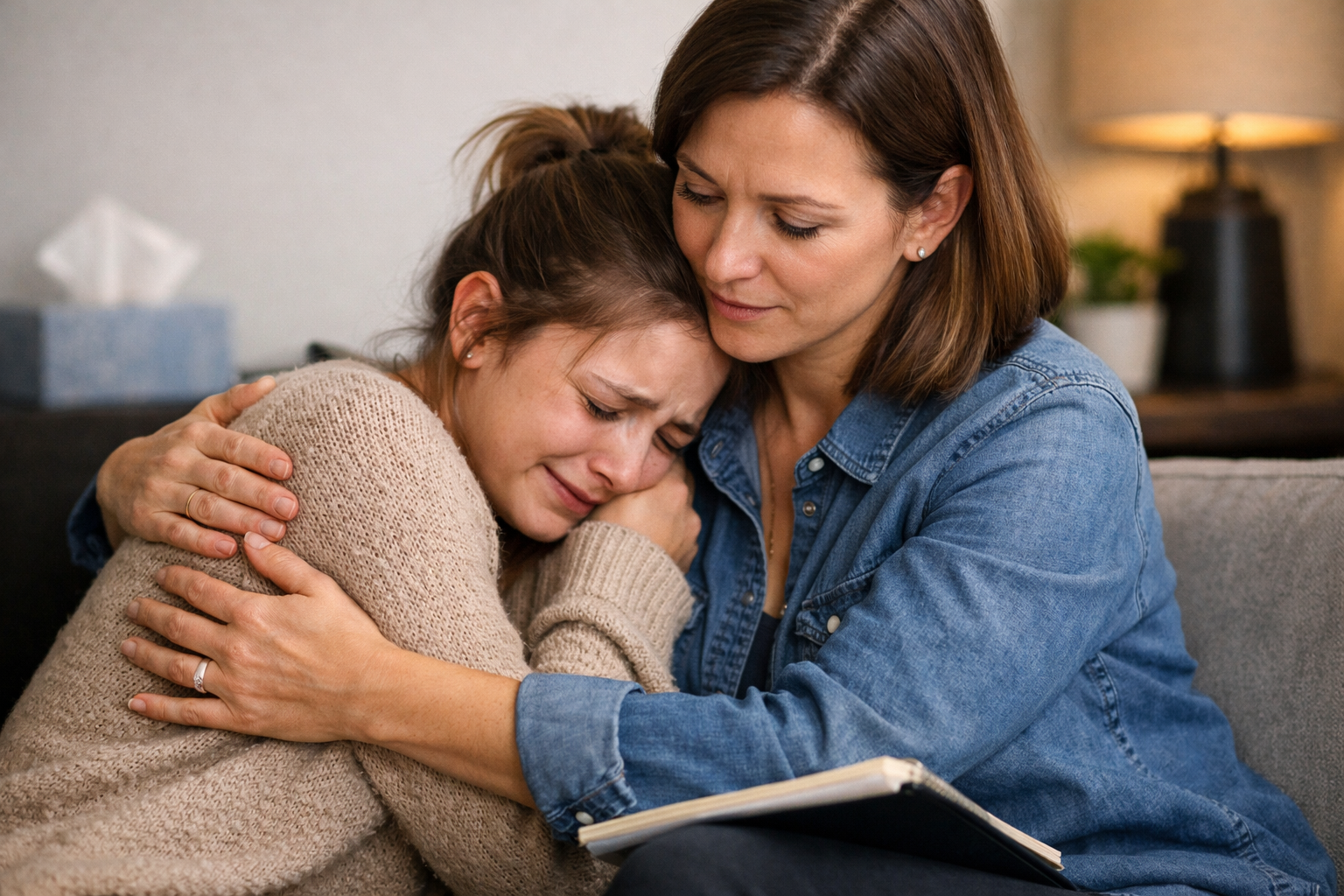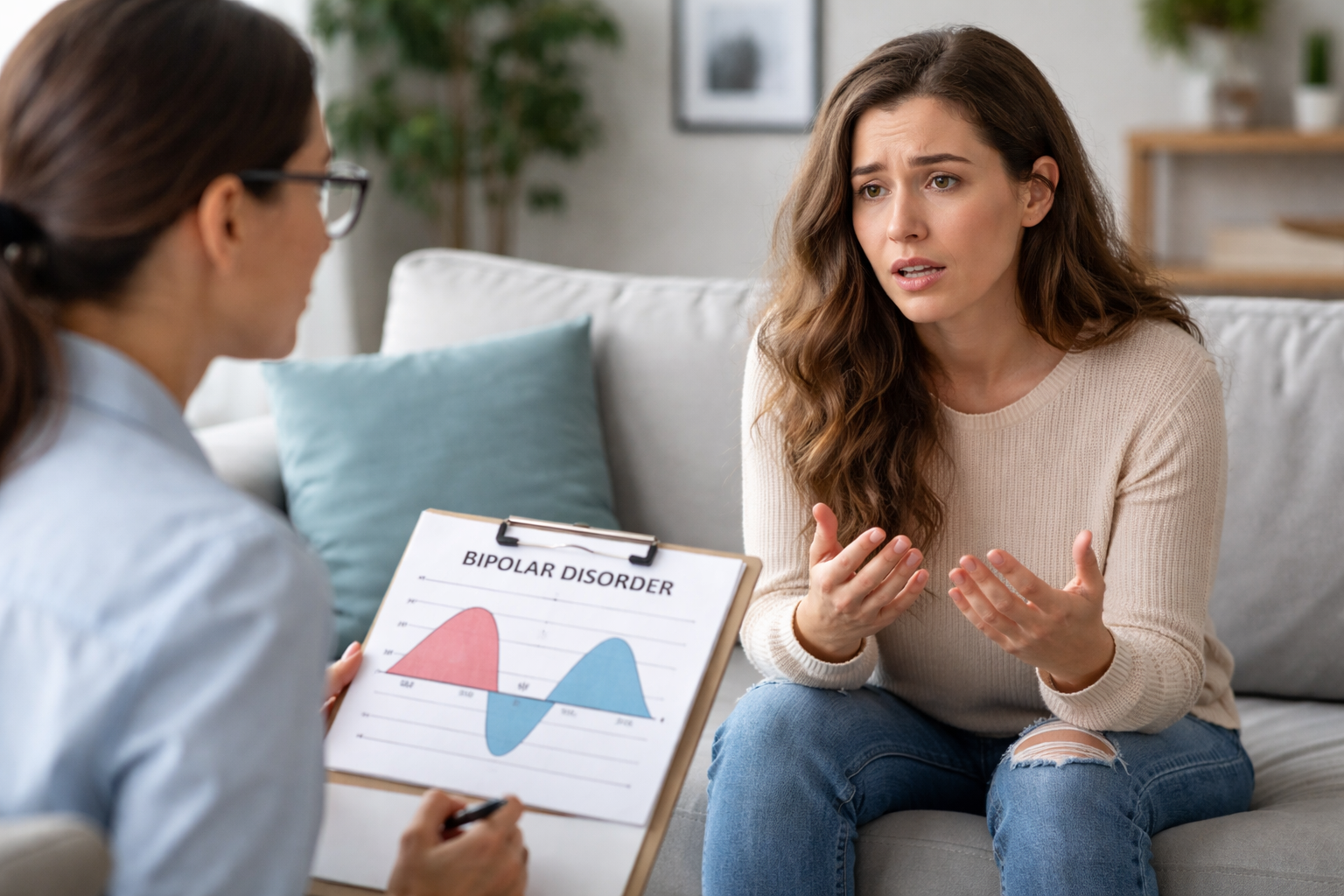

Post menstrual stress disorder is a term some people use to describe a cluster of symptoms that start after a menstrual period ends. It is often used interchangeably with post-menstrual syndrome, though the phrase post menstrual stress disorder is not a formal medical diagnosis. Many people find the label useful because it names a set of recurring physical and psychological effects that follow the period phase of the cycle.
Defining Post Menstrual Stress Disorder
When people talk about post menstrual stress disorder they usually mean post-menstrual symptoms that persist or worsen once bleeding stops. Unlike premenstrual symptoms that appear before a period, these signs emerge after menstruation and can include low energy, mood changes, and trouble concentrating. The lack of formal recognition does not make these experiences less real. Health professionals often describe the pattern as post-menstrual syndrome when symptoms are consistent and disruptive.
Why Understanding These Symptoms Matters
Recognizing post menstrual stress disorder as a pattern helps people take clearer steps toward relief. Awareness makes it easier to track timing, link symptoms to the cycle, and discuss options with a clinician. For many, knowing that symptoms are common reduces shame and prompts practical changes at work and home. Post-period symptoms can affect sleep, relationships, productivity, and emotional wellbeing, so early recognition supports faster, more targeted help.
Still unsure what to take?
Answer a few questions and get a personalized supplement recommendation instantly.
Take Cenario quiz now!
Common Symptoms And Timing
Symptoms linked to post menstrual stress disorder tend to be more psychological than physical, though both types occur. Key features to watch for include:
- Fatigue and low energy
- Mood swings, increased irritability, or anxiety
- Feelings of sadness or mild depression
- Difficulty sleeping or changes in sleep quality
- Concentration problems or brain fog
- Headaches and lingering aches for some people
Timing is an important clue. If these symptoms reliably begin after the period and affect daily life for several days, tracking them over two to three cycles can help confirm a pattern. That information is useful when exploring causes and relief strategies with a healthcare provider.
Causes of post menstrual stress disorder
Several interacting factors can drive post menstrual stress disorder symptoms. Understanding the mechanisms helps people and clinicians match relief strategies to likely causes. Three main pathways are hormonal shifts, stress-related brain chemistry changes, and lifestyle or genetic influences.
Hormonal fluctuations
After a period, the body moves through a phase of rising estrogen and lower progesterone for many people. That rebound can affect brain regions that regulate mood, sleep, and cognition. These shifts change how neurotransmitters like serotonin and GABA act, which may explain why emotional symptoms and brain fog appear or persist once bleeding ends.
Hormone-driven symptoms are often cyclical and repeat monthly. Tracking timing and severity over two or three cycles can clarify whether hormones are a primary trigger for post menstrual stress disorder.
Stress and neurotransmitter imbalance
Chronic or acute stress alters the hypothalamic-pituitary-adrenal axis and raises cortisol. Elevated stress hormones sensitize the nervous system, making mood swings and anxiety more likely after a period. Research shows perceived stress increases the number and intensity of perimenstrual symptoms, suggesting that stress can amplify post-period changes.
Stress also impacts serotonin and norepinephrine pathways. When these neurotransmitters are out of balance, emotional regulation and sleep quality suffer. That interplay can turn a mild hormonal rebound into a more disruptive episode of post menstrual stress disorder.
Lifestyle and genetic contributors
Poor sleep, low nutrient intake, sedentary habits, and exposure to certain chemicals in hygiene products can all worsen symptoms. Iron deficiency or low vitamin D, for example, may deepen fatigue and concentration problems after a cycle.
Genetics also play a role. Some people inherit greater sensitivity to hormonal change or stress, making them more likely to experience recurring postmenstrual symptoms. A combined view that includes lifestyle, biology, and family history gives a fuller picture of cause.
Treatment and relief strategies for post menstrual stress disorder
Treatment aims to reduce symptom severity and shorten episodes. Most plans combine lifestyle approaches with targeted medical options when needed. Tailored strategies work best because triggers vary between individuals.
Lifestyle adjustments
- Sleep hygiene: keep consistent sleep-wake times, limit screens before bed, and create a calm bedtime routine to reduce post-period sleep disturbances.
- Nutrition: focus on balanced meals with whole grains, lean proteins, healthy fats, and micronutrients. Foods rich in magnesium, vitamin B6, and omega-3 fatty acids can support mood and cognition.
- Exercise: regular moderate activity boosts serotonin and reduces stress. Aim for at least 150 minutes of moderate exercise per week, including strength and aerobic work.
- Stress management: practices like progressive muscle relaxation, guided breathing, and mindfulness reduce cortisol and improve emotional resilience.
Early identification and flexible treatment help prevent symptom escalation. Regular reassessment also allows clinicians to refine the diagnosis if a clearer pattern emerges.
Chronic stress is not something you “push through.” Left unaddressed, it compounds and affects multiple systems in your body.
The good news is that your stress response can be supported and regulated when you target the right mechanisms.
Your stress is personal. Your solution should be too.
Read more about stress here.
Medical interventions and supplements
When lifestyle measures are not enough, clinicians may consider medications or hormonal regulation. Low-dose antidepressants that influence serotonin can ease mood and anxiety symptoms tied to the cycle. Hormonal contraceptives or other hormone therapies may reduce the amplitude of monthly hormonal changes.
Supplements such as magnesium, vitamin B6, and omega-3s are commonly used to relieve mild symptoms. Talk with a healthcare provider before starting supplements or changing medications, especially if you have medical conditions or take other drugs.
Comparing post menstrual stress disorder with related conditions
It helps to contrast post menstrual stress disorder with similar diagnoses to clarify treatment choices.
- PMS tends to appear before a period and often includes physical signs like bloating and cravings. Emotional symptoms are part of the mix but align with pre-period timing.
- PMDD is a more severe, clinically defined condition with intense mood symptoms and functional impairment, usually linked to the luteal phase before a period.
- Postmenstrual syndrome or post menstrual stress disorder refers to symptoms that begin after bleeding stops, often featuring brain fog, lingering fatigue, and mood instability. The timing and persistence after menstruation distinguish it from premenstrual patterns.
Recognizing the timing, pattern, and triggers helps clinicians decide whether to recommend lifestyle changes, short-term medications, or referral for specialist care.
Next steps and when to seek help
If post menstrual stress disorder symptoms interfere with work, relationships, or sleep, keep a symptom diary and discuss patterns with a clinician. A thorough review can identify hormonal, nutritional, or mental health contributors and guide a safe, personalized plan for relief.
Mind-Body Approaches For Managing Post Menstrual Stress Disorder
Beyond diet and medication, mind-body practices can reduce the intensity and duration of post menstrual stress disorder symptoms. These techniques target the stress response and help rebalance mood, sleep, and focus. They are low-risk, can be practiced at home, and often improve overall resilience.
Practical Techniques To Try
- Breathing Exercises — Simple routines such as 4-4-6 breathing or paced inhalation and exhalation can lower heart rate and calm the nervous system in minutes.
- Short Mindfulness Sessions — A daily 10-minute guided mindfulness practice helps reduce rumination and improves concentration after a period.
- Gentle Yoga And Stretching — Focus on restorative poses, hip openers, and slow movement to ease tension and support sleep quality.
- Progressive Muscle Relaxation — Tensing and releasing muscle groups for 10 to 15 minutes can reduce physical stress and improve sleep.
- Behavioral Practice — Brief cognitive strategies, like labeling emotions or using a grounding script, can interrupt negative thought patterns tied to symptoms.
How To Build A Simple Routine
Start small. Combine three practices into a weekly plan and build consistency over six weeks. Example schedule:
- Morning: 5 minutes breathing + 5 minutes mindfulness, three times a week.
- Midday: 20-minute walk or light exercise most days to lift mood and support sleep.
- Evening: 10 to 15 minutes of restorative yoga or progressive muscle relaxation when symptoms appear.
Track how each practice affects sleep, energy, and mood so you can refine what helps most for your post menstrual stress disorder pattern.
Period Product Considerations And Symptom Relief
The products used during menstruation can influence comfort in the days after bleeding stops. Some people notice that irritation, allergic reactions, or chemical sensitivities heighten fatigue and low mood.
What To Look For
- Choose unscented, breathable products if you notice skin irritation or pelvic discomfort.
- Consider alternatives such as menstrual cups or period underwear to reduce exposure to certain chemicals used in some disposable pads and tampons.
- Change pads and tampons regularly and use the correct absorbency to avoid discomfort that may carry into the post-period phase.
- If you suspect a sensitivity, try a short trial swapping one product at a time and log any changes in symptoms.
These changes are not a cure, but they can reduce a physical source of stress that contributes to post menstrual stress disorder symptoms.
Putting It Together: A Simple Action Plan
Create a short symptom-action plan you can follow each cycle. Keep a two-cycle diary that records:
- Daily energy, mood, sleep, and cognitive clarity ratings
- Which mind-body practices you used and how long
- Any changes in period products or diet
- Work or life stressors that may influence symptoms
After six to eight weeks, review patterns with a clinician or trusted health advisor. Small, consistent changes often produce clearer benefits than trying many things at once.
Take the 3 minute assessment and build your personalized memory support formula
Your brain is unique. Your inputs should be too.
Your stress is personal. Your solution should be too.
Read more about stress here.
Final Thoughts And Call To Action
Post menstrual stress disorder-like symptoms can be managed with a mix of mind-body tools, practical period product choices, and a clear tracking plan. You do not have to accept persistent fatigue or low mood as inevitable. Try one small change this cycle, record the results, and adjust from there. If symptoms disrupt daily life, reach out to a healthcare professional for personalized care.
Frequently asked questions
How Can I Track Post Menstrual Stress Disorder To Identify Triggers?
Keep a simple daily diary that rates sleep, energy, mood, and concentration on a 1 to 5 scale, note diet, stressors, and period products. Tracking helps reveal patterns tied to post menstrual stress disorder and guides targeted changes.
Can Changing Period Products Reduce Symptoms Of Post Menstrual Stress Disorder?
Yes, switching to unscented, breathable options or trialing a menstrual cup or period underwear can reduce irritation and physical stress that may worsen post menstrual stress disorder symptoms for some people.
How Quickly Do Mind-Body Techniques Help With Post Menstrual Stress Disorder?
Some techniques, like breathing exercises, can produce relief within minutes, while consistent practices such as mindfulness or yoga often show clearer benefits over several weeks when managing post menstrual stress disorder.