
Understanding Cortisol and Its Impact
Cortisol is produced in the adrenal cortex through a tightly regulated system known as the HPA axis. It controls far more than the stress response. It regulates blood sugar availability, stabilizes blood pressure, influences immune activity, modulates inflammation, shapes memory formation, and adjusts energy output depending on environmental demand. When the system is functioning correctly, cortisol rises sharply in the morning, supports alertness through the day, and falls in the evening so the body can repair, sleep, and reset.
This balance breaks easily. Chronic psychological stress increases baseline cortisol. Poor sleep shifts the timing of cortisol release. High inflammatory load forces the body to maintain elevated cortisol, since cortisol acts as an internal anti inflammatory buffer. When these pressures continue for weeks or months, the result is a distorted hormone rhythm.
The consequences are predictable. Elevated cortisol contributes to anxiety and irritability. It disrupts the sleep wake cycle and makes falling asleep more difficult. It increases appetite, especially for high sugar foods, and drives fat storage around the abdomen. Cognitive performance suffers because high cortisol suppresses hippocampal function, slowing memory and learning. Over time, the body becomes less sensitive to cortisol, which forces the system to produce even more. This feedback loop accelerates metabolic and neurological strain. Managing cortisol is not optional. It is a core requirement for long term mental and physical health.
Targeting cortisol directly can be an effective strategy when stress becomes chronic and starts affecting sleep, mood, and energy. This article fits into our broader exploration of stress physiology and evidence-based relief strategies in the advanced stress and cortisol management hub.
The Growing Interest in Natural Stress Relief
The shift toward natural interventions is not driven by marketing. It is driven by the failure of symptom focused solutions. Sedatives are overused and disrupt sleep architecture. Stimulants increase dependency and worsen underlying HPA dysfunction. Many people want to reduce stress without paying the cost of pharmaceutical side effects, and they want options that support long term regulation instead of short term sedation.
The public interest aligns with the research. Adaptogens, amino acids, phospholipids, botanical extracts, and metabolic regulators have shown measurable effects on cortisol, inflammation markers, perceived stress scales, sleep quality, and cognitive performance. This data gives people justification to choose natural interventions that target the core biological pathways behind stress.
Scientific Validation of Supplements
A growing body of human clinical trials shows that specific compounds can reliably lower cortisol or improve cortisol rhythm. Ashwagandha has demonstrated significant reductions in serum cortisol and improvements in stress questionnaires. Phosphatidylserine reduces ACTH driven cortisol output and smooths the evening curve. Rhodiola improves stress resilience and cognitive performance during fatigue states. Magnesium improves parasympathetic activation, allowing cortisol to fall naturally during the evening. Omega 3 fatty acids reduce inflammatory signals that push cortisol upward.
This evidence based foundation matters because it filters out ineffective ingredients and marketing driven blends. It allows people to choose supplements based on mechanism and outcome rather than hype. As a result, natural cortisol support is now a scientifically grounded category, not an alternative health trend.
Why Cortisol Control Matters
Cortisol Is More Than a Stress Marker
Cortisol regulates energy availability, inflammation control, blood sugar balance, sleep timing, and emotional stability. When the hormone rises at the wrong time or stays elevated for too long, the system shifts into a survival-first mode. That keeps you functional but harms long term health.
Cortisol Follows a Strict Daily Rhythm
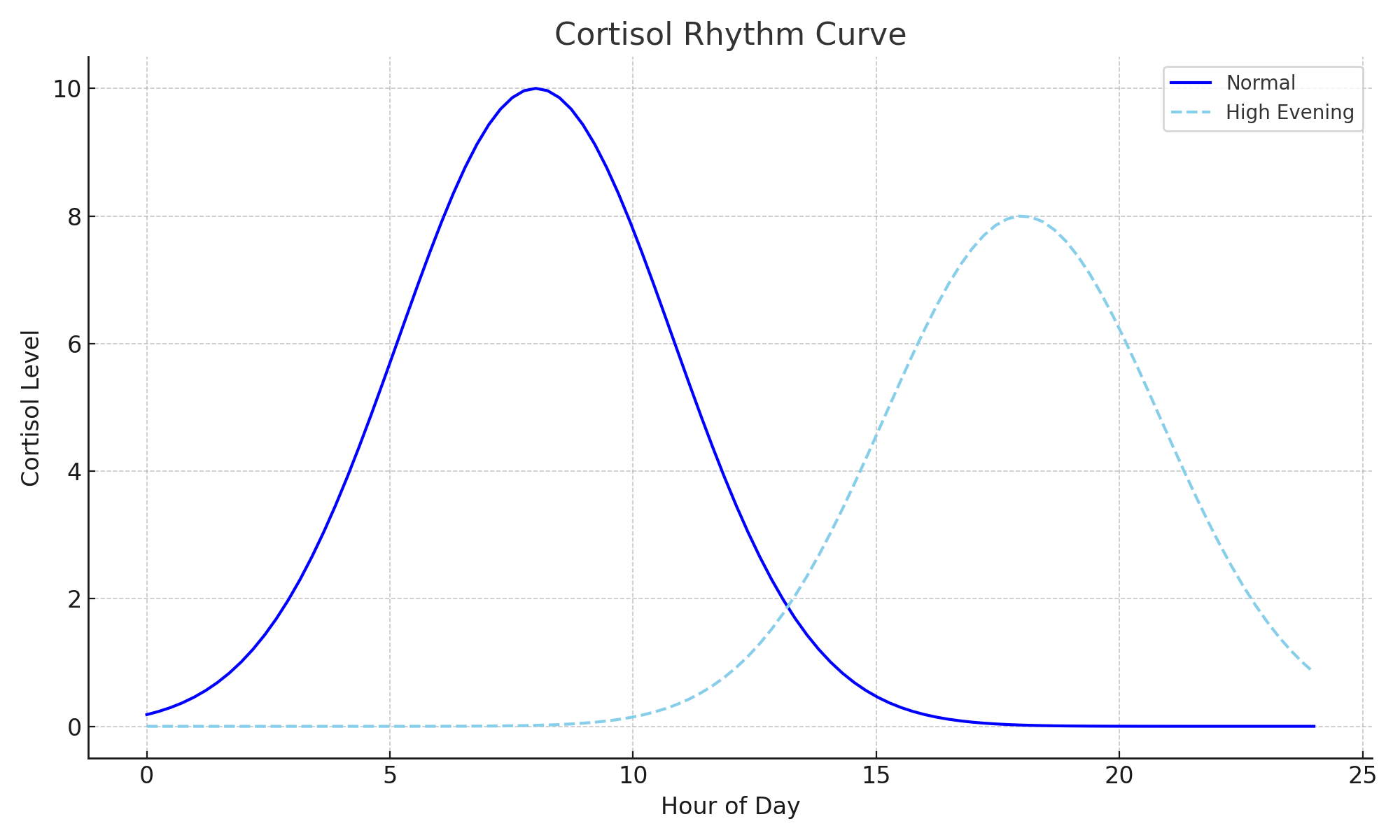
The hormone should peak within the first hour after waking and then fall gradually through the day. It should reach its lowest point at night so melatonin can take over. Any shift in this curve produces predictable outcomes.
- Too sharp a morning peak creates anxiety and tension.
- A weak or delayed peak creates fatigue and slow thinking.
- High evening cortisol blocks sleep and creates a wired but tired state.
What Disrupts the Cortisol Curve
There are three dominant drivers.
- Chronic psychological stress that keeps the HPA axis firing.
- Irregular sleep and artificial light that shift circadian timing.
- Inflammatory load that forces cortisol higher as a compensatory response.
Why Most People Treat the Wrong Problem
Most people chase symptoms instead of fixing the hormone pattern. They use stimulants for fatigue, sedatives for sleep, or calming herbs for anxiety. None of these restore the cortisol rhythm. The result is temporary relief and long term instability.
The Goal of Cortisol Supplementation
The purpose is not sedation or stimulation. The goal is to restore the natural rhythm. Strong morning peak. Smooth daytime decline. Lowest point at night. When that curve normalizes, sleep improves, anxiety decreases, and energy stabilizes.
Setting the stage for cortisol control
This blog post will delve into various cortisol control supplements that are backed by scientific evidence. We will explore how these supplements can be incorporated into daily routines to reduce stress and improve overall health. By understanding the benefits and mechanisms of these supplements, individuals can make informed decisions about their stress management strategies.
Stay tuned as we explore the world of cortisol control supplements, uncovering the science behind their effectiveness and the potential benefits they offer in promoting a healthier, more balanced life.
Key Cortisol Control Supplements
Table 3. Key Cortisol Control Supplements and Primary Mechanisms
| Supplement | Main Mechanism | Cortisol Impact | Best Use Case |
|---|---|---|---|
| Tangeretin | Lowers ACTH, reduces oxidative stress | Reduces serum cortisol + ACTH | High stress loads, athletic recovery |
| Phosphatidylserine | Blunts ACTH spikes, improves neural recovery | Reduces stress-induced spikes | High surges, cognitive stress, evening calm |
| Vitamin C | Stabilizes adrenal output, lowers reactivity | Blunts cortisol during acute stress | Physical stress, immune support |
| Magnesium | Increases parasympathetic tone, GABA support | Lowers evening cortisol | Wired but tired, sleep latency |
| Ashwagandha | Modulates HPA axis, lowers inflammation | Significant cortisol reduction | Chronic elevation, sleep + mood |
Tangeretin: A Potent Citrus Flavonoid
Tangeretin is a polymethoxylated flavone found in citrus peels. It influences HPA axis signaling and inflammatory pathways. Human studies show that four weeks of supplementation reduces serum cortisol and ACTH, especially in athletes who experience repeated high stress loads. Lower ACTH indicates reduced pituitary stress signaling rather than simple cortisol suppression.
Tangeretin also interrupts the oxidative stress loop that drives chronic cortisol elevation. By reducing reactive oxygen species and downregulating NF kappa B activity, it lowers inflammation and supports more efficient recovery from both physical and psychological stress. This improves fatigue resistance, cognitive steadiness, and overall resilience.
Phosphatidylserine: Enhancing Stress Recovery
Phosphatidylserine (PS) is essential for neuronal membrane function. It blunts cortisol spikes during intense exercise, emotional stress, and cognitive overload. The primary mechanism is its modulation of ACTH release and its support for neuronal communication.
PS enhances recovery by improving the brain’s ability to exit a stress activation state. This reduces mental fatigue, improves focus, and stabilizes sleep architecture by lowering evening cortisol. It is effective for people who experience strong, rapid cortisol surges rather than chronic elevation.
Vitamin C: A Multifaceted Stress Reliever
Vitamin C is heavily concentrated in the adrenal glands because it is needed for cortisol synthesis. When vitamin C drops, cortisol output becomes less stable and stress reactivity increases. Supplementation helps normalize adrenal hormone production and blunts cortisol spikes during stress.
It also influences serotonin and norepinephrine synthesis and reduces oxidative stress generated by chronic HPA activation. Trials show that vitamin C lowers anxiety markers during stress tests, stabilizes mood, and reduces blood pressure reactivity. It is a simple, reliable tool for buffering both acute and chronic stress responses.
Magnesium: The First Line Stress Supplement
Magnesium regulates hundreds of biochemical pathways that control stress hormones, neurotransmitters, and muscle tension. It reduces sympathetic activity and strengthens parasympathetic activation, which naturally lowers evening cortisol.
Chronic deficiency is linked to elevated cortisol, insomnia, anxiety, and poor recovery. Supplementation improves GABA signaling, lowers perceived stress scores, deepens sleep, and reduces nighttime awakenings. Glycinate supports relaxation and sleep, threonate targets the brain more directly, and citrate helps when stress affects digestion. All forms contribute to improved cortisol balance.
Ashwagandha: A Core Adaptogenic Herb
Ashwagandha reduces cortisol by modulating HPA axis activity, improving cortisol receptor sensitivity, and lowering inflammatory signaling. Human trials show consistent reductions in serum cortisol along with improvements in sleep, mood, and stress resilience.
Its adaptogenic effect improves balance without sedation. It enhances GABAergic tone, stabilizes the amygdala, supports thyroid function, and increases overall recovery capacity. It is effective for high evening cortisol, chronically elevated daily cortisol, and stress driven sleep disturbances. Combining it with magnesium or phosphatidylserine amplifies its impact on sleep latency and stress reduction.
Mechanisms and Broader Health Benefits
How Cortisol Control Supplements Work
Cortisol control supplements influence core components of the HPA axis, the circadian rhythm, and the neurotransmitter systems that regulate stress. They work by altering how the brain perceives stress signals, how the adrenal glands release cortisol, and how quickly cortisol is cleared from circulation. Some compounds reduce ACTH driven cortisol spikes. Others improve parasympathetic dominance so the body exits a stress state faster. Several ingredients also reduce inflammatory signals that force cortisol upward.
When these biochemical pathways realign, the system shifts out of survival mode. The results include smoother cortisol curves, lower reactivity, improved evening calmness, and more stable energy regulation.
Additional Health Advantages
Correcting cortisol improves more than stress. It supports deeper sleep because evening cortisol naturally drops, which allows melatonin to rise. It reduces systemic inflammation, which helps reduce joint pain, digestive irritation, and metabolic strain. It improves cognitive function by protecting hippocampal neurons from cortisol related damage. When cortisol stabilizes, cravings drop, appetite normalizes, and mood becomes less volatile. The broader benefit is a more resilient physiological baseline.
Scientific Evidence and Research Insights
Supporting Studies and Trials
Peer reviewed studies consistently show measurable effects from evidence based cortisol support ingredients. Tangeretin reduces serum cortisol and ACTH in stressed athletes. Phosphatidylserine lowers cortisol spikes during intense exercise and improves recovery. Vitamin C reduces cortisol reactivity in both physical and psychological stress tests. Magnesium improves parasympathetic activity and reduces nighttime cortisol. Ashwagandha reduces cortisol by up to thirty percent in clinical trials and improves sleep quality and stress resilience.
These results confirm that cortisol regulation is achievable through targeted biochemical interventions, not guesswork.
The Importance of Evidence Based Choices
Not all supplements influence cortisol. Many blends rely on underdosed herbs or irrelevant ingredients. Evidence based selection ensures the mechanism matches the outcome. Choosing validated compounds improves the probability of lowering stress biomarkers and achieving real physiological change. Relying on data rather than marketing also prevents people from wasting time on formulas that do not influence the HPA axis or circadian rhythm at all.
Combining Supplements with Lifestyle Interventions
Why Integration Matters
Supplements correct biochemical pathways. Lifestyle interventions correct environmental and behavioral drivers. You need both. Exercise improves cortisol clearance and increases stress resilience. Sleep regularity controls circadian timing and prevents the inverted cortisol curve. A nutrient dense diet reduces inflammation, which removes one of the biggest drivers of chronic cortisol elevation.
Meditation, breath work, and yoga increase parasympathetic output and reduce baseline cortisol. These practices reinforce the effects of supplements because they work on the same systems through different mechanisms.
Practical Integration
Use supplements to correct the hormone pattern. Use lifestyle habits to keep the pattern stable.
- Morning light exposure improves the morning cortisol spike.
- Strength training enhances cortisol resilience.
- A consistent sleep window prevents evening cortisol elevation.
- Whole foods stabilize blood sugar and reduce stress driven cravings.
Efficacy, Suitability, and Limitations
Why Responses Vary
Individual outcomes differ because cortisol regulation depends on genetics, baseline stress load, sleep quality, metabolic health, and existing HPA adaptations. Some people respond strongly to adaptogens. Others respond more to phospholipids or mineral based interventions.
Most research focuses on short term outcomes. Long term data is limited, which means users must evaluate their own responses and adjust. Personalized approaches consistently outperform one size fits all formulas.
Recognizing Limitations
Supplements cannot compensate for severe sleep disruption, chronic under eating, or continuous psychological stress. They support the system but do not override it. People with extreme cortisol dysregulation often need both lifestyle repair and targeted supplementation for optimal results.
Safety and Considerations
Safe Use and Possible Interactions
Most cortisol regulating supplements are safe, but safety still depends on dose, health status, and medication use. High doses of vitamin C can cause gastrointestinal issues. Excess magnesium can cause digestive discomfort. Ashwagandha may interact with thyroid medication. Phosphatidylserine can impact people using blood thinning agents.
Medical consultation is essential for anyone with existing conditions or active prescriptions. This ensures proper dosing, avoids interactions, and maintains a safe approach to stress management.
Take the Cenario Quiz and get a personalized formula that shows exactly which nutrients your symptoms point to.
Frequently Asked Questions
What Are Cortisol Control Supplements?
Cortisol control supplements are targeted formulations designed to regulate how the body produces and responds to cortisol. They include compounds that influence HPA axis signaling, reduce inflammatory drivers of cortisol, support neurotransmitter balance, and improve circadian alignment. Ingredients such as tangeretin, phosphatidylserine, vitamin C, magnesium, and ashwagandha are commonly used because they have documented biochemical effects rather than generic calming benefits.
Who Can Benefit From These Supplements?
Anyone dealing with chronic stress, poor sleep, or persistent fatigue can benefit. Athletes use them to reduce cortisol spikes that impair recovery. Professionals under cognitive load use them to stabilize focus and reduce burnout. Individuals with high evening cortisol or a wired but tired state often see improvements in sleep latency and emotional stability. They are not exclusive to high stress populations. Anyone with a disrupted cortisol rhythm can use them strategically.
Are There Side Effects or Risks?
Most evidence based cortisol supplements have strong safety profiles, but nothing is risk free. Some people may experience digestive discomfort from magnesium or high dose vitamin C. Ashwagandha can interact with thyroid medication or cause issues for people with autoimmune conditions. Phosphatidylserine may influence blood thinning pathways. Dose matters. Form matters. Health status matters. Following clinically used ranges and consulting a healthcare professional prevents most problems.
How Long Until Results Appear?
Changes in subjective stress can appear within one to two weeks. Measurable cortisol changes usually require three to six weeks depending on the compound and the severity of dysregulation. People with severe sleep disruption or chronic burnout generally need longer because cortisol rhythm repair involves both biochemical and behavioral correction. Consistency is the single most important variable.
Can These Supplements Be Taken With Prescription Medications?
They can be combined safely in many cases, but interactions do occur. Supplements that alter neurotransmitter activity, inflammation, or blood pressure can interact with antidepressants, anti anxiety medications, stimulants, thyroid medications, and blood thinners. A healthcare review prevents negative interactions and ensures dosing aligns with individual physiology.