
Why Stress and Anxiety Are So Common Today
Stress and anxiety are part of modern life for many people. Long work hours, social pressures, financial worries, and endless digital distractions all add to mental strain. Over time, this constant pressure can start to wear you down, affecting not just your mood but also your body. You might feel tired, irritable, or overwhelmed, and even develop symptoms like headaches, insomnia, or digestive issues.
Anxiety goes a step further. It’s more than just stress. It often involves persistent worry, racing thoughts, or even physical sensations like a fast heartbeat or shortness of breath. And when left untreated, anxiety can seriously interfere with your ability to focus, make decisions, or enjoy daily life.
Many people turn to therapy or medication, which can be very effective. But more and more are also exploring natural tools that they can use on their own and mindfulness meditation is one of the most proven and accessible.
What Is Mindfulness Meditation?
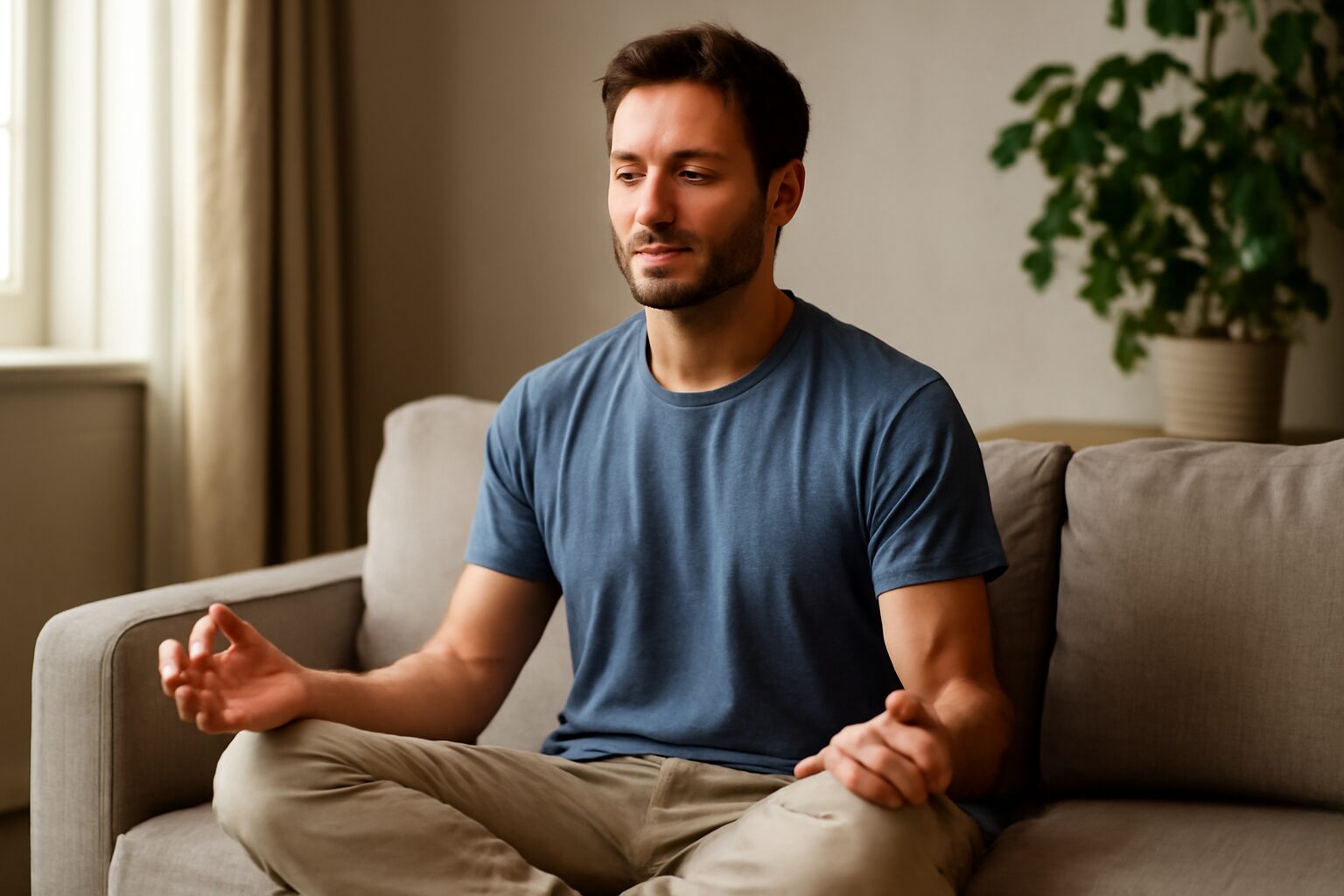
Mindfulness meditation is a practice where you bring your full attention to the present moment. You might focus on your breath, notice sensations in your body, or become aware of sounds around you. The goal is not to “empty your mind,” but rather to notice your thoughts without reacting to them.
Over time, this habit trains your brain to stay calm under pressure. It helps you notice anxious thoughts without getting caught up in them. And it teaches you how to pause, breathe, and respond more intentionally rather than reacting automatically from a place of stress or fear.
You don’t need any equipment or experience. All you need is a few minutes of quiet time each day.
How Meditation Helps With Stress and Anxiety
Meditation has a powerful effect on both your mind and body. It is not just a mental practice it creates real physical changes that can help reduce the symptoms of stress and anxiety. When you meditate regularly, you are training your brain and body to respond differently to challenges. Over time, this can improve your mood, sharpen your focus, and build your emotional resilience.
Here are some of the key benefits you may notice from consistent meditation:
1. Calmer thoughts and less overthinking
Meditation helps you become more aware of your thoughts. Instead of getting caught up in anxious thinking or worst-case scenarios, you learn to observe those thoughts without reacting. This can break the cycle of rumination and help you stay mentally clear, even when life gets stressful.
2. Lower heart rate and slower breathing
When you’re stressed or anxious, your body shifts into “fight or flight” mode—your heart beats faster, your breathing becomes shallow, and your muscles tense up. Meditation helps reverse this. Deep, slow breathing during meditation sends signals to your nervous system that it’s safe to relax. As a result, your heart rate slows down, your breathing becomes steadier, and your body starts to calm.
3. More emotional control and resilience
Regular meditation strengthens the part of your brain responsible for regulating emotions. This means you’re less likely to react impulsively when faced with frustration, fear, or sadness. Instead, you gain the ability to pause, assess the situation, and choose a more balanced response. This emotional control is key to managing anxiety in everyday life.
4. Better sleep quality
Many people find that meditation helps them sleep better. By quieting the mind and relaxing the body, meditation makes it easier to fall asleep and stay asleep. If you struggle with racing thoughts at night, even a short evening meditation session can help ease you into rest.
5. Improved concentration and mental clarity
Stress and anxiety can make it hard to focus. Meditation teaches your brain to stay present and focused on one thing at a time. This improves your ability to concentrate, complete tasks, and be more productive during the day. You may also notice that your memory and decision-making skills improve as your mind becomes less cluttered.
Why Consistency Matters
Meditation isn’t a one-time fix. Like any other skill, the benefits grow with practice. You don’t need to meditate for hours. Even just 5 to 10 minutes a day can make a real difference.
The key is to be consistent. Over time, your brain and body will start to respond more calmly to stress not just during meditation, but throughout your day.
Meditation trains your mind the same way exercise trains your body. The more you do it, the stronger the benefits. You’ll build a long-term sense of calm, stability, and self-awareness that helps protect you from the negative effects of stress and anxiety.
The Science Behind It
Mindfulness meditation has been studied in hundreds of clinical trials. According to research published in medical journals like JAMA and The Lancet, meditation can:
- Reduce the production of cortisol, the body’s main stress hormone.
- Lower inflammation markers in the blood, which are often elevated in people with anxiety.
- Help regulate brain activity in key areas such as calming the amygdala, which is involved in fear, and activating the prefrontal cortex, which helps with decision-making and focus.
Some studies even show that meditation can be as effective as low-dose antidepressants or anti-anxiety medications for people with mild to moderate symptoms without the side effects.
How to Start Meditating
If you’re new to meditation, don’t worry. You don’t need to be a monk or sit cross-legged for hours. Here’s a simple way to get started:
Pick a time
Choose a consistent time each day, such as after waking up or before going to bed.
Find a quiet space
Sit in a chair or on the floor. Keep your back straight but relaxed.
Focus on your breath
Breathe in slowly through your nose. Feel the air enter your lungs. Then breathe out gently. Focus on this feeling.
Expect distractions
Your mind will wander. That’s normal. When it happens, gently bring your focus back to your breath.
Try a guided session
Apps like Headspace, Calm, or Insight Timer offer beginner-friendly meditations. These can help structure your practice.
Start with 5 minutes. Then gradually increase the time as you get more comfortable.
What Kind of Meditation Works Best for Stress and Anxiety?
There are many types of meditation, but mindfulness-based practices have the most scientific support for managing stress and anxiety. These include:
- MBSR (Mindfulness-Based Stress Reduction) – A structured program often used in hospitals and clinics.
- MBCT (Mindfulness-Based Cognitive Therapy) – Combines meditation with cognitive therapy to prevent relapses in depression and anxiety.
Other forms like transcendental meditation, mantra meditation, or loving-kindness meditation also have benefits, but they don’t all have the same level of clinical evidence for anxiety relief. If your main goal is to reduce stress, start with mindfulness.
Tips to Make Meditation a Habit
- Start small. Even 2–3 minutes per day is better than nothing.
- Be patient. It might take a few weeks before you notice big changes.
- Link it to something you already do. For example, meditate after brushing your teeth or before your morning coffee.
- Track your progress. Use an app to record your sessions and stay motivated.
- Don’t judge your sessions. Some days will be harder than others. Just showing up is the win.
When to Seek Additional Help
Meditation is powerful but it’s not a cure-all. If you’re struggling with intense or chronic anxiety, it’s important to speak with a licensed therapist or doctor. Meditation works best when it’s part of a larger mental health plan.
Also, if you have trauma, PTSD, or another condition that makes sitting with your thoughts overwhelming, let a mental health professional guide your approach to mindfulness.
Frequently Asked Questions
How soon can I expect results?
Some people feel calmer after the first few sessions. But most noticeable results happen after 2 to 4 weeks of consistent practice.
Is it safe for everyone?
Yes, for most people. But if you have a history of trauma or serious mental illness, check with a healthcare provider before starting.
Do I need to sit still to meditate?
No. You can also practice walking meditation, mindful eating, or body scan meditations lying down. Find what works best for you.
Can I combine meditation with other treatments?
Absolutely. Meditation pairs well with therapy, medication, journaling, or exercise.
The Bottom Line
Mindfulness meditation is one of the most accessible and effective tools for managing stress and anxiety. It’s free, low-effort, and backed by science. By learning how to quiet your mind and stay present, you can change the way you handle pressure, fear, and uncertainty.
Start small. Stay consistent. And remember, you don’t need to be perfect you just need to practice.
.