

Beginning your fitness journey can feel intimidating, but it doesn’t have to be overwhelming. With the right mindset and a few smart strategies, you can build a solid foundation, sidestep common pitfalls, and keep your motivation high for the long haul. Whether you’re aiming for weight loss, muscle building, or simply embracing a healthier lifestyle, these Workout Tips for Beginners will guide you toward lasting success.
Why Start Working Out?
Exercise goes beyond physical appearance—it’s a vital investment in your overall health and happiness. Here’s why incorporating fitness into your routine is so important:
- Boosts energy levels and endurance, helping you tackle daily tasks with ease.
- Supports mental health by reducing symptoms of anxiety and depression.
- Improves sleep quality, helping you wake up refreshed.
- Strengthens the heart and lowers blood pressure, supporting long-term cardiovascular health.
- Builds stronger bones and muscles, preventing injuries and age-related decline.
- Aids in weight management and revs up metabolism, making healthy living more sustainable.
No matter where you’re starting from, small, consistent actions can snowball into significant results over time.
Essential Workout Tips for Beginners
Embarking on a fitness journey is one of the most rewarding decisions you can make for your body and mind. However, starting without the right strategies can lead to frustration, burnout, or even injury. These essential Workout Tips for Beginners are designed to help you build a strong, sustainable fitness routine from day one.
1. Set Clear, Achievable Goals
Before diving into any exercise program, clearly define what success looks like for you. Setting specific, measurable, and realistic goals can help you stay focused and motivated.
Examples of beginner-friendly goals:
- “Exercise three times a week for 30 minutes.”
- “Walk 8,000 steps daily.”
- “Run a 5K within three months.”
Pro Tip: Focus on process goals (like sticking to your workout schedule) rather than solely on outcome goals (such as losing a set number of pounds). Process goals keep you motivated even when physical changes take time.
2. Start Slow and Build Momentum
One of the most common mistakes beginners make is doing too much, too soon. This often leads to soreness, burnout, or injuries.
A safe starting plan:
- Weeks 1–2: Aim for 2–3 short sessions (20–30 minutes) of low-intensity movement, such as brisk walking or beginner yoga.
- Gradually increase the duration, intensity, and complexity of your workouts as your body adapts.
Pro Tip: Consistently building sustainable habits over time leads to lasting, meaningful results.
3. Master Your Form
Proper exercise form ensures you get the most benefit from each movement while minimizing injury risk.
Benefits of mastering form:
- Enhances muscle activation and efficiency.
- Reduces the likelihood of strain and injury.
- Improves overall posture and body awareness.
How to learn good form:
- Work with a certified personal trainer if possible.
- Review instructional videos from reputable fitness professionals and certified organizations to ensure proper technique.
- Practice exercises slowly and mirror yourself to correct technique.
Pro Tip: When it comes to reps and sets, quality surpasses quantity.
4. Balance Cardio and Strength Training
A comprehensive fitness routine should include both cardiovascular exercise and strength training.
Examples:
- Cardio: Walking, running, cycling, swimming, dancing.
- Strength Training: Incorporate bodyweight exercises such as squats and push-ups, structured dumbbell routines, and resistance band workouts to build muscular strength and endurance.
Why both are important:
- Cardio improves heart and lung health, burns calories, and boosts stamina.
- Strength training builds muscle mass, strengthens bones, and improves metabolism.
Pro Tip: A balanced program of 30 minutes, 3–4 times a week, combining both types, can produce outstanding results over time.
5. Prioritize Recovery
Your muscles need time to recover, repair, and grow stronger. Overworking yourself without proper rest can be counterproductive.
Incorporate recovery into your plan:
- Schedule at least 1–2 full rest days each week.
- Include active recovery activities like light yoga, stretching, or leisurely walks.
Pro Tip: Some soreness is normal, especially in the beginning, but sharp or persistent pain is a warning sign to rest and reassess.
6. Stay Hydrated and Well-Fueled
Good nutrition and hydration are foundational to fitness success.
Hydration guidelines:
- Aim for at least 8–10 glasses of water per day.
- Increase intake if you’re working out heavily or in hot conditions.
Nutrition tips:
- Focus on whole foods: lean proteins, vegetables, fruits, complex carbohydrates, and healthy fats.
- Avoid heavily processed foods and refined sugars.
Pro Tip: A post-workout snack rich in protein and carbohydrates can accelerate recovery and replenish energy stores.
7. Track Your Progress
Documenting your fitness journey not only boosts motivation but also provides tangible proof of your progress.
Simple ways to track:
- Keep a workout journal detailing exercises, reps, sets, and personal notes.
- Take monthly photos and measurements.
- Celebrate milestones, such as running longer distances or lifting heavier weights.
Pro Tip: Progress is not always immediately visible in physical appearance—be sure to monitor improvements in strength, endurance, and overall well-being as well.
8. Listen to Your Body
Learning to tune into your body’s signals is critical for avoiding setbacks.
Signs to watch for:
- Good discomfort: Muscle fatigue or mild soreness after a workout.
- Bad pain: Severe, sharp, or persistent discomfort experienced during or following exercise, which may indicate injury and should not be ignored.
Adjust as needed:
- Modify exercises if needed.
- Allow yourself additional rest days if you experience significant fatigue or feel physically depleted.
Pro Tip: Each fitness journey is unique; focus on your personal progress rather than measuring yourself against others who may be at a different stage.
9. Invest in Quality Gear
The right equipment doesn’t have to be expensive, but it should support your safety and comfort.
Essential gear for beginners:
- Shoes: Invest in supportive footwear appropriate for your chosen activities.
- Clothing: Opt for breathable, moisture-wicking materials.
- Extras: A yoga mat, a set of light dumbbells, or resistance bands can elevate your workouts.
Pro Tip: Good gear not only enhances performance but also boosts confidence.
10. Stay Patient and Consistent
Achieving lasting results requires time and consistent effort. Developing a healthier, stronger body is a long-term commitment that demands patience and perseverance.
Expect ups and downs:
- Motivation will ebb and flow.
- Progress might stall temporarily, but staying consistent is key.
Motivation Reminder: Every workout you complete and every healthy choice you make adds up. Stay focused on the bigger picture.
11. How to Stay Motivated Long-Term
Starting strong is important—but staying motivated over the long haul is where real transformation happens. Fitness success relies not only on willpower but also on establishing effective systems that foster motivation and consistency. Below are practical strategies to help you sustain long-term momentum:
- Find a Workout Buddy: Exercising with a friend makes workouts more fun and holds you accountable. You’re less likely to skip a session when someone is counting on you.
- Join Fitness Challenges: Whether it’s a 30-day plank challenge or a virtual step competition, challenges add excitement and structure to your routine.
- Set Monthly Goals: Instead of only thinking long-term, set short, achievable goals each month. For example, “This month, I’ll increase my walking time by 10 minutes” or “I’ll master 10 full push-ups.
- Reward Yourself for Milestones: Celebrate your progress with non-food rewards like new workout gear, a massage, or a relaxing day off. Small incentives reinforce positive habits.
- Mix It Up: Trying new activities like hiking, swimming, dancing, or strength circuits keeps things fresh and prevents boredom.
Motivation Reminder: Motivation isn’t constant—you create it by taking consistent action!
12. Common Mistakes Beginners Should Avoid
Everyone makes mistakes when starting out, but being aware of them can help you avoid setbacks. Here are some common beginner pitfalls and how to sidestep them:
- Skipping Warm-Ups and Cool-Downs: Jumping straight into intense exercise or stopping abruptly can increase your risk of injury. Always take 5–10 minutes to warm up and cool down properly.
- Ignoring Nutrition: Exercise alone isn’t enough. Without fueling your body with balanced meals, your energy levels and recovery will suffer.
- Comparing Your Progress to Others: Everyone’s fitness journey is unique. Stay focused on your own growth instead of comparing yourself to others on social media or at the gym.
- Neglecting Sleep: Rest is just as important as workouts. Poor sleep hinders muscle recovery, energy levels, and even weight loss efforts. Strive to achieve 7–9 hours of quality sleep each night to support optimal recovery and performance.
- Overtraining Too Soon: More isn’t always better. Pushing your body too hard without proper rest can lead to injuries and burnout.
Smart Start Tip: Fitness is a long-term commitment, not a quick endeavor. Focus on mastering the fundamentals, maintaining patience, and trusting the progression over time.
Sample Beginner Workout Plan (No Equipment Needed)
Day 1: Full Body Strength
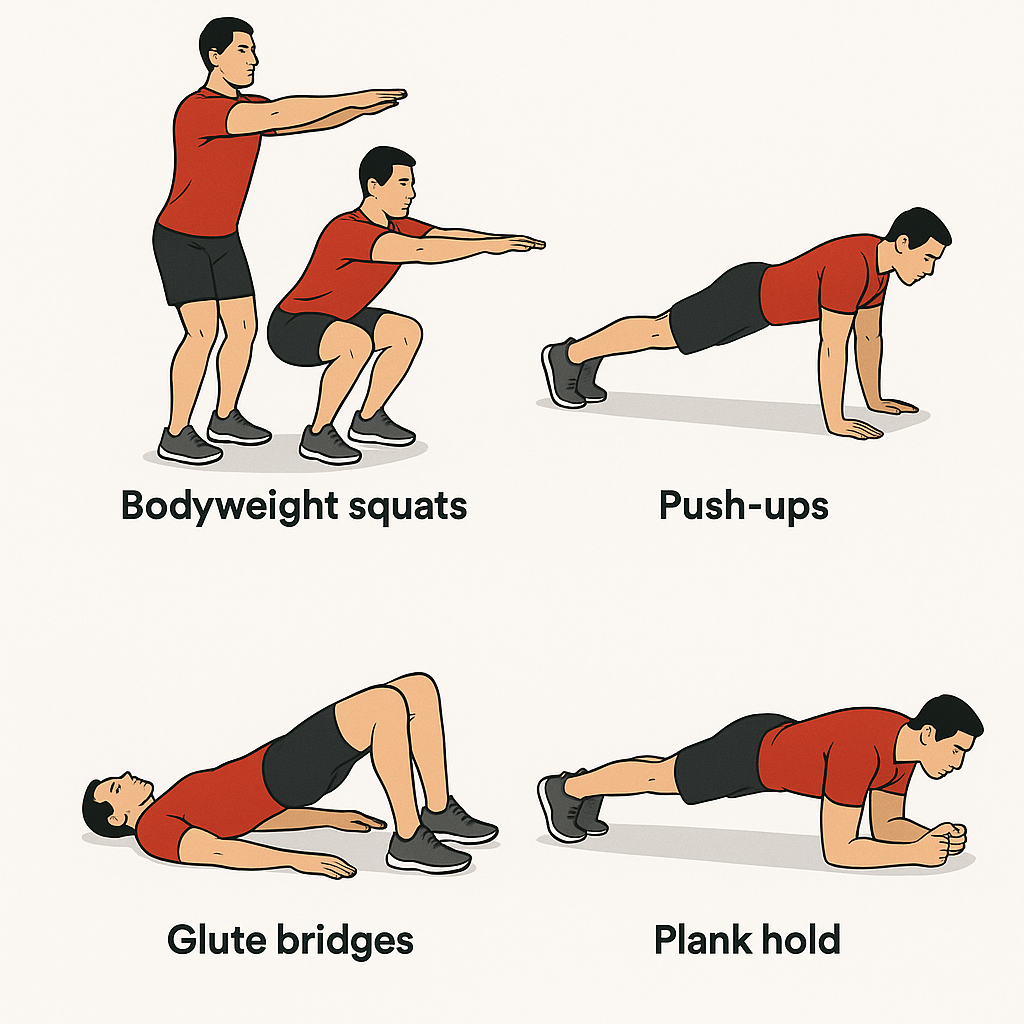
- Bodyweight squats – 3 sets of 12 reps
- Push-ups (knee or standard) – 3 sets of 10 reps
- Glute bridges – 3 sets of 15 reps
- Plank hold – 20–30 seconds
Day 2: Cardio and Core
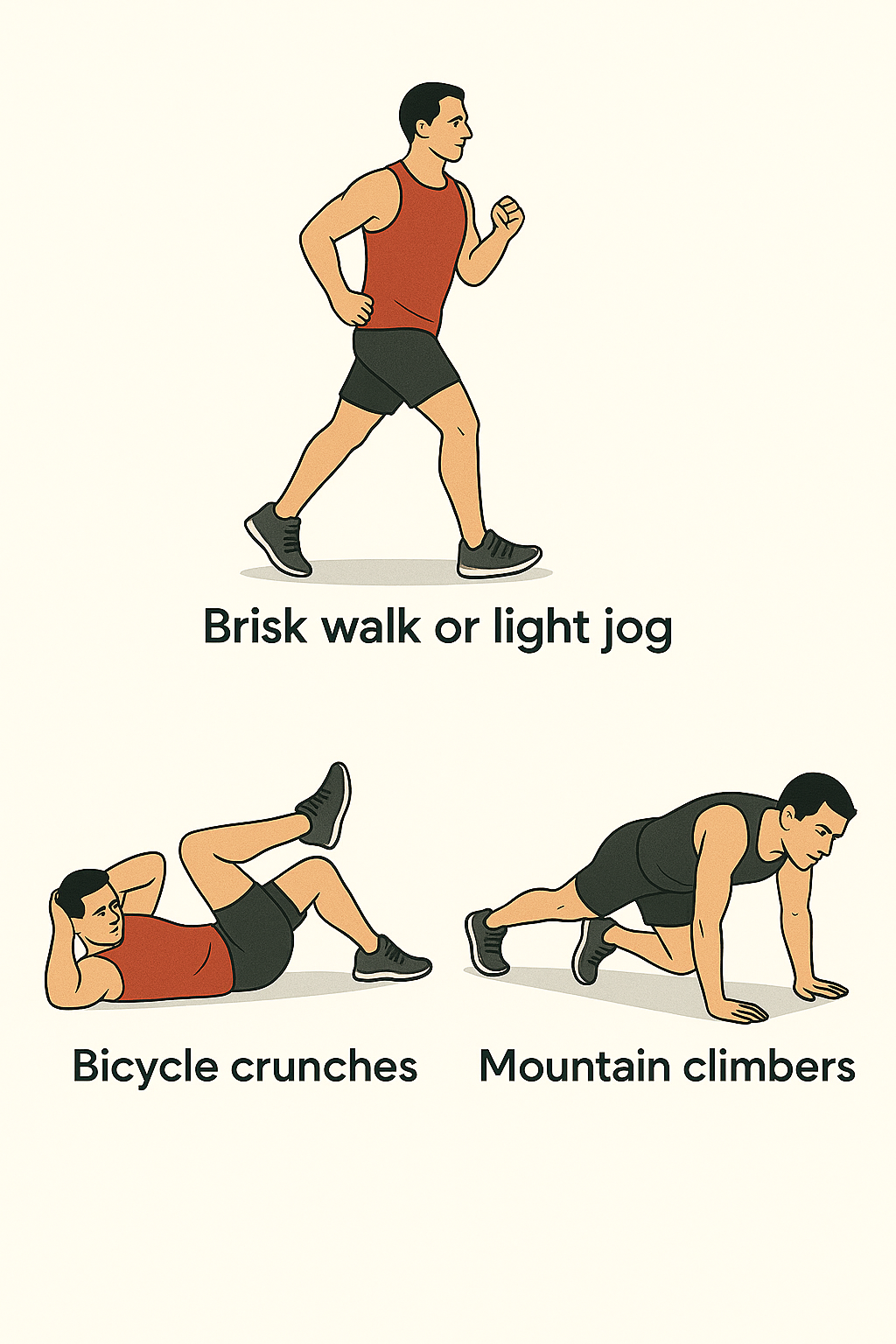
- Brisk walk or light jog – 20 minutes
- Bicycle crunches – 2 sets of 20 reps
- Mountain climbers – 2 sets of 30 seconds
Day 3: Rest or Active Recovery
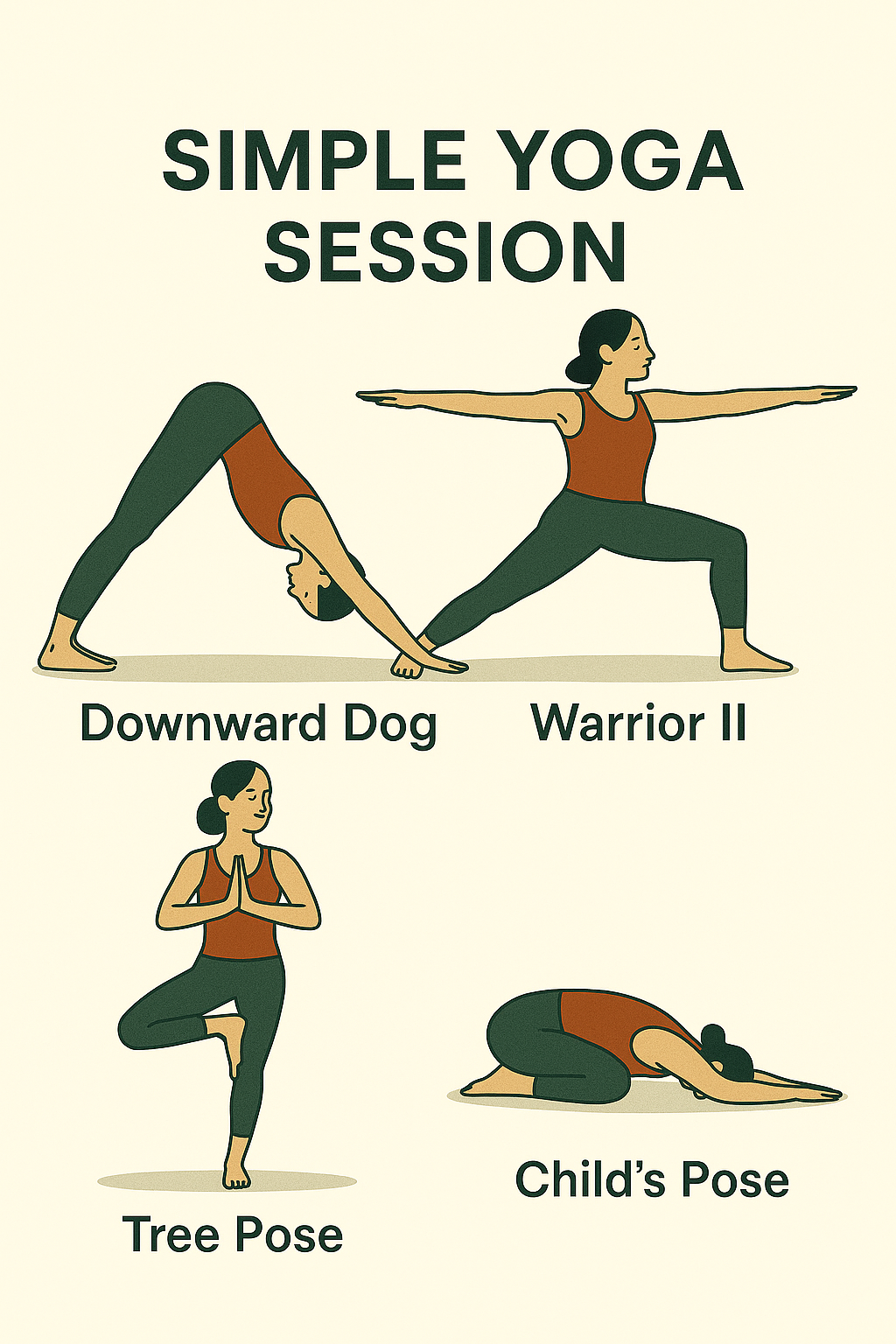
Light stretching or a gentle yoga session (15–20 minutes)
Day 4: Full Body Strength
(Repeat Day 1)
Day 5: Cardio
(Repeat Day 2, or mix it up with dancing or cycling)
Day 6: Rest
Day 7: Bonus Activity
Explore a new fitness class, such as yoga, Pilates, or Zumba, or opt for an outdoor activity like a nature hike to keep your routine engaging and diverse.
Final Thoughts: You’re Capable of Incredible Things
Starting your fitness journey is one of the most empowering decisions you can make. By applying these Workout Tips for Beginners, you won’t just transform your physical health—you’ll also build mental resilience, develop stronger self-discipline, and foster a deeper connection with yourself.
Take the first step today—your future self will be grateful for the commitment you made.
Are you ready to optimize your results and elevate your fitness journey?
Take our Quiz and get your tailor-made supplements formula specifically designed to support both physical performance and mental well-being.
Frequently Asked Questions
How many days a week should a beginner work out?
Most beginners do well with 3–4 workout days per week, mixing strength training, cardio, and active recovery. This allows your body to adapt without overwhelming your muscles or joints. Rest days are just as important as workout days to prevent burnout and injuries.
How long does it take to see results from working out?
It varies depending on consistency, nutrition, and workout type. Many beginners notice improvements in energy and mood within 2–3 weeks, while visible physical changes like strength gains, endurance, or body composition may take 6–8 weeks. Remember—progress is about building sustainable habits, not chasing quick fixes.
What’s the best workout for beginners if I feel out of shape?
Low-impact, beginner-friendly exercises like walking, bodyweight squats, modified push-ups, yoga, or cycling are excellent starting points. The key is to choose activities you enjoy and can sustain. Over time, gradually increase the intensity and variety as your fitness improves.
.