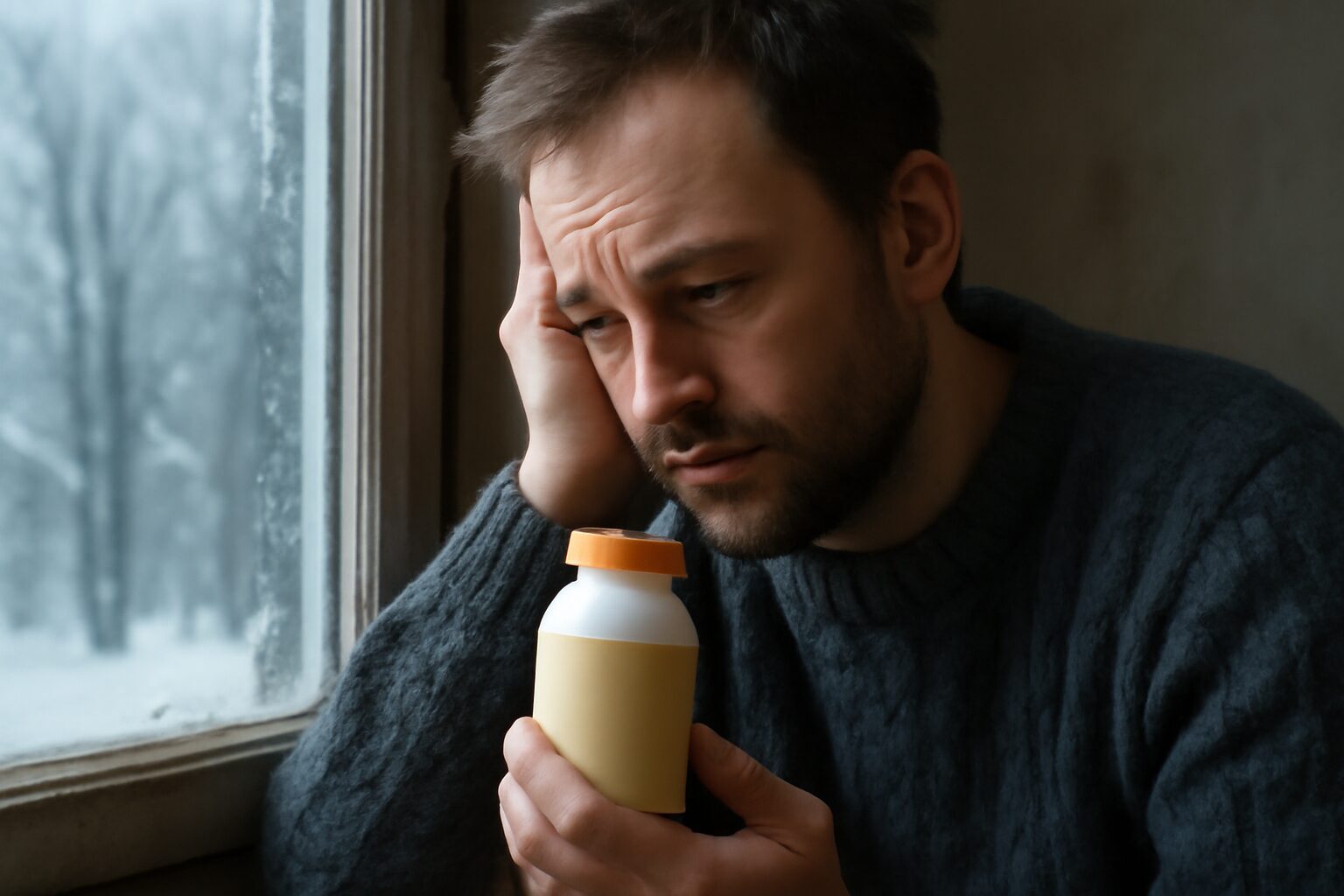

The winter months can bring more than just a chill to the air; they can also usher in a type of depression known as Seasonal Affective Disorder (SAD). This condition is characterized by mood swings, low energy, and changes in sleep patterns, typically appearing during the colder, darker months of the year. The reduced sunlight during winter can significantly impact mood and energy levels, leading to the onset of SAD for many individuals.
Understanding the Role of Vitamin D
Vitamin D is a vital nutrient that plays a crucial role in maintaining overall mental health and mood regulation. Often referred to as the “sunshine vitamin,” it is produced by the body in response to sunlight exposure. During winter, when sunlight is scarce, the body’s production of vitamin D can decrease, potentially contributing to the symptoms of SAD. This connection has led to the hypothesis that vitamin D deficiency might be linked to the development of winter depression.
Can Vitamin D Help Alleviate Winter Depression?
With the understanding that vitamin D is linked to mood regulation, a pertinent question arises: can supplementing with vitamin D help alleviate the symptoms of winter depression? While this hypothesis is compelling, scientific research presents mixed findings. Some studies suggest that vitamin D supplementation could improve mood and reduce symptoms of depression, particularly in individuals with a deficiency. However, the effectiveness of vitamin D in treating SAD is still a topic of ongoing research, with varying results across different studies.
As we delve deeper into the relationship between vitamin D and winter depression, it is essential to consider both the potential benefits and the current limitations of the research. The subsequent sections will explore these aspects in more detail, providing a comprehensive overview of vitamin D’s role in managing winter depression and offering practical advice for those affected by SAD.
Link Between Vitamin D and Seasonal Affective Disorder
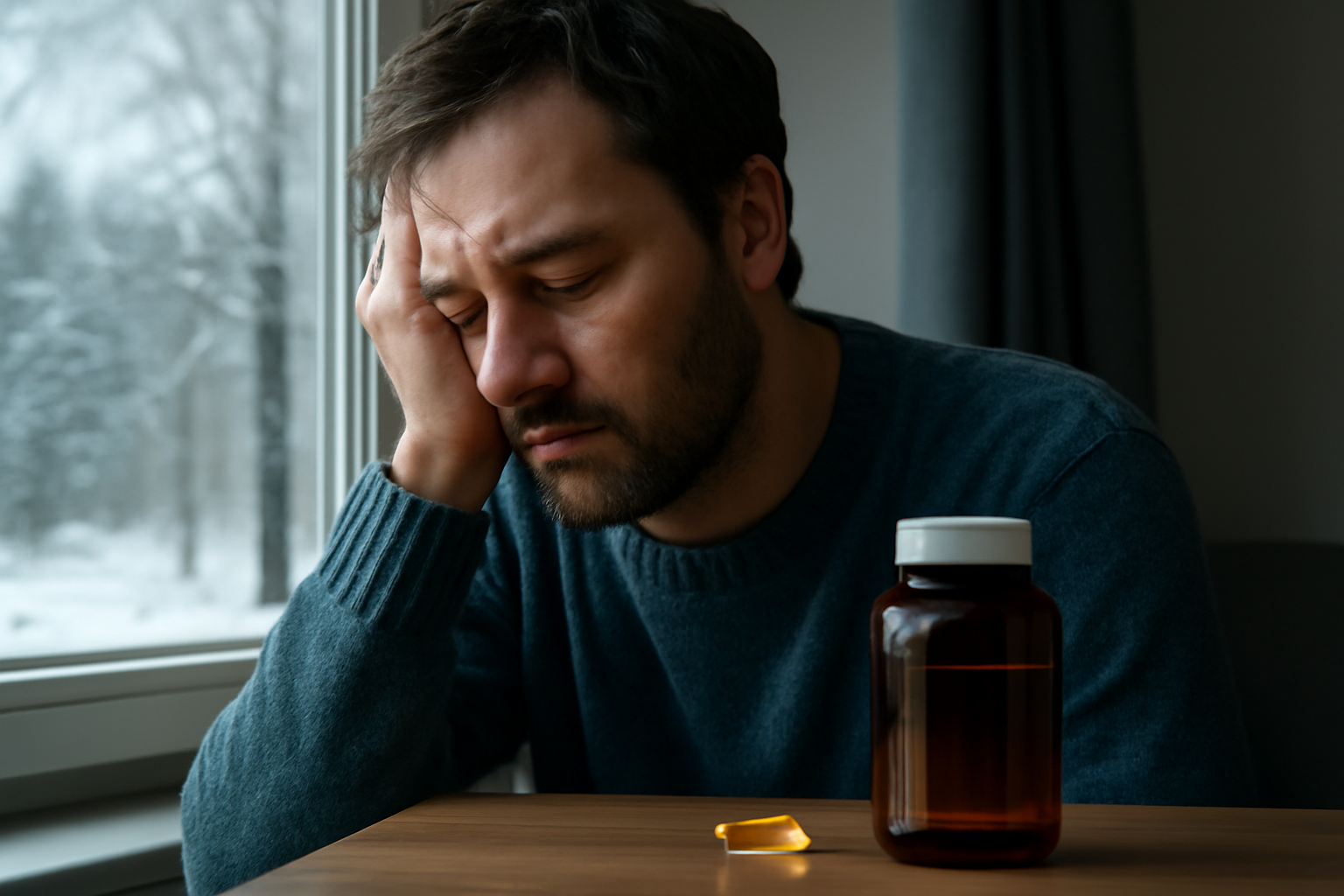
The connection between vitamin D levels and seasonal affective disorder (SAD) is a subject of extensive research. Studies have consistently shown a correlation between low levels of vitamin D and increased rates of depression, including SAD. This nutrient plays a pivotal role in the production of serotonin, a neurotransmitter that significantly influences mood regulation. During the winter months, reduced sunlight exposure can lead to decreased vitamin D synthesis, potentially exacerbating symptoms of depression.
Clinical Evidence and Studies
Several studies have explored the impact of vitamin D supplementation on mood and depressive symptoms. A notable study published in Psychopharmacology in 1998 demonstrated that vitamin D3 supplementation significantly improved mood in healthy individuals during the late winter months. This study highlighted the potential for vitamin D to enhance positive affect and reduce negative mood, although it was conducted on a relatively small sample size.
Another study by the NIH in 1999 found that a high-dose vitamin D supplement reduced depression scores in individuals with SAD more effectively than phototherapy. However, the study had limitations, including its small sample size and the use of a single, high dose of vitamin D, which may not be practical for long-term management.
Research Reviews and Expert Opinions
While individual studies have shown promising results, reviews of the broader body of research present a more nuanced picture. A 2024 review published in Nutrients highlighted the inconsistency in results from various studies on vitamin D supplementation for SAD. The review pointed out that differences in study design, dosage, and participant characteristics contribute to the mixed findings, emphasizing the need for more rigorous research.
Furthermore, a 2020 meta-analysis from Healthline suggested that vitamin D supplementation might alleviate negative emotions in cases of major depression. However, the evidence remains inconclusive specifically for SAD, indicating that while vitamin D could be beneficial, it is not a guaranteed solution for everyone.
Mechanism of Action
The potential mood-enhancing effects of vitamin D are largely attributed to its influence on serotonin production. Serotonin is a critical neurotransmitter involved in mood regulation, and vitamin D is thought to play a role in its synthesis and function. Insights from the Mayo Clinic and VA Washington support the biological plausibility of vitamin D’s impact on mood, particularly during the winter months when sunlight exposure is limited.
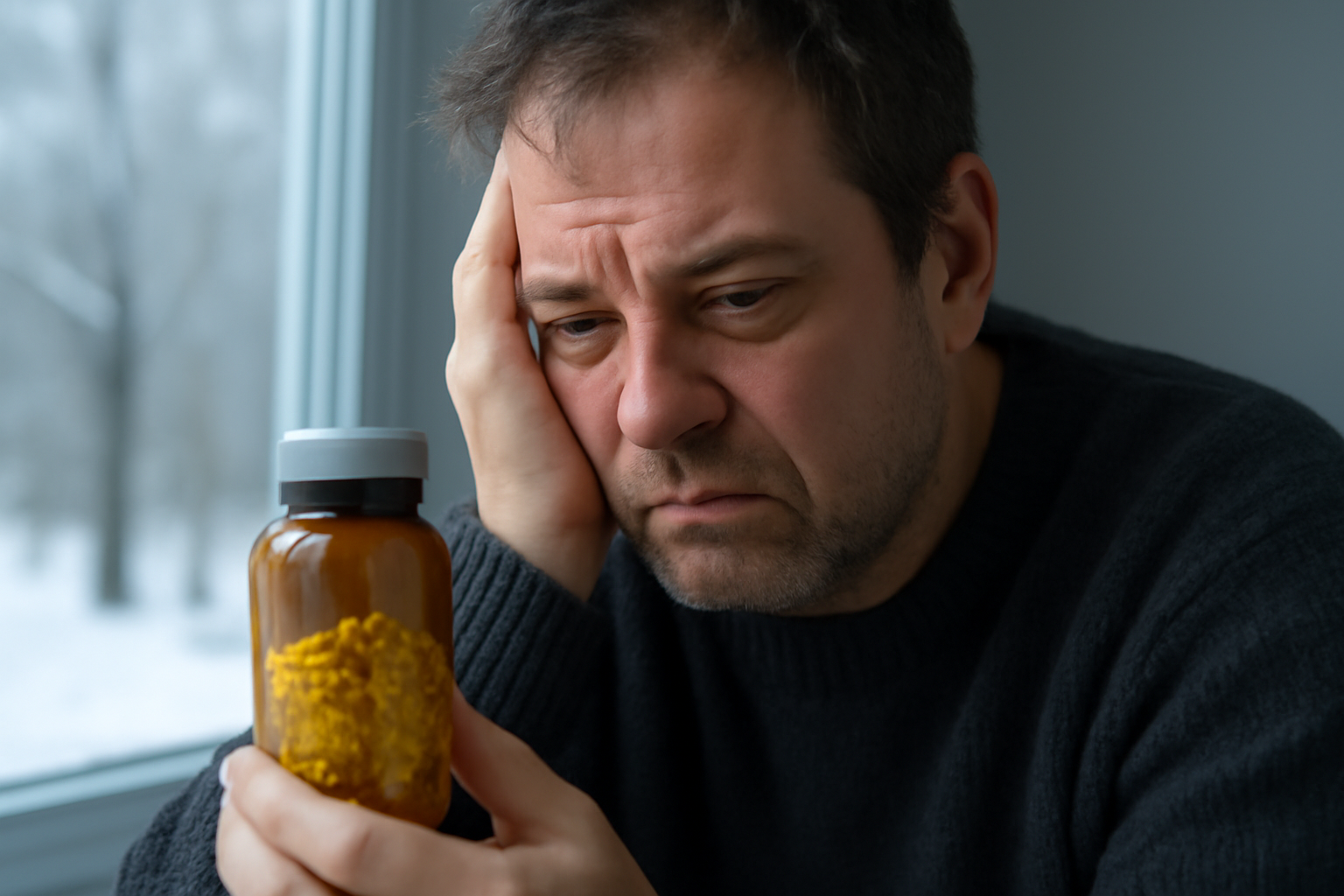
These insights suggest that while vitamin D may not be a standalone cure for SAD, it could be a valuable component of a broader strategy for managing winter depression, especially in individuals with confirmed vitamin D deficiencies.
Conclusion: A Balanced Approach
In conclusion, the relationship between vitamin D and winter depression is complex and multifaceted. While there is evidence to suggest that vitamin D supplementation might benefit individuals with low levels of this nutrient, it is not a universal remedy for SAD. The effectiveness of vitamin D in alleviating symptoms of winter depression appears to vary based on individual circumstances, such as baseline vitamin D levels and overall health.
For those experiencing symptoms of SAD, it is advisable to consult with a healthcare professional to evaluate vitamin D levels and consider supplementation as part of a comprehensive approach to managing winter depression. Other strategies, such as light therapy and increased outdoor activity, should also be considered as part of a holistic treatment plan.
Symptoms and General Management Advice
Seasonal Affective Disorder (SAD) often manifests through a variety of symptoms, including low energy, oversleeping, weight gain, and noticeable mood changes. Addressing these symptoms requires a multifaceted approach. Increasing exposure to natural sunlight whenever possible is a simple yet effective strategy. This can be achieved by spending more time outdoors during daylight hours or by arranging living spaces to maximize sunlight exposure.
Light therapy is another recommended treatment, which involves using a lightbox that mimics natural sunlight, thus helping to regulate mood and sleep patterns. Additionally, checking vitamin D levels is advisable, particularly for individuals at higher risk of deficiency, such as those with limited sun exposure or darker skin tones. Consulting with a healthcare provider can help determine whether vitamin D supplementation might be beneficial as part of a comprehensive treatment plan.
Current Trends and Gaps
While there is a general consensus that vitamin D deficiency may be a modifiable risk factor for SAD, the effectiveness of vitamin D supplementation remains a topic of debate. Some individuals with confirmed deficiencies might experience mood improvements with supplementation, yet current research does not support a universal recommendation for everyone. This underscores the importance of personalized healthcare, where treatment plans are tailored to individual needs and health profiles.
There is a growing interest in exploring other potential interventions alongside vitamin D supplementation. These include lifestyle modifications, such as increased physical activity and dietary changes, which have shown promise in enhancing mood and overall well-being. Continued research is essential to better understand the nuances of vitamin D’s role in managing winter depression and to identify which populations might benefit most from supplementation.
Frequently Asked Questions
What is Seasonal Affective Disorder (SAD)?
Seasonal Affective Disorder (SAD) is a type of depression that occurs at a specific time of year, typically during the winter months, characterized by mood changes and shifts in energy levels.
How does vitamin D influence mood?
Vitamin D is thought to influence mood by affecting the production of serotonin, a neurotransmitter involved in mood regulation. Adequate levels of vitamin D may help support mood stability, especially during the winter months.
Can vitamin D supplements cure SAD?
While vitamin D supplements may help improve mood in individuals with a deficiency, they are not a standalone cure for Seasonal Affective Disorder. A comprehensive approach, including lifestyle changes and other treatments, is recommended.
Who should consider vitamin D testing?
Individuals with limited sun exposure, older adults, and those with darker skin are at higher risk for vitamin D deficiency and should consider testing, especially if experiencing symptoms of winter depression.
What are alternative treatments for SAD?
Alternative treatments for SAD include light therapy, increased outdoor activity, and professional mental health support. These approaches can complement nutritional considerations like vitamin D supplementation.