

Understanding Seasonal Affective Disorder
As the winter months approach, many individuals experience a noticeable shift in their mood and energy levels. This phenomenon is often attributed to Seasonal Affective Disorder (SAD), a type of depression that occurs at a specific time of year, usually in the winter. SAD affects millions of people worldwide, leading to symptoms such as low energy, mood swings, and changes in sleep patterns. Understanding the underlying causes and potential remedies for SAD is essential for those seeking relief from these seasonal blues.
Understanding Seasonal Affective Disorder
Seasonal Affective Disorder is more than just the “winter blues.” It is a recognized mental health condition that can significantly impact one’s quality of life. The prevalence of SAD is higher in regions with long winter nights and reduced sunlight exposure, suggesting a strong link between sunlight and mood regulation. Common symptoms include persistent sadness, fatigue, difficulty concentrating, and changes in appetite and sleep patterns. Addressing these symptoms is crucial, and recent research highlights the role of vitamin D as a potential factor in managing SAD.
The Winter Blues Connection
During the winter months, reduced sunlight exposure leads to a decrease in vitamin D synthesis in the skin. This reduction is significant because vitamin D plays a vital role in mood regulation. Sunlight is a primary source of vitamin D, and as the days grow shorter, many people experience a decline in their vitamin D levels. This deficiency is thought to contribute to the exacerbation of SAD symptoms. Vitamin D is involved in the production of neurotransmitters such as serotonin and dopamine, which are crucial for maintaining mood balance. As such, ensuring adequate vitamin D levels may help alleviate some of the mood-related symptoms of SAD.
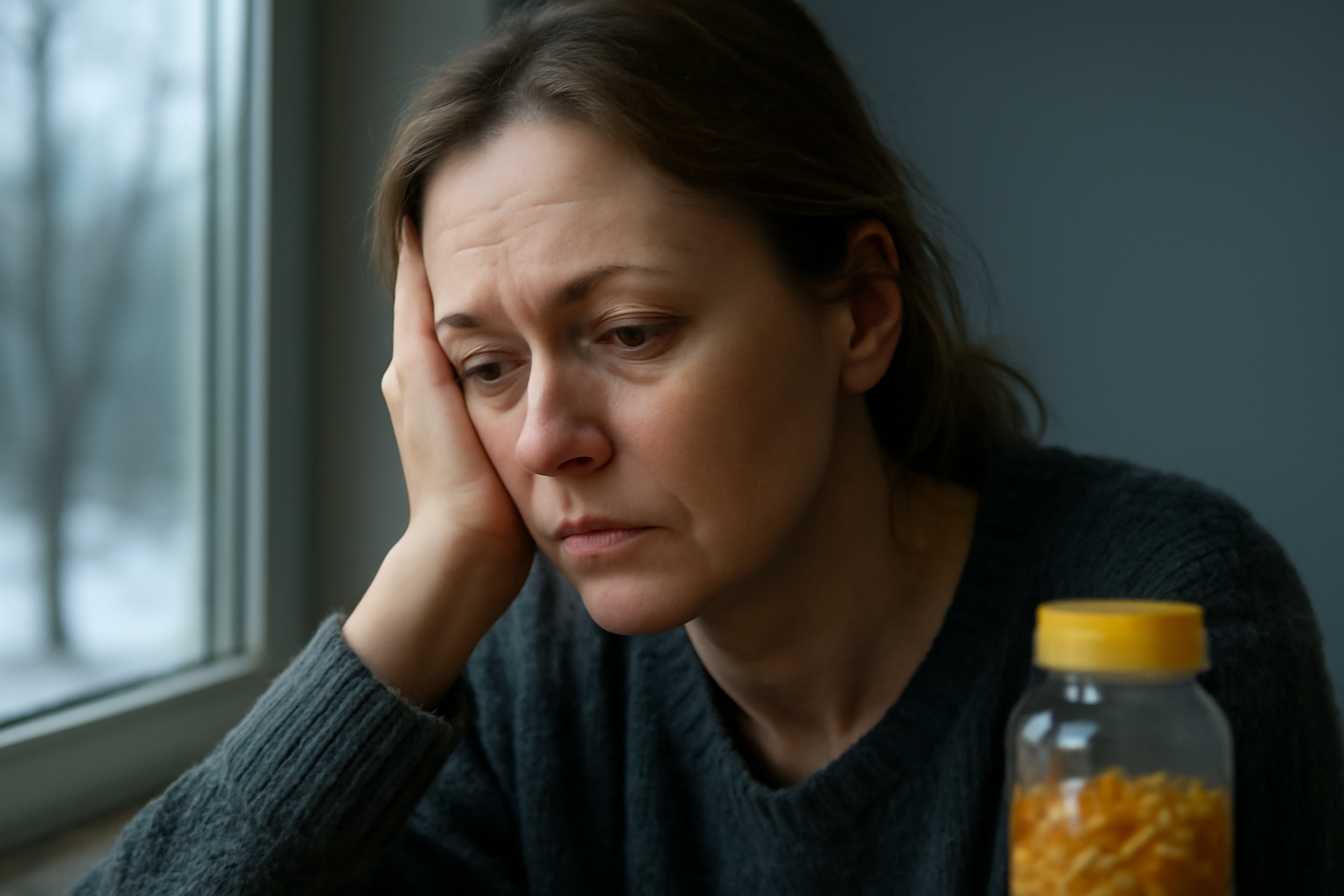
As we delve deeper into the topic, it becomes clear that maintaining optimal vitamin D levels is not just about bone health; it may also be a key player in mental well-being. While the evidence regarding vitamin D supplementation as a standalone treatment for SAD is mixed, understanding its role in mood regulation provides a promising avenue for those seeking relief from seasonal depression. In the following sections, we will explore the evidence linking vitamin D deficiency to SAD and discuss potential strategies for managing this condition during the darker months.
Vitamin D Deficiency and SAD: The Evidence
Research has consistently highlighted the strong association between low vitamin D levels and an increased risk of seasonal affective disorder (SAD). This connection is particularly evident in regions with prolonged winter months. Studies have shown that vitamin D plays a crucial role in the production of neurotransmitters such as serotonin and dopamine, which are vital for mood regulation. When vitamin D levels drop, the production of these neurotransmitters may be impaired, potentially exacerbating symptoms of depression.
For instance, a study indicated that individuals with lower vitamin D levels were more likely to experience depressive symptoms during the winter months. This suggests that maintaining adequate vitamin D levels could be a protective factor against the onset of SAD. However, while the correlation is strong, it is important to note that vitamin D deficiency is not the sole cause of SAD, but rather a contributing factor.
Mechanistic Insights: How Vitamin D Affects Brain Chemistry
The impact of vitamin D on brain chemistry is multifaceted. One of its primary roles is in the synthesis of serotonin, a neurotransmitter that significantly influences mood, anxiety, and happiness. Vitamin D receptors are present in various brain regions, indicating its involvement in mood regulation. By promoting serotonin production, vitamin D helps maintain a balanced mood and emotional well-being.
Additionally, vitamin D may influence circadian rhythms, which are the body’s natural sleep-wake cycles. Disruptions in these rhythms are often linked to mood disorders, including SAD. By supporting regular sleep patterns, vitamin D can indirectly contribute to mood stabilization, further underscoring its potential role in managing seasonal depression.
Supplementation: What the Research Says
While the connection between vitamin D deficiency and SAD is well-documented, the evidence regarding vitamin D supplementation as a treatment for SAD is mixed. A small clinical trial conducted in 1998 found that participants who received vitamin D3 supplements reported improved mood during the winter months. This suggests that supplementation might benefit individuals with low vitamin D levels.
However, larger reviews have highlighted inconsistencies in the data. Some studies show positive outcomes, while others do not find significant effects. These discrepancies may be due to variations in study design, dosage, and participant characteristics. As a result, while vitamin D supplementation could be beneficial for those with a deficiency, it is not currently recommended as a standalone treatment for SAD.
Visual Aid: Summary of Key Studies
| Study | Sample Size | Outcome | Limitations |
|---|---|---|---|
| 1998 Clinical Trial | Small | Improved mood with vitamin D3 | Limited sample size |
| Systematic Review | Various | Inconsistent evidence | Methodological differences |
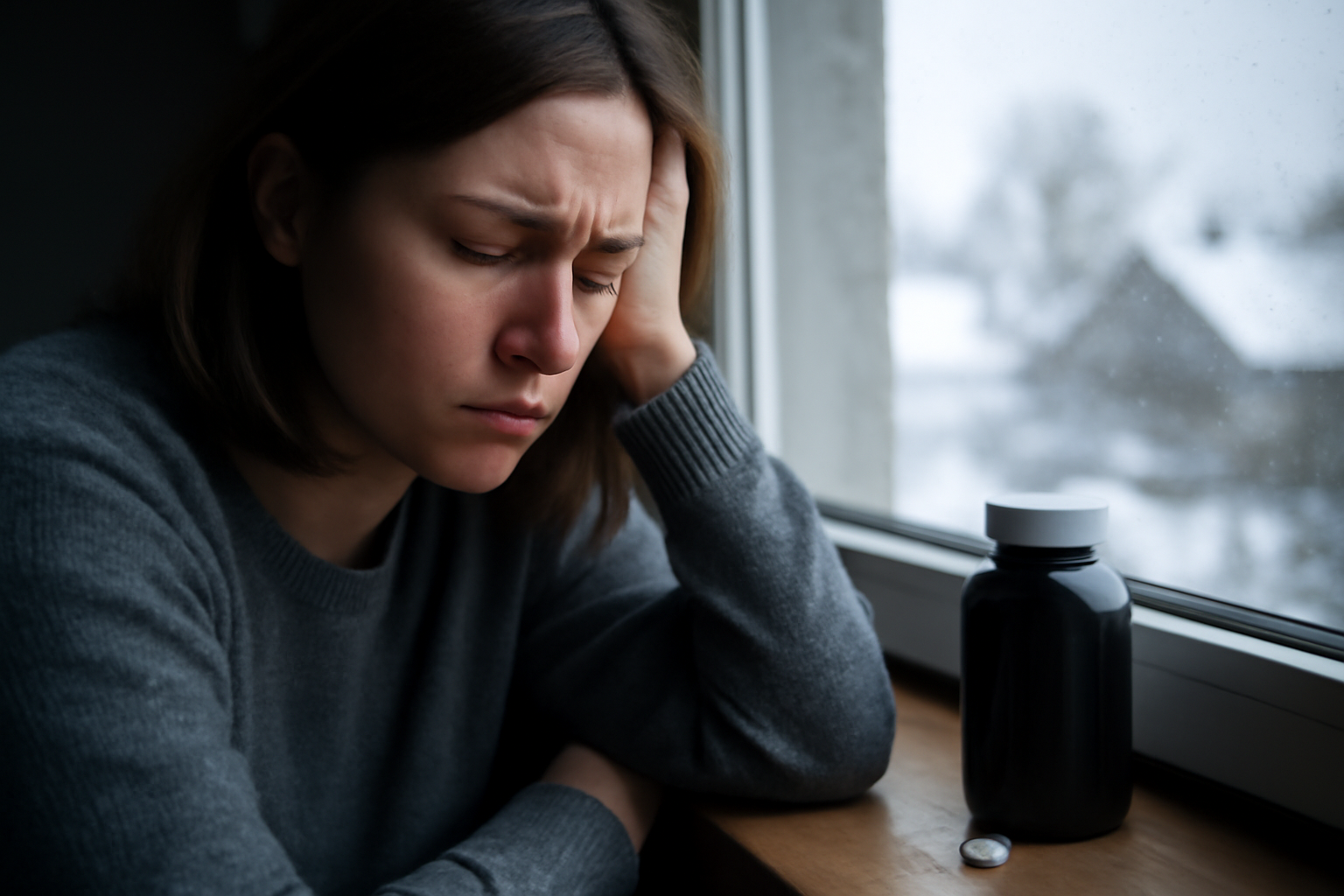
In conclusion, while vitamin D is an important factor in mood regulation and may help alleviate symptoms of seasonal depression, it should not be viewed as a cure-all. Individuals experiencing SAD should consider a comprehensive approach that includes light therapy and lifestyle changes, alongside addressing any vitamin D deficiencies. Consulting with a healthcare provider can help determine the best course of action based on individual needs and circumstances.
Current Clinical Recommendations
Despite the established link between vitamin D deficiency and seasonal affective disorder (SAD), universal vitamin D supplementation is not currently recommended as a treatment for SAD by major health authorities. This is due to the mixed evidence regarding its efficacy as a standalone treatment. However, maintaining adequate vitamin D levels is crucial for overall health, especially for those at higher risk of deficiency, such as individuals with limited sunlight exposure, people with darker skin, and older adults. Ensuring adequate vitamin D intake can support not only bone health but also potentially aid in mood regulation.
Complementary Treatments for SAD
While vitamin D plays a role in mood regulation, it is not a substitute for established treatments for SAD. Light therapy remains the primary treatment for this condition, as it effectively mimics natural sunlight and can help regulate circadian rhythms. Using a light box for 20-30 minutes each morning is a common recommendation for those suffering from SAD symptoms.
In addition to light therapy, incorporating lifestyle changes can further support mood during the winter months. Regular physical activity, a balanced diet rich in omega-3 fatty acids, and practicing good sleep hygiene can all contribute to improved mental well-being. Combining these strategies with vitamin D supplementation, when necessary, can create a comprehensive approach to managing seasonal depression.
Frequently Asked Questions
Can vitamin D supplements cure SAD?
While vitamin D supplements can help individuals who are deficient in vitamin D, they are not a cure for SAD. Light therapy and other treatments are often recommended alongside addressing any vitamin D deficiencies.
How can I know if I’m vitamin D deficient?
To determine if you are vitamin D deficient, consult with a healthcare provider for a blood test. This test will measure your vitamin D levels and help guide appropriate supplementation if needed.
What are safe sources of vitamin D during winter?
During winter, consider dietary sources of vitamin D such as fatty fish, fortified foods, and supplements. It is important to seek medical guidance before starting any supplementation to ensure safety and effectiveness.
Should I take vitamin D supplements if I have SAD?
If you have SAD, it is advisable to speak with a healthcare professional to assess your vitamin D status. They can recommend appropriate supplementation if necessary, as part of a broader treatment plan that may include light therapy and lifestyle changes.