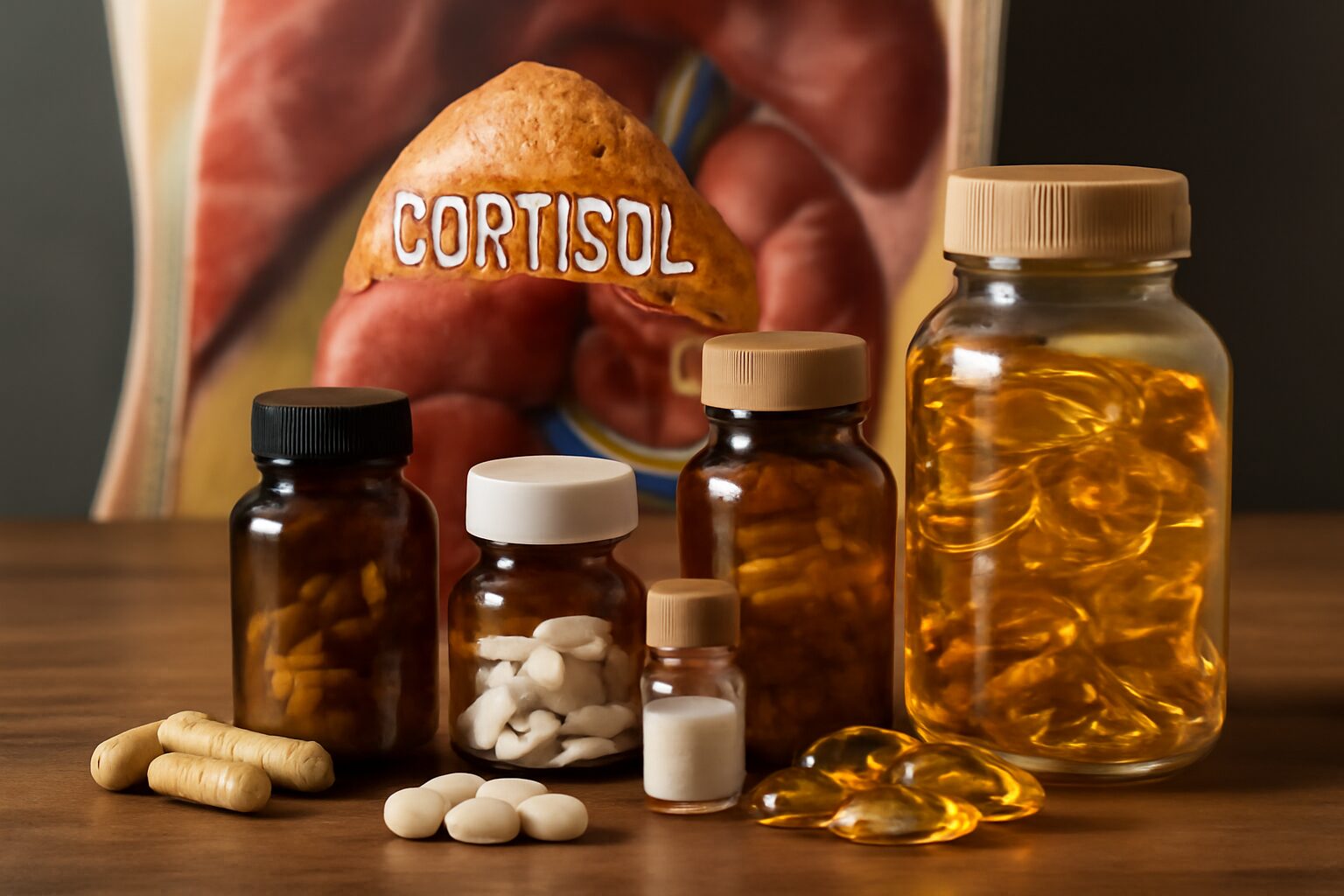

Understanding cortisol and its role in our bodies is crucial for maintaining overall health.
Cortisol, often referred to as the “stress hormone,” is produced by the adrenal glands and plays a vital role in various bodily functions. It helps regulate metabolism, control blood sugar levels, and reduce inflammation. However, when cortisol levels become imbalanced, particularly when they are too high, it can lead to several health issues.
The Impact of High Cortisol
Elevated cortisol levels can have a significant impact on your health. High cortisol is often linked to weight gain, particularly around the abdomen. This is because cortisol can increase appetite and cravings for unhealthy foods. Additionally, it can lead to sleep disturbances, making it difficult to fall asleep or stay asleep through the night. This lack of restful sleep can further exacerbate stress and anxiety, creating a vicious cycle.
Moreover, high cortisol levels can weaken the immune system, making the body more susceptible to infections and illnesses. It can also contribute to feelings of anxiety and depression, as well as cause memory and concentration problems. Therefore, maintaining balanced cortisol levels is essential for both physical and mental well-being.

Natural Solutions for Lowering Cortisol
For those seeking to manage their cortisol levels naturally, supplements can offer a promising solution. There are several supplements known for their potential to lower cortisol, including adaptogenic herbs and specific nutrients. These supplements work by helping the body adapt to stress and promoting a sense of calm and relaxation.
However, it’s important to approach cortisol management holistically. While supplements can be beneficial, they are most effective when combined with lifestyle changes. Integrating practices such as regular exercise, a balanced diet, and stress management techniques like mindfulness and meditation can enhance the effectiveness of supplements. This holistic approach ensures a more comprehensive strategy for maintaining healthy cortisol levels and overall well-being.
Top Supplements to Lower Cortisol Levels
When it comes to managing cortisol levels naturally, specific supplements have been identified as particularly effective. These supplements often work by helping the body adapt to stress, thereby reducing the harmful effects of excessive cortisol.
Ashwagandha: The Most Researched Adaptogen
Ashwagandha is widely recognized as one of the most effective supplements for lowering cortisol levels. This adaptogenic herb has been the subject of numerous clinical trials, demonstrating its ability to reduce cortisol by up to 32%. Beyond its impact on cortisol, ashwagandha supports overall well-being by improving sleep quality, promoting relaxation, and enhancing mood.
Rhodiola Rosea: Enhancing Energy and Focus
Rhodiola rosea is another adaptogen that offers moderate evidence for reducing cortisol levels. While it may not be as extensively studied as ashwagandha, some randomized controlled trials (RCTs) support its efficacy in stress reduction. Additionally, rhodiola rosea is known for boosting energy, improving focus, and reducing fatigue, making it a popular choice for those seeking to manage stress while maintaining productivity.
L-Theanine: Calming Effects from Green Tea
L-theanine, an amino acid found in green tea, is celebrated for its calming properties. Studies have shown that L-theanine can reduce salivary cortisol levels following acute stress, making it a valuable supplement for immediate stress relief. In addition to lowering cortisol, L-theanine supports anxiety relief, enhances sleep quality, and improves cognitive function.

Additional Supplements for Cortisol Management
Magnesium: Essential for Stress Response
Magnesium plays a critical role in regulating the body’s stress response. Supplementation with magnesium has been shown to reduce cortisol levels and alleviate stress-related symptoms. A typical dosage ranges from 200 to 400 mg per day, making it a practical addition to a stress management regimen.
Omega-3 Fatty Acids: Supporting Heart and Brain Health
Omega-3 fatty acids, commonly found in fish oil, have been associated with up to a 33% reduction in cortisol levels. These essential fats not only help in stress resilience but also support heart and brain health. A daily intake of 1 to 3 grams is generally recommended for optimal benefits.
Phosphatidylserine and Vitamin C: Supportive Roles
Phosphatidylserine and vitamin C are occasionally mentioned for their potential in moderating stress hormones. Although the evidence is less robust compared to other supplements, they offer supportive benefits. Vitamin C, in particular, is known for its immune-boosting and antioxidant properties, which can be beneficial in stress management.
Supplement Overview Table
To help you choose the right supplement for lowering cortisol, here’s a quick overview:
| Supplement | Evidence for Lowering Cortisol | Additional Benefits | Typical Dosage |
|---|---|---|---|
| Ashwagandha | Strong, multiple RCTs | Sleep, relaxation, mood | 250-600 mg/day |
| Rhodiola Rosea | Moderate, some RCT data | Energy, focus, fatigue | ~400-600 mg/day |
| L-Theanine | Mild-moderate, acute studies | Anxiety, sleep, cognition | 200 mg/day |
| Magnesium | Moderate, observational + intervention | Relaxation, blood sugar | 200-400 mg/day |
| Omega-3 Fatty Acids | Moderate, several RCTs | Heart, brain health | 1-3 g/day |
| Vitamin C | Emerging, mainly supportive | Immunity, antioxidant | 500 mg/day+ |
Choosing the right supplement to lower cortisol can significantly enhance your stress management strategy. However, it’s important to consult with a healthcare professional before starting any new supplement regimen, especially if you have existing health conditions or are taking other medications.
Incorporating these supplements with lifestyle changes, such as a balanced diet, regular exercise, and stress management techniques, can create a comprehensive approach to maintaining healthy cortisol levels and improving overall well-being.
Integrative Approaches to Lower Cortisol
While supplements offer a promising solution to lower cortisol levels, integrating lifestyle changes can further enhance their effectiveness. A holistic approach involves combining dietary adjustments, regular physical activity, and stress management techniques with supplementation to achieve optimal results.
Importance of Diet, Exercise, and Sleep
A balanced diet rich in whole foods, lean proteins, and healthy fats supports overall health and can help regulate cortisol levels. Incorporating foods high in antioxidants and omega-3 fatty acids can also be beneficial. Regular exercise is another key component, as it helps reduce stress and improve mood, contributing to lower cortisol levels. Ensuring adequate sleep is crucial as well, as poor sleep can elevate cortisol, creating a cycle of stress and fatigue.
Stress Management Techniques
Mindfulness and meditation are effective stress management techniques that can lower cortisol levels. Practicing deep breathing exercises, yoga, or tai chi can promote relaxation and help the body manage stress more effectively. These practices not only reduce cortisol but also improve overall mental well-being and resilience to stress.
Safety and Efficacy of Supplements
When considering supplements to lower cortisol, it is essential to prioritize safety and efficacy. While supplements like ashwagandha and omega-3 fatty acids have strong evidence supporting their use, others may have less robust research backing. It’s crucial to consult with a healthcare professional before starting any new supplement, especially if you have existing health conditions or are taking medications.
Understanding the potential side effects and interactions of supplements is important for safe use. Although most supplements are generally considered safe, some individuals may experience digestive issues or interactions with medications. Transparency about the limitations and potential side effects of these supplements enhances trust and ensures informed decision-making.
Frequently Asked Questions
What is the best supplement to lower cortisol?
Ashwagandha is often recommended as the best supplement to lower cortisol due to its strong evidence from clinical trials demonstrating significant reductions in cortisol levels.
Can I take these supplements together?
Many supplements to lower cortisol can be taken together, but it’s advisable to consult with a healthcare professional to ensure safety and avoid potential interactions.
How long does it take to see results from these supplements?
The time to see results from supplements to lower cortisol can vary, but some studies indicate that effects may be noticeable within a few weeks of consistent use.
Are there any side effects of taking these supplements?
Most supplements used to lower cortisol are considered safe, but potential side effects can include digestive issues or interactions with other medications. It’s important to consult a healthcare provider for personalized advice.
Do lifestyle changes really make a difference in managing cortisol levels?
Yes, lifestyle changes such as a balanced diet, regular exercise, and stress management techniques can significantly enhance the effectiveness of supplements in managing cortisol levels.
.