
In today’s busy world, many people are looking for natural ways to improve sleep and reduce anxiety. As people increasingly seek alternatives to pharmaceuticals, herbal solutions have become a focal point of interest. Valerian root is a well-known remedy. Many people praise it for helping them relax and sleep better.
Understanding valerian root
Valerian root has a long history as a natural remedy, with its use tracing back to ancient Greece and Rome. For centuries, traditional healers used this herb to treat many conditions. These include insomnia, nervous tension, and restlessness.
Today, it is popular again in wellness and herbal medicine. People use it for stress relief, reducing anxiety, and improving sleep.
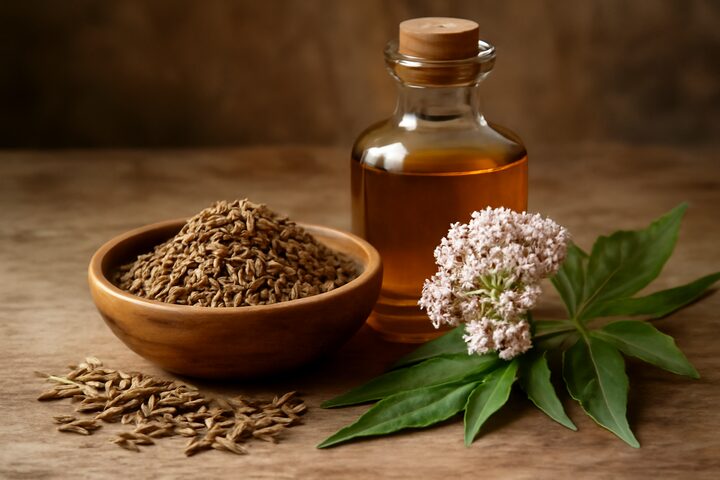
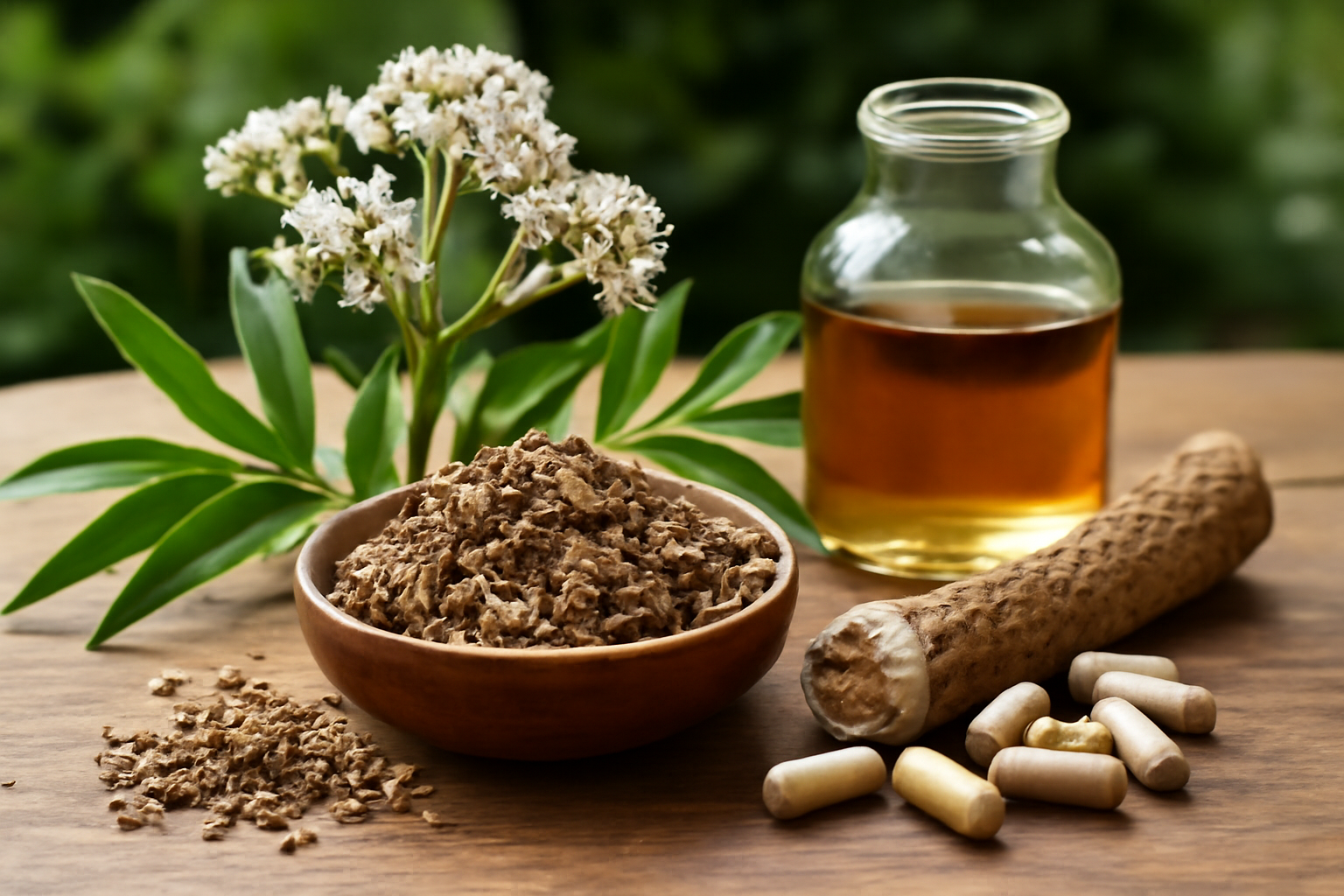
Valerian root comes from the flowering plant Valeriana officinalis, which is native to Europe and parts of Asia. Farmers harvest and dry the plant’s root to create various products, including capsules, tinctures, teas, and powdered extracts. It has a strong, earthy odor and a distinct taste, which is why many people prefer it in capsule or extract form.
Valerian root is appealing because it may help reduce anxiety and promote relaxation. It does this without strong sedative effects or the risk of dependency that comes with drugs like benzodiazepines.
Unlike medications like Xanax or Valium, valerian seems to affect GABA levels in the brain. GABA is a neurotransmitter that helps calm the nervous system. Valerian does this without directly causing sedation. This may explain why some users feel more relaxed without feeling groggy or mentally foggy.
Early studies suggest that valerian root may help reduce symptoms of generalized anxiety disorder (GAD). It might also help with social anxiety and mild nervous tension. This is especially true when it is used with other calming herbs like lemon balm or passionflower.
However, current scientific evidence is mixed. While some small clinical trials show benefits, others find no significant effect. This inconsistency is largely due to variations in dosage, extract quality, and study design.
More rigorous, large-scale research is needed to confirm valerian’s efficacy and determine optimal dosing for anxiety treatment. Its long history and good safety record make it a popular choice. Many people use it to manage mild anxiety, occasional stress, or emotional distress, or trouble sleeping.
People interested in trying valerian root should speak with a healthcare professional first, especially if they’re currently taking medications, pregnant, or managing chronic health conditions. As with any supplement, quality matters. Look for valerian products that are standardized and third-party tested to ensure potency and purity.
Exploring other potential benefits
Beyond sleep and anxiety, valerian root has been investigated for its potential benefits in addressing other health concerns. Early evidence shows it may help with menopausal symptoms. These include hot flashes, premenstrual syndrome (PMS), and restless legs syndrome (RLS).
Some studies have shown positive results. However, these findings are not final. Researchers need to conduct more studies to confirm valerian’s effectiveness in these areas.
Safety and side effects of valerian root
One of the appealing aspects of valerian root is its favorable safety profile. It is generally well-tolerated, with most users experiencing only minor side effects, if any. Commonly reported side effects include gastrointestinal upset, vivid dreams, and headaches.
There are no major safety concerns with short-term use. This makes valerian root a good choice for people looking for a natural remedy for sleep and anxiety.
However, like any supplement, you should be careful with valerian root. This is especially true if you take other medications or have health issues. Consulting with a healthcare provider can help ensure its safe and effective use.
In the next section, we will look at why standardized extracts and proper dosing matter. We will also compare the benefits and risks of valerian root with traditional therapies. Stay tuned to learn more about how to safely incorporate valerian root into your wellness routine.
Standardization and dosage considerations
When incorporating valerian root into your wellness routine, understanding the importance of standardized extracts and appropriate dosing is crucial. Standardization makes sure that each product has the same amount of active compounds, like valerenic acid. This can greatly affect how well the herb works.
However, the lack of detailed guidance in current literature often leaves consumers in the dark about optimal dosages. Valerian root supplements usually range from 300 to 600 mg. They take 30 minutes to two hours before bedtime. However, individual needs may vary.
Comparisons to conventional therapies
Valerian root is a natural option for sleep and anxiety. You can use it instead of over-the-counter sleep aids and prescription drugs. Pharmaceuticals like benzodiazepines and non-benzodiazepine sleep aids can give quick relief.
However, they may lead to dependency and side effects. These side effects include drowsiness and poor coordination. Valerian root offers a gentler option with fewer side effects. This makes it a good choice for people looking for a more natural solution.
Transparency and safety in use
To use valerian root safely, you should be aware of a few things. First, know the possible side effects.
Second, understand the quality standards. Lastly, be cautious of interactions with other herbs or medicines. Purchasing products from reputable brands that adhere to good manufacturing practices is advisable.
Users should talk to their healthcare providers before using valerian root. This is especially important if they are pregnant, nursing, or taking other medications. Here are some practical tips for safe use.
Start with a lower dose. Gradually increase it if needed. Always watch for any bad reactions.
Frequently Asked Questions
What is valerian root used for?
People commonly use valerian root as a natural remedy to improve sleep quality and reduce anxiety. It may also offer benefits for menopausal symptoms, PMS, and restless legs syndrome.
How does valerian root work?
The active compounds in valerian root work with GABA and serotonin receptors. This may help you relax and reduce anxiety.
Is valerian root safe to use?
Valerian root is generally well tolerated, with minor side effects reported. Many people think it is safe for short-term use. However, users should be aware of possible interactions with other substances.
How effective is valerian root for sleep?
Evidence on valerian’s effectiveness for sleep is mixed. Some studies suggest modest improvements, but researchers find inconsistent results, and they need to conduct more research.
Can people use valerian root for anxiety?
Valerian root may have anxiolytic properties, but its effectiveness varies. Not a substitute for professional treatment, individuals should consult healthcare providers for personalized advice.