
Feeling calm or sleeping well can be challenging. We’re constantly dealing with work, family responsibilities, notifications, and the never-ending noise of social media. Our brains are always switched “on,” which can leave us feeling tense, anxious, or wide awake at night—even when we’re completely worn out.
But here’s something important:
Your brain already has a natural tool to help you relax—it’s called GABA.
What Is GABA?
GABA (short for gamma-aminobutyric acid) is a natural calming chemical made by your brain. It acts like a messenger, telling your brain to slow down when things get too intense.
If your brain were a car, some chemicals would act like the gas pedal, keeping you alert and energized. GABA is more like the brake pedal—it helps you slow down, clear your mind, and feel more at ease.
This “brake” effect makes it easier to:
- Calm down after a long or stressful day
- Fall asleep and stay asleep through the night
- Avoid overthinking or emotional overwhelm
- Feel more steady and focused during the day
What Happens When GABA Is Low?
If your GABA levels drop too low, your brain has a harder time slowing down. You might notice:
- Feeling anxious or restless, even when nothing is wrong
- Trouble focusing or thinking clearly
- Irritability, mood swings, or feeling “on edge”
- Lying awake at night with a busy, racing mind—even when you’re exhausted
What Does the Science Say?
Researchers have found strong links between GABA and mental well-being:
- A study in the journal Sleep discovered that people with insomnia had about 30% less GABA in their brains compared to healthy sleepers. That might explain why some people can’t fall or stay asleep—even if they feel tired.
- In a small clinical trial published in Biofactors, participants who took GABA supplements felt more relaxed within an hour and reported better sleep over time. The group that took GABA also had better results than the placebo group.
How GABA Works in the Brain
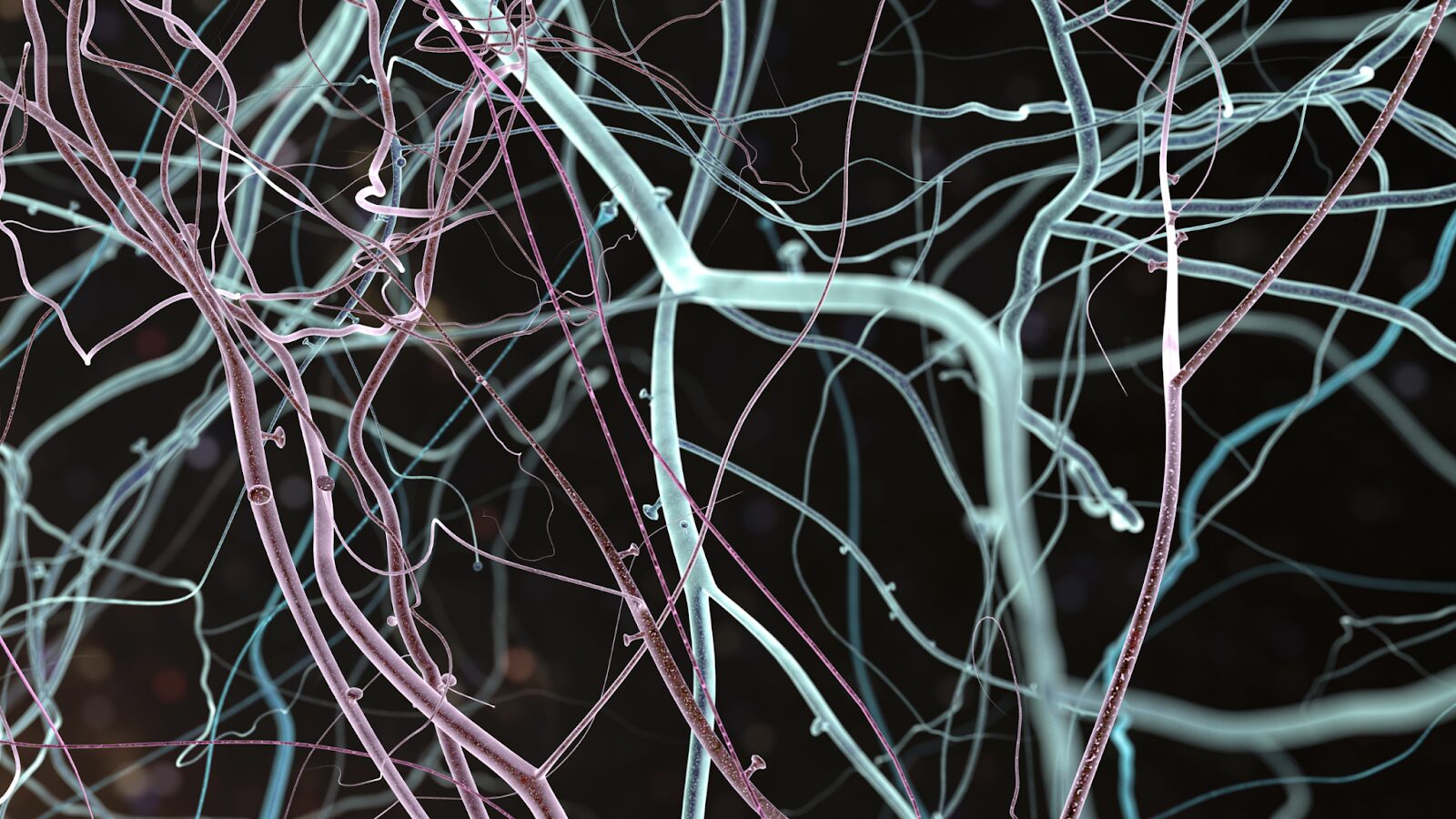
To understand how GABA works, think of your brain as a huge network of electrical signals. Billions of tiny brain cells (called neurons) are constantly sending messages to each other. Some messages speed things up—keeping you alert, focused, or even stressed. Others, like GABA, help slow things down so you can feel calm and clear.
GABA is what scientists call an inhibitory neurotransmitter. That means its main job is to calm your nervous system by stopping your brain from becoming overstimulated.
Let’s break it down
- When you’re stressed or anxious, your brain sends out excitatory signals—like pressing the gas pedal in a car.
- GABA does the opposite: it presses the brakes.
How does it actually do that?
GABA works by attaching to special spots on your brain cells called GABA receptors. When GABA locks into these receptors, it opens tiny channels that allow chloride ions to enter the cell. This makes it harder for the cell to fire off a message, slowing down brain activity.
This slowing down leads to:
- Less mental chatter and racing thoughts
- A calmer emotional state
- Easier transitions into sleep
- Reduced physical tension and restlessness
You might feel it as a sense of peace, sleepiness, or a gentle “sigh of relief” in your body.
Why Is This So Important?
Too much activity in your brain—especially from excitatory chemicals like glutamate—can lead to:
- Feeling anxious or overwhelmed
- Trouble falling asleep
- Reacting strongly to small stressors
- Difficulty focusing or relaxing
That’s where GABA steps in. It helps balance the brain’s activity, restores calm, and allows you to think clearly and rest deeply.
In fact, some anti-anxiety and sleep medications—like benzodiazepines (such as Xanax or Valium)—work by boosting GABA’s effect in the brain. These drugs don’t create GABA, but they help GABA work better, making you feel more relaxed and less anxious.
But the good news is: you don’t necessarily need strong medication to support GABA. Lifestyle changes, calming practices, and gentle supplements can also help your brain produce and use GABA more effectively—naturally and safely.
GABA and Anxiety: Nature’s Chill Pill

If you’ve ever felt your heart racing, your muscles tensing up, or your mind spiraling into “what if” thoughts for no clear reason, you’ve experienced the effects of anxiety.
That’s where GABA comes in. GABA is your brain’s natural way of saying, “You’re safe. You can relax now.”
So how does this work?
When your brain doesn’t have enough GABA—or if GABA isn’t working properly—your nervous system can become overactive. Instead of staying calm in everyday situations, your brain keeps firing stress signals. This can lead to:
- Racing thoughts that won’t slow down
- Muscle tension, like clenched jaws or tight shoulders
- Restlessness, where you feel like you just can’t sit still
- Feeling on edge, even without a clear reason
- Panic attacks, where your body reacts like it’s in danger even if you’re safe
This constant state of alert can make it difficult to sleep, focus, or enjoy your day. It can even cause physical symptoms like stomach aches, headaches, or chest tightness.
Can GABA Be Taken as a Supplement?
Yes—GABA is available as a dietary supplement, often used for:
- Sleep support
- Stress relief
- Reducing anxiety
- Supporting recovery from overstimulation (like screen time or work stress)
However, there’s been some debate about whether supplemental GABA can cross the blood-brain barrier (BBB). Some early studies suggested it couldn’t, but newer evidence points to partial permeability, especially in people under chronic stress or with compromised barriers.
Additionally, many users report tangible benefits from GABA supplementation, such as:
- Feeling calmer within 30–60 minutes
- Improved sleep onset and quality
- Reduced anxious tension during the day
Some supplements combine GABA with L-theanine, magnesium, or glycine for synergistic calming effects. These combinations enhance GABA’s activity or mimic its function—boosting its overall impact on relaxation and sleep.
Final Thoughts
By combining small daily habits—like eating whole foods, taking deep breaths, and following a consistent sleep schedule—you can naturally encourage your brain to feel calmer, more focused, and more resilient. And if you need extra help, GABA supplements can be a gentle, effective way to fill the gap.
Take our free Cenario quiz and get a personalized recommendation based on your symptoms, sleep habits, and mental health needs.
Frequently Asked Questions
What is GABA?
GABA is a calming chemical made by your brain. It helps you relax, sleep better, and feel less anxious.
What does GABA do?
It slows down brain activity, making it easier to feel calm, focused, and ready for sleep.
Can I take GABA as a supplement?
Yes. Many people use GABA supplements to manage stress, improve sleep, or reduce anxiety.
Is GABA safe?
For most people, yes. It’s non-addictive and well-tolerated. Talk to your doctor if you’re on medication.
When should I take it?
Take GABA 30–60 minutes before bed, or during the day when feeling stressed.
Does it really work?
Studies show GABA can help with relaxation and sleep. Many users feel calmer within an hour.