

Ginkgo biloba, one of the oldest living tree species on Earth, has a medicinal legacy that spans over 2,500 years. With roots in traditional Chinese medicine, this ancient plant was historically used to support respiratory health, improve blood flow, and enhance mental clarity. Today, Ginkgo remains one of the most widely researched and respected herbal supplements, earning its reputation as a natural powerhouse for circulation, memory, and mental stamina.
Often hailed as a natural nootropic, Ginkgo biloba has gained popularity among students, professionals, older adults, and anyone seeking to improve cognitive function. Whether you’re battling daily brain fog, struggling to stay focused, or feeling mentally fatigued despite rest, Ginkgo offers a promising, plant-based path to improved mental performance and sharper memory.
But how does it actually work? And what does modern science say about its effectiveness?
In this in-depth guide, we’ll explore the science-backed benefits of Ginkgo biloba, from its ability to enhance blood flow to the brain, to its potential to boost energy, attention, and resilience against mental stress. You’ll discover how this herbal remedy supports both short-term clarity and long-term brain health—and whether it might be the right supplement for your unique needs.
Let’s uncover why Ginkgo truly is one of nature’s most powerful allies for mental vitality and overall wellness.
What Is Ginkgo Biloba?
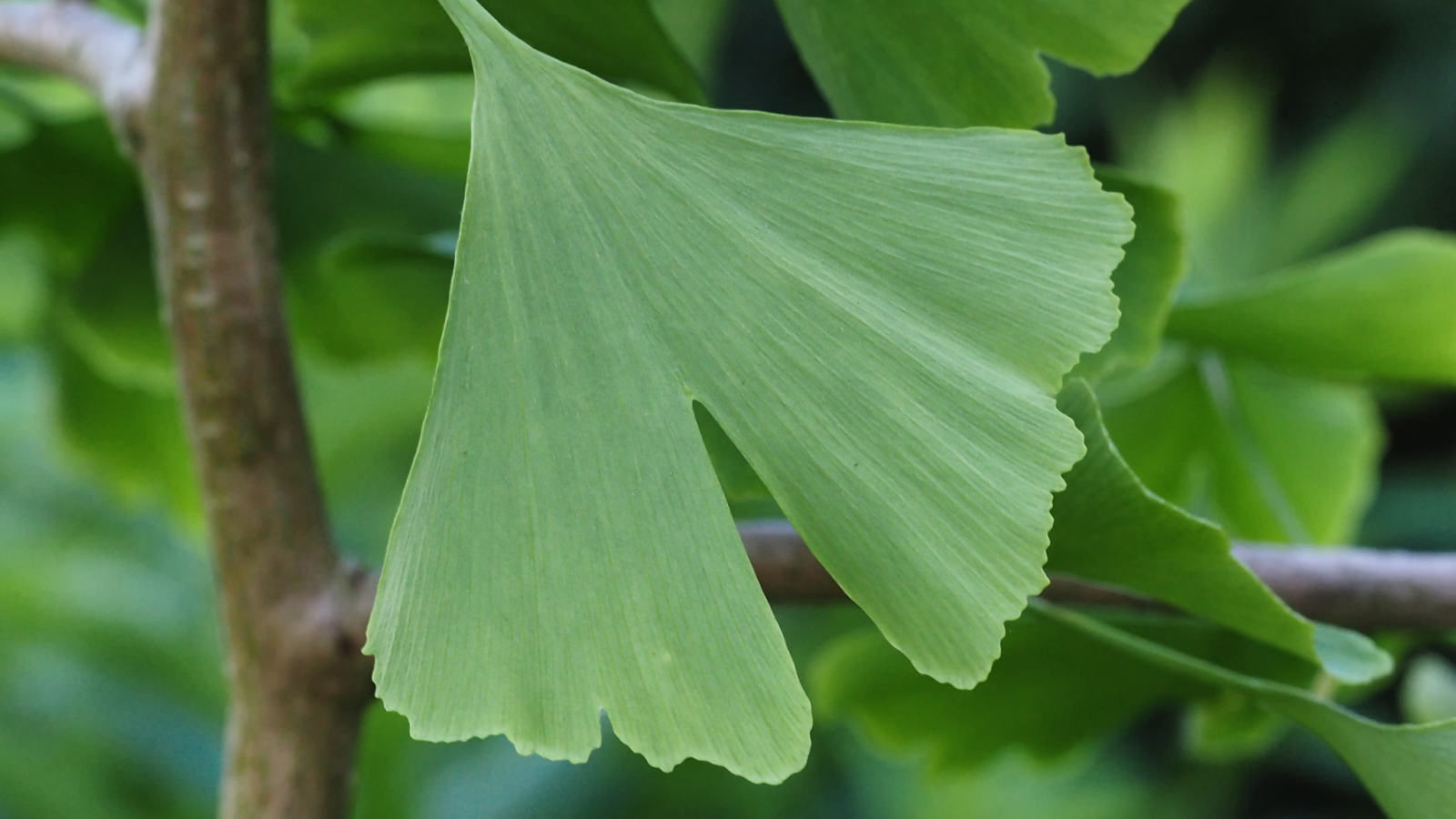
Ginkgo biloba is a natural supplement made from the leaves of the ancient Ginkgo tree—one of the oldest trees on Earth. It has been around for over 200 million years, which is why it’s often called a “living fossil.” Originally from China, Ginkgo has been used in traditional medicine for centuries to help with memory, focus, and circulation.
What makes Ginkgo special is that it contains powerful plant compounds called flavonoids and terpenoids. These act like antioxidants, protecting your body—especially your brain—from damage caused by stress, aging, and harmful molecules called free radicals.
In today’s world, Ginkgo is known as a natural brain booster (or nootropic). It helps increase blood flow to the brain, so your brain cells get more oxygen and nutrients. This can lead to better memory, clearer thinking, and less mental fatigue.
Modern research supports these effects. For example, one study showed that Ginkgo improved memory and thinking in older adults over 24 weeks. Another study found that Ginkgo helps protect brain cells from damage as we age.
In short, Ginkgo biloba isn’t just another supplement—it’s a trusted, well-researched herbal remedy that can help support your brain health and mental energy every day.
How Ginkgo Biloba Works
The brain relies on a constant, efficient supply of oxygen and nutrients to function optimally. Ginkgo helps by:
- Improving microcirculation: It dilates blood vessels and reduces blood viscosity, promoting better flow to the brain and extremities.
- Enhancing mitochondrial function: Ginkgo supports cellular energy production, especially in brain cells.
- Reducing inflammation and oxidative stress: Its antioxidant compounds help counteract age-related cellular damage.
These effects make Ginkgo especially useful for individuals facing cognitive fatigue, memory lapses, or diminished mental clarity.
Proven Benefits of Ginkgo for Mental Performance
1. Memory and Cognitive Function
Multiple studies support Ginkgo’s ability to enhance memory and learning—particularly in older adults or individuals with cognitive decline.
A systematic review published in Psychopharmacology found that Ginkgo biloba significantly improved memory, attention, and cognitive speed in healthy volunteers compared to placebo
Ginkgo appears especially promising in individuals experiencing:
- Age-related memory loss
- Slower processing speed
- Mild cognitive impairment
2. Mental Stamina and Focus
Do you often feel mentally drained or unfocused, even after adequate rest? Ginkgo may help boost:
- Mental energy
- Attention span
- Processing speed
A study in the journal Human Psychopharmacology found that Ginkgo supplementation improved sustained attention and reduced mental fatigue after prolonged cognitive tasks.
These effects are linked to Ginkgo’s impact on cerebral blood flow—helping oxygen and nutrients reach brain cells more efficiently.
3. Circulation and Vascular Health
Ginkgo’s benefits aren’t limited to the brain. It also supports:
- Peripheral circulation: helping with cold hands and feet
- Eye health: due to improved retinal blood flow
- Sexual function: especially in cases linked to poor blood flow
Its vasodilating properties make Ginkgo valuable for anyone experiencing poor blood circulation.
Who Might Benefit From Ginkgo?
You may benefit from Ginkgo biloba if you:
- Experience brain fog or slow thinking
- Struggle with memory or recall
- Feel mentally drained at the end of the day
- Have poor circulation or cold extremities
- Want to support healthy aging and brain resilience
It’s especially popular among:
- Students and professionals under cognitive pressure
- Adults over 40 experiencing age-related cognitive slowdown
- Individuals recovering from burnout or chronic stress
Optimal Dosage and Timing

Most clinical studies on Ginkgo use doses between 120–240 mg per day, divided into two servings. For best results:
- Take with food to enhance absorption
- Be consistent—Ginkgo builds its effects over time
Note: Ginkgo may take 4–6 weeks of consistent use to show noticeable cognitive improvements.
Safety and Side Effects
Ginkgo is generally well-tolerated but may cause mild side effects in sensitive individuals, such as:
- Nausea
- Dizziness
- Headache
Because it affects circulation and platelet function, do not take Ginkgo if you’re on blood thinners or preparing for surgery without medical guidance.
The Bottom Line
Ginkgo biloba remains one of the most studied and respected herbal supplements for mental and circulatory support. Its ability to enhance blood flow, reduce oxidative damage, and improve memory makes it a go-to solution for anyone seeking greater mental clarity, energy, and resilience.
If you’re struggling with brain fog, low focus, or cognitive fatigue, Ginkgo could offer a gentle yet effective solution.
Take the personalized supplement Quiz today and unlock the power of Ginkgo!
Frequently Asked Questions
What is Ginkgo biloba used for?
Ginkgo biloba is primarily used to support memory, focus, and blood circulation. It’s often taken to improve cognitive function, reduce mental fatigue, and support brain health as we age.
How long does it take for Ginkgo biloba to work?
Most people start noticing benefits within 4–6 weeks of consistent daily use, especially for memory and concentration.
Can Ginkgo biloba help with anxiety or depression?
Is Ginkgo safe to take daily?
Yes, Ginkgo is considered safe for daily use in doses of 120–240 mg. However, always consult your doctor if you’re taking medications or have health concerns.
Who should not take Ginkgo biloba?
People who are pregnant, have bleeding disorders, take blood thinners, or are preparing for surgery should avoid Ginkgo unless approved by a healthcare provider.