
Stress is a silent epidemic in today’s fast-paced world. From relentless deadlines to endless notifications, our bodies are constantly pushed to their limits. Yet, the solution to modern stress might lie in an ancient remedy: Holy Basil. Also known as Tulsi, Holy Basil has been a staple in Ayurvedic medicine for over 3,000 years, revered for its powerful adaptogenic effects.
But how does this sacred herb actually support stress relief? And what does science say about it? In this article, we’ll explore the history, benefits, and research-backed evidence behind Holy Basil and stress, revealing why it’s one of the most promising natural tools for promoting calm and resilience.
What Is Holy Basil?
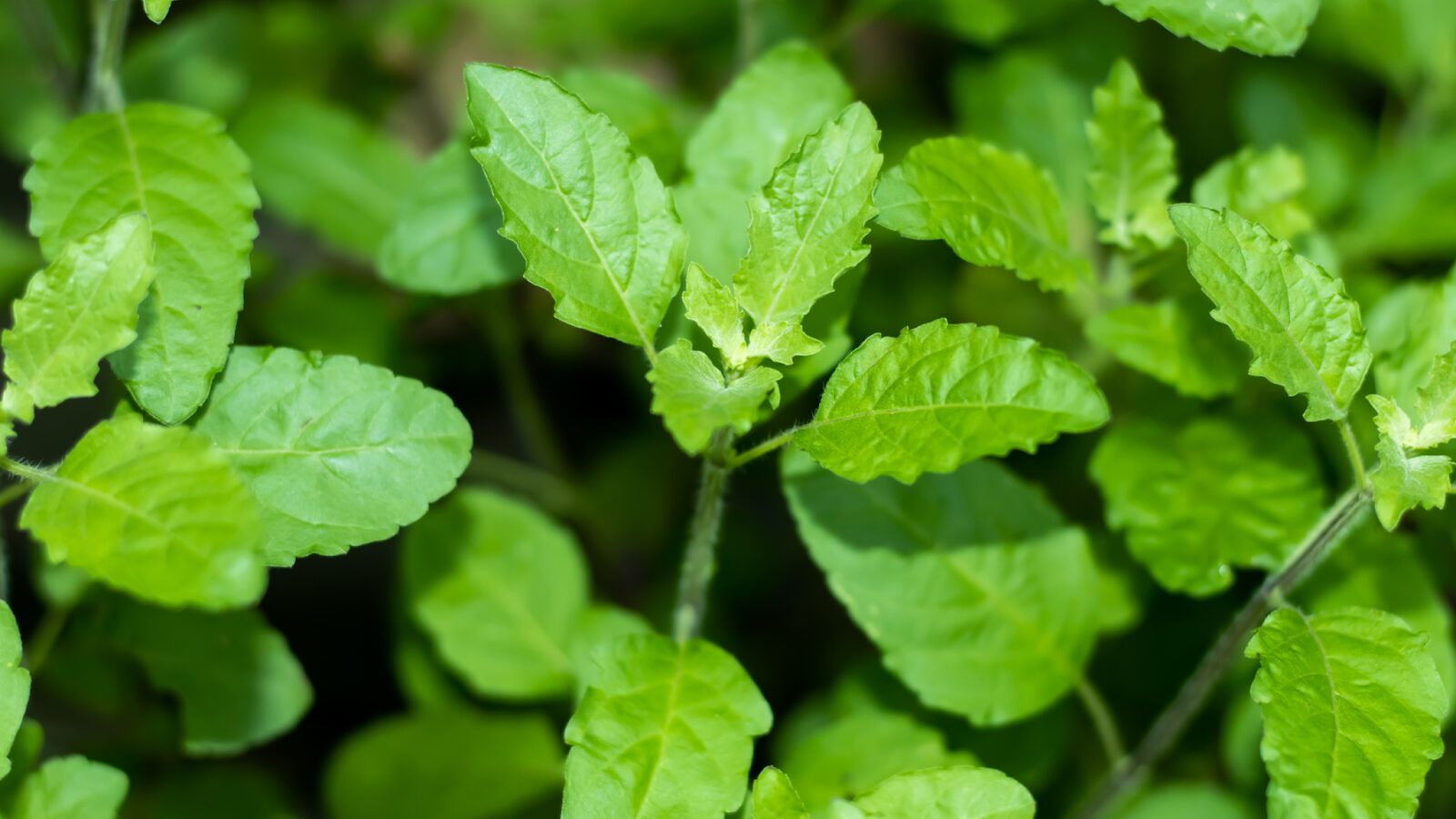
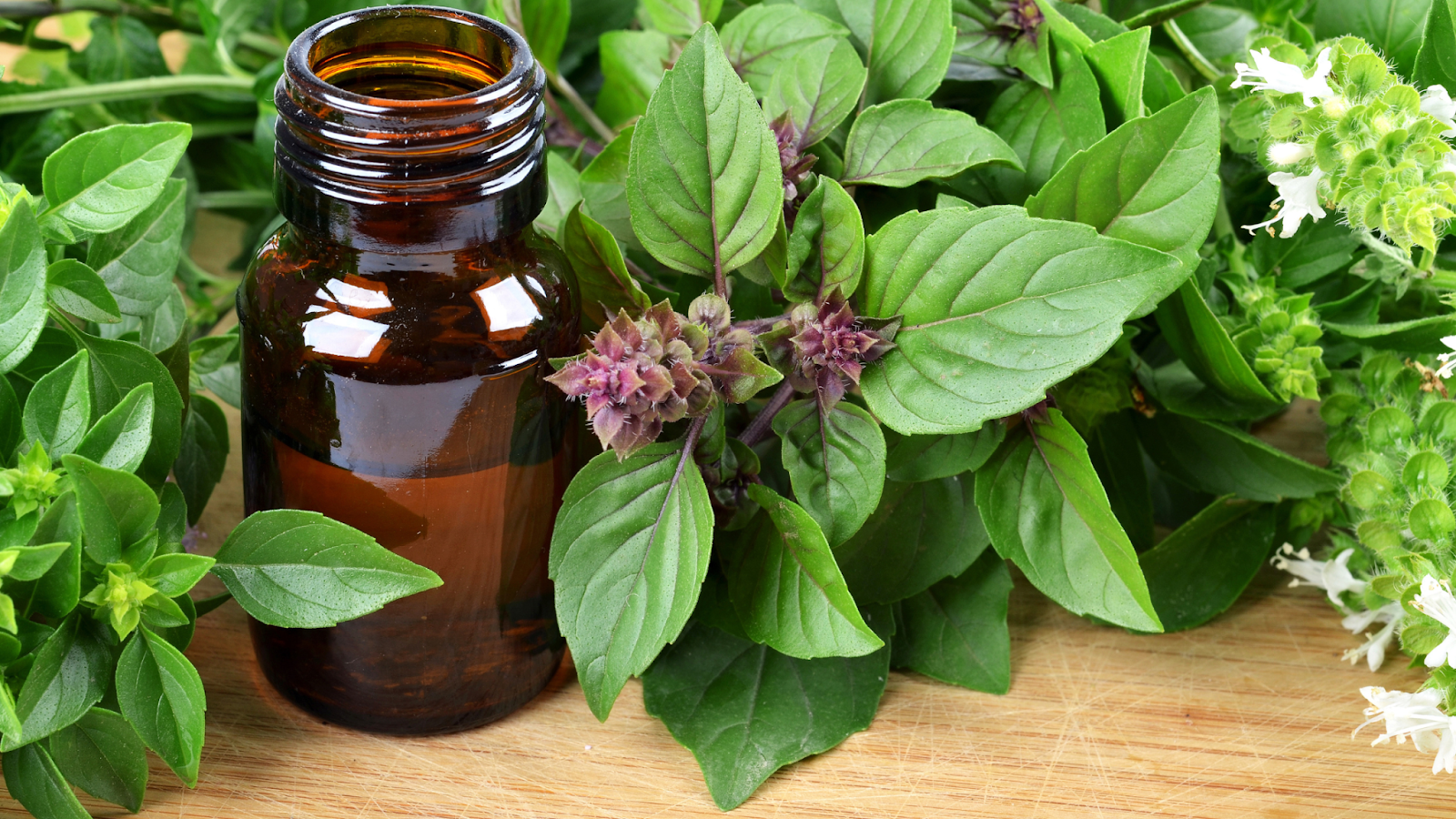
Holy Basil (Ocimum sanctum or Ocimum tenuiflorum) is a leafy green plant native to India and Southeast Asia. Unlike the common sweet basil used in cooking, Holy Basil has a peppery, slightly bitter flavor and is considered a sacred plant in Hinduism, often grown in temple gardens and used in spiritual rituals.
In Ayurveda, Holy Basil is classified as a rasayana — a herb that promotes longevity, vitality, and balance. It’s particularly known for its role as an adaptogen, a class of herbs that help the body adapt to stress and restore homeostasis without causing sedation.
The Science Behind Holy Basil and Stress Relief
Adaptogenic Properties
Adaptogens are natural substances that modulate the body’s stress response by regulating the hypothalamic-pituitary-adrenal (HPA) axis and balancing cortisol levels. Holy Basil has shown promising effects in these areas.
In a review published in Evidence-Based Complementary and Alternative Medicine, researchers found that Holy Basil exhibits anti-stress, anti-anxiety, and anti-depression properties. It helps the body cope with both physical and psychological stressors by modulating stress hormones like cortisol and regulating neurotransmitters such as dopamine and serotonin.
Key mechanisms include:
- Reducing cortisol spikes during acute stress
- Enhancing antioxidant defense systems
- Improving resilience to chronic stress exposure
Human Studies on Stress and Mood
Several human studies have validated Holy Basil’s stress-relieving effects:
- A 2011 study on 158 participants showed that supplementing with Holy Basil extract led to significant reductions in stress, anxiety, and depression scores compared to placebo, with improvements in attention and sleep quality as well.
- Another clinical trial in 2012 found that subjects taking 500 mg of Holy Basil twice daily experienced less frequent forgetfulness, fatigue, and sleep problems, with over 39% reporting improved stress adaptation.
These results suggest that Holy Basil may not only reduce the symptoms of stress but enhance cognitive performance and mood stability.
Holy Basil’s Impact on Cortisol and the Nervous System
Cortisol is often referred to as the “stress hormone” — and chronically elevated cortisol levels are linked to insomnia, anxiety, poor immunity, and even weight gain.
Holy Basil has been found to:
- Lower baseline cortisol levels
- Support healthy adrenal function
- Improve heart rate variability (HRV), a key marker of nervous system balance
Its natural compounds like eugenol, ursolic acid, and rosmarinic acid play a role in calming the nervous system and protecting the body from oxidative stress — making it a valuable ally in restoring physiological balance.
Holy Basil vs. Other Adaptogens
Compared to other adaptogens like ashwagandha, rhodiola, and L-theanine, Holy Basil stands out for its broad-spectrum support for stress relief, mood balance, and immune health, thanks to key compounds like eugenol and ursolic acid. While ashwagandha is best known for lowering cortisol and easing anxiety through its withanolides, and rhodiola rosea enhances focus and reduces fatigue via rosavins and salidroside, Holy Basil is especially helpful for those dealing with emotional overwhelm, brain fog, or low resilience due to stress. Unlike herbal adaptogens, L-theanine (a non-herbal compound found in green tea) supports relaxation and mental clarity by mimicking glutamate in the brain. Each adaptogen has unique strengths, but Holy Basil remains a gentle yet powerful option for stress-related mental strain.
How to Use Holy Basil for Stress Relief
Holy Basil is available in several forms:
- Capsules or tablets: Standardized extracts (e.g., 2% ursolic acid) offer consistent dosing.
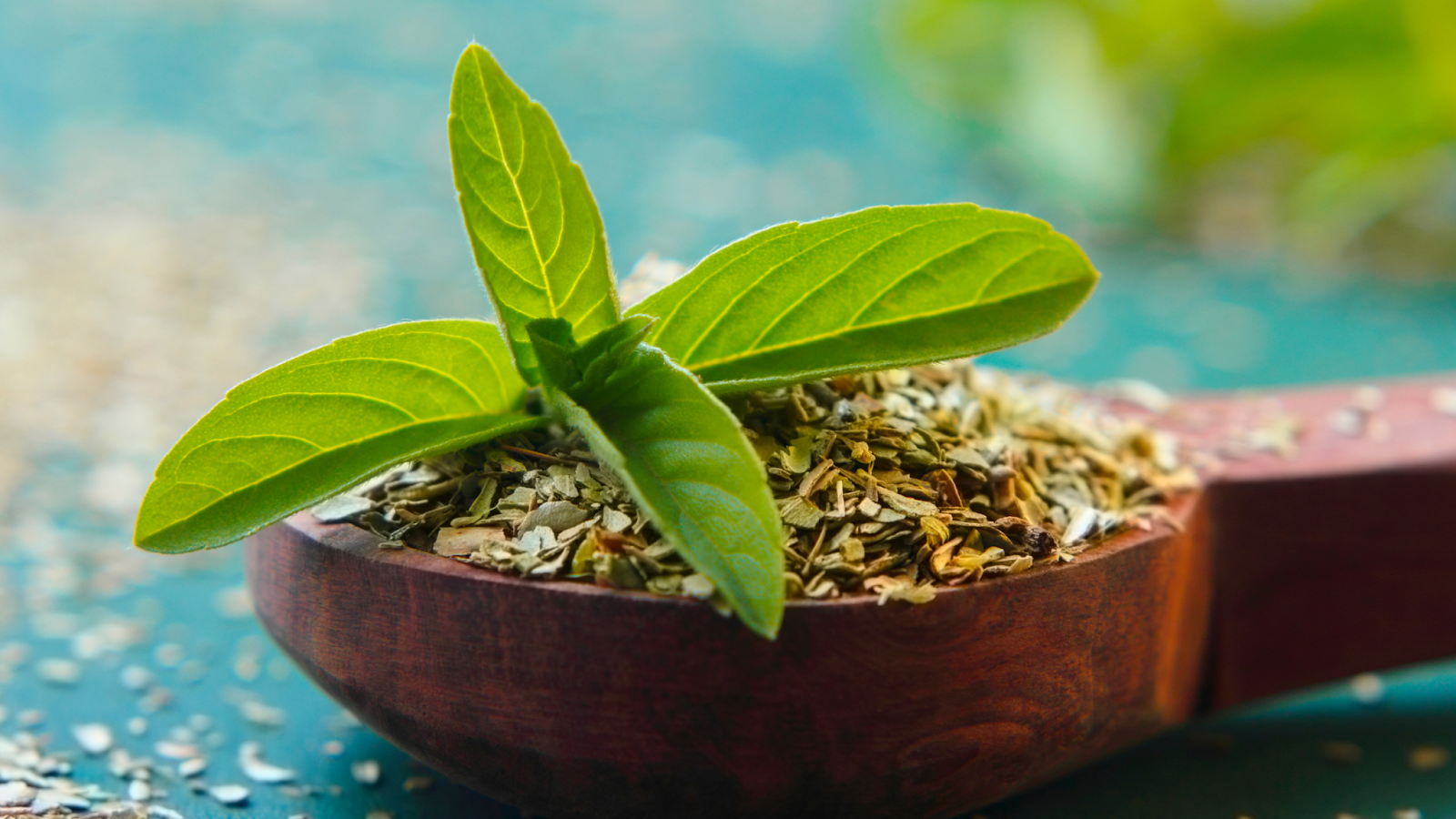
- Tulsi tea: A gentle way to integrate it into your daily routine, especially in the evening.
- Tinctures or liquid extracts: Fast-acting and easy to adjust for dosage.
- Fresh leaves (if available): Can be chewed or brewed in warm water.
Recommended Dosage:
- General stress support: 300–500 mg of standardized extract, 1–2 times daily
- Tulsi tea: 1–2 cups per day for mild support
Note: Always consult your healthcare provider before starting new supplements, especially if you are on medications or pregnant.
Are There Side Effects?
Holy Basil is generally well tolerated, but some people may experience:
- Mild nausea or dizziness (especially at high doses)
- Potential interaction with blood-thinning or hypoglycemic medications
- Hormonal effects in very high doses (rare)
There is no evidence of dependency or withdrawal, making it a safe long-term option for many users.
Conclusion: Why Holy Basil Deserves a Place in Your Stress Toolkit
As stress continues to impact our sleep, mood, and mental health, turning to nature’s ancient remedies can offer powerful relief. Backed by both tradition and modern research, Holy Basil provides a unique blend of calming, cognitive, and mood-supporting benefits — without sedation or side effects.
Whether you’re navigating high-pressure workdays, emotional burnout, or general overwhelm, Holy Basil can be a gentle but effective ally in regaining your balance.
Frequently Asked Questions
What is Holy Basil used for?
Holy Basil (Ocimum sanctum), also known as Tulsi, is traditionally used to reduce stress, promote mental clarity, enhance immunity, and support overall well-being. In Ayurvedic medicine, it is considered a powerful adaptogen that helps the body adapt to physical, emotional, and environmental stressors.
How does Holy Basil help with stress?
Holy Basil helps regulate the hypothalamic-pituitary-adrenal (HPA) axis and modulates cortisol levels, the hormone closely tied to stress. It enhances the body’s ability to maintain balance under stress, promotes calm without sedation, and supports mood regulation through antioxidant and anti-inflammatory actions.
Is Holy Basil safe to take daily?
Yes, for most healthy adults, Holy Basil is safe for daily use. Clinical studies have shown that doses of 300–600 mg per day are well tolerated. However, it’s recommended to consult with a healthcare provider before starting any supplement, especially if you’re pregnant, breastfeeding, or taking medications.
Can Holy Basil help with anxiety?
Yes. Several studies suggest that Holy Basil has mild anxiolytic (anti-anxiety) effects. It may help reduce symptoms such as racing thoughts, nervous tension, and mental fatigue by supporting neurotransmitters like dopamine and serotonin and reducing oxidative stress in the brain.
How long does it take to see results from Holy Basil?
Some people report noticeable benefits within a few days, especially in terms of calmness and improved mood. However, for full adaptogenic effects — including resilience to chronic stress and better cortisol balance — it may take 2 to 4 weeks of consistent use.
What form of Holy Basil is best for stress relief?
- Capsules or tablets with standardized extracts are most effective for precise dosing.
- Tulsi tea is great for gentle, daily use, especially in the evening.
- Liquid extracts or tinctures offer quick absorption and customizable doses.