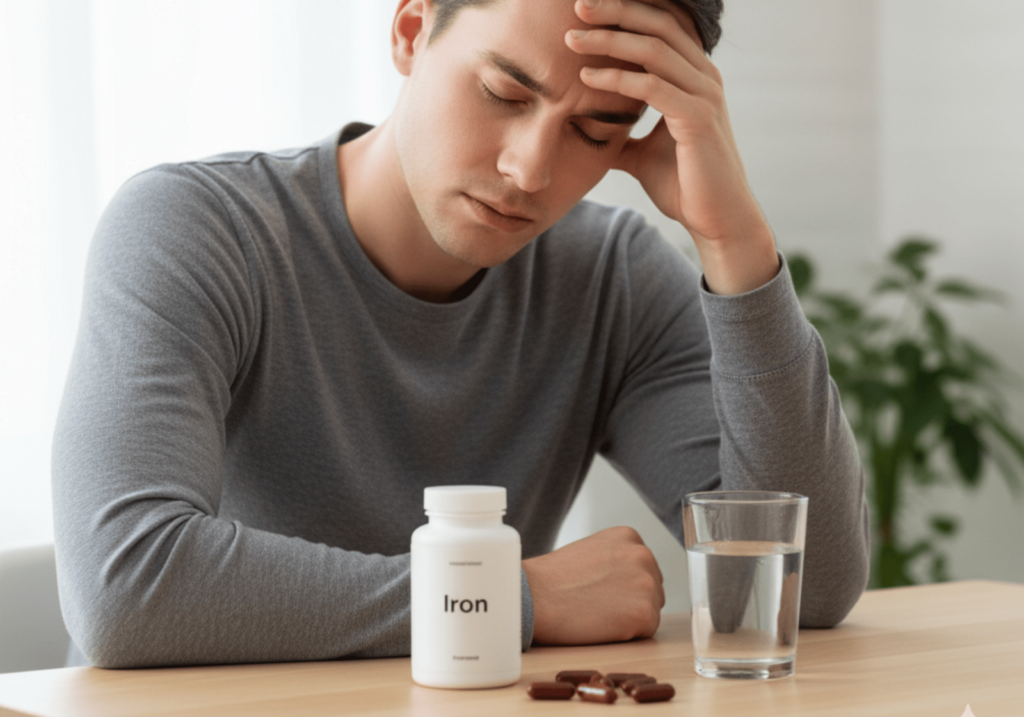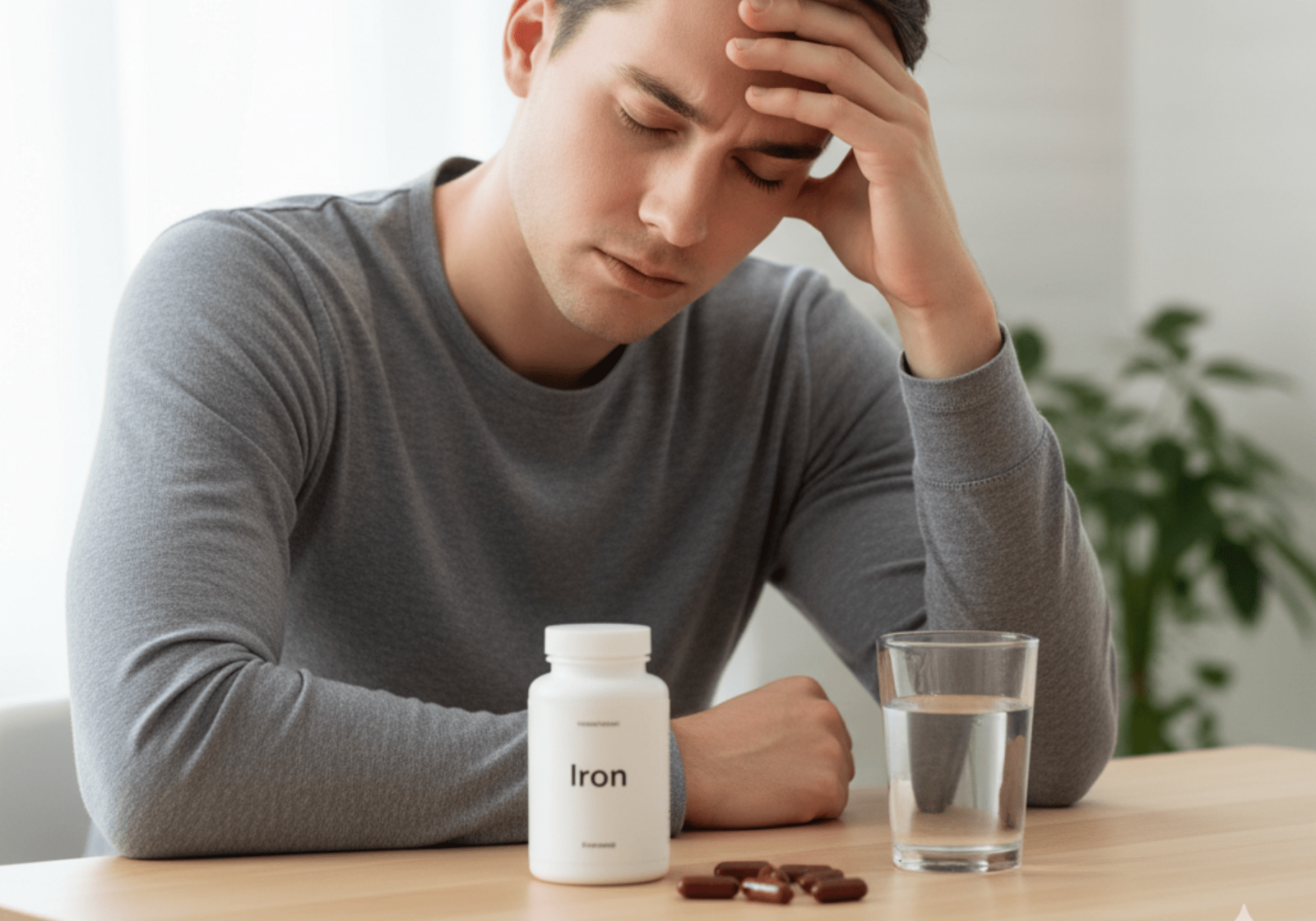

Headaches are one of the most common neurological disorders in the world. Nearly everyone experiences them at some point, but for some, they are frequent and disruptive. A headache can make it difficult to focus on work or school, lower productivity, and negatively affect overall well-being. Whether it’s a dull tension headache that drags through the day or recurring migraine attacks that feel overwhelming, the impact can be life-altering.
This raises an important question: Can iron supplements actually help reduce headaches, or is that just a health myth?
To understand the answer, we need to explore the connection between iron deficiency anemia (IDA) and headaches.
Iron Deficiency and Its Connection to Headaches
Iron deficiency is one of the most common nutritional problems worldwide. It affects millions of people and is especially common in women of reproductive age due to monthly blood loss during menstruation.
Iron is essential because it helps your body make red blood cells, which are responsible for transporting and carrying oxygen throughout your body. When your iron stores are low, your body cannot make enough healthy red blood cells. This means your brain and other organs receive less oxygen than they need to function properly.
When the brain doesn’t get enough oxygen, you may start to feel the symptoms of iron deficiency, such as:
- Constant fatigue
- Dizziness or lightheadedness
- Difficulty concentrating
- Pale skin
- Shortness of breath
- Headaches or migraines
Doctors often check serum ferritin levels (a protein that stores iron in the body) to measure your iron reserves. Low ferritin levels are strongly linked with more frequent headaches. Simply put: when your brain doesn’t get enough oxygen, pain is often the warning sign.
Research on Iron Deficiency Anemia and Headaches
Several studies show a clear connection between iron deficiency anemia and headaches. For example, one large case-control study found that people with IDA were more likely to experience frequent and severe headaches compared to those with normal iron levels.
Even more, the severity of the headaches often matched the severity of the anemia. In other words, the lower the iron, the more painful and frequent the headaches became.
This is especially important in migraines in women, since women are more likely to experience low iron due to menstruation, pregnancy, and higher overall nutritional demands.
Can Iron Supplements Help with Headaches?
For people officially diagnosed with iron deficiency anemia, taking iron supplements can be a game-changer. Supplements help the body produce healthy red blood cells again, restoring proper iron metabolism and allowing oxygen to flow more freely to the brain. As oxygen delivery improves, many people notice their headaches lessen or even disappear.
But there’s a big catch: iron should never be taken without medical advice. If you don’t actually have low iron, supplements can do more harm than good. Possible side effects include:
- Constipation or digestive problems
- Nausea or stomach cramps
- Dark-colored stools
- In severe cases: iron overload (too much iron), which can damage organs like the liver, heart, and pancreas
That’s why it’s critical to confirm iron deficiency with blood tests before taking supplements.
Holistic Ways to Manage Headaches from Iron Deficiency
Supplements alone are not the full answer. Treating headaches caused by iron deficiency works best when combined with a holistic approach that addresses diet, lifestyle, and overall health.
Here are some proven strategies:
- Increase dietary iron intake: Include more iron-rich foods such as lean meat and poultry, fish, shellfish, spinach, beans, lentils, tofu, and fortified cereals. These are natural ways to build up iron levels.
- Boost absorption: Not all iron you eat gets absorbed. Pair iron-rich meals with vitamin C-rich foods like oranges, strawberries, or bell peppers to improve iron absorption.
- Support gut health: Poor gut health can limit iron absorption. Eating a fiber-rich diet, taking probiotics, and avoiding processed foods can help your body use the iron more effectively.
- Lifestyle changes: Get enough sleep, stay hydrated, and reduce stress. These habits lower the chances of headache triggers and improve overall brain health.
By combining supplements, dietary iron intake, and lifestyle improvements, you treat both the symptoms and the root cause of iron-related headaches.
Who Is Most at Risk for Iron-Deficiency Headaches?
Not everyone with headaches has iron deficiency, but some groups are more vulnerable:
- Women of reproductive age: Monthly blood loss makes them more prone to low iron.
- Pregnant women: The body requires more iron to support both the mother and the growing baby.
- Vegetarians and vegans: They consume less heme iron (the type found in meat and poultry that is more easily absorbed by the body).
- People with digestive conditions: Disorders like celiac disease, Crohn’s disease, or inflammatory bowel disease can interfere with iron absorption.
If you fall into one of these groups and suffer from frequent headaches, it may be worth getting your serum ferritin levels checked.
Medical Evaluation and Safety Precautions
Because headaches can be caused by many different conditions, not just iron deficiency, it’s crucial to consult a healthcare provider before starting supplements.
Doctors can perform a blood test to measure hemoglobin and serum ferritin levels to determine whether you’re truly deficient.
Taking iron supplements without guidance can be dangerous. Excess iron can also cause headaches, along with fatigue, joint pain, and organ damage. A condition called hemochromatosis (iron overload) may occur if supplementation isn’t monitored carefully.
In short: always get tested and follow your doctor’s advice before adding supplements.
Practical Tips for Managing Iron Deficiency and Headaches
If your doctor confirms that you have iron deficiency anemia, here’s how you can manage it effectively:
- Iron supplements: Common forms include ferrous sulfate, ferrous gluconate, and ferrous fumarate. Each has slightly different absorption rates and side effect profiles.
- Iron-rich diet: Focus on foods such as red meat, chicken, turkey, shellfish, spinach, lentils, beans, and fortified grains.
- Absorption tips: Avoid drinking coffee, tea, or consuming calcium-rich foods like milk immediately before or after taking iron, as they can block absorption.
- Immune system support: Correcting iron deficiency not only reduces headaches but also strengthens your immune system, since iron helps your body fight infections.
Conclusion
Iron supplements can be an effective treatment for headaches caused by iron deficiency anemia, but they should only be used under medical supervision. Understanding the role of iron metabolism, checking your serum ferritin levels, and improving your dietary iron intake are crucial steps to manage headaches safely and naturally.
By combining iron supplements, a diet rich in iron-rich foods, and healthy lifestyle habits, you can restore balance in your body, reduce headache frequency, and improve both brain function and overall quality of life.
Take our quick quiz to get a personalized supplement recommendation based on your symptoms and health goals, so you’ll know exactly which nutrients your body may need.
Frequently Asked Questions (FAQ)
1. How long does it take for iron supplements to improve headaches?
The timeline varies from person to person. Some people notice improvements within a few weeks, while others may need several months of consistent supplementation to feel relief. It depends on how low your iron stores were to begin with, how well your body absorbs iron, and whether you’re also making changes to your diet and lifestyle.
2. What time of day is best to take iron supplements?
Iron is best absorbed on an empty stomach, but this can sometimes cause stomach upset. Many doctors recommend taking it either first thing in the morning or between meals. If it causes discomfort, it can be taken with a small amount of food (but avoid coffee, tea, and dairy at the same time, since they block absorption).
3. Are there natural alternatives to iron supplements?
Yes. If your deficiency is mild, focusing on iron-rich foods—like red meat, shellfish, spinach, beans, and fortified cereals, may be enough. Pairing these foods with vitamin C sources can boost absorption. However, in cases of moderate to severe iron deficiency anemia, diet alone usually isn’t enough, and supplements are necessary.
4. Can iron supplements interact with other medications?
Yes. Iron can interact with several medications, including certain antibiotics, thyroid medications, and drugs used to treat osteoporosis. These interactions may reduce how well either the medication or the iron is absorbed. Always tell your doctor or pharmacist about any prescriptions or supplements you’re taking before starting iron.
Frequently Asked Questions
1. How long does it take for iron supplements to improve headaches?
The timeline varies from person to person. Some people notice improvements within a few weeks, while others may need several months of consistent supplementation to feel relief. It depends on how low your iron stores were to begin with, how well your body absorbs iron, and whether you’re also making changes to your diet and lifestyle.
2. What time of day is best to take iron supplements?
Iron is best absorbed on an empty stomach, but this can sometimes cause stomach upset. Many doctors recommend taking it either first thing in the morning or between meals. If it causes discomfort, it can be taken with a small amount of food (but avoid coffee, tea, and dairy at the same time, since they block absorption).
3. Are there natural alternatives to iron supplements?
Yes. If your deficiency is mild, focusing on iron-rich foods—like red meat, shellfish, spinach, beans, and fortified cereals, may be enough. Pairing these foods with vitamin C sources can boost absorption. However, in cases of moderate to severe iron deficiency anemia, diet alone usually isn’t enough, and supplements are necessary.
4. Can iron supplements interact with other medications?
Yes. Iron can interact with several medications, including certain antibiotics, thyroid medications, and drugs used to treat osteoporosis. These interactions may reduce how well either the medication or the iron is absorbed. Always tell your doctor or pharmacist about any prescriptions or supplements you’re taking before starting iron.
.