
Have you ever felt unusually calm and sleepy after a Thanksgiving meal or a big bowl of pasta? That cozy, post-meal drowsiness isn’t just from the carbs—L-Tryptophan, a naturally occurring amino acid, likely played a role. Often referred to as the “feel-good amino acid,” L-Tryptophan is an essential nutrient your brain uses to produce serotonin and melatonin—two key compounds that influence your mood, emotional stability, and sleep quality.
While it’s become a household name thanks to turkey dinners, L-Tryptophan is far more than a festive footnote. It’s a vital building block of mental well-being, and plays a key role in the body’s ability to stay calm under pressure, stabilize emotions, and recover from stress and anxiety.
In today’s world, where sleep issues and emotional burnout are all too common, understanding how L-Tryptophan works—and how to support its function—could be a missing piece in your wellness puzzle. In this article, we’ll explore how this essential amino acid works, what the science says about its role in mood and sleep, and whether supplementing with it might be the right move for your mental health.
What Is L-Tryptophan?
L-Tryptophan is an essential amino acid—which means your body cannot make it on its own. You have to get it through your diet (like turkey, eggs, or nuts) or through supplements. But why is it so important?
Once inside your body, L-Tryptophan goes through a natural transformation. First, it’s converted into a compound called 5-HTP (5-Hydroxytryptophan). Then, 5-HTP is turned into serotonin, a chemical that plays a major role in controlling your mood, emotions, and sense of well-being. Later on, serotonin can also be converted into melatonin, the hormone that tells your brain it’s time to sleep.
In other words, L-Tryptophan is the starting material your brain uses to make both serotonin and melatonin. This makes it a natural support for mood, stress, and sleep.
Why L-Tryptophan Matters for Mental Health
A shortage of L-Tryptophan in your body can lead to lower serotonin levels, which has been linked to:
- Mood swings
- Irritability
- Increased sensitivity to stress
- Trouble falling or staying asleep
- Mild depression or anxiety
Studies show that even temporary depletion of L-Tryptophan can negatively affect mood, memory, and impulse control.
A controlled study published in Psychopharmacology demonstrated that when healthy individuals were given a diet that temporarily lowered their tryptophan levels, their mood worsened significantly compared to a control group.
Another double-blind study in Archives of General Psychiatry found that participants with a history of depression who consumed a tryptophan-depleted diet experienced a rapid return of depressive symptoms within hours.
Why It’s Crucial for Sleep
L-Tryptophan doesn’t stop at serotonin. It also helps produce melatonin, the hormone your brain releases to help you relax and drift into sleep. Without enough melatonin, your circadian rhythm—your internal body clock—can become disrupted, making it harder to fall asleep or stay asleep through the night.
L-Tryptophan Helps You:
- Stay emotionally balanced by supporting serotonin production
- Handle stress better by improving emotional resilience
- Fall asleep more easily by boosting melatonin levels
- Wake up refreshed thanks to deeper, more restful sleep
This is why L-Tryptophan is considered a foundational nutrient for mental wellness—especially for people dealing with stress, anxiety, low mood, or sleep issues.
The Serotonin Connection: How L-Tryptophan Impacts Mood
Serotonin is often referred to as the “happiness molecule”—and for good reason. It’s a powerful chemical messenger in your brain (called a neurotransmitter) that helps regulate:
- Mood
- Appetite
- Sleep-wake cycle
- Social behavior
- Stress response
When serotonin levels are healthy, people tend to feel calm, emotionally balanced, and more resilient to daily stress. But when serotonin is low, it’s a different story. You might feel:
- Low in mood or even depressed
- Irritable or emotionally sensitive
- Overwhelmed by minor stressors
- Disconnected from things you normally enjoy
What the Science Says
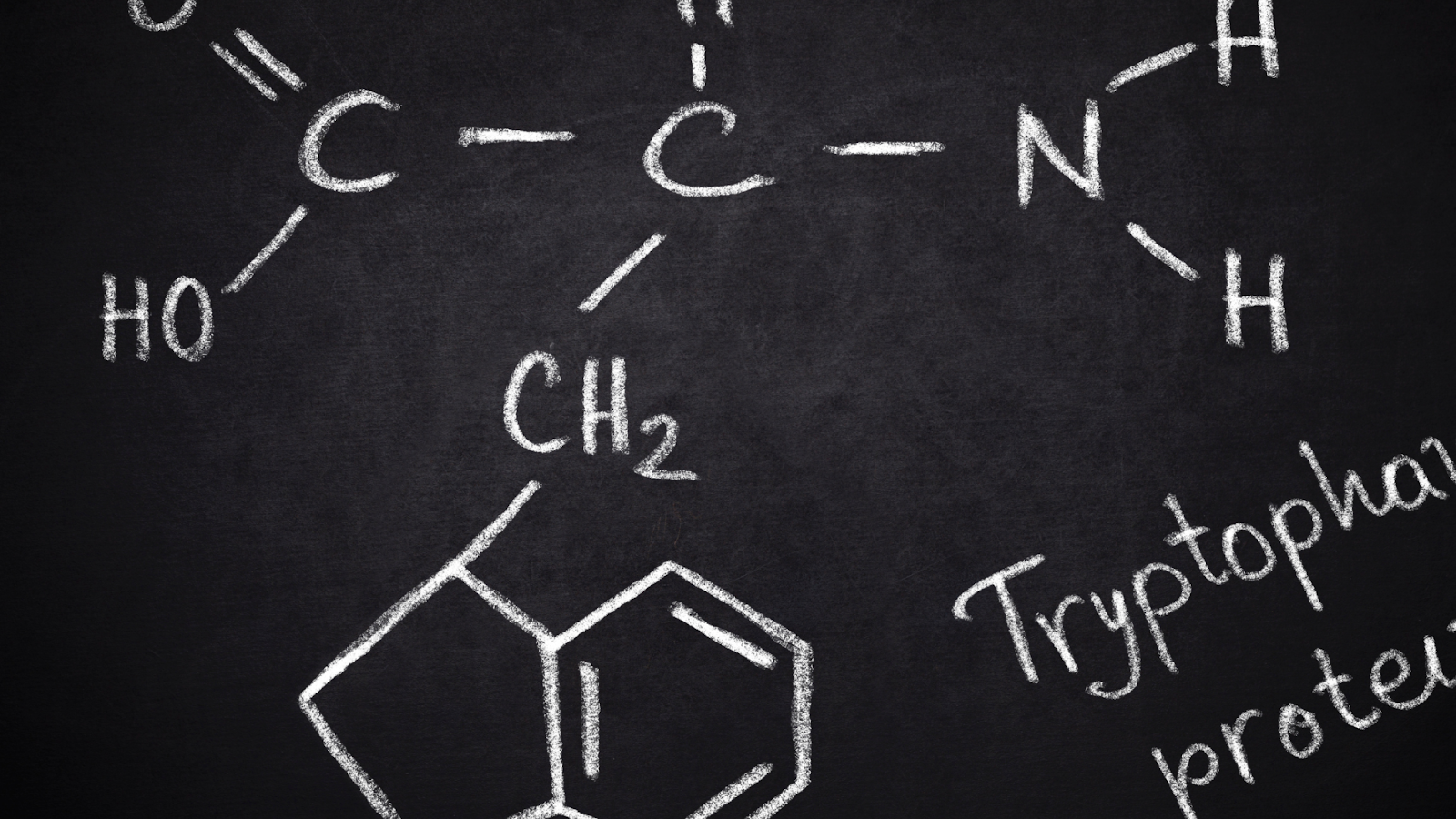
Research has consistently shown that increasing L-Tryptophan intake can positively affect mood—even in healthy individuals. This makes it a natural and gentle option for supporting mental well-being without pharmaceutical intervention.
Another study published in Neuropsychopharmacology found that L-Tryptophan supplementation reduced symptoms of depression in participants with mild to moderate mood disturbances.
In fact, L-Tryptophan has even been studied for its ability to reduce social anxiety, helping people feel more at ease in social interactions. Researchers suggest this effect may be due to its role in promoting serotonin, which is linked to emotional confidence and social comfort.
Foods Rich in L-Tryptophan
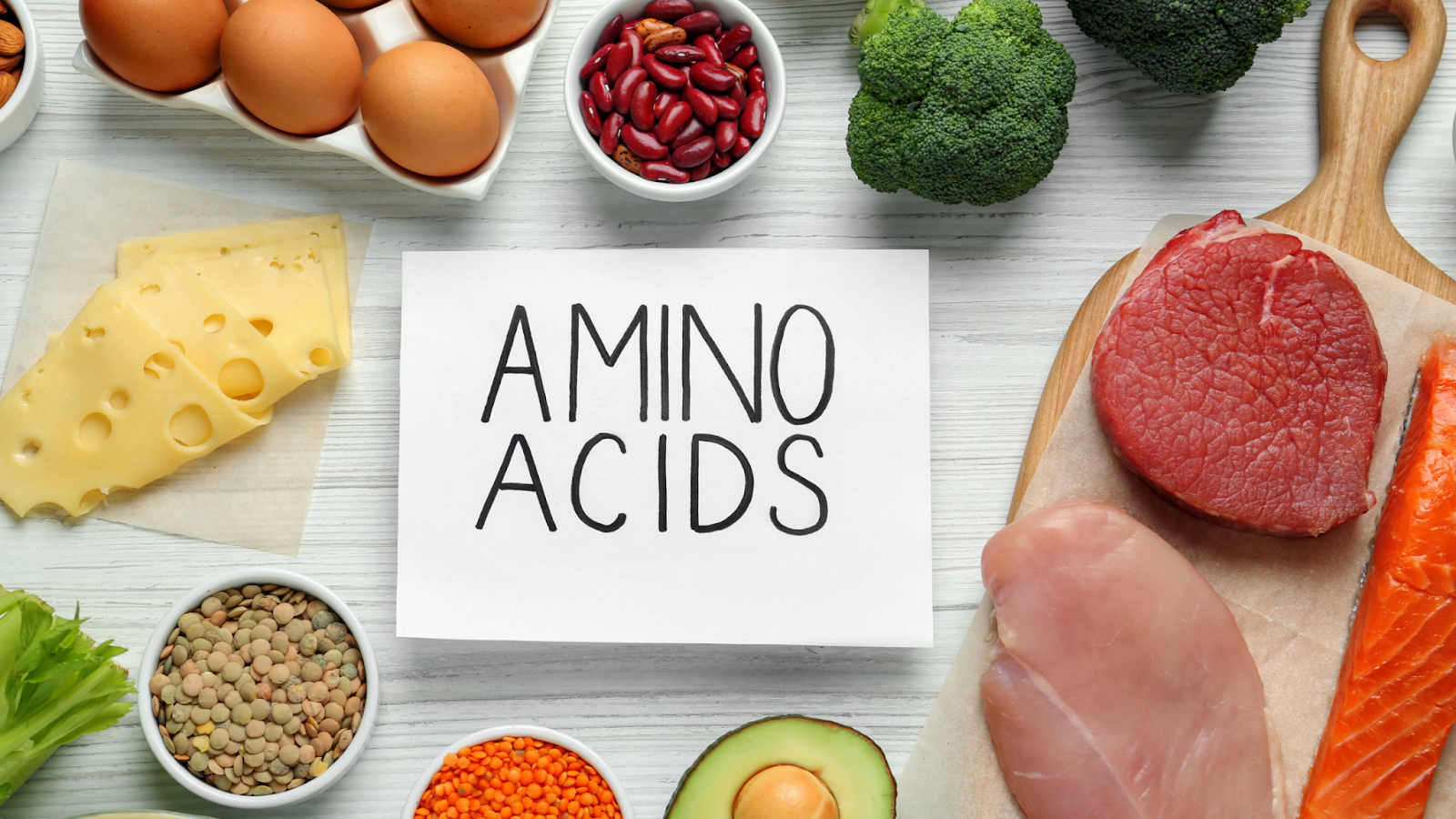
Even though your body can’t make L-Tryptophan on its own, you can get it through a variety of protein-rich foods. Including these in your diet regularly can help support your body’s natural ability to produce serotonin and melatonin, especially when paired with the right co-nutrients.
Here are some of the best natural sources of L-Tryptophan:
- Turkey and Chicken – Often cited as top sources of tryptophan, especially during holiday meals.
- Eggs – Contain not only tryptophan but also high-quality protein and B-vitamins that help convert it into serotonin.
- Tofu and Soy Products – Excellent plant-based sources for vegetarians and vegans.
- Salmon – A great source of tryptophan, omega-3s, and vitamin D—all key nutrients for mood and cognitive health.
- Cheese – Provides both tryptophan and calcium, which can support relaxation.
- Nuts and Seeds – Especially pumpkin seeds, sunflower seeds, and almonds, which are also high in magnesium and zinc.
- Oats – Not only rich in tryptophan but also provide slow-release carbs that help it enter the brain more efficiently.
Why Diet Alone May Not Be Enough
While eating tryptophan-rich foods is a smart and natural strategy, there’s a catch: L-Tryptophan has to compete with other amino acids to reach the brain. That’s because it shares the same transport system across the blood-brain barrier—a protective filter that controls which substances can enter the brain from the bloodstream.
Think of it like trying to board a crowded train. If L-Tryptophan is surrounded by other amino acids from a protein-heavy meal, it might not get through in meaningful amounts.
In fact, studies have shown that high-protein meals may reduce the effectiveness of L-Tryptophan absorption into the brain because of this competition. On the other hand, carbohydrates can actually help tryptophan cross into the brain by increasing the availability of insulin, which pulls competing amino acids out of circulation.
A clinical study published in Journal of Psychiatric Research found that carbohydrate consumption increased the tryptophan ratio in the brain, leading to more serotonin production and better mood regulation.
Pair Tryptophan-Rich Foods with Healthy Carbs
To get the most benefit from dietary L-Tryptophan, try combining tryptophan-rich protein with a small serving of complex carbs, such as:
- Oatmeal with almonds or flaxseed
- Salmon with quinoa or brown rice
- Eggs on whole-grain toast
- Turkey with sweet potatoes
- A handful of pumpkin seeds with a banana
This strategy helps increase serotonin production naturally, making you feel more calm, focused, and emotionally balanced.
L-Tryptophan vs. 5-HTP: What’s the Difference?
Both L-Tryptophan and 5-HTP are precursors to serotonin, but they enter the serotonin pathway at slightly different points. Here’s how they compare:
| Feature | L-Tryptophan | 5-HTP |
|---|---|---|
| Naturally found in food? | ✅ Yes | ❌ No |
| Converts to serotonin? | ✅ Yes (via 5-HTP) | ✅ Yes |
| Converts to melatonin? | ✅ Yes | ✅ Yes |
| Gentler on the stomach? | ✅ Yes | ❌ Sometimes harsh |
If you’re looking for a more gradual and well-tolerated option, L-Tryptophan is typically better. It supports both mood balance and circadian rhythm without the digestive discomfort some people experience with 5-HTP.
Are There Any Side Effects?
L-Tryptophan is generally well tolerated, especially at standard doses (250–500 mg daily). However, high doses may cause:
- Nausea
- Drowsiness
- Headache
- Digestive upset
Always consult a healthcare provider before starting any supplement—especially if you’re taking antidepressants or medications that influence serotonin levels, as mental distress is a rare but serious risk if serotonin is over-activated.
Try the 2 min Quiz and find out if you need L-Tryptophan.
Frequently Asked Questions
Is L-Tryptophan safe for long-term use?
Yes, for most people. Clinical studies have used it safely over extended periods, especially at moderate doses (under 1 gram/day). However, medical supervision is advised.
When should I take L-Tryptophan for sleep?
For best results, take it 30–60 minutes before bedtime on an empty stomach to maximize absorption.
Can I combine L-Tryptophan with other supplements?
Yes—especially with magnesium, vitamin B6, and zinc, which help convert tryptophan into serotonin and melatonin more efficiently.
What’s the best dosage for mood support?
Typical doses for mood range from 250 mg to 1,000 mg/day, depending on body weight and severity of symptoms. Start low and adjust with professional guidance.
.