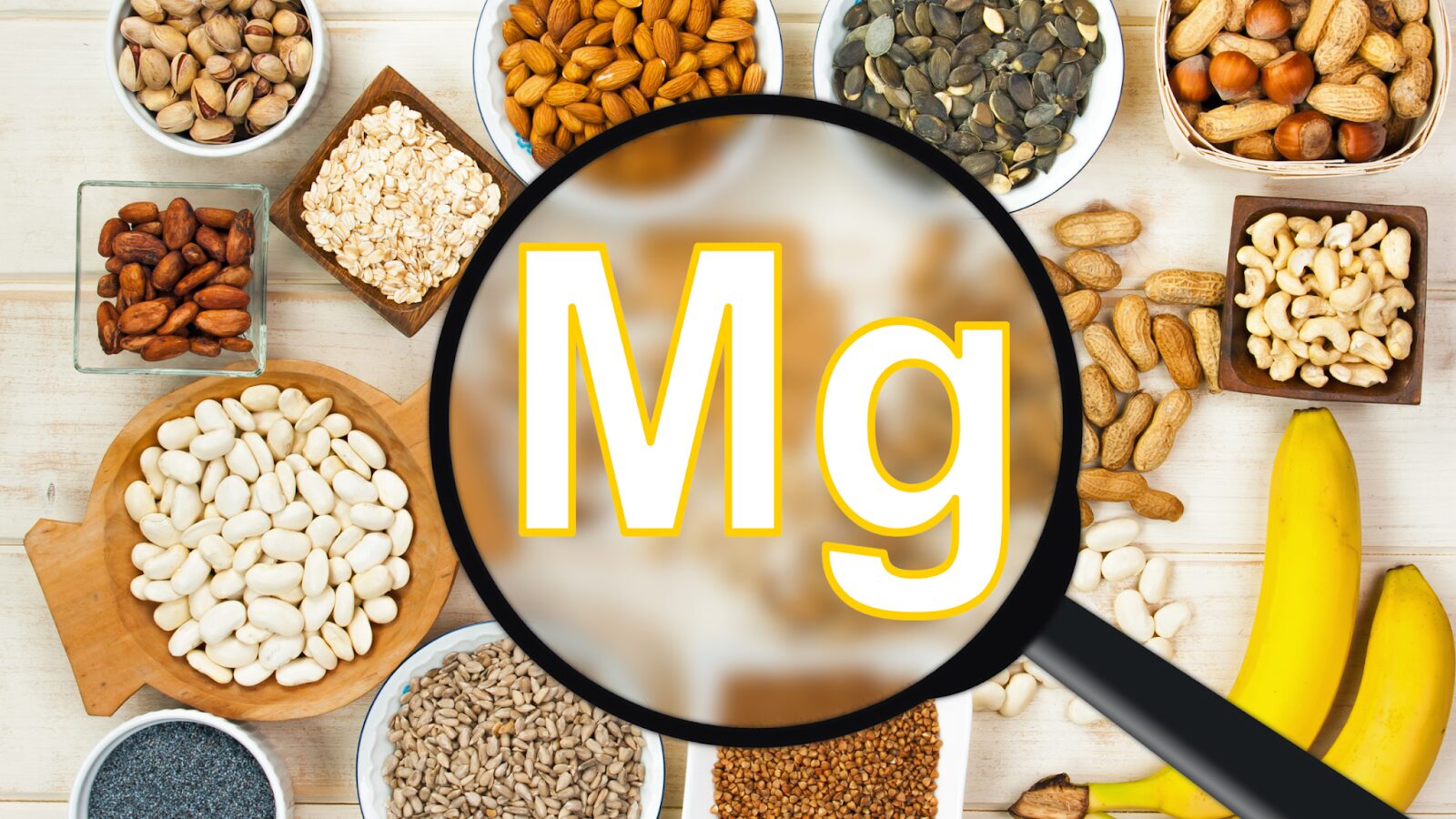

Have you ever spent hours lying in bed, unable to fall asleep no matter how tired you are? Or felt your mind racing with worries, even when your body feels exhausted? If this sounds familiar, your body might be sending you a signal — and that signal could be a magnesium deficiency.
Magnesium is a vital mineral that your body needs for hundreds of functions, especially when it comes to calming your mind, relaxing your muscles, and helping you get deep, restful sleep. And while there are many types of magnesium supplements out there, Magnesium Bisglycinate stands out as one of the most effective and gentle options.
What makes it special? Magnesium Bisglycinate is a form of magnesium that’s bound to glycine, an amino acid known for its calming effects. This combination makes it much easier for your body to absorb, while also being very gentle on the stomach — even for people with sensitive digestion.
What Is Magnesium Bisglycinate?
Magnesium Bisglycinate (also called magnesium glycinate) is a special form of magnesium that your body can absorb and use very easily. What makes it different from other types of magnesium is that it’s “chelated” — which simply means that the magnesium is attached to another substance to help it get into your body more effectively.
Another big benefit of magnesium bisglycinate is that it’s very gentle on your stomach. Many other forms of magnesium — like magnesium oxide or citrate — can cause stomach cramps or diarrhea, especially if you take higher doses. But bisglycinate is much easier for the body to tolerate, making it a great option for people with sensitive digestion.
Why Your Body Needs Magnesium
Magnesium helps with over 300 important functions in the body. It plays a key role in how your nerves, muscles, brain, and heart work. Without enough magnesium, your body can feel tense, your mind can become overactive, and your sleep can suffer.
A study published in Magnesium Research found that chelated forms like magnesium bisglycinate are more bioavailable (easier for the body to absorb) and are better tolerated than non-chelated forms like magnesium oxide.
How Magnesium Bisglycinate Calms the Nervous System

Magnesium is one of the most important minerals in your body — especially for your nervous system, which controls your brain, mood, stress response, and sleep. But when your magnesium levels are low, your body struggles to relax, your mind races, and you feel more anxious or restless.
That’s where Magnesium Bisglycinate comes in. Here’s how it helps your mind and body calm down naturally:
1. Boosts GABA — Your Brain’s “Calm Down” Chemical
Your brain makes a chemical called GABA (gamma-aminobutyric acid). It’s like a natural “off switch” that helps your nervous system slow down when it’s time to relax, sleep, or stop overthinking.
Magnesium helps activate GABA receptors, making it easier for your brain to quiet down. This leads to less anxiety, fewer racing thoughts, and deeper sleep.
A study in Neuropharmacology found that magnesium helps GABA bind to its receptors in the brain — which produces calming, anti-anxiety effects.
2. Reduces Stress by Lowering Cortisol
Cortisol is the hormone your body makes when you’re stressed. A little is okay, but too much — especially at night — can make it hard to relax, fall asleep, or feel emotionally balanced.
Magnesium bisglycinate helps regulate your HPA axis — the system that controls cortisol — so your body doesn’t stay stuck in “fight or flight” mode all day (or night).
A review in the Nutrients journal showed that magnesium can reduce cortisol and lower stress levels in people dealing with chronic stress or anxiety.
3. Helps You Sleep Better and Longer
Magnesium bisglycinate is especially helpful at night. It helps your brain release melatonin, the hormone that controls your sleep cycle. It also relaxes your muscles and helps slow your heart rate — making it easier to fall asleep and stay asleep.
People who take magnesium often report fewer wake-ups at night, less tossing and turning, and more deep sleep (the kind that helps you feel truly rested).
In a double-blind study with older adults, those who took magnesium slept longer, had better sleep quality, and showed higher melatonin levels.
Magnesium Bisglycinate vs. Other Forms: Which One Is Best for You?

There are many different types of magnesium on the market, and not all of them work the same way in the body. Some are better for digestion, some for energy, and some — like Magnesium Bisglycinate — are ideal for relaxation and sleep.
Understanding the difference is important because choosing the wrong type of magnesium might leave you frustrated with little to no results — or worse, cause unwanted side effects like bloating or diarrhea.
Here’s a breakdown of the most common types of magnesium, what they’re good for, and why Magnesium Bisglycinate is often the best choice for calming the nervous system.
| Type of Magnesium | Best For | What to Watch Out For |
|---|---|---|
| Magnesium Bisglycinate (Magnesium Glycinate) | ✔️ Calming the nervous system ✔️ Reducing anxiety ✔️ Improving sleep ✔️ Gentle on digestion |
✅ Very well-tolerated — almost no side effects. The best option for people with anxiety, insomnia, or sensitive stomachs. |
| Magnesium Citrate | ✔️ Supporting bowel movements ✔️ Relieving mild constipation |
⚠️ May cause loose stools or diarrhea in some people — especially if taken in higher doses. Not ideal before bedtime. |
| Magnesium Oxide | ✔️ Widely available and inexpensive | ❌ Very poorly absorbed by the body. You may need high doses to see any benefit — which increases the risk of digestive upset. |
| Magnesium Threonate | ✔️ Improving brain function and memory ✔️ Supporting cognitive health |
⚠️ More expensive. Often used for focus and clarity, not ideal if your main concern is sleep or relaxation. |
| Magnesium Malate | ✔️ Boosting physical energy ✔️ Helpful for fatigue and fibromyalgia |
⚠️ May be too stimulating for evening use. Better taken in the morning or afternoon. |
Why Magnesium Bisglycinate Is the Best Choice for Sleep & Stress
Magnesium Bisglycinate is the top choice if your goal is to calm down, sleep better, and reduce mental tension. Here’s why:
- It absorbs very well into the bloodstream, so your body actually gets the full benefit
- It doesn’t upset your stomach like other forms might
- The added glycine boosts relaxation on its own — making this a perfect two-in-one calming supplement
- It doesn’t act like a laxative, so you can take it before bed without worry
Research shows that chelated forms of magnesium (like bisglycinate) are better absorbed and more effective at treating magnesium deficiencies without digestive issues.
If you’ve tried magnesium before and didn’t notice a difference — or had side effects — it’s very possible that the form you were using just wasn’t right for you.
Magnesium Bisglycinate offers a more targeted, gentle, and effective approach for mental wellness and sleep, especially when used consistently.
Recommended Dosage and When to Take Magnesium Bisglycinate
If you’re new to magnesium supplements, knowing how much to take and when to take it can make all the difference in how well it works — especially when your goal is better sleep, lower stress, or anxiety relief.
Here’s what you need to know:
How Much Magnesium Do You Need?
Most health experts recommend 200–400 mg of elemental magnesium per day for adults, depending on age, gender, stress levels, and individual needs.
- Low stress / occasional sleep trouble: 200 mg may be enough
- High stress, anxiety, or sleep issues: 300–400 mg is usually more effective
Magnesium Bisglycinate typically contains about 10–14% elemental magnesium, so a 1000 mg capsule gives you around 100–140 mg of usable magnesium. Always check the label for exact amounts.
Best Time to Take It for Sleep & Relaxation
If your main goal is to feel calm and sleep better, the best time to take Magnesium Bisglycinate is:
- 1 to 2 hours before bedtime
This gives your body time to absorb the magnesium and activate its calming effects — so you can wind down naturally before sleep. Many users say it helps them fall asleep faster and stay asleep longer without grogginess in the morning.
Important Safety Reminders
Magnesium is very safe for most people, but it’s still smart to follow a few precautions:
- If you have kidney problems, talk to your doctor before taking magnesium — the kidneys regulate how much stays in your system
- If you’re on medications (like blood pressure meds, antibiotics, or diuretics), check for potential interactions
- Always start with a lower dose (e.g., 100–200 mg) and increase gradually to see how your body responds
- Magnesium Bisglycinate is very gentle, but everyone is different — if you notice any unusual side effects, lower the dose or pause and consult your healthcare provider
A study in the Journal of the American College of Nutrition confirmed that consistent daily magnesium intake — even at modest levels — improves sleep quality and reduces symptoms of insomnia in older adults.
Potential Side Effects
While Magnesium Bisglycinate is one of the best-tolerated forms, high doses may cause:
- Loose stools (rare with bisglycinate)
- Fatigue (in very large amounts)
- Drug interactions (especially with diuretics or antibiotics)
It’s best to start low and build gradually, especially if combining with other supplements like L-Theanine, ashwagandha or GABA.
Who Can Benefit from Magnesium Bisglycinate?
You may benefit if you:
- Struggle with falling or staying asleep
- Feel mentally overwhelmed or physically tense
- Experience chronic stress or burnout
- Deal with symptoms of anxiety, PMS, or restless legs
- Regularly consume caffeine or alcohol (both deplete magnesium)
Magnesium deficiency is incredibly common, especially in modern, fast-paced lifestyles. A gentle, bioavailable form like bisglycinate can be a game-changer.
Final Thoughts
Magnesium Bisglycinate is more than just another sleep aid. It’s a gentle powerhouse that targets the root of nervous system dysregulation, making it a top choice for insomnia, stress, and emotional instability.
By calming the brain, lowering cortisol, and improving deep sleep, this form of magnesium helps you reset and recharge from the inside out — without grogginess or side effects.
Take the first step toward better rest and a calmer mind.
👉 Take our quiz to find out if Magnesium Bisglycinate is part of your personalized formula.
Discover how Cenario customizes supplements based on your unique mental health needs — so you can finally wake up rested, clear, and in control.
Frequently Asked Questions
Can Magnesium Bisglycinate help with anxiety?
Yes, it supports GABA activity and calms the nervous system, making it one of the best magnesium forms for anxiety relief.
Is it okay to take Magnesium Bisglycinate every night?
Absolutely. In fact, daily supplementation helps maintain consistent levels and supports long-term sleep and mood regulation.
How long does it take to work?
Some people feel more relaxed within hours, while full benefits (especially for sleep and anxiety) may take a few days to a week of regular use.
Can I take it with other supplements?
Yes. It combines well with calming ingredients like L-Theanine, Valerian Root, or Melatonin depending on your needs.