

Life today moves fast—and for many people, that means more stress, more pressure, and more emotional ups and downs. Rates of anxiety, depression, and mood disorders have been rising for years, and researchers are working hard to find natural, science-backed ways to support mental health.
One powerful tool that’s gaining attention is a type of healthy fat called Omega-3 EPA (short for eicosapentaenoic acid). While you may have heard of omega-3s for heart health, this specific form—EPA—is especially helpful for the brain. It’s now being recognized as one of the most effective nutrients for improving mood and supporting emotional balance.
Unlike its cousin DHA, which helps build brain cells, EPA works like a messenger. It helps calm inflammation in the brain and supports healthy communication between brain chemicals like serotonin and dopamine—both of which are key to how we feel day to day.
In this article, you’ll learn:
- What makes Omega-3 EPA different from other omega-3s like DHA
- How it helps regulate mood and reduce symptoms of depression
- Why EPA may be one of the most important nutrients for your emotional health
Backed by research and written for real life, this guide will help you understand why EPA is such a powerful support for your mind—and how to start using it effectively.
What Is Omega-3 EPA?
What if just one nutrient—a healthy fat your body can’t make on its own—could help lift your mood, clear your mind, and lower your risk of depression? That’s exactly what scientists are discovering about Omega-3 EPA.
Omega-3s are essential fats your brain needs to function properly. They play a big role in how you feel, think, and cope with stress. But because your body can’t produce them naturally, you have to get them through food or supplements. There are three main types of omega-3s:
Here’s how they differ:
EPA (Eicosapentaenoic Acid)
This is the form most closely linked to better mood and mental clarity. EPA helps reduce inflammation in the brain and supports the production of mood-related brain chemicals like serotonin and dopamine
A landmark meta-analysis published in Molecular Psychiatryconcluded that EPA was significantly more effective than DHA in improving depressive symptoms, particularly when the EPA content was higher than 60% in the supplement formulation
DHA is essential for building and protecting brain cells, especially during pregnancy and childhood. But when it comes to mood improvement in adults, DHA doesn’t have the same impact as EPA. Most studies suggest it works best when combined with EPA, rather than alone.
ALA comes from plant sources like flaxseeds, chia seeds, and walnuts. It has to be converted into EPA or DHA in the body—but this process is very inefficient (less than 10%), so it’s not ideal if you’re trying to get enough EPA for mental health benefits.
Why EPA Matters for Mental Health
Out of the three omega-3s, EPA is the one that gets to the root of mood problems. It lowers inflammation, helps your brain cells communicate better, and supports the chemicals that control how you feel.
If you’re struggling with low mood, brain fog, or emotional ups and downs, EPA is the smartest choice among omega-3s to support your mental well-being—based on real science.
How Omega-3 EPA Supports Mood Regulation

EPA doesn’t just passively support brain health—it actively reshapes the biochemical environment of the brain to improve mood, reduce anxiety, and restore emotional stability. Here’s how it works on a cellular level:
1. Reduces Inflammation in the Brain
Chronic, low-grade inflammation has been repeatedly linked to major depressive disorder (MDD) and other mood disturbances. Elevated inflammatory markers like IL-6, TNF-α, and CRP are commonly found in individuals with depression. Omega-3 EPA acts as a potent anti-inflammatory agent, helping to calm overactive immune responses in the brain and body.
A randomized controlled trial in Molecular Psychiatry found that EPA-rich supplements significantly improved depressive symptoms, particularly in people with elevated inflammation—whereas DHA alone had no such effect. This study strongly supports EPA’s unique mood-regulating capacity.
EPA competes with arachidonic acid (an omega-6 fatty acid) for incorporation into cell membranes. This shifts the body’s balance toward anti-inflammatory eicosanoids, reducing the synthesis of pro-inflammatory cytokines and supporting a more stable mental state.
2. Modulates Neurotransmitters
EPA plays a critical role in regulating monoamine neurotransmitters—specifically serotonin, dopamine, and norepinephrine—all of which are closely tied to mood, motivation, and stress resilience.
- Enhances serotonin release and receptor sensitivity in key brain regions like the prefrontal cortex and hippocampus
- Supports dopamine transmission, which improves motivation and reward sensitivity
- Stabilizes mood by preserving the structural integrity of synaptic membranes
A study in Brain, Behavior, and Immunity found that EPA supplementation enhanced serotonin signaling by reducing neuroinflammation and improving membrane fluidity, creating a more favorable environment for neurotransmission.
This modulation helps correct imbalances often seen in mood disorders, contributing to improved emotional regulation and decreased symptoms of anxiety and depression.
3.
Healthy brain function depends on how efficiently neurons send and receive messages. EPA helps by increasing the fluidity and flexibility of neuronal membranes, which enhances communication between brain cells.
- Facilitates faster signal transmission
- Supports neuroplasticity (the brain’s ability to adapt and rewire)
- Promotes synaptic integrity, especially in the hippocampus (a brain region involved in emotion and memory)
Research from The Journal of Lipid Researchshows that EPA-enriched membranes improve synaptic signaling and cell resilience, particularly in response to stress and oxidative damage.
This improved signaling leads to clearer thinking, more stable moods, and better adaptive responses to stress—all key components of emotional well-being.
EPA vs. DHA: Which Is Better for Mood?
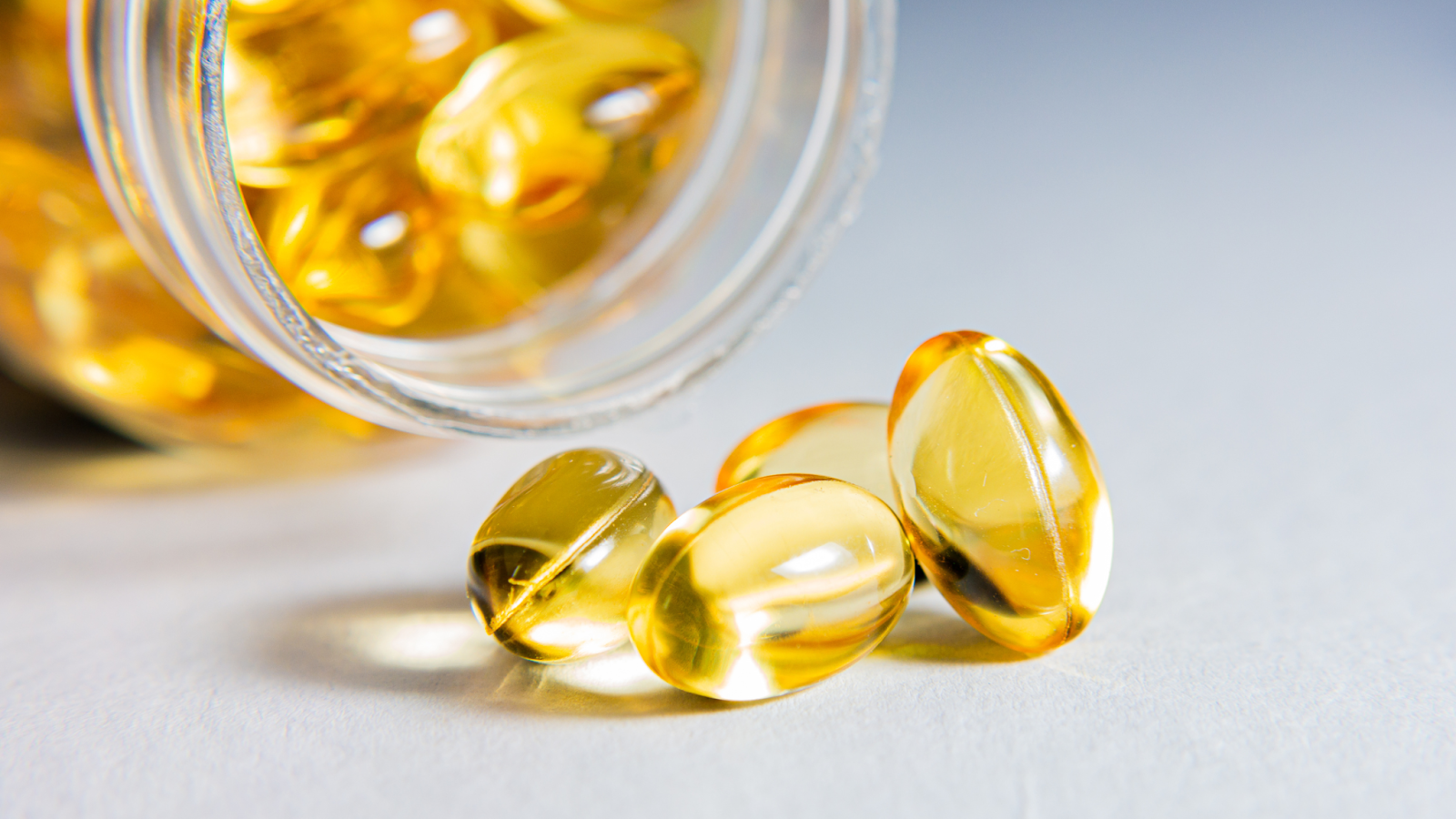
While both EPA and DHA are essential omega-3 fatty acids that support brain health, they serve distinct functions—and when it comes to mood regulation and depression, EPA clearly leads the way.
DHA (Docosahexaenoic Acid) is structurally vital for the brain. It helps maintain the integrity of neuronal membranes and supports long-term brain development, particularly in infants and children. However, DHA’s effects are primarily neuroprotective and structural rather than emotional or mood-related. It acts as a building block rather than a chemical modulator of mood.
EPA (Eicosapentaenoic Acid), on the other hand, has a far more active and dynamic role in regulating mood through its anti-inflammatory and neurochemical effects. It directly influences the production of signaling molecules (cytokines and eicosanoids) that play a role in mood disorders, while also modulating neurotransmitters like serotonin and dopamine, which are crucial for emotional balance.
A meta-analysis published in “Translational Psychiatry” concluded that supplements containing higher EPA content (at least 60%) were significantly more effective in improving mood compared to DHA or lower-EPA formulas.
In fact, individuals with depression may benefit most from EPA-predominant supplements rather than standard fish oil blends.
Best Sources of EPA
- Cold-water fatty fish: Salmon, sardines, mackerel, herring, anchovies
- Fish oil supplements: Look for formulas with at least 60% EPA
- Algae oil (for vegans): Typically richer in DHA, but some include EPA
To support mood, a daily dose of 1,000–2,000 mg of EPA is often recommended in clinical studies, especially for those experiencing symptoms of depression.
Omega-3 EPA and Depression: The Clinical Link
EPA has been studied extensively for its role in major depressive disorder (MDD), bipolar depression, and perinatal depression.
- People with depression often show lower levels of omega-3s, especially EPA, in red blood cells and brain tissue.
- Supplementation with EPA has been associated with faster improvement in mood, especially when used alongside antidepressants.
 A clinical trial published in the “Journal of Clinical Psychiatry” showed that EPA supplementation resulted in significant mood improvements in individuals with treatment-resistant depression.
Who Can Benefit from Omega-3 EPA?
- Individuals with chronic stress or emotional exhaustion
- People experiencing symptoms of depression or low mood
- Those with a family history of mood disorders
- Anyone following a low omega-3 diet (common in Western diets)
Choosing the Right EPA Supplement
When selecting an EPA supplement, look for:
- High EPA-to-DHA ratio (≥60% EPA)
- Third-party tested for purity and heavy metals
- Triglyceride form for optimal absorption
We recommend starting with a pure EPA supplement or a balanced fish oil that prioritizes EPA if you’re seeking support for mood and mental clarity.
Conclusion
Omega-3 EPA isn’t just a heart-healthy fat—it’s a potent mood stabilizer backed by science. From lowering brain inflammation to modulating neurotransmitters like serotonin and dopamine, EPA offers a natural and effective way to support emotional well-being.
If you’re navigating stress, depression, or low energy, consider exploring EPA as part of your daily supplement routine.
Take our quick mental health quiz to receive a personalized supplement plan tailored to your unique needs.
Frequently Asked Questions
Can I get enough EPA from food alone?
Most people don’t consume enough fatty fish to meet therapeutic EPA levels. Supplements are often needed for mood benefits.
How long does it take for EPA to improve mood?
Clinical improvements are often observed within 4–12 weeks, but some may feel better sooner.
Are there side effects to EPA?
EPA is generally well-tolerated. Mild effects like fishy aftertaste or loose stools can occur but are rare with high-quality supplements.
Can I take EPA with antidepressants?
Yes, EPA has been shown to enhance the effectiveness of antidepressants. Always consult your healthcare provider before combining treatments.