

In an age of constant stimulation, stress, and sleepless nights, your brain needs all the support it can get. One of the most underrated tools for boosting your mental well-being? Omega-3 fatty acids. These essential fats don’t just support heart health they’re also critical for brain function, mood stability, and cognitive clarity.
Best known for supporting heart health, omega-3s also have a profound effect on your mood, memory, and mental resilience. Whether you’re dealing with anxiety, struggling to concentrate, or just want to boost your emotional stamina, this brain-friendly nutrient could be your missing link.
In this article, we’ll dive into how omega-3s impact your mood, memory, and overall mental resilience, backed by science and practical tips for getting enough of these brain-boosting nutrients every day.
What Are Omega-3 Fatty Acids?

Omega-3s are a group of polyunsaturated fatty acids that are vital to human health. Since your body can’t produce them on its own, you need to get them from food or supplements.
There are three main types:
- EPA (eicosapentaenoic acid): Mostly found in fatty fish like salmon and mackerel. Known for its anti-inflammatory effects.
- DHA (docosahexaenoic acid): Also found in seafood, especially important for brain development and function.
- ALA (alpha-linolenic acid): Found in plant sources like flaxseeds, chia seeds, and walnuts. It must be converted to EPA or DHA in the body (but the conversion rate is low).
Omega-3s are a key structural component of brain cells, helping to maintain membrane fluidity and supporting communication between neurons. Without enough omega-3s, your brain may not function at its best.
Omega-3s and Mood
Ever feel like your emotions are all over the place? Your brain’s chemical messengers like serotonin anddopamine help regulate mood, and omega-3s play a critical role in keeping them balanced.
Research shows that people with low omega-3 levels are more likely to experience symptoms of depression and anxiety.
In fact, a study from State of health of adolescents in eastern regions of Poland have found that EPA-rich omega-3 supplements can be as effective as antidepressants in treating mild to moderate depression.
Here’s how omega-3s help:
- Reduce brain inflammation linked to mood disorders
- Improve neurotransmitter function
- Lower stress hormones like cortisol
If you’re taking omega-3s for mood, look for a supplement with more EPA than DHA, as studies suggest it has a stronger effect on reducing depression.
Omega-3s and Memory
Your brain is nearly 60% fat and a big chunk of that is DHA. This fatty acid is crucial for maintaining the structure and function of brain cells, especially in areas responsible for memory and learning.
Several studies have found that higher DHA intake is linked to:
- Better memory and cognitive performance
- Slower brain aging
- Lower risk of Alzheimer’s and dementia
Even young adults and teens can benefit from DHA for mental clarity and sharper recall, especially during exam season or high-pressure work periods.
Recommended intake: Aim for at least 250–500 mg of combined EPA and DHA daily for general brain health. Older adults or those with cognitive concerns may need more—consult your healthcare provider.
Omega-3s and Mental Resilience
Mental resilience is your ability to adapt, recover, and stay grounded under stress. Omega-3s support this by reducing inflammation and improving your brain’s stress response.
Here’s what they do:
- Lower levels of pro-inflammatory cytokines, which are elevated in chronic stress and trauma
- Help regulate the hypothalamic-pituitary-adrenal (HPA) axis, which controls how your body responds to stress
- Support neuroplasticity—your brain’s ability to adapt to new challenge.
Whether you’re navigating burnout, emotional fatigue, or just everyday stress, omega-3s help your brain bounce back faster and stay more emotionally stable over time.
How Much Omega-3 Do You Need?
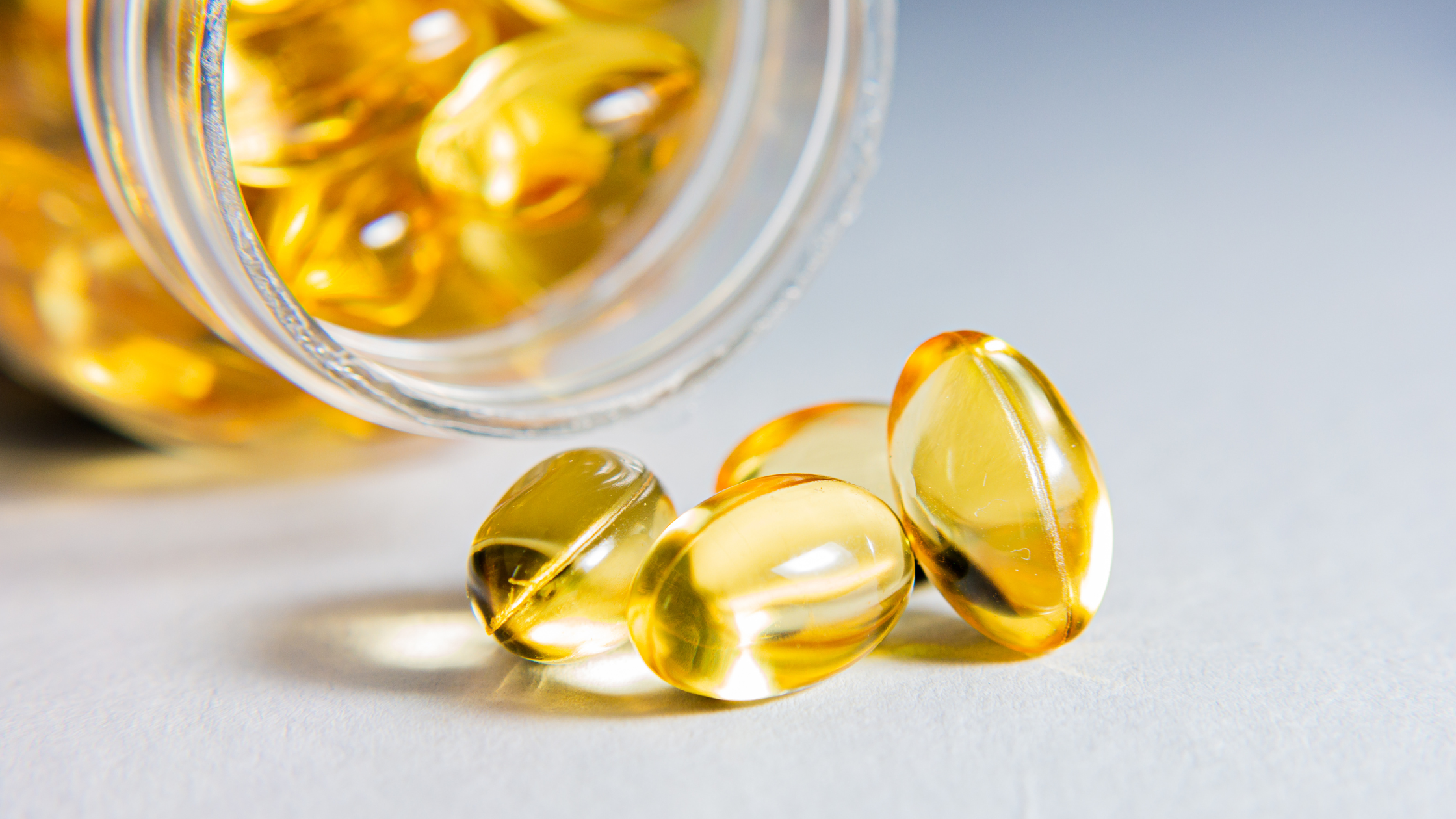
A study said most health experts recommend 250–500 mg of combined EPA and DHA daily for general health, and up to 1,000–2,000 mg for mental health support under medical supervision
While exact needs vary, here are general guidelines:
- Adults: 250–500 mg of combined EPA and DHA per day
- For mood/cognitive support: Up to 1000–2000 mg daily may be used under medical supervision
- Vegans/vegetarians: Consider algae-based DHA supplements
Omega-3s are generally safe, but high doses may thin your blood or interact with medications like blood thinners. Always check with your doctor if you’re on medications or have a health condition.
Tips to Get More Omega-3s Daily
Here are simple ways to boost your intake:
Food Sources:
- Salmon, sardines, anchovies, mackerel, trout
- Omega-3 enriched eggs
- Seaweed and algae (especially for vegans)
Plant-Based Options:
- Chia seeds, flaxseeds, hemp seeds
- Walnuts
- Algal oil supplements (vegan source of DHA)
Supplements:
- Fish oil (choose high-quality, third-party tested brands)
- Krill oil (smaller dose, easier to absorb)
- Algae oil (for plant-based DHA)
Get custom supplement suggestions for mental strength, start our quick quiz today.
Conclusion
Omega-3 fatty acids aren’t just a heart-health hero, they’re a brain booster, mood stabilizer, and stress shield all in one. If you’re looking to feel more focused, less anxious, and mentally stronger, omega-3s deserve a place in your wellness routine.
Whether through diet or supplements, consistency is key. Start small, stay steady, and you’ll likely notice a clearer mind and a calmer mood in the weeks ahead.
Take our quick quiz to discover personalized supplement recommendations that support your mental resilience.
Frequently Asked Questions
What are the best omega-3 supplements for mood?
Look for high-EPA fish oil supplements. EPA is especially helpful in reducing symptoms of depression and anxiety. Algae oil is a great vegan alternative.
Can omega-3s really improve memory?
Yes! DHA is critical for brain structure and cognitive function. Studies show omega-3s help with memory recall and may reduce cognitive decline with age.
How long does it take to feel the effects of omega-3?
Most people notice changes in mood or mental clarity within 6–12 weeks of consistent intake, especially when paired with a healthy lifestyle.
Is it better to get omega-3s from food or supplements?
Both are effective. Whole foods offer extra nutrients, while supplements provide a consistent dose—especially if you don’t eat fish regularly.