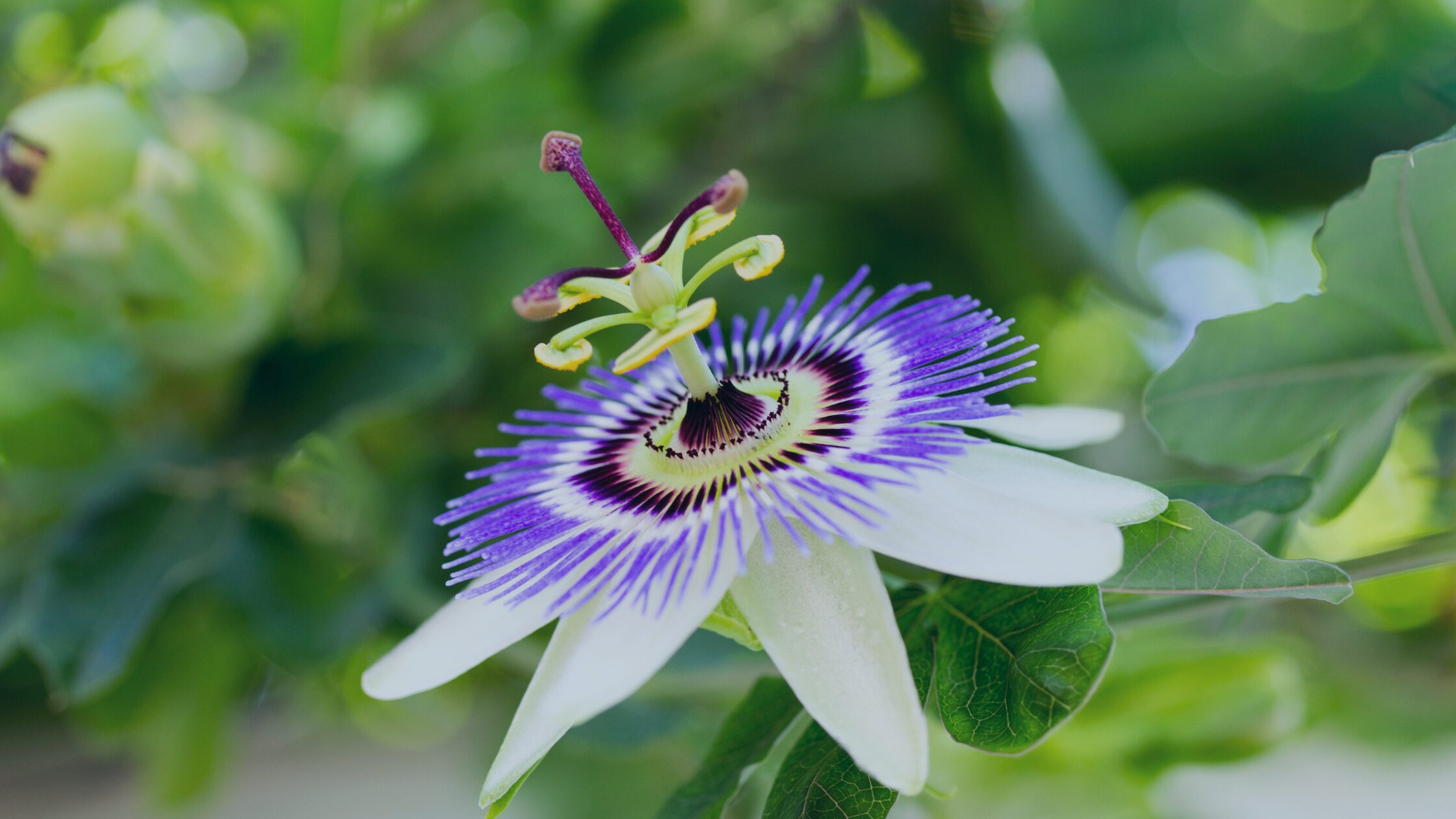

In an era marked by relentless stress and increasingly disturbed sleep patterns, the demand for natural, science-backed solutions to support mental well-being has never been greater. Among the emerging botanical remedies, passionflower (Passiflora incarnata) stands out as a time-honored herb now validated by modern research. Celebrated for its calming properties and ability to promote restorative sleep, this elegant flowering vine offers a promising alternative to conventional medications without the risk of dependency or harsh side effects.
In this article, we delve into the scientific foundations of passionflower’s therapeutic effects, explore how it influences the brain and nervous system, and uncover why it may be a powerful ally in your journey toward improved mental health and deeper, more restful sleep.
What Is Passionflower?
Passionflower (Passiflora incarnata) is a climbing vine native to the southeastern United States, Central America, and parts of South America. Known for its striking purple flowers, passionflower has been used for centuries in traditional herbal medicine to treat nervous restlessness, insomnia, and anxiety.
Today, it’s often consumed as a tea, tincture, or supplement, and is praised for its calming effects on the mind and body.
How Passionflower Works in the Brain
Passionflower is believed to increase gamma-aminobutyric acid (GABA) in the brain, a neurotransmitter that lowers activity in the nervous system, promoting relaxation. By supporting healthy GABA levels, passionflower may reduce feelings of anxiousness, restlessness, and overstimulation.
Benefits of Passionflower
- Reduces symptoms of anxiety by calming neural activity
- Improves sleep quality and decreases the time it takes to fall asleep
- May help manage mild symptoms of stress-related conditions
- Non-habit forming and well tolerated, making it a safe option for long-term use
Scientific Evidence: What the Research Says
Passionflower isn’t just folklore modern research supports its benefits:
- A 2017 study review published in Complementary Therapies in Medicine concluded that passionflower may be effective in reducing generalized anxiety symptoms, especially when taken in extract form.
- A double-blind, placebo-controlled study found that participants who took passionflower extract experienced significantly improved sleep quality compared to those given a placebo.
- Another study showed passionflower to be as effective as oxazepam, a common anti-anxiety medication, in reducing symptoms of anxiety with fewer side effects.
Note: More large-scale studies are still needed, but early results are promising and align with centuries of traditional use.
Who Can Benefit From Passionflower?

If you experience any of the following, passionflower may be worth considering:
- Difficulty falling or staying asleep
- Racing thoughts before bedtime
- Mild to moderate anxiety
- Daytime restlessness
- A preference for natural, plant-based remedies over prescription medications
It’s particularly useful for individuals who are sensitive to more stimulating supplements or who are seeking a gentler approach to nervous system support.
How to Use Passionflower for Anxiety and Sleep
Supplement Forms:
- Capsules or tablets: Convenient and standardized for consistent dosing.
- Tinctures: Fast-absorbing, customize drops that can be added to water or taken under the tongue.
- Tea: A relaxing ritual before bed that also provides mild sedative effects.
Typical Dosage:
- For anxiety relief, studies suggest 200–500 mg of extract per day.
- For sleep, 30–60 drops of tincture or 1–2 cups of tea an hour before bedtime is common.
- Always follow label instructions or consult a professional for guidance.
Passionflower is often combined with other calming herbs like valerian root, GABA, or L-theanine for synergistic effects.
Safety and Side Effects
Passionflower is generally well tolerated, but here are a few precautions to keep in mind:
- May cause drowsiness—avoid driving or operating machinery after use.
- Should not be mixed with sedative medications or alcohol.
- Avoid during pregnancy or breastfeeding, unless under medical supervision.
- If you’re on anti-depressants, antianxiety medications, or sleep aids, talk to your doctor before adding passionflower.
How Passionflower Compares to Other Natural Remedies
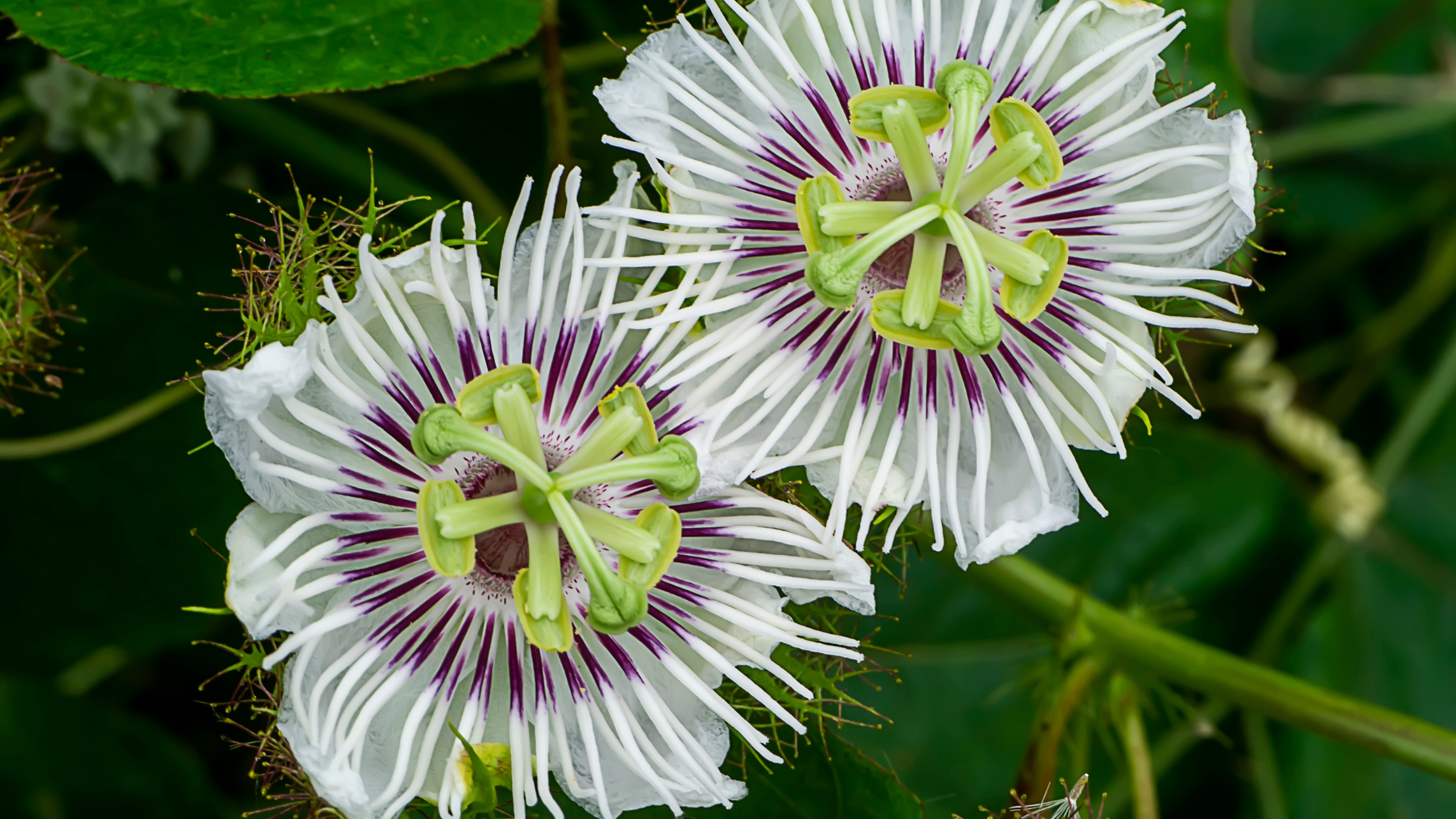
Passionflower holds a unique position among natural remedies for anxiety and sleep support, thanks to its dual-action benefits and gentle profile. While it works moderately fast, its strength lies in how it balances mental relaxation and physical sedation making it ideal for individuals who struggle with both anxiety and insomnia<.
Compared to Valerian Root, which is more commonly used for sleep, passionflower offers a broader spectrum of support by calming racing thoughts and easing nervous tension. While valerian is also non-habit forming, some users report morning grogginess an effect less common with passionflower.
Melatonin, on the other hand, regulates the circadian rhythm and is particularly helpful for those dealing with jet lag or irregular sleep schedules. However, it doesn’t directly target anxiety and may be less effective for individuals whose sleep issues are rooted in stress or overstimulation.
GABA, a neurotransmitter supplement, works quickly to calm the nervous system. It’s ideal for acute anxiety or moments of intense stress but may not offer the same sustained or gentle relief that passionflower provides.
In summary, passionflower offers a balanced and holistic alternative especially valuable for individuals seeking non-synthetic, well-tolerated options for both emotional and sleep-related challenges.
Ready to Find Your Personalized Sleep and Anxiety Solution?
Take our 2-minute quiz to discover your custom supplement formula backed by science, built for your brain.
Frequently Asked Questions
Is passionflower safe for long-term use?
Yes, passionflower is considered safe for most people when used in moderate doses. However, it’s best to take breaks between usage periods and consult a healthcare provider if used long term.
Can I combine passionflower with other supplements?
Yes. Passionflower pairs well with other calming supplements like GABA, Valerian Root, or L-Theanine for enhanced effects.
How long does passionflower take to work?
It typically begins to take effect within 30–60 minutes, especially when taken as a tea or tincture.
Does passionflower have any side effects?
Mild drowsiness or dizziness can occur, especially at higher doses. Avoid using it with alcohol or sedative medications.
Can I take passionflower daily?
Yes, but it’s best used on an as-needed basis or in cycles to prevent tolerance. Consult a health professional if you’re considering long-term use.