

Could Selenium Be the Missing Link in Your Mental Wellness?
When people talk about nutrients that support brain health, we usually hear about omega-3 fatty acids (for mood and memory), B-vitamins (for energy and nerve function), or magnesium (for relaxation and sleep). These nutrients are well-known for a reason — they’ve been studied for years, and many supplements now include them as part of standard brain support formulas.
But there’s one important mineral that often gets completely overlooked: selenium.
Selenium is a trace mineral, which means your body needs it in small amounts — but it has a big impact on how your brain and body function. It helps create powerful enzymes called selenoproteins, which:
- Defend your brain against inflammation
- Fight harmful free radicals (oxidative stress)
- Support proper thyroid function (which affects mood and energy)
- Balance key brain chemicals like serotonin and dopamine
In other words, selenium helps protect the brain, stabilize emotions, and sharpen cognitive function — all of which are essential when you’re dealing with depression, anxiety, fatigue, or burnout.
Why Haven’t We Heard More About Selenium?
Selenium isn’t as famous as other nutrients, partly because it’s only needed in small amounts — and also because many people assume they’re getting enough through food. But research now shows that low selenium levels are more common than we think, especially in people with chronic stress, poor diet, gut issues, or limited food variety.
And here’s where it gets interesting: New studies in nutritional psychiatry (the science of how food affects mental health) show that selenium may play a much bigger role in mood and brain performance than we ever thought.
What This Article Will Cover
In this article, we’ll explore the hidden but powerful connection between selenium and brain function, including:
- How selenium protects the brain and boosts mood
- Why it matters for people with depression or emotional instability
- Who’s most likely to be deficient (and why)
- The best food and supplement sources for optimal brain support
If you’ve been feeling mentally drained, foggy, or emotionally off-balance, this underrated mineral might be part of the solution.
What Is Selenium — And Why Does Your Brain Need It?
Selenium is a type of trace mineral, which means your body only needs a very small amount of it — but that small amount is extremely important. You can think of selenium as a kind of behind-the-scenes bodyguard for your brain and nervous system.
Selenium Builds Special “Protector Proteins”
Your body uses selenium to make selenoproteins — a group of powerful proteins that:
- Protect your brain from damage
- Support your immune system
- Help your cells repair themselves
Imagine these proteins like a team of internal maintenance workers. They constantly clean up harmful byproducts that your body creates from normal processes like eating, breathing, or dealing with stress.
Fighting Oxidative Stress
Every day, your body produces free radicals — unstable molecules that can damage cells, especially in the brain. This is called oxidative stress, and it’s made worse by:
- Poor sleep
- Unhealthy food
- Pollution
- Emotional stress
- Chronic illness
Over time, too much oxidative stress can lead to inflammation in the brain, and that’s linked to serious problems like:
- Brain fog
- Fatigue
- Low mood or depression
- Poor memory
- Anxiety
Selenium is one of your body’s main defenses against this. It activates an enzyme called glutathione peroxidase, which acts like a “molecular firefighter,” putting out the flames of oxidative stress and protecting your brain from long-term damage.
A study published in the American Journal of Clinical Nutrition found that people with low selenium levels were more likely to feel depressed — and that getting enough selenium may improve mood and emotional health.
Selenium Also Supports Your Thyroid — Which Affects Your Mood
Selenium is also essential for producing thyroid hormones. These hormones help regulate:
- Your energy levels
- Your metabolism
- Your mood and mental clarity
When your thyroid isn’t working well, you may feel:
- Tired all the time
- Mentally foggy
- Down or emotionally flat
Since your brain depends on stable thyroid hormone levels, a lack of selenium can affect how sharp, alert, or emotionally balanced you feel.
Where Can You Get Selenium?
The good news is, selenium is found in some everyday foods — especially:
- Brazil nuts (1–2 nuts a day can meet your entire daily need)
- Tuna, sardines, and other fatty fish
- Turkey and chicken
- Eggs
- Sunflower seeds
But just eating these foods doesn’t guarantee that your body is absorbing enough selenium — especially if you’re dealing with certain health conditions.
Who Might Be Deficient in Selenium?
You might not be getting enough selenium if you:
- Are under chronic stress, which depletes your minerals
- Have gut issues like IBS, Crohn’s, or leaky gut (your body may struggle to absorb nutrients)
- Follow a vegan, vegetarian, or very restricted diet
- Live in areas with low selenium in the soil — meaning the local produce and grains grown there don’t contain much selenium
That’s why even people who think they eat “healthy” can sometimes show signs of selenium deficiency — especially if they feel tired, mentally foggy, or emotionally unstable for no clear reason.
How Selenium Impacts Brain Function
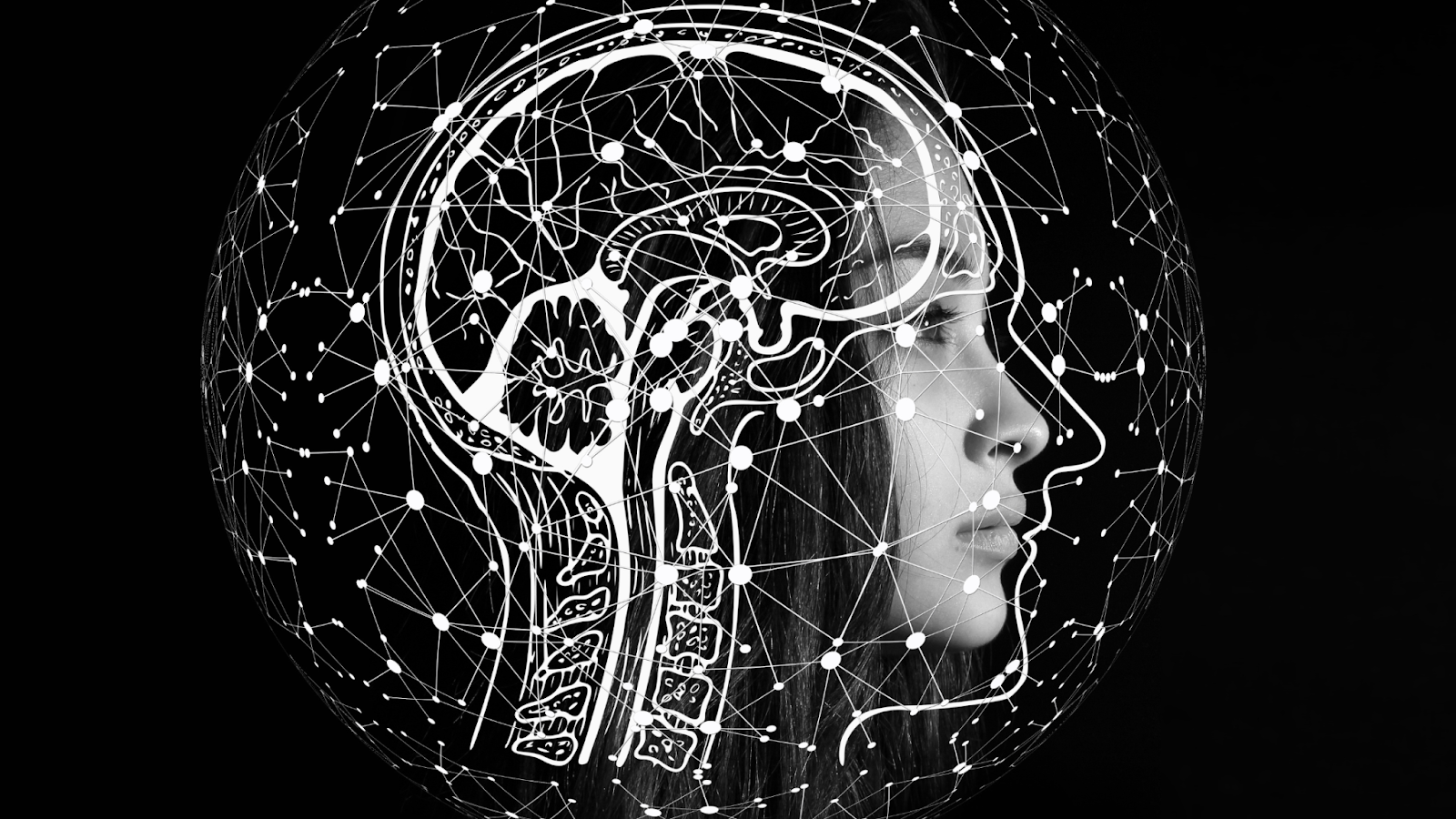
1. Antioxidant Defense in the Brain
The brain is particularly vulnerable to oxidative stress due to its high oxygen consumption and lipid content. Selenium contributes to the production of glutathione peroxidase, one of the body’s most potent antioxidant enzymes.
This enzyme helps neutralize free radicals, reduce inflammation, and protect delicate brain tissue from oxidative damage — a factor increasingly linked to mood disorders such as depression and anxiety.
A study from the Journal of Nutrition found that higher selenium intake was associated with improved mood scores and lower incidence of depressive symptoms in young adults.
2. Mood Stability and Depression Support
Low selenium status has been correlated with increased rates of depression in multiple studies. This may be due to its role in reducing inflammatory cytokines and stabilizing neurotransmitter pathways — particularly those involving dopamine and serotonin.
In one randomized, placebo-controlled trial, participants who received selenium supplementation for 5 weeks reported significantly improved mood and decreased anxiety compared to the placebo group.
Selenium doesn’t replace traditional depression treatments, but it may enhance emotional resilience, especially in individuals with marginal deficiencies.
3. Cognitive Function and Memory
Oxidative damage and chronic low-grade inflammation are key drivers of cognitive decline. Selenium’s antioxidant function may support:
- Faster cognitive processing
- Improved memory retention
- Protection against age-related mental decline
This makes it especially valuable in stress-related cognitive dysfunction, where forgetfulness, brain fog, and mental fatigue are common.
Who’s at Risk of Selenium Deficiency?
Even though selenium is found in everyday foods, many people don’t get enough of it — and most don’t even realize it. Selenium levels can be influenced by your diet, digestion, environment, and stress levels, which is why certain people are at higher risk of deficiency than others.
Let’s take a closer look at who’s most at risk — and why.
1. People with Gut or Digestive Disorders
If you suffer from digestive conditions like:
- Irritable Bowel Syndrome (IBS)
- Crohn’s disease
- Celiac disease
- Leaky gut
your body may struggle to absorb nutrients properly, even if you’re eating a healthy diet. Selenium is absorbed in the small intestine, so if your gut lining is inflamed or damaged, your body might not absorb enough — no matter how much selenium is in your food.
A study in Clinical Nutrition found that patients with Crohn’s disease had significantly lower selenium levels than healthy controls, and deficiency was more common in people with longer disease duration or poor nutrient intake.
2. Vegans and Vegetarians
Selenium is most abundant in animal-based foods like fish, meat, and eggs. While you can get selenium from plant foods like Brazil nuts or sunflower seeds, the amount depends on the soil where the plants were grown. In some regions, plant-based foods contain almost no selenium at all.
This means vegans and vegetarians are more likely to miss out unless they eat selenium-rich nuts regularly or take a supplement.
3. People Living with Chronic Stress
When your body is under ongoing stress — whether physical, emotional, or mental — it uses up nutrients more quickly, including selenium. Stress increases the production of free radicals, which damages cells and increases your need for antioxidant defenses like glutathione peroxidase (a selenium-dependent enzyme).
Over time, this can lead to depletion, especially if your diet isn’t providing enough to keep up.
In a study from Biological Trace Element Research, researchers found that individuals experiencing chronic stress had lower selenium concentrations and higher oxidative stress markers than healthy individuals.
4. People with Poor Dietary Variety
If you often eat the same few foods or rely on processed, convenience-based meals, you might not be getting enough selenium. This includes:
- People who skip meals
- Those with picky eating habits
- Individuals on very low-calorie or elimination diets
- People recovering from eating disorders
Selenium isn’t present in large amounts in fast food or processed snacks — so if you’re not regularly eating whole, nutrient-dense foods, your selenium intake might be too low.
5. People Living in Low-Selenium Soil Regions
Selenium content in food varies depending on where it’s grown. In some regions, the soil naturally contains very little selenium, so the crops and livestock raised there also contain less — even if the food looks healthy.
Regions known to have selenium-deficient soil include:
- Parts of Europe (especially Finland, Germany, and the UK)
- New Zealand
- Certain areas in China, Russia, and even the United States
Should You Supplement?
If you fall into one of these at-risk groups, it might be a good idea to check your selenium intake — and talk to your healthcare provider about whether a selenium supplement could help.
Best Forms of Selenium to Supplement:
- Selenium glycinate – gentle and well-absorbed
- Selenomethionine – the form found in food, highly bioavailable
- Selenium-enriched yeast – natural, food-based, and well tolerated
Avoid cheap, synthetic forms like sodium selenite, which are less bioavailable and more likely to cause side effects.
Note: The upper safe limit for selenium is 400 mcg per day. Always stick to recommended doses — more is not better with selenium.
Recommended Selenium Dosage for Brain Health
The recommended dietary allowance (RDA) for adults is 55 mcg/day, but some studies suggest that benefits for mood may appear in the 100–200 mcg/day range — as long as you stay below the 400 mcg/day upper limit to avoid toxicity.
More isn’t always better. High doses of selenium can be harmful. Always speak to your healthcare provider before beginning supplementation.
Best Form of Selenium for Mental Well-Being
Not all selenium supplements are created equal. For brain support, look for:
- Selenium Methionine – Highly bioavailable and well-researched
- Selenium Glycinate – Gentle on the stomach, chelated form
- Selenium-Enriched Yeast – Naturally occurring and well-tolerated
Avoid selenium forms like sodium selenite, which have lower absorption and higher potential for side effects.
Integrating Selenium into a Mental Wellness Routine
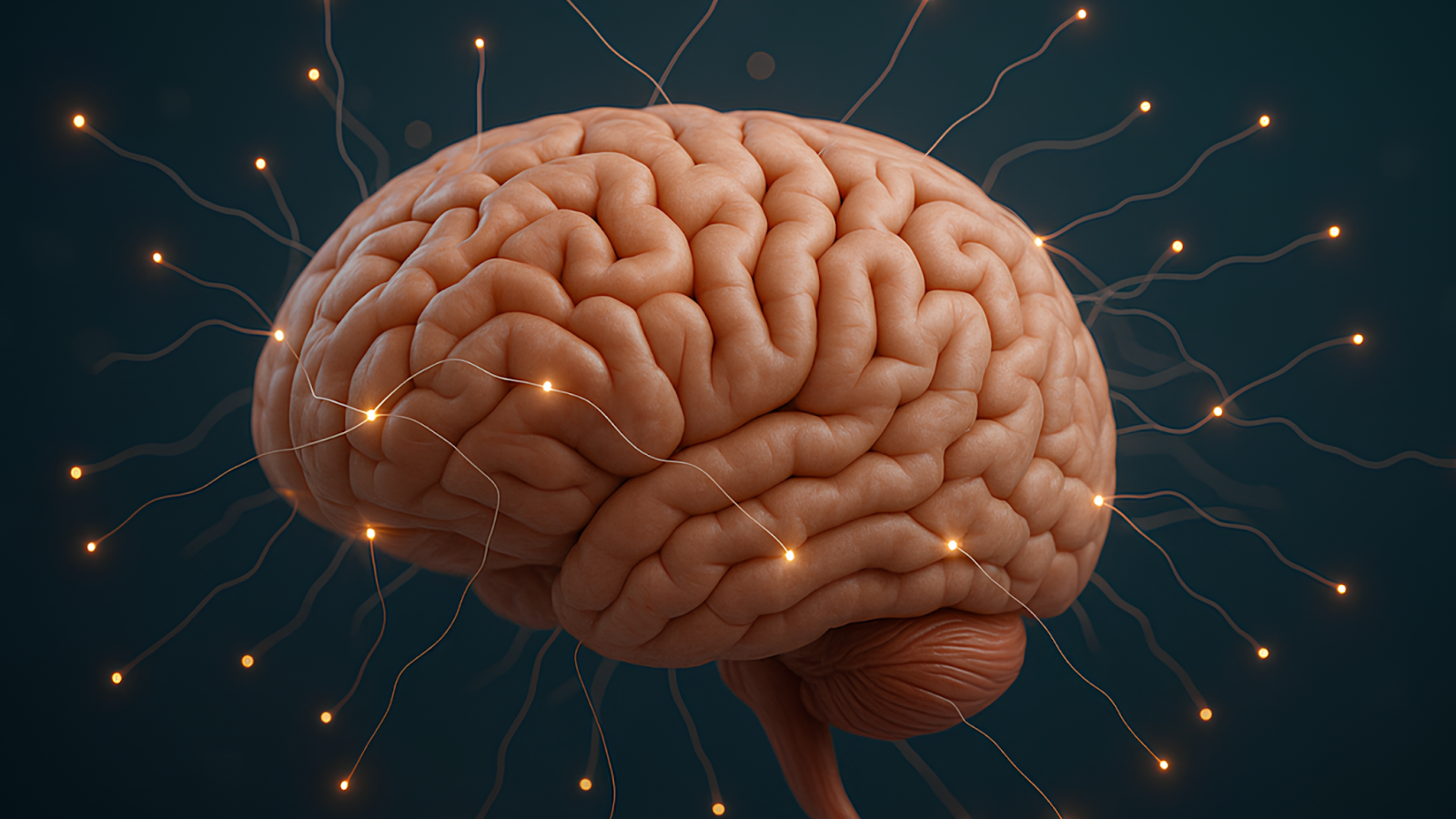
While selenium plays a powerful supporting role, it works best when paired with other science-backed nutrients for emotional balance. Consider combining selenium with:
- Vitamin D3
- Omega-3 fatty acids
- B-complex vitamins
- L-Theanine
Together, these nutrients help regulate mood, promote neuroplasticity, and restore equilibrium in times of emotional overwhelm.
Take our Personalized Supplement Quiz and find out if you need Selenium.
Conclusion: Don’t Overlook This Tiny but Mighty Mineral
Selenium may be a small trace mineral, but its impact on brain function, emotional resilience, and depression support is profound. If you’re navigating low mood, chronic stress, or mental fatigue, selenium could be the missing piece of your mental health puzzle.
By including this essential mineral in your wellness routine, you’re not just addressing nutritional gaps — you’re investing in long-term cognitive clarity and emotional balance.
Frequently Asked Questions
Does selenium really help with depression?
Studies suggest that selenium supports brain antioxidant defenses, reduces inflammation, and may lower the risk or severity of depression in people with low selenium levels. It should not replace treatment but can be a supportive nutrient.
Is it better to get selenium from food or supplements?
Both are effective. While a balanced diet rich in selenium is preferred, supplementation may be required for individuals with confirmed deficiencies, poor absorption, or dietary restrictions.
Can you take selenium every day?
Yes — within safe limits. Stick to the recommended daily intake or follow your healthcare provider’s advice. Avoid high doses for long periods, as excess selenium can be toxic.