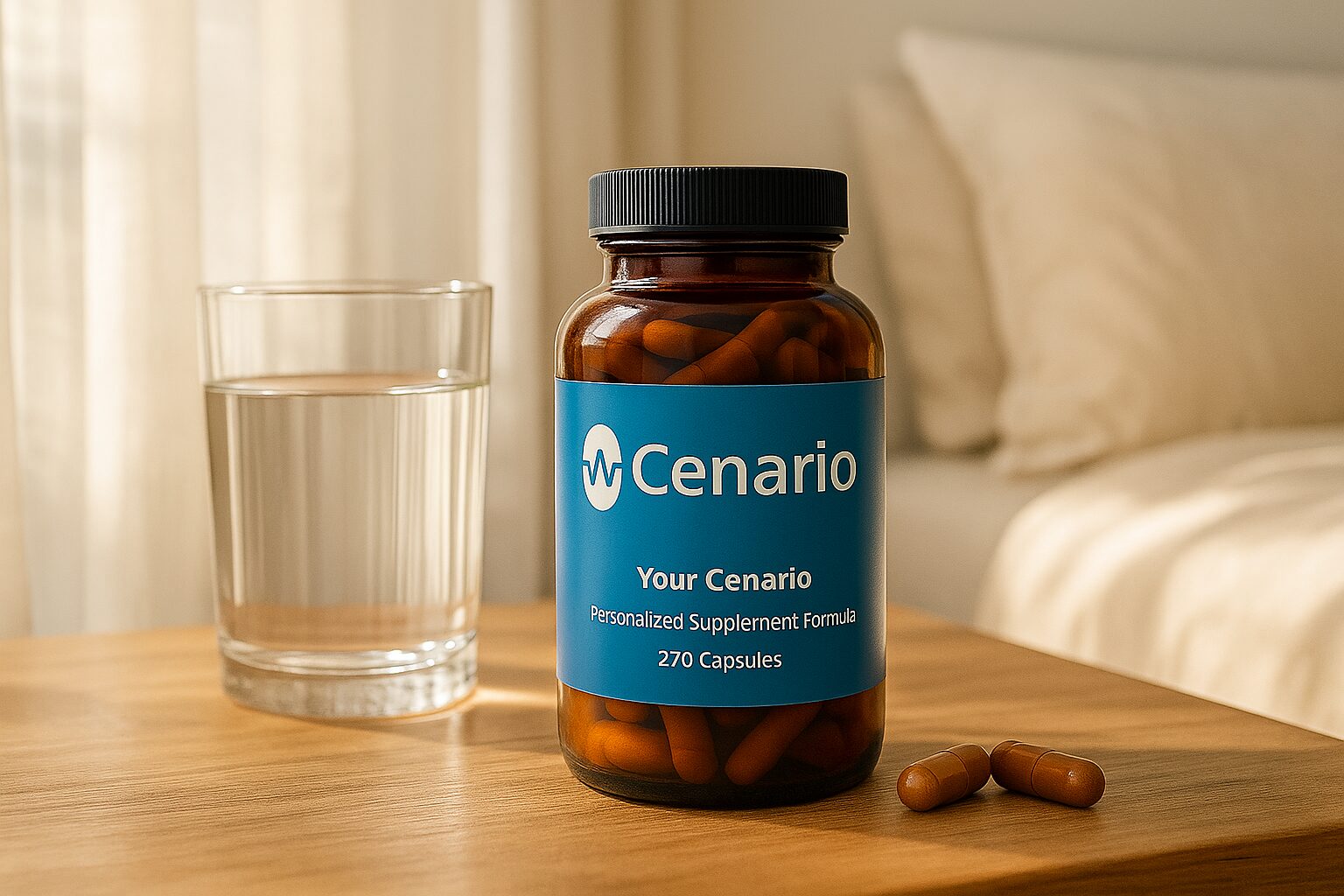

Magnesium and the sleep connection
Struggling to fall asleep or wake up tired is a common problem that affects work, mood, and overall health. Many people search for the best magnesium supplement for sleep as a natural way to unwind at night. Magnesium has become a popular option because it supports relaxation without the grogginess that can follow some sleep aids. Among the available forms, magnesium glycinate is often highlighted for its calming effects and gentle digestion, making it a top choice for people looking to sleep better tonight.
Magnesium and the sleep connection
Magnesium plays several roles in the body that relate directly to sleep. It helps regulate neurotransmitters like GABA, which signal the brain to relax. It also assists in balancing melatonin production and can moderate the stress response that keeps many people awake. These functions make magnesium a logical nutrient to consider when sleep is disrupted by anxiety, racing thoughts, or muscle tension.
What makes a supplement effective
Not all magnesium supplements are created equal. Two key factors determine how well a product works for sleep:
- Bioavailability: how much magnesium your body can absorb and use.
- Tolerability: whether the form causes digestive upset or has other side effects.
Searches for the best magnesium supplement for sleep often point to forms that combine high absorption with a calm, non-laxative effect. This is where magnesium glycinate stands out.
Why magnesium glycinate is often preferred
Magnesium glycinate pairs magnesium with the amino acid glycine, which itself has calming properties. The glycinate form is known for good absorption and a low risk of stomach upset. For many people who have tried multiple options, magnesium glycinate feels gentler and more reliable for evening use than some other forms. If you are comparing options, consider how a product lists elemental magnesium and whether it specifies glycine-bound magnesium or glycinate.
Quick checklist before you buy
- Look for a glycinate or bisglycinate form if you want a gentle option focused on relaxation.
- Check product labels for elemental magnesium and serving size.
- Choose third-party tested brands to ensure purity and accurate dosing.
Top magnesium forms for sleep and how to choose
When hunting for the best magnesium supplement for sleep, knowing which form fits your needs matters more than brand hype. Different salts deliver magnesium with varied absorption, brain availability, and side effect profiles. Below are practical notes to help you decide.
magnesium glycinate: steady, low‑irritation option
Choose this when anxiety or frequent waking is the main issue and you need a low‑GI option. Look for products that list elemental magnesium per serving. Typical capsules provide 100 to 200 mg elemental magnesium, so check serving size against the dose you want.
Magnesium threonate: best for brain penetration
This form is designed to cross into the central nervous system and may help with racing thoughts and deeper REM sleep. It usually contains less elemental magnesium per dose and costs more. Consider threonate if cognitive overactivity is part of your insomnia pattern.
Magnesium citrate and others: targeted uses
- Magnesium citrate: good for muscle cramps and general relaxation. Note the potential mild laxative effect, so avoid bedtime use if you are sensitive.
- Magnesium malate and oxide: malate supports muscle function and energy, while oxide has high elemental magnesium but poor absorption and is rarely the best choice for sleep.
- Bisglycinate: similar to glycinate but marketed with two glycine molecules. Often well tolerated and useful for long‑term nightly use.
How magnesium affects sleep physiology
Magnesium acts at multiple points in the sleep system. It supports GABAergic signaling so neurons can calm down before sleep. It is a cofactor for enzymes that influence melatonin production and helps modulate the stress axis, which lowers evening cortisol for easier sleep onset. For people whose sleep is disturbed by stress or overthinking, choosing a form that reaches the brain can be especially helpful.
Dosage, timing, and label reading tips
For the best magnesium supplement for sleep, aim for 200 to 400 mg of elemental magnesium per night, adjusted to individual tolerance. Practical guidance:
- Start low: begin at 100 to 200 mg to assess tolerance, then increase as needed.
- Timing: take 60 to 120 minutes before bed for the most consistent calming effect.
- Label reading: the bottle usually lists the compound weight, not elemental magnesium. If a product lists 500 mg magnesium glycinate but not elemental magnesium, contact the brand or check the supplement facts to confirm.
- Split dosing: if you experience mild digestive upset, divide the nightly dose into two smaller portions earlier in the evening and at bedtime.
Interactions, safety, and special populations
Magnesium is generally safe but can interact with some medications. Common cautions include certain antibiotics, bisphosphonates, and thyroid medicines. People with kidney impairment should not increase magnesium without medical advice. If you are pregnant, nursing, or on multiple prescriptions, consult a clinician before starting a new supplement.
Combining magnesium with other sleep aids
Magnesium often works well in combination rather than alone. Consider these synergies:
- Vitamin B6 and zinc: can support magnesium metabolism and sleep quality when used appropriately.
- L‑theanine: promotes relaxation and pairs naturally with glycinate for nighttime calm.
- Ashwagandha or adaptogens: may help if stress and daytime burnout drive insomnia.
- Tart cherry or very low‑dose melatonin: can complement magnesium for fall‑asleep and maintenance, but avoid mixing multiple sedatives without guidance.
Practical buying tips and market trends
Trends show more blends sold as night formulas, combining magnesium glycinate with L‑theanine, tart cherry, or adaptogens. When choosing the best magnesium supplement for sleep, prefer products that are transparent about elemental magnesium, avoid vague proprietary blends, and seek third‑party testing seals.
Examples to consider when researching include tablet or powder blends like TriMag Supreme Night Powder and glycinate-focused brands such as Nutrition Geeks or Vitabright. Compare serving size, elemental magnesium, and added active ingredients before deciding.
Additional considerations and synergies
When choosing the best magnesium supplement for sleep, think beyond the form alone. Two practical checks can save time and avoid side effects: confirm elemental magnesium per serving and review your kidney function or medication list with a clinician. Serum magnesium tests are common but can miss tissue shortfalls. If you suspect deficiency, ask a clinician about red blood cell magnesium or a targeted nutrient panel for clearer results.
Stacking safely for better results
- Magnesium plus vitamin B6 and zinc: these nutrients support magnesium metabolism and may enhance sleep quality when balanced. Keep doses modest and avoid proprietary blends that hide amounts.
- L-theanine or tart cherry: combine with magnesium glycinate for added calm and a natural melatonin boost without heavy sedation.
- Ashwagandha and adaptogens: useful when stress drives insomnia, but introduce one change at a time to track effects.
- Melatonin: low doses can be paired with magnesium for sleep onset. Space timing and consult a clinician if you use other sedatives.
Timing and spacing matter. To avoid absorption issues or interactions, take magnesium 2 hours apart from antibiotics, bisphosphonates, and some thyroid medicines. If digestive sensitivity appears, split the dose into an early evening portion and a smaller pre-bed dose. Powders can be gentler for higher doses, while capsules are convenient for travel.
Practical product tips and market trends
The supplement market has moved strongly toward blended night formulas and user-friendly formats. Look for these features when hunting for the best magnesium supplement for sleep:
- Transparent labeling showing elemental magnesium and the specific salt (for example glycinate or bisglycinate).
- Third-party testing seals for purity and potency.
- Minimal added sugars in gummies and clear dosing for powders.
- Cost per milligram of elemental magnesium to compare value across brands.
Popular options on the market include Designs for Health TriMag Supreme Night Powder, which combines several magnesium salts, and glycinate-focused brands such as Nutrition Geeks and Vitabright. Recent 2025 to 2026 trends favor blends that mix magnesium glycinate with L-theanine, tart cherry, or low-dose adaptogens to address both sleep onset and maintenance. Magnesium threonate remains a go-to when cognitive overactivity is central, though it is costlier per mg of elemental magnesium.
Final thoughts and next steps
Magnesium glycinate is a reliable starting point for many people seeking calmer nights, but the best magnesium supplement for sleep depends on your goals, health status, and tolerance. Start with a low dose, allow 2 to 4 weeks to assess effects, and keep a simple sleep log to capture changes. If you take prescription medications or have kidney issues, consult a clinician before starting any routine.
Ready to act? Try a measured trial with a transparent glycinate formula, track your sleep for two to four weeks, and adjust as needed.
Frequently Asked Questions
Why is magnesium glycinate often recommended over other forms?
Magnesium glycinate is often recommended because it combines good absorption with low digestive side effects, making it a top candidate when looking for the best magnesium supplement for sleep.
How quickly should I expect results when taking magnesium for sleep?
Most people notice improvements within 2 to 4 weeks; the best magnesium supplement for sleep works gradually as magnesium levels and sleep patterns stabilize over time.
Can I take magnesium with my prescription medications?
Magnesium can interact with certain medications, so check with a clinician and space doses by about two hours when using antibiotics, bisphosphonates, or thyroid drugs to safely find the best magnesium supplement for sleep.
.