
St. John’s Wort: Benefits, Safety, and Science for Depression
St. John’s Wort has become a popular natural remedy for supporting mental well-being, especially in cases of mild to moderate depression. Rooted in centuries of traditional use and backed by a growing number of clinical studies, this herbal supplement appeals to those seeking alternatives to conventional antidepressants.
But how well does it actually work? Is it truly effective and safe? In this article, we’ll dive into the potential benefits, safety concerns, and scientific research surrounding St. John’s Wort—giving you the insight you need to decide if it’s a good fit for your mental health.
What Is St. John’s Wort?
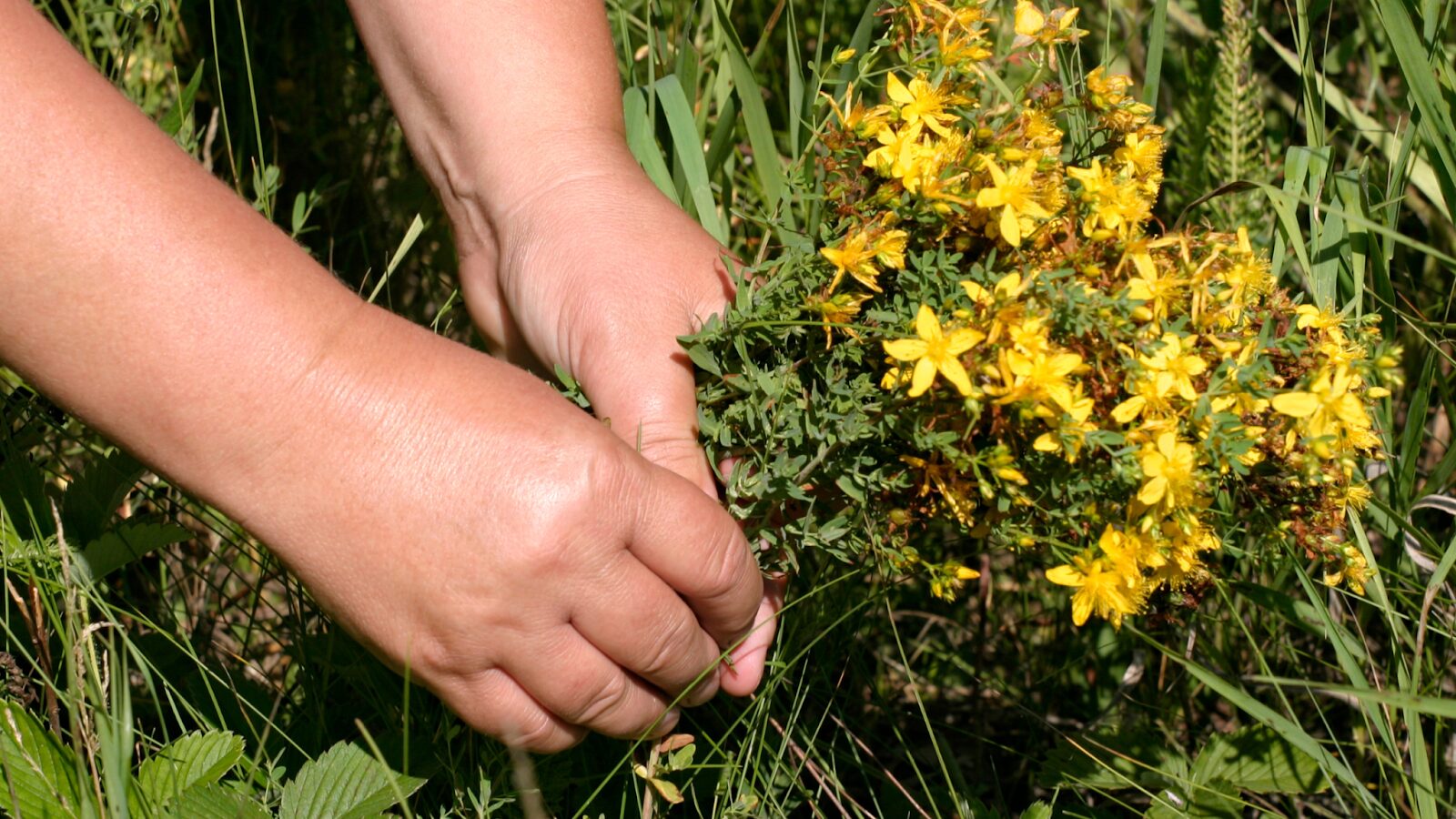
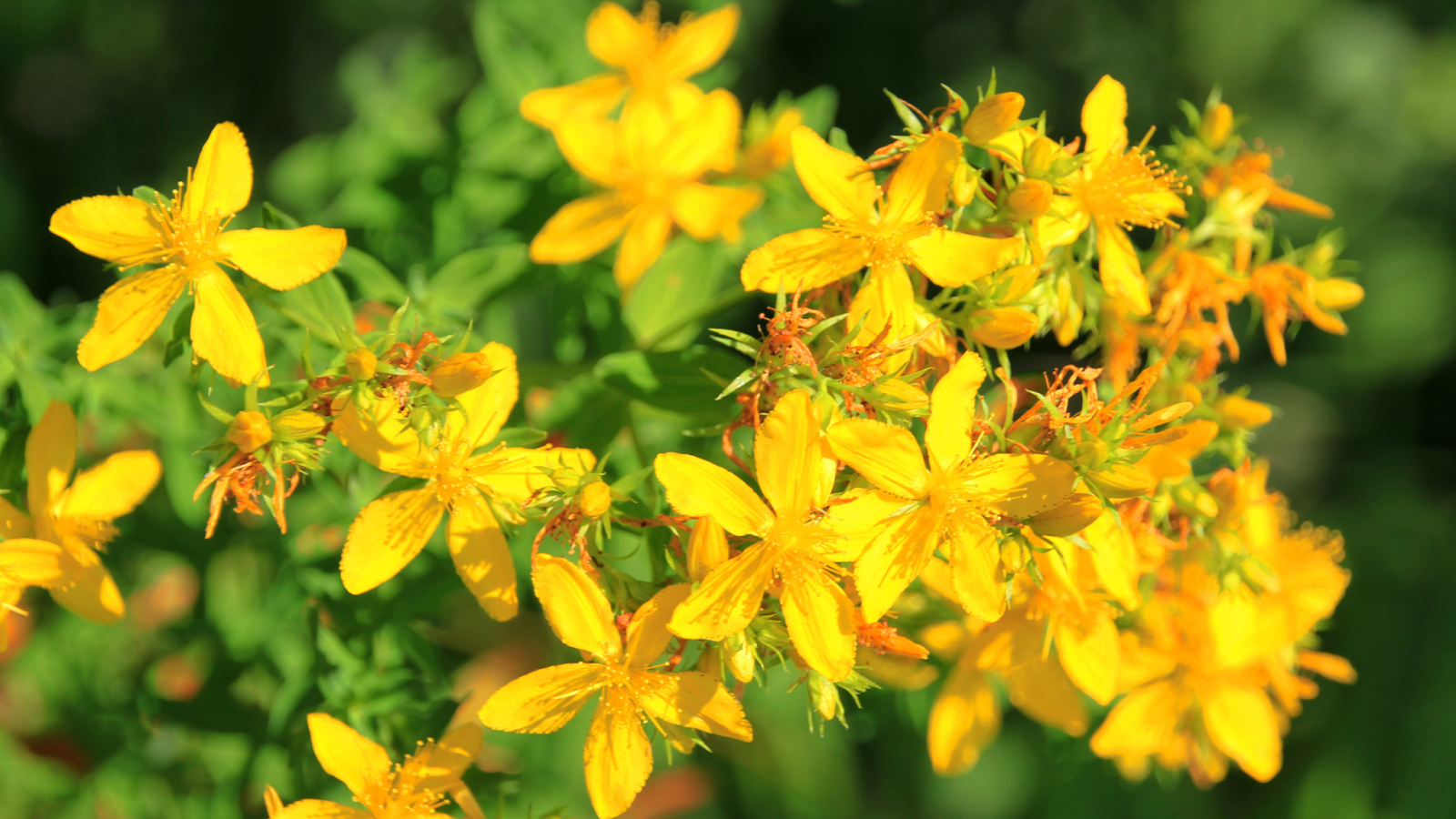
St. John’s Wort (Hypericum perforatum) is a flowering plant native to Europe but now found in many parts of the world. Hypericum perforatum (HP), more commonly known as St. John’s Wort, is a flowering plant from the Hypericaceae family, easily recognized by its bright yellow, star-shaped blossoms.
Native to Europe, it typically blooms and is harvested in late June, coinciding with the feast day of St. John, after whom it’s named. Traditionally, people would hang the plant above doorways on this day to ward off evil spirits and promote the health of both people and livestock.
Named after St. John the Baptist, it has been used for centuries in herbal medicine to treat everything from wounds to mood disturbances.
Its active compounds primarily hypericin and hyperforin are believed to affect neurotransmitters in the brain, much like standard antidepressants. These compounds may help regulate mood by increasing the availability of serotonin, dopamine, and norepinephrine.
In Traditional Chinese Medicine (TCM), St. John’s Wort extract has long been used as a natural remedy for depression a practice that continues in many European countries today.
What are the main benefits of St. John’s wort?
Research suggests that St. John’s Wort (HP) may be an effective option for treating mild to moderate depression. Numerous clinical trials have assessed its impact by measuring changes in Hamilton Depression Rating Scale (HAMD) scores, comparing participants taking HP with those receiving a placebo or standard antidepressant medications. Many of these studies have found that HP extracts produce similar clinical outcomes and remission rates to selective serotonin reuptake inhibitors (SSRIs), but with fewer side effects and a lower rate of treatment discontinuation.
When compared to tricyclic antidepressants (TCAs), HP also appears to cause fewer adverse effects and leads to a lower dropout rate during treatment.
In addition to clinical trials, in vitro research on a purified HP extract (containing just four compounds) showed that the extract could enhance neuronal plasticity the brain’s ability to adapt to stress and change and promote neurogenesis, or the creation of new neurons. The same extract also demonstrated anti-inflammatory effects and provided neuroprotection against cell damage caused by glutamate and N-methyl-D-aspartate (NMDA), both of which are thought to play a role in the development of depression.
How St. John’s Wort May Help with Depression
1. Enhances Mood by Increasing Neurotransmitters
St. John’s Wort appears to work in a similar way to selective serotonin reuptake inhibitors (SSRIs), a common class of antidepressants. It may help boost levels of serotonin, dopamine, and norepinephrine by inhibiting their reuptake, leading to improved mood and reduced depressive symptoms.
2. Eases Symptoms of Mild to Moderate Depression
Research has shown that St. John’s Wort can be just as effective as conventional antidepressants for people experiencing mild to moderate depression often with fewer side effects.
A study analyzed 27 clinical trials involving 3,808 patients and found that St. John’s Wort had comparable efficacy to SSRIs for mild-to-moderate depression, with significantly lower dropout rates due to side effects.
Potential Risks and Side Effects
While generally safe for short-term use in healthy adults, St. John’s Wort isn’t risk-free. Understanding its side effects and interactions is crucial before considering it as a treatment option.
Common Side Effects
- Nausea
- Dizziness
- Fatigue
- Dry mouth
- Increased sensitivity to sunlight (photosensitivity)
Serious Risks & Drug Interactions
St. John’s Wort is known for interacting with many medications. It stimulates cytochrome P450 enzymes, which can accelerate the breakdown of certain drugs—potentially reducing their effectiveness or causing harmful interactions.
Avoid combining St. John’s Wort with:
- SSRIs, SNRIs, or other antidepressants (increased risk of serotonin syndrome)
- Birth control pills
- Blood thinners (e.g., warfarin)
- HIV medications
- Chemotherapy
How to Take St. John’s Wort
Recommended Dosage
Most studies use 300 mg of extract (standardized to 0.3% hypericin), taken 3 times daily, totaling 900 mg/day.
However, some formulas are standardized to hyperforin content, which may also play a significant role in mood enhancement.
Always look for standardized extracts from trusted brands to ensure consistent potency and safety.
Who Should Consider St. John’s Wort?
May be helpful if:
- You have mild to moderate depression
- You prefer a natural alternative to prescription medications
- You are not taking other medications that may interact with it
May NOT be suitable if:
- You are taking any prescription medications
- You have severe depression or suicidal thoughts
- You are pregnant or breastfeeding
Conclusion
St. John’s Wort is a promising natural supplement for people dealing with mild to moderate depression. It’s backed by decades of research and historical use. However, the risk of drug interactions makes it a supplement you should approach with caution and medical supervision.
If you’re curious about whether St. John’s Wort or another supplement might be right for your mental health, we recommend starting with a free mental health quiz to receive personalized suggestions based on your unique symptoms and goals.
Take the Next Step
If you’re exploring alternatives to prescription antidepressants or want to learn more about science-based natural options, Cenario is here to help. Our personalized supplement recommendations are designed with your mental well-being in mind.
👉 Take the quiz to find the right solution for your mental health.
Frequently Asked Questions
How long does it take for St. John’s Wort to work?
Most users see improvements within 2–4 weeks, though this can vary.
Can I take St. John’s Wort with antidepressants?
No. Combining it with antidepressants can increase the risk of serotonin syndrome, which can be life-threatening.
Is it safe to take long term?
Long-term use beyond 12 weeks hasn’t been studied extensively. Always consult a healthcare provider.
Is St. John’s Wort effective for anxiety too?
It may help indirectly by improving mood, but it is not a first-line treatment for anxiety alone.