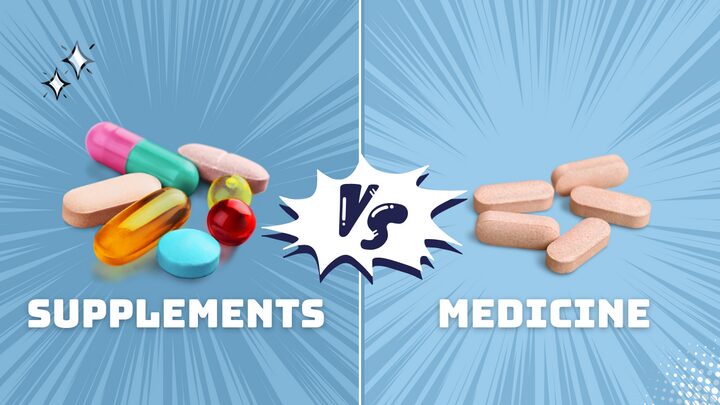

Navigating mental health solutions is often a personal and nuanced experience. With holistic wellness becoming more mainstream, many people are weighing the pros and cons of supplements vs. medicine for treating conditions like anxiety, depression, and sleep disorders. Each has unique advantages, but supplements are gaining attention for offering a more natural, whole-body approach to mental health.
Supplements vs Medicine: Key Differences
Understanding Supplements for Mental Health
Supplements are dietary products—either natural or synthetic—intended to fill gaps in nutrition. When it comes to mental health, certain supplements have been shown to support emotional and cognitive function. Here are a few commonly used ones:
Omega-3 Fatty Acids
Found in fish oil, Omega-3s are known for their positive impact on brain health. They support cognitive function and have been shown to reduce symptoms of depression, anxiety, and
ADHD. Their anti-inflammatory properties also promote mental clarity.
Ashwagandha
A powerful adaptogenic herb that helps the body adapt to stress by reducing cortisol levels. Ashwagandha has been shown to improve mood, reduce anxiety, and enhance focus. It is especially beneficial for those dealing with chronic stress or fatigue.
Melatonin
Melatonin is a hormone that regulates sleep cycles and is widely used to improve sleep quality. Since disrupted sleep is closely linked to mental health struggles like depression and anxiety, melatonin supplementation can help reset circadian rhythms for better rest and mental clarity.
5-HTP (5-Hydroxytryptophan)
As a precursor to serotonin, 5-HTP supports mood regulation. By boosting serotonin levels, 5-HTP may promote relaxation, reduce symptoms of anxiety and depression, and enhance overall emotional balance.
Benefits of Supplements
- Fewer Side Effects
Compared to many medications, dietary supplements typically have milder side effects. For instance, Omega-3s and ashwagandha are less likely to cause weight gain or drowsiness than some antidepressants. - Easy Access
Supplements are widely available over-the-counter, meaning you don’t need a prescription. This accessibility can be empowering for those looking to take charge of their own wellness. - Holistic Benefits
Many supplements not only target mental well-being but also support overall health. Omega-3s, for example, benefit your brain, heart, and immune system—offering a more integrated approach to care. - Personalized Regimens
With supplements, you can tailor your intake to address your specific concerns, whether it’s sleep trouble, stress, or mood swings. This makes it easier to create a regimen that suits your lifestyle and needs.
Drawbacks of Supplements
- Limited Oversight
Unlike medicines regulated by the Food and Drug Administration (FDA), supplements are regulated differently and less strictly. That’s why choosing trusted brands—such as Cenario, which emphasizes quality and third-party testing—is crucial. - Gradual Effects
Supplements often take time to work. It might be weeks or even months before you see noticeable improvements. Patience and consistency are key. - Best When Combined
Supplements aren’t cure-alls. Their effectiveness is often enhanced when combined with other lifestyle strategies—like a balanced diet, regular exercise, and quality sleep.
The Role of Medicine in Mental Health
While supplements provide a natural approach, medications play an essential role in managing mental health conditions. Medications are scientifically formulated and rigorously tested to address specific challenges. Below are some common classes of mental health medications:
SSRIs (Selective Serotonin Reuptake Inhibitors)
These are among the most commonly prescribed medications for depression and anxiety. SSRIs work by increasing serotonin levels in the brain, helping stabilize mood and alleviate feelings of sadness, worry, and irritability.
Benzodiazepines
Primarily used for short-term relief of severe anxiety, benzodiazepines act quickly to produce a calming effect. However, due to their potential for dependency, they are typically prescribed for limited durations.
Mood Stabilizers
Used primarily for bipolar disorder, mood stabilizers help regulate extreme mood swings between mania and depression. They balance neurotransmitter levels, preventing drastic emotional shifts.
Antipsychotics
Designed for conditions like schizophrenia or severe mood disorders, antipsychotics help manage symptoms such as delusions, hallucinations, and agitation by altering the activity of neurotransmitters in the brain.
Benefits of Medicine
- Works Well: Medicines are tested through research and science. They often help people feel better and can improve life a lot.
- Fast Relief: Some medicines, like SSRIs or benzodiazepines, work quickly. They can help right away in stressful or emergency situations.
- Focused Treatment: Medicines are made to treat specific mental health problems. This means they can be very effective for your exact needs.
Drawbacks of Medicine
- Side Effects: Some individuals may experience nausea, fatigue, weight gain, or dizziness when taking certain medications.
- Risk of Addiction: Medicines like benzodiazepines can be addictive if not used carefully.
- Expensive: Prescription medicine can cost a lot, especially if you don’t have health insurance.
- Not Always Holistic: Medicine often treats the symptoms, but not the overall health of your body and mind.
Supplements vs. Medicine: How to Choose
Choosing between supplements and medicine isn’t always easy. For small or early symptoms, supplements may be a good first step. They’re natural and usually have fewer side effects. But for serious symptoms, medicine might be needed.
Important Things to Think About:
- How Bad Are Your Symptoms?
If your symptoms are mild or moderate, supplements might be enough.
If your symptoms are severe or affect your daily life, medicine could help more. - Talk to a Doctor: Always ask a doctor before starting new treatments. They can help you choose what’s best based on your health and history.
- Try Both: Some people use supplements and medicine together. For example, Omega-3s or Ashwagandha may help your medicine work better or make it easier to switch to natural support later.
Take Action for Better Mental Health
Find Your Best Match: Take our short survey to get supplement suggestions made just for you.
Final Thoughts
The question of supplements vs. medicine is becoming more important as more people look for natural ways to take care of their mental health.
Medicines work fast and are helpful for serious symptoms. But supplements are often safer, easier to get, and support your health in a more natural way—with fewer side effects and less risk of addiction.
Supplements focus on the root causes of mental health struggles. They can help you feel better overall and give you more control over your mental wellness.
With the right advice and high-quality supplements, you can build a plan that helps your mind and body feel their best.
Frequently Asked Questions
Are supplements the same as medicine?
No. Supplements are not medications. They are dietary products meant to support health—not to treat or cure diseases. Medicines are tested in clinical trials and are prescribed for specific health conditions.
Are supplements better than drugs?
It depends
- Supplements are natural, usually have fewer side effects, and support overall health.
- Medicines work better for serious conditions because they act faster and more directly.
Many people benefit from using both, with a doctor’s advice.
What are 3 main types of supplements?
1. Vitamins and Minerals – like Vitamin D, Magnesium, Zinc
2. Herbal Supplements – like Ashwagandha, Ginseng, St. John’s Wort
3. Specialty Supplements – like Omega-3s, probiotics, and 5-HTP
Can taking too many supplements be dangerous?
Yes. Taking too much of certain supplements can cause problems.
- Excessive intake of Vitamin A can lead to toxicity and may cause serious health complications.
- Too much Iron can upset your stomach or harm your health.
Always follow dosage instructions and check with your doctor first.
Stay Informed, Stay Balanced!
Join the Cenario community and gain access to:
- Exclusive Insights: Learn about evidence-based supplements and the latest in mental health care.
- Personalized Recommendations: Receive tailored suggestions to meet your unique health needs.
- Special Offers: Unlock exclusive discounts and gain early access to new product launches.
Take the Quiz and become a healthier, happier you with Cenario!.