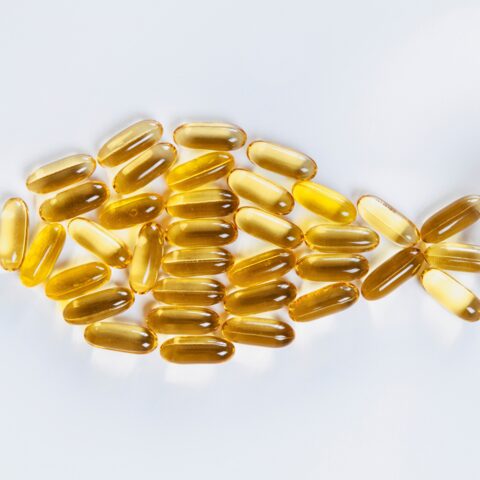

Explore the top 10 evidence-based supplements for mental health. Learn how natural solutions like Omega-3s, Ashwagandha, and Magnesium can support your wellness.
Introduction
Mental health is a crucial aspect of our overall well-being, and maintaining it often requires a multifaceted approach that includes therapy, lifestyle changes, and proper nutrition. Research consistently shows that certain evidence-based supplements can play a vital role in supporting mental health.
These dietary supplements, when used alongside traditional treatments like therapy or medication, can address nutrient deficiencies, reduce stress, and improve brain function. This guide will explore the top 10 evidence-based supplements for mental health, offering natural solutions such as Omega-3s, Ashwagandha, and Magnesium, to help you make well-informed decisions on your wellness journey.
1. Omega-3 Fatty Acids: A Powerful Evidence-Based Supplement for Brain Health
Omega-3 fatty acids, especially EPA and DHA, are vital for brain health and emotional well-being. These healthy fats reduce symptoms of depression, anxiety, and bipolar disorder by improving brain cell membrane fluidity, enhancing neurotransmitter function, and reducing inflammation. They also play a role in supporting cognitive function and memory, making them a great choice for mental clarity and focus.
- Research: A study published in JAMA Network Open found that Omega-3 supplementation significantly reduced depressive symptoms in patients with major depressive disorder (MDD) (Graham et al., 2020).
- Additional Claims: Omega-3 sare linked to improved mood regulation, increased serotonin and dopamine production, and may help prevent age-related cognitive decline.
- Recommended Dosage: 1,000–2,000 mg of combined EPA and DHA daily.
- Possible Side Effects: Upset stomach, fishy aftertaste, and, in rare cases, blood thinning.
2. Vitamin D: Essential for Mood Regulation and Mental Health
Vitamin D, often referred to as the “sunshine vitamin,” is essential for mood regulation and mental health. It helps the body produce serotonin, the neurotransmitter that enhances mood. Low Vitamin D levels are linked to depression, seasonal affective disorder (SAD), and other mood disorders. Supplementing with Vitamin D can improve emotional well-being and reduce depressive symptoms.
- Research: A review published in The Lancet Psychiatry found that Vitamin D supplementation improved mood and reduced depression symptoms, especially in people with a deficiency (Anglin et al., 2013).
- Additional Claims: Vitamin D also strengthens the immune system, which helps mitigate stress and enhances overall well-being.
- Recommended Dosage: 1,000–4,000 IU daily, depending on individual needs.
- Possible Side Effects: Excessive doses can cause toxicity, leading to nausea, weakness, or kidney problems.
3. Magnesium: A Vital Mineral for Mental Clarity and Stress Relief
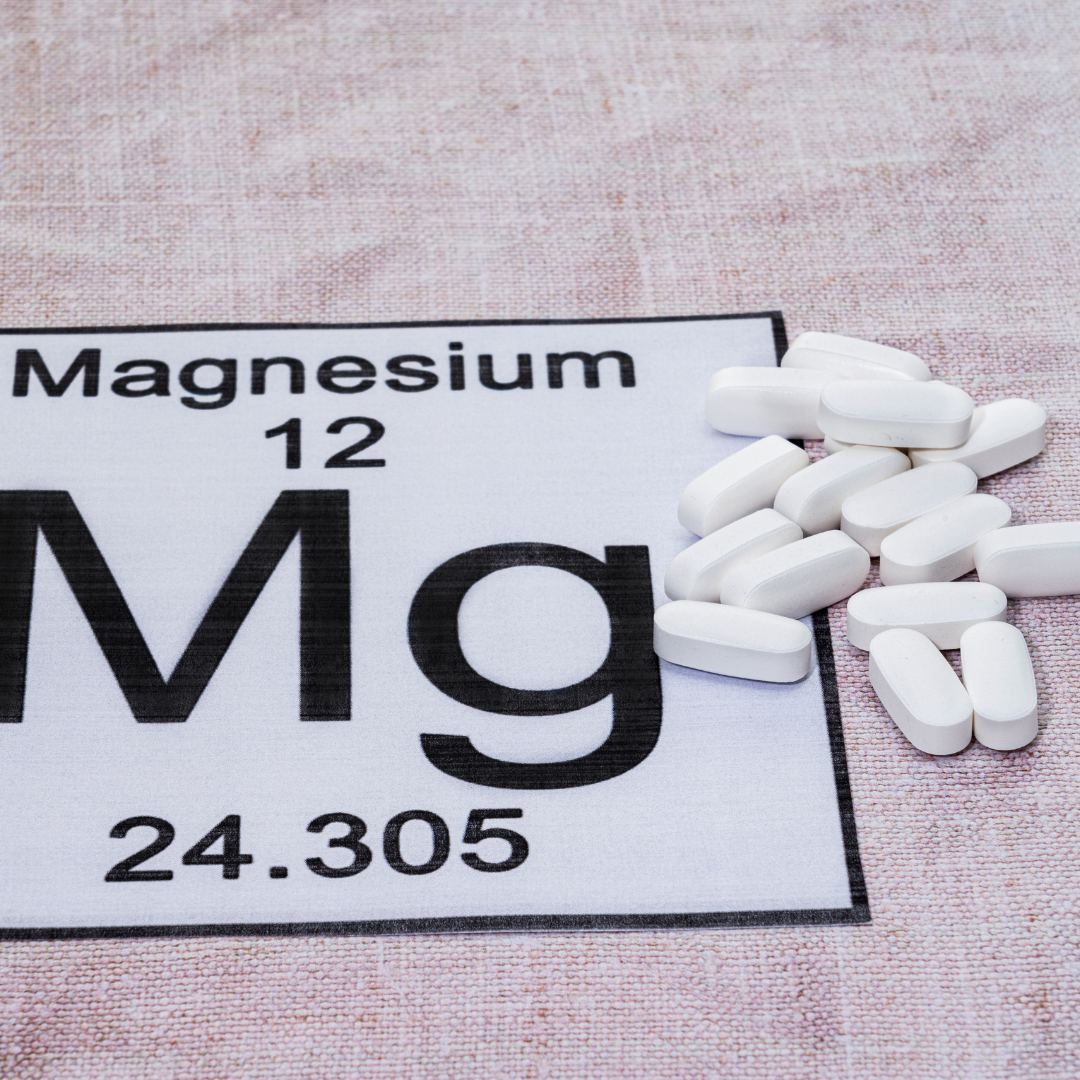
Magnesium is a crucial mineral involved in hundreds of bodily functions, including nerve function, mood stabilization, and muscle relaxation. It alleviates stress, anxiety, and insomnia by calming the nervous system and regulating cortisol levels. Magnesium deficiency has been linked to heightened anxiety and depression.
- Research: Studies, such as one by Barbosa et al. (2019), have shown that magnesiumsupplementation reduces anxiety symptoms, especially in people with magnesium deficiency.
- Additional Claims: Magnesium improves brain plasticity, making it easier to adapt to stress and build resilience to mental health challenges.
- Recommended Dosage: 300–400 mg daily.
- Possible Side Effects: Diarrhea, abdominal cramping, and, in rare cases, irregular heartbeat.
4. L-Theanine: A Natural Solution for Anxiety and Mental Clarity

L-Theanine, naturally found in green tea, promotes relaxation without causing drowsiness. It works by increasing alpha brain waves, which foster calmness and mental clarity. L-Theanine has been shown to reduce stress, alleviate anxiety, and improve sleep quality.
- Research: A study by Hidese et al. (2011) found that L-Theanine improves cognitive performance and reduces anxiety, particularly before stressful situations.
- Additional Claims: It enhances focus and attention, making it ideal for managing stress-induced distractions or mental fog.
- Recommended Dosage: 100–200 mg up to twice daily.
- Possible Side Effects: Generally well-tolerated but may cause dizziness or headaches in some individuals.
5. Ashwagandha: : A Top Adaptogen for Stress and Resilience
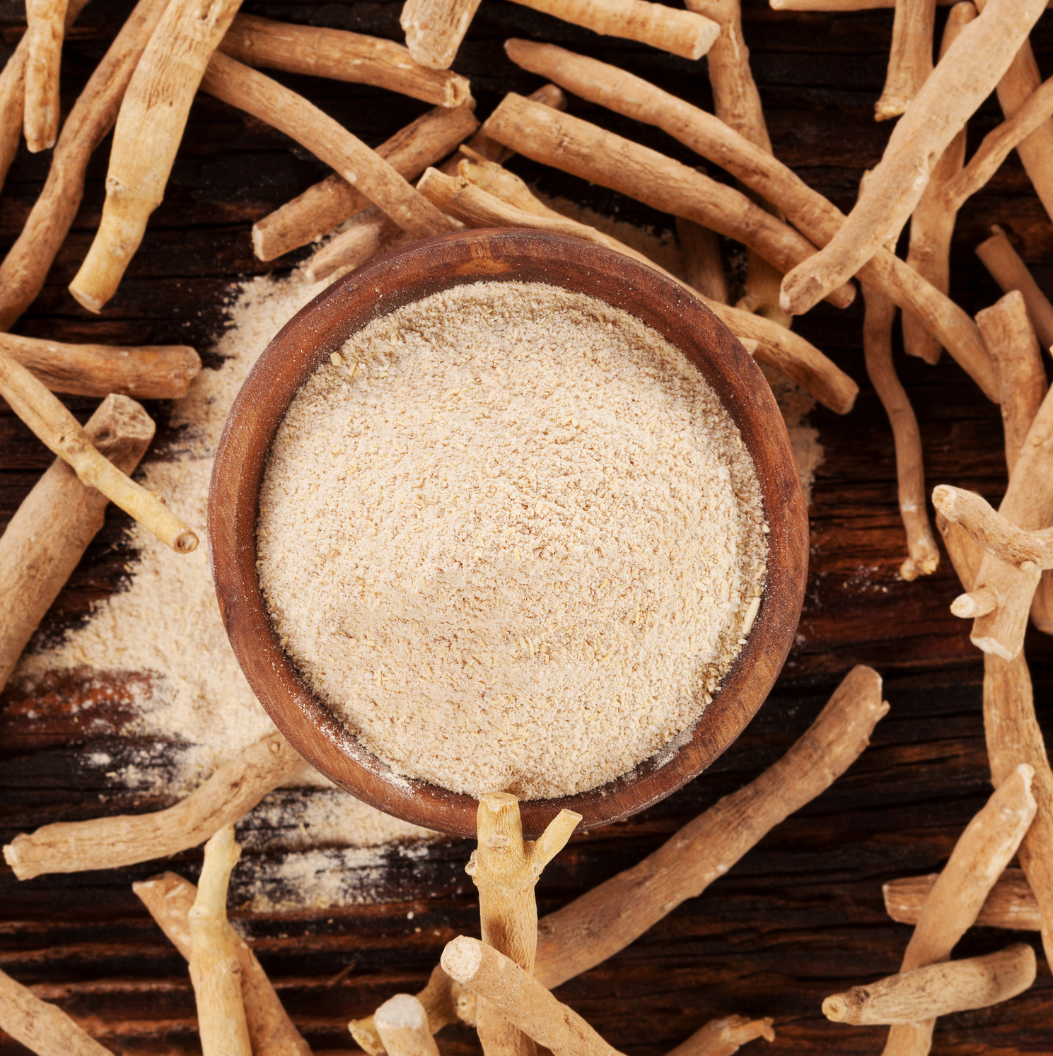
Ashwagandha is an adaptogen that helps the body adapt to stress and lower cortisol levels. Regular use has been shown to reduce anxiety, improve mental clarity, and boost overall resilience to physical and emotional stress.
- Research: A clinical study in The Journal of Clinical Psychiatry reported that Ashwagandha significantly reduced stress and anxiety in adults with chronic stress (Chandrasekhar et al., 2012).
- Additional Claims: Ashwagandha supports adrenal health, improves focus, and enhances memory.
- Recommended Dosage: 300–600 mg daily of a standardized extract.
- Possible Side Effects: Drowsiness, stomach upset, and possible interactions with thyroid medications.
6. GABA (Gamma-Aminobutyric Acid): Calm Your Mind Naturally
GABA is a neurotransmitter that helps calm the brain by reducing overactive signals. Supplementing with GABA can reduce anxiety and enhance sleep by promoting a sense of relaxation.
- Research: A study published in Frontiers in Neuroscience found that GABA supplementation significantly reduced stress and anxiety levels (Cheng et al., 2012).
- Additional Claims: GABA supports mood regulation and better sleep, both of which are essential for emotional resilience.
- Recommended Dosage: 250–750 mg daily.
- Possible Side Effects: Drowsiness, tingling sensations, and mild gastrointestinal discomfort.
7. 5-HTP: Boost Your Serotonin for Mood and Sleep Improvement
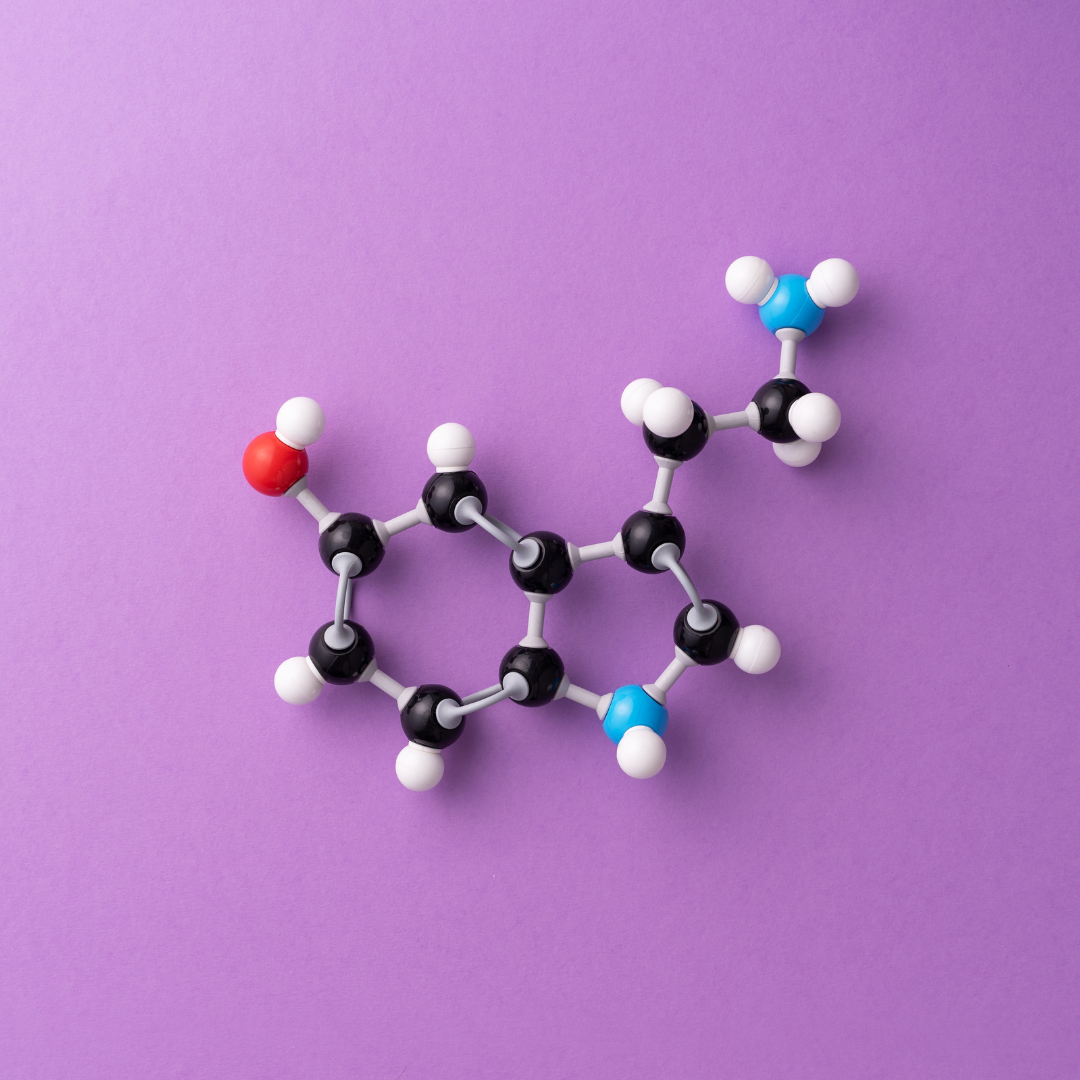
5-HTP is a precursor to serotonin, often referred to as the “happy chemical.” It is commonly used to combat depression, anxiety, and sleep disorders by increasing serotonin production in the brain.
- Research: A study published in Psychopharmacology found that 5-HTP effectively improved mood and reduced anxiety symptoms (Birdsall, 1998).
- Additional Claims: It can also improve sleep by boosting melatonin production, making it helpful for those with insomnia.
- Recommended Dosage: 50–100 mg up to three times daily.
- Possible Side Effects: Nausea, drowsiness, and in rare cases, serotonin syndrome when combined with certain medications.
8. St. John’s Wort: A Herbal Remedy for Mild to Moderate Depression

St. John’s Wort is a herbal remedy used for centuries to treat mild to moderate depression. It works by increasing serotonin and dopamine levels in the brain.
- Research: Clinical trials have shown that St. John’s Wort is effective at reducing symptoms of mild to moderate depression (Linde et al., 2008).
- Additional Claims: It can improve sleep and boost energy levels while enhancing emotional resilience.
- Recommended Dosage: 300 mg three times daily of a standardized extract.
- Possible Side Effects: Sensitivity to sunlight, dizziness, and potential interactions with medications.
9. Phosphatidylserine: Support Cognitive Function and Stress Management
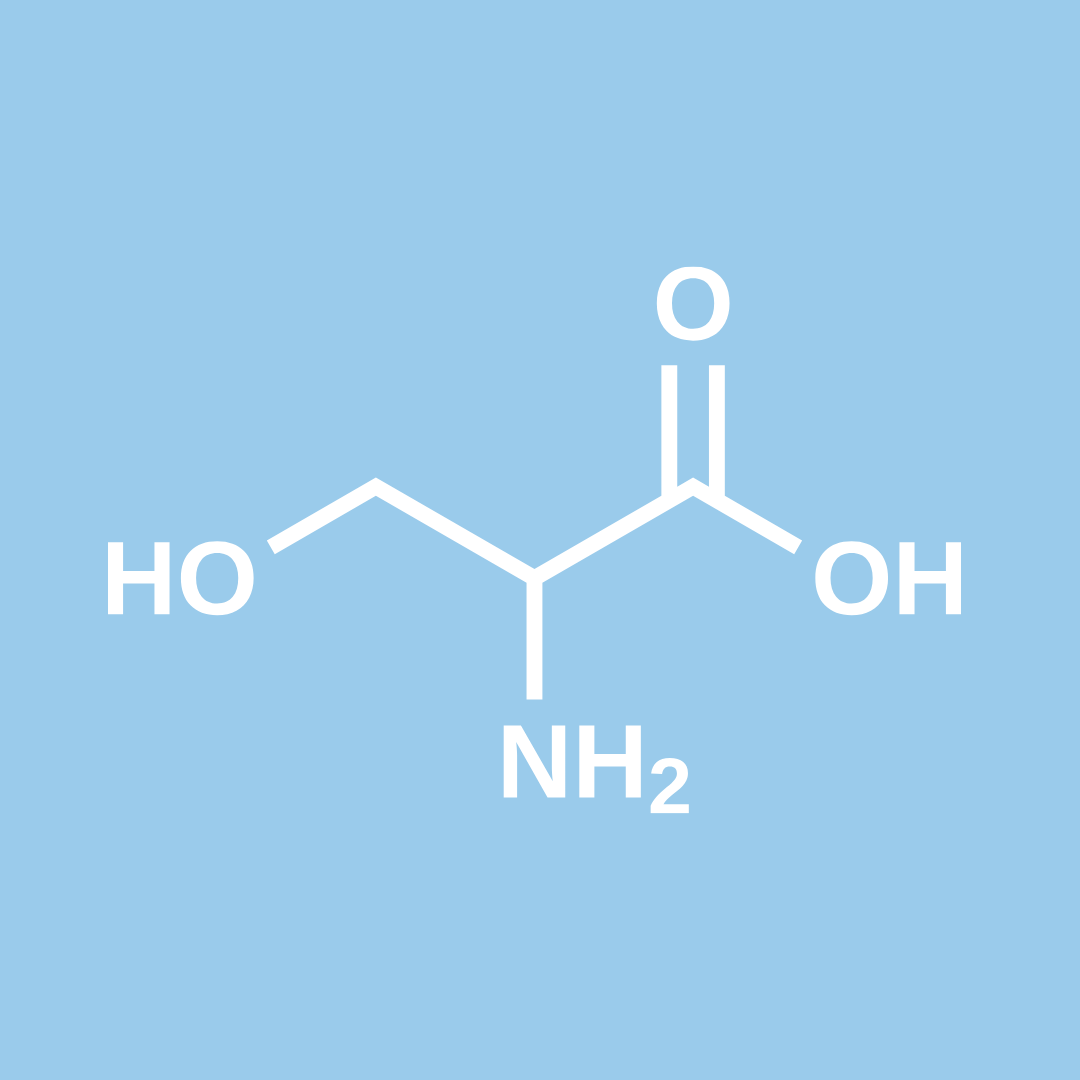
Phosphatidylserine supports cognitive function and helps manage stress by reducing cortisol levels. It’s beneficial for memory, focus, and mood regulation.
- Research: A study in The Journal of Clinical Psychopharmacology showed that it reduced cortisol levels and improved memory in people under chronic stress (Kato et al., 2010).
- Additional Claims: It may prevent stress-related cognitive decline and enhance brain function.
- Recommended Dosage: 100–300 mg daily.
- Possible Side Effects: Insomnia, stomach upset, and dizziness in rare cases.
10. Melatonin: Improve Sleep Quality for Better Mental Health
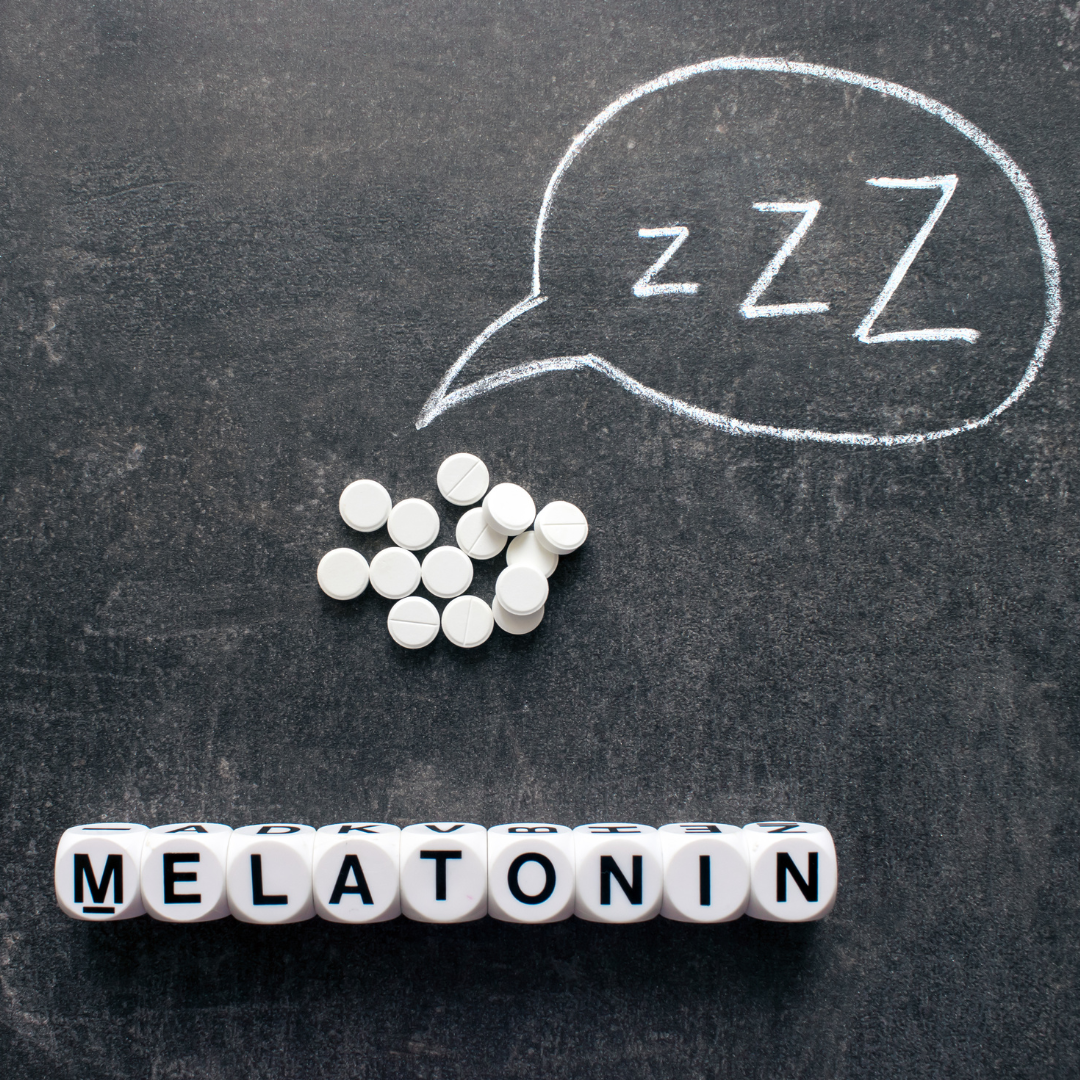
Melatonin, a hormone that regulates sleep, supports mental health indirectly by improving sleep quality. Restorative sleep is essential for emotional stability and stress resilience.
- Research: A study in The Journal of Clinical Endocrinology & Metabolism found that melatonin supplementation improved sleep quality, reducing symptoms of depression and anxiety (Tocci et al., 2014).
- Additional Claims: It helps regulate circadian rhythms, making it useful for jet lag, shift work, or stress-induced sleep issues.
- Recommended Dosage: 1–5 mg 30 minutes before bedtime.
- Possible Side Effects: Grogginess, vivid dreams, and headaches.
How We Chose These Supplements
Our selection of evidence-based supplements for mental health was guided by the following criteria:
- Scientific Evidence: Each supplement is backed by peer-reviewed studies demonstrating its effectiveness for mental health.
- Safety: All of the supplements listed are generally recognized as safe when used as directed, based on current research and expert recommendations.
- Relevance to Mental Health: We focused on supplements targeting common mental health concerns, including stress, anxiety, depression, and sleep.
- Quality of Ingredients: Only products with high-quality, transparent sourcing made our list.
- Consumer Reviews: User reviews and testimonials were considered to ensure real-world efficacy.
Ready to feel the difference?
Take the Quiz now and discover personalized, science-backed support for your mind and mood.
Conclusion
Incorporating evidence-based supplements into your mental health strategy can be a powerful way to support overall well-being. From Omega-3 fatty acids to Melatonin, each supplement on this list has been shown to positively influence mood, stress, sleep, and cognitive function.
However, supplements should complement, not replace, other treatments like therapy or prescribed medication. By choosing high-quality products supported by science, you can take proactive steps toward a healthier, more balanced life.
Ready to Take the Next Step?
- Take our Mental health supplement quiz to discover the best products for your needs.
- Download our free eBook for practical tips and insights.
Stay Informed, Stay Well!
- Discover the latest in evidence-based supplements.
- Learn proven tips for boosting your health and wellness.
- Unlock exclusive offers tailored to your needs.
Take Quiz – Your first step toward a healthier, happier you!
Frequently Asked Questions
Is there any evidence for supplements?
Yes, there is substantial evidence supporting the use of certain supplements for specific health concerns. For instance:
Omega-3 fatty acids have been shown to enhance heart health and brain function.
Vitamin D is well-documented for improving bone health and supporting immune function.
However, not all supplements are equally effective. Their efficacy depends on factors like product quality and individual health needs. To ensure safety and effectiveness, always choose evidence-based supplements backed by verified research.
What is the most trusted brand of supplements?
The most trusted supplement brands prioritize quality, transparency, and third-party testing. Some standout brands include:
Cenario: Specializes in evidence-based supplements for mental health and overall wellness.
XTEND: A leading U.S.-based brand known for high-quality BCAA supplements.
Momentous
Nordic Naturals
When selecting a brand, look for certifications like NSF, USP, or GMP, as these indicate high manufacturing standards. Trusted brands back their products with scientific research and prioritize clear ingredient sourcing.
What are the top 3 supplements for health?
The top three evidence-based supplements for overall health are:
1. Omega-3 Fatty Acids: Supports heart, brain, and joint health.
2. Vitamin D: Promotes bone density, immune function, and mood regulation.
3. Magnesium: Helps with muscle function, stress management, and improved sleep.
These supplements are widely researched and offer broad health benefits. Always consult a healthcare provider to personalize your supplementation plan.
What is the most powerful supplement?
The “most powerful” supplement depends on the health concern. For example:
Ashwagandha is highly effective for managing stress and energy levels, with robust scientific support.
For overall health, Omega-3 fatty acids are considered one of the most powerful supplements due to their wide-ranging benefits for cardiovascular, cognitive, and inflammatory health.
What is the number 1 food supplement?
Multivitamins are often regarded as the #1 food supplement because they provide a broad spectrum of essential vitamins and minerals, helping to fill dietary gaps.
However, targeted evidence-based supplements like Omega-3 or Vitamin D may offer greater benefits for specific health concerns, making them better options for individuals with unique needs.
What is the most scientifically researched supplement?
Omega-3 fatty acids are among the most extensively researched supplements, with hundreds of studies confirming their role in:
- Heart health
- Brain function
- Inflammation reduction
Other highly researched supplements include Vitamin D and Creatine, the latter being particularly well-studied for improving both muscle strength and cognitive performance. Choosing high-quality, scientifically-backed products ensures maximum effectiveness.
Which supplements are scientifically proved to work?
Numerous supplements are backed by strong scientific evidence for specific purposes. Some of the most researched and effective include:
- Omega-3 Fatty Acids: Improves heart health, brain function, and inflammation.
- Vitamin D: Enhances bone health, immunity, and mood.
- Magnesium: Helps reduce stress, improve sleep, and support muscle health.
- Probiotics: Boosts gut health and immunity.
- Creatine: Improves muscle strength and cognitive performance.
- Ashwagandha: Reduces stress and increases energy.
Each of these supplements has been tested in clinical studies, but results can vary based on individual health conditions, dosage, and product quality.
How do I know if my supplements are legit?
To ensure your supplements are legitimate, follow these tips:
1. Check for Certifications: Look for third-party testing certifications like NSF, USP, or GMP, which indicate quality and safety.
2. Research the Brand: A trusted brand like Cenario is known for offering evidence-based supplements and transparent ingredient sourcing.
3. Review Ingredients: Verify that the supplement contains clinically studied dosages of active ingredients and avoid products with unnecessary fillers or proprietary blends.
4. Look for Scientific Backing: Legitimate supplements often reference studies or clinical trials supporting their claims.
5. Avoid False Claims: Be wary of products promising “instant results” or “cures,” as these are red flags.
6. Check Reviews: Customer feedback and expert opinions can provide valuable insights into a product’s reliability and effectiveness.