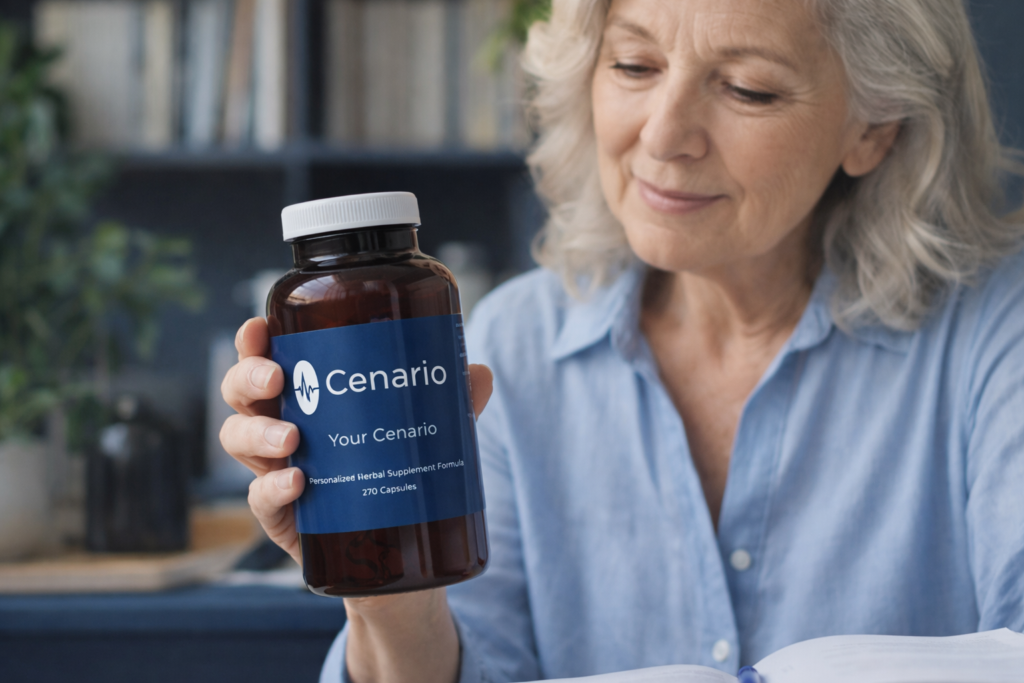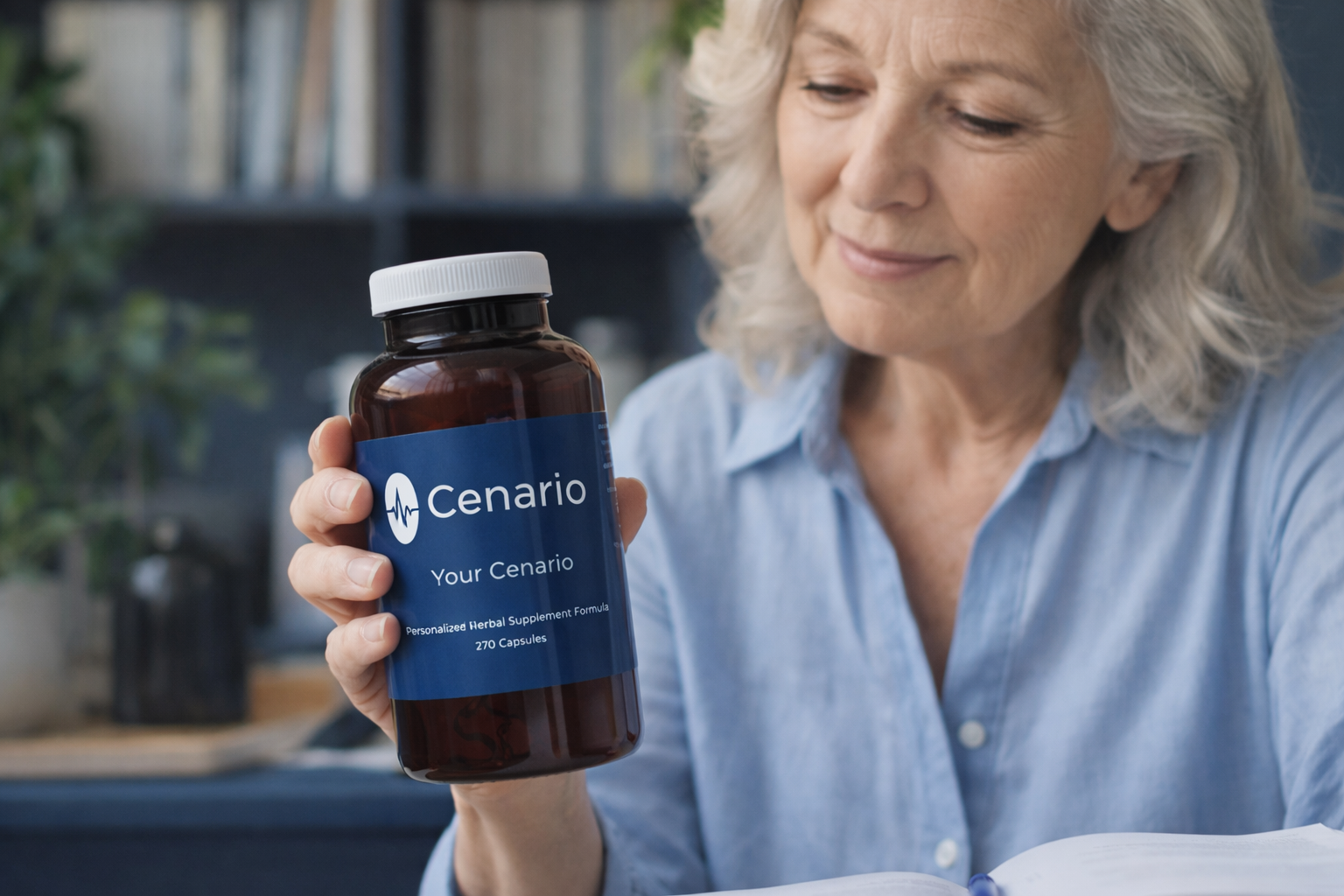

In recent years, there has been a noticeable surge in interest surrounding memory supplements as a means to enhance cognitive function and slow memory decline. As we live in an age where mental acuity is highly valued, the allure of unlocking the brain’s potential is stronger than ever. This growing fascination is not just limited to those experiencing memory issues but extends to individuals seeking to boost their mental performance in everyday tasks.
The Competitive Landscape of Memory Supplements
The market for memory supplements is vast and varied, offering consumers a plethora of options that range from scientifically-backed formulations to those endorsed by anecdotal consumer reviews. Despite the abundance of choices, the effectiveness of these supplements remains a topic of debate. The industry is characterized by a mix of promising scientific research and skepticism, largely due to mixed evidence and regulatory scrutiny. Consumers are often left to navigate this complex landscape, trying to discern which products truly offer cognitive benefits and which fall short of their claims.
Purpose of the Post
This blog post aims to provide an objective, evidence-based overview of memory supplements, helping readers separate fact from fiction. By exploring scientific findings, popular products, and market trends, we seek to equip you with the knowledge needed to make informed decisions. Whether you’re curious about the potential benefits of specific ingredients or concerned about the regulatory landscape, this post will guide you through the essentials of memory supplements.
Stay tuned as we delve deeper into the scientific research behind these supplements, analyze their efficacy, and explore the broader market dynamics that influence their popularity. Our goal is to offer a comprehensive exploration that empowers you to make choices rooted in evidence and understanding.
Scientific Research on Multivitamins
Recent studies, such as those conducted by Columbia University, have shown that daily multivitamin supplements can offer modest benefits in slowing age-related memory decline. These findings are particularly significant for older adults, especially those with cardiovascular conditions, as they demonstrate specific improvements in memory functions. The research suggests that consistent, long-term use of multivitamins could delay cognitive aging by two to three years, offering a valuable tool for maintaining mental acuity.
Analysis of Specific Branded Products
Prevagen
Prevagen, a popular memory supplement, has faced legal challenges due to its marketing claims. Despite being widely advertised, there is a lack of credible evidence supporting its efficacy. Regulatory bodies have scrutinized Prevagen for its claims of improving brain function, highlighting the absence of high-quality, independent studies validating these assertions. Consumers are advised to approach such products with caution, considering the legal and scientific scrutiny they face.
Neuriva
Neuriva, which combines coffee cherry extract and phosphatidylserine, has shown potential benefits in a small randomized trial. The study indicated improvements in memory and cognitive tasks, particularly for adults with self-perceived memory issues. However, the limited size of the study and the specific nature of the benefits observed suggest that more extensive research is necessary to fully understand its efficacy.
Ingredient-Focused Reviews
Omega-3 Fatty Acids
Omega-3 fatty acids, particularly DHA and EPA, are well-regarded for their role in supporting memory performance and slowing cognitive decline. Meta-analyses have consistently shown that these essential fats correlate with better brain health, making them a popular choice among consumers seeking natural memory enhancement.
Citicoline (CDP-Choline)
Citicoline is known for its role in supporting neurotransmitter production, particularly acetylcholine, which is crucial for memory and attention. Studies have indicated cognitive benefits, especially in older adults, positioning citicoline as a promising ingredient in the realm of memory supplements.
Magnesium L-Threonate
Magnesium L-threonate stands out for its unique ability to cross the blood-brain barrier, enhancing neuroplasticity and memory. Research suggests that this form of magnesium can improve brain function, offering a potential advantage over other magnesium supplements that do not penetrate the brain as effectively.
As the exploration of memory supplements continues, it is essential for consumers to focus on evidence-based choices. By understanding the scientific backing of specific ingredients and the regulatory landscape, individuals can make informed decisions about incorporating these supplements into their cognitive health regimen. Stay tuned for further insights into botanical and nutraceutical compounds, market trends, and regulatory updates in the continuation of this blog post.
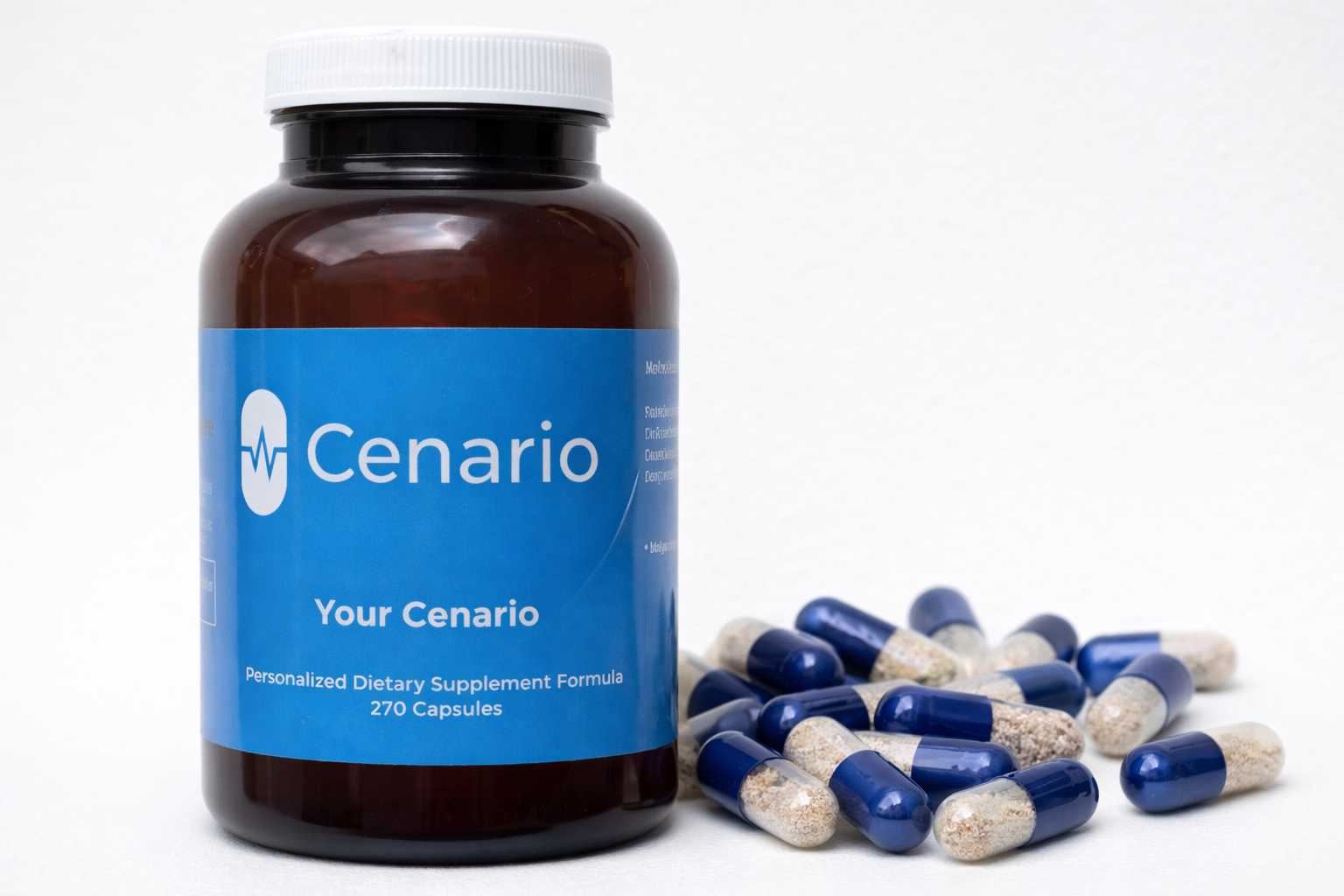
Instead of guessing, take the 3 minute Cenario assessment and get personalized supplement recommendations built around your cognitive profile.
Stop stacking random ingredients. Start targeting what your brain actually needs.
[
cenario.com
]
Exploring Botanical and Nutraceutical Compounds
In the realm of memory supplements, botanical and nutraceutical compounds like ashwagandha, choline, and ginger are gaining attention. Although the evidence supporting their efficacy is limited, initial studies suggest promising benefits. For instance, ashwagandha is traditionally used in Ayurvedic medicine and may help reduce stress and improve memory. Choline, essential for brain health, supports neurotransmitter function, while ginger is noted for its antioxidant properties that could protect brain cells. However, more rigorous scientific studies are needed to substantiate these claims and understand the full potential of these compounds.
Market Growth and Public Health Challenges
The brain health supplement market is experiencing rapid growth, driven largely by an aging population eager to maintain cognitive function and a general increase in health awareness. Despite this expansion, the market faces significant challenges due to insufficient regulation. Many products are marketed with bold claims that lack robust scientific backing, leading to potential misinformation among consumers. This gap highlights the importance of regulatory oversight to ensure that products are both safe and effective.
Regulatory and Legal Developments
Regulatory scrutiny in the supplement industry is intensifying, with high-profile legal actions highlighting the gap between advertising claims and research evidence. For example, the FDA and FTC have taken action against companies like those marketing Prevagen, emphasizing the need for evidence-based claims. These developments underscore the importance of consumer vigilance and the role of regulatory bodies in protecting public health.
Key Trends and Data in Memory Supplements
The memory supplements market is characterized by several key trends. There is a growing consensus among scientists on the modest benefits of multivitamins for memory support, particularly in older adults. However, specific branded supplements and most botanicals lack strong evidence. Regulatory actions continue to shape the market, pushing for greater transparency and accountability. Additionally, consumer interest is driving research into ingredients like omega-3s, citicoline, and magnesium L-threonate, which are spotlighted for their potential cognitive benefits.
Conclusion: Making Informed Choices
In conclusion, while memory supplements offer potential benefits, it is crucial to approach them with a critical eye. Consumers should prioritize evidence-based choices, considering scientific studies, ingredient efficacy, and regulatory status. By doing so, individuals can make informed decisions that align with their cognitive health goals. As the market evolves, staying informed about new research and regulatory updates will be essential for navigating the complex landscape of memory supplements.
If you are serious about improving cognitive performance, do not rely on generic “brain pills.”
Read the full guide here:
[
cenario.com
https://cenario.com/blog/supplements/
]
Then take the Cenario assessment and build your personalized Memory & Focus formula.
[
cenario.com
]
Frequently Asked Questions
Are memory supplements effective?
The effectiveness of memory supplements varies widely. While some ingredients like omega-3 fatty acids and multivitamins have shown modest benefits in scientific studies, many supplements lack robust evidence. Regulatory scrutiny often highlights the discrepancy between marketing claims and actual efficacy.
What should I look for in a memory supplement?
When evaluating memory supplements, consider the presence of clinically studied ingredients, the product’s regulatory status, and any available scientific evidence supporting its claims. Avoid products with unsupported marketing assertions and look for transparency in labeling.
Are there any risks associated with taking memory supplements?
Yes, there can be risks, including interactions with medications and potential side effects. It is important to consult healthcare professionals before starting any new supplement regimen, particularly for individuals with pre-existing health conditions.
How do multivitamins compare to specific memory supplements?
Multivitamins have demonstrated some benefits in slowing age-related memory decline, particularly in older adults. In contrast, specific branded memory supplements often lack the same level of scientific validation. It is important to weigh the evidence for each type of supplement individually.
What role do lifestyle factors play in memory health?
Lifestyle factors play a significant role in memory health. A holistic approach, including a balanced diet, regular exercise, and mental activities, can complement the use of supplements and contribute to overall cognitive well-being.