

Many people today have trouble sleeping, feel anxious, or find it hard to relax. With busy schedules, constant stress, and not enough rest, it’s no surprise that sleep and mental health problems are so common. While some turn to medication, others are looking for gentler, more natural options. One of the most popular herbal remedies for better sleep and calmness is Valerian root.
Valerian root has been used for hundreds of years in Europe and Asia to help with sleep and stress. Today, it’s gaining new attention as a natural supplement that can help you relax, fall asleep faster, and feel more balanced — without the heavy side effects of prescription drugs.
In this easy-to-follow guide, we’ll walk you through what Valerian root is, how it works in the body, what it’s used for, and how safe it is. If you’re looking for a simple way to feel calmer and sleep better, this article will help you decide if Valerian root is right for you.
What Is Valerian Root?
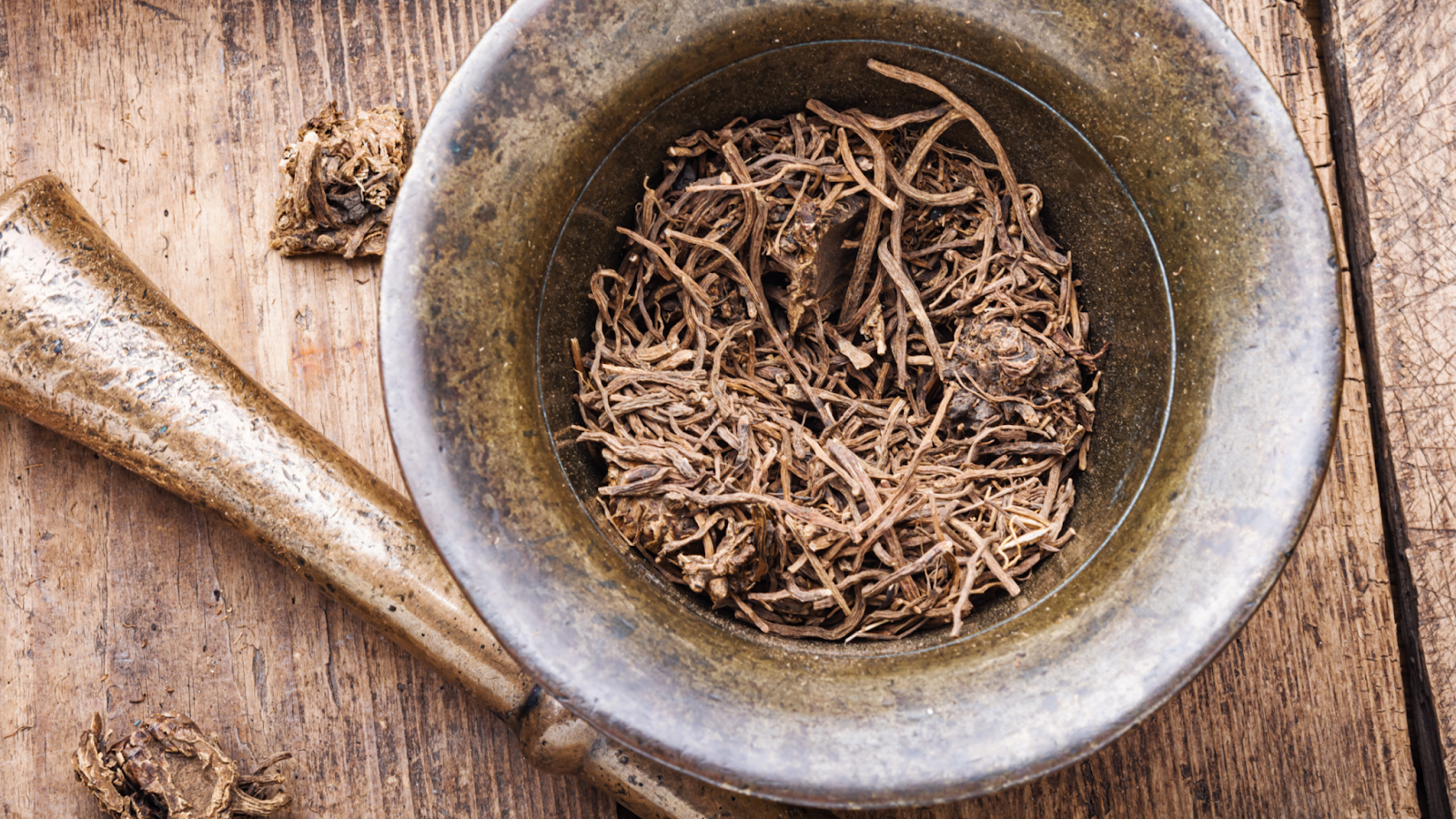
Valerian root comes from a plant called Valeriana officinalis, which is native to Europe and parts of Asia. This plant has been used for over 2,000 years as a natural remedy for problems like insomnia (trouble sleeping), nervousness, and anxiety. People have used it in many forms — as a tea, tincture, or powder — to calm the body and mind, especially during stressful times.
What makes Valerian root special is how it affects the brain and nervous system. Scientists have found that it works by increasing levels of a calming chemical in the brain called GABA (short for gamma-aminobutyric acid). GABA is like your brain’s natural “brake pedal” — it helps slow things down when you’re feeling anxious, overstimulated, or having trouble sleeping.
Prescription medications like benzodiazepines (such as Valium or Xanax) also work by targeting GABA. However, Valerian root does this in a gentler, more natural way, and without the risks of addiction, withdrawal, or serious side effects that are often linked to prescription drugs.
The main active ingredients in Valerian root include:
- Valerenic acid – helps increase GABA in the brain
- Valepotriates – contribute to its relaxing and anti-anxiety effects
- Antioxidants – help protect the brain from stress and inflammation
These compounds work together to reduce nervous system activity, making it easier to relax, fall asleep, and stay calm.
What the Research Says
Several studies support Valerian’s calming benefits:
- A review of 16 studies found that Valerian root can improve sleep quality and reduce the time it takes to fall asleep, especially in people with mild insomnia.
- Another study showed that taking Valerian helped people feel less anxious before stressful events, such as public speaking or medical procedures.
- A laboratory study also found that valerenic acid increases GABA levels by stopping its breakdown in the brain, helping to keep you calm naturally.
In simple terms, Valerian root helps your brain slow down and relax — without making you feel drugged or sleepy during the day.
Key Benefits of Valerian Root
1. Improves Sleep Quality and Reduces Sleep Latency
One of the most well-documented effects of Valerian root is its ability to promote deeper, more restful sleep.
- A systematic review of clinical trials found that Valerian significantly improved sleep quality in both healthy individuals and those with insomnia.
- Participants taking Valerian root fell asleep faster and reported fewer awakenings during the night.
This makes Valerian especially beneficial for people with stress-related or menopause-related sleep disturbances.
2. Reduces Anxiety and Calms the Nervous System
Valerian root helps regulate GABA levels in the brain, which leads to a natural calming effect — without sedation.
- A double-blind, placebo-controlled trial showed that Valerian was effective in reducing anxiety symptoms in people undergoing stressful situations like public speaking or exams.
- Unlike many prescription anxiolytics, Valerian does not impair cognitive function or cause dependency when used appropriately.
3. Eases Stress-Related Physical Tension
In addition to mental calm, Valerian root may help relieve muscle tension, restlessness, and even mild tremors caused by chronic stress or nervous system overactivity.
- This makes it a helpful tool for those experiencing somatic symptoms of anxiety, like a racing heart, clenched jaw, or tension headaches.
4. Supports Hormonal Balance in Menopause
Research shows that Valerian root can reduce the severity and frequency of hot flashes, night sweats, and insomnia in menopausal women.
- A study in postmenopausal women found that 530 mg of Valerian taken twice daily for 8 weeks significantly improved sleep and reduced vasomotor symptoms.
5. Non-Addictive Alternative to Sleep Medications
Unlike many sleep aids (such as benzodiazepines or antihistamines), Valerian root is:
- Non-habit forming
- Gentle on the nervous system
- Less likely to cause grogginess the next morning
For individuals seeking a more natural, long-term solution, this makes Valerian an appealing option.
How to Use Valerian Root Supplement
If you’re thinking about trying Valerian root to help with sleep or anxiety, it’s important to know how to use it correctly. The way you take it — and when — can make a big difference in how well it works for you.
Forms of Valerian Root
Valerian root is available in several forms, each offering its own benefits depending on your lifestyle and preference:
- Capsules or Tablets
These are the most common and convenient form. They contain a measured amount of Valerian root extract and are easy to add to your nighttime or daily routine. Great for people who prefer no taste or mess. - Tinctures (Liquid Extracts)
Tinctures are drops of concentrated Valerian extract that you take with water or under the tongue. They’re absorbed quickly by the body and allow for more flexible dosing. Some people prefer tinctures because they can adjust the amount more precisely. - Dried Valerian Root (Herbal Tea)
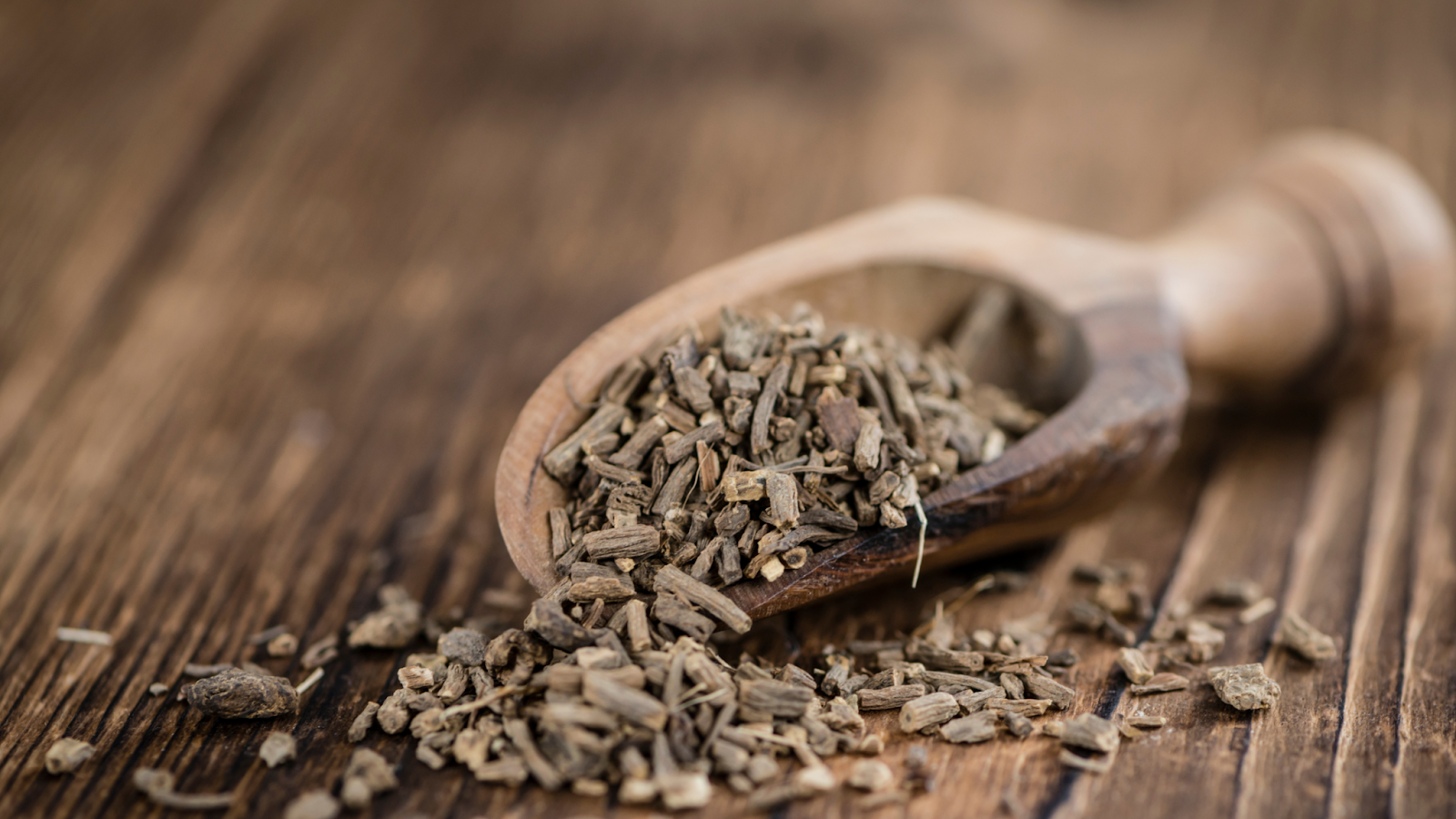
Valerian tea is made by steeping dried root in hot water for 10–15 minutes. Many people find this ritual calming in itself. However, it has a strong, earthy smell and bitter taste that some find unpleasant. - Powdered Valerian (for smoothies or capsules)
Less common, but used in DIY supplement blends or recipes.
Regardless of the form, make sure you’re buying from a trusted brand that uses standardized extracts. Look for products labeled with the amount of valerenic acid, the main active compound that contributes to its calming effect.
Recommended Dosage and Timing
Valerian root doesn’t work the same for everyone. It can take a little time to find the right dose and routine that fits your needs. Here’s what research and traditional use suggest:
For Sleep Support
If you’re using Valerian root to help with falling asleep or staying asleep:
- Take 400–900 mg of Valerian root extract 30 to 60 minutes before bedtime.
- You can also drink a cup of Valerian tea an hour before bed as part of a calming bedtime ritual.
- Some people notice results within a few nights, while others may need to take it consistently for 1–2 weeks to feel the full effects.
A clinical review found that taking Valerian for at least 14 consecutive nights led to the best improvements in sleep quality.
Who Should Be Cautious
- Pregnant or breastfeeding women: There is not enough research to confirm that Valerian is safe during pregnancy or breastfeeding.
- Children under 3 years old: Should not use Valerian unless directed by a pediatrician.
Safety, Side Effects, and Precautions
Valerian is generally well-tolerated, but it’s still important to be informed:
Possible Side Effects:
- Mild drowsiness
- Dizziness
- Upset stomach
- Headache
Who Should Avoid It:
- Pregnant or breastfeeding women
- Children under 3
- People on sedative medications, alcohol, or other CNS depressants
Drug Interactions:
- Valerian may enhance the effects of other sedatives, including:
- Benzodiazepines
- Barbiturates
- Antihistamines
- Alcohol
Important: If you’re taking any medication or have a chronic condition, consult your healthcare provider before starting Valerian root.
Conclusion: Should You Try Valerian Root?
If you’re looking for a gentle, natural way to manage anxiety or sleep problems, Valerian root supplements are a time-tested and science-backed option. They offer benefits without the harsh side effects of pharmaceuticals and can be a great addition to your stress-relief or sleep routine.
That said, not every supplement works the same for everyone — so it’s important to find the formula that’s right for your mental health.
Take our quick Cenario quiz and get a custom supplement blend tailored to your sleep, stress, and mood needs — based on real science.
Frequently Asked Questions
Can I take Valerian every night?
Yes, most studies support its safe use for up to 6–8 weeks. Longer-term use should be cycled or discussed with a healthcare provider.
Will Valerian make me feel groggy in the morning?
Most people do not report next-day drowsiness, especially if taken at the right dose. However, individual response varies.
Is it safe to mix Valerian with alcohol?
No. Combining Valerian with alcohol or sedatives can dangerously amplify the sedative effect.
Is Valerian addictive?
No. Unlike many sleep medications, Valerian does not cause dependency or withdrawal symptoms.