
Vitamin B12 is more than just a supplements in your morning routine—it’s a critical player in brain function and emotional balance. Often overlooked, this essential nutrient plays a central role in supporting mood, mental clarity, and energy levels. As rates of stress, anxiety, and depression continue to rise, many individuals may be missing a foundational piece of the mental wellness puzzle: Vitamin B12.
In this post, we’ll explore the deep connection between Vitamin B12 and mood disorders, uncover how it supports emotional resilience and brain energy, and explain what you can do if you’re low on this vital nutrient.
What is Vitamin B12?
Vitamin B12 (cobalamin) is a water-soluble B-vitamin essential for:
- Red blood cell formation
- DNA synthesis
- Neurological function
- Energy production
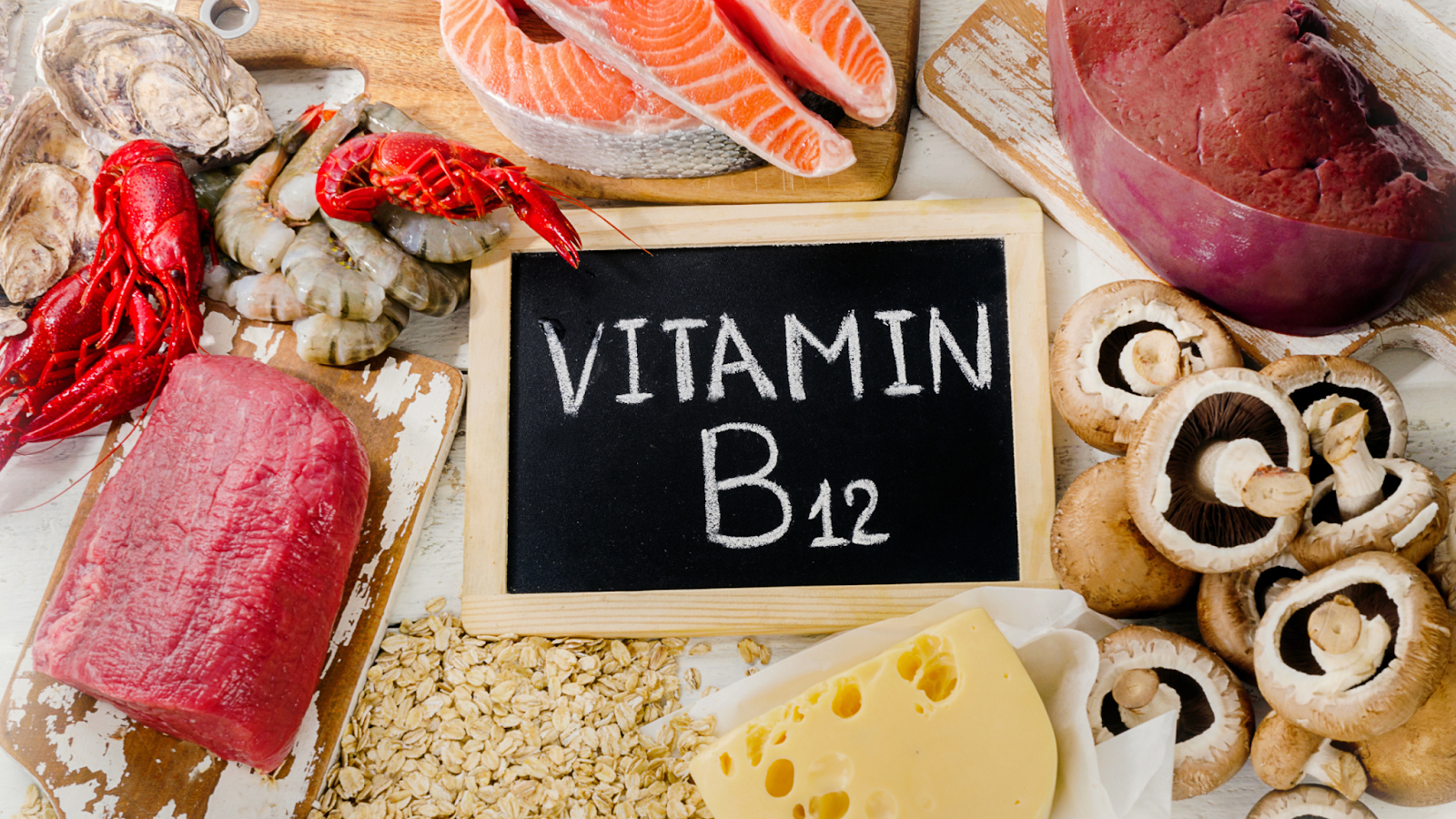
Since B12 cannot be produced by the body, it must be obtained from diet or supplements. It’s naturally found in animal-based foods such as meat, eggs, and dairy—and deficiency is more common in vegans, vegetarians, older adults, and those with gut absorption issues.
The Link Between Vitamin B12 and Mood
How B12 Supports Mental Health
Vitamin B12 plays several vital roles in brain health and mood regulation, including:
- Neurotransmitter production: B12 is essential for synthesizing serotonin and dopamine, the brain chemicals that regulate mood and pleasure.
- Myelin synthesis: Myelin sheaths protect nerves and help electrical signals travel efficiently—essential for cognitive clarity and stability.
- Homocysteine reduction: B12 helps convert homocysteine (a neurotoxic amino acid) into methionine, reducing oxidative stress and inflammation in the brain.
Low B12 levels can directly impact brain energy, mood stability, and emotional resilience.
Vitamin B12 Deficiency and Mood Disorders
Signs of a Deficiency
If you’re experiencing any of the following symptoms, a B12 deficiency may be contributing:
- Fatigue and low energy
- Brain fog or poor memory
- Irritability and mood swings
- Anxiety or depressive symptoms
- Tingling in hands or feet
Associated Mental Health Conditions
Research shows that B12 deficiency may play a role in several mood-related conditions, including:
- Major Depressive Disorder
- Generalized Anxiety Disorder
- Chronic Fatigue Syndrome
- Cognitive decline or early dementia
In a study published in The American Journal of Psychiatry, low B12 levels were associated with a greater risk of depression, particularly in women and older adults.
B12, Energy Metabolism, and Brain Clarity
Mitochondrial Support for the Brain
Vitamin B12 is necessary for healthy mitochondrial function, which is key to energy production within brain cells. Without enough B12, neurons become sluggish, leading to symptoms like mental fatigue, reduced motivation, and poor focus.
Think of B12 as the spark plug for your brain’s energy systems—it helps turn nutrients into usable fuel, especially under stress or recovery from burnout.
Who’s Most at Risk of Low B12?
Several groups are more vulnerable to Vitamin B12 deficiency, including:
- Vegans and vegetarians (since B12 is absent from plant foods)
- People over 50, due to decreased stomach acid
- Individuals with gut disorders, such as IBS, Crohn’s, or celiac
- People under high stress, which may impair absorption
- Long-term users of acid-blocking medications
If you belong to any of these categories and struggle with fatigue or low mood, it may be worth testing your B12 levels.
Supplementing with Vitamin B12
Forms of B12
B12 supplements come in several forms:
- Methylcobalamin: Most bioavailable and active in the brain
- Cyanocobalamin: Common and stable, but must be converted by the body
- Adenosylcobalamin: Active in mitochondrial energy production
For mood and brain support, methylcobalamin is often the best option.
Dosage
- General support: 250–500 mcg daily
- Deficiency treatment: Up to 1,000 mcg/day under medical supervision
B12 is water-soluble, so excess amounts are typically excreted—making it a safe option for most people.
How Cenario Uses B12 in Mental Health Formulas
At Cenario, we understand that mental health isn’t one-size-fits-all. That’s why our custom supplement formulas are built around your unique symptoms, needs, and lifestyle. Vitamin B12 (as methylcobalamin) is one of the core ingredients we include in many of our personalized blends—especially when addressing challenges related to energy, focus, and mood imbalances.
Whether you’re struggling with persistent low mood, mental fatigue, or emotional instability triggered by stress or burnout, B12 plays a powerful role in your recovery. Our advanced formulations use the most bioavailable form—methylcobalamin—to ensure maximum absorption and targeted neurological support.
We often include B12 in formulas for:
- Low mood and emotional flatness – to support serotonin and dopamine production
- Stress-induced cognitive fatigue – to restore mental clarity and motivation
- Burnout recovery – to recharge mitochondrial energy in brain cells
- Sleep-wake regulation – by supporting circadian rhythm when combined with other nutrients
But Vitamin B12 doesn’t work alone.
To create real, lasting impact, we combine it with synergistic nutrients such as:
- Folate (B9), which works alongside B12 in methylation pathways critical for neurotransmitter synthesis
- Magnesium, essential for calming the nervous system and supporting restorative sleep
- L-Theanine, known for promoting relaxation without sedation
These ingredients are handpicked by our formulation engine based on your quiz answers—ensuring each capsule supports your individual mental health blueprint.
Take the Cenario Quiz to receive a science-based formula tailored just for you.
Let your supplement work as hard as you do.
Final Thoughts: Don’t Overlook B12
If you’re dealing with low energy, mental fog, or emotional instability, Vitamin B12 may be the missing link in your recovery. From supporting neurotransmitter balance to powering cellular energy, its benefits for mood and mental clarity are substantial.
Before turning to more aggressive treatments, consider testing your B12 levels—and exploring how nutritional support can restore balance.
Frequently Asked Questions
Can Vitamin B12 improve depression?
Yes. Vitamin B12 plays a vital role in mood regulation, and low levels are consistently associated with an increased risk of depression. B12 supports the synthesis of neurotransmitters like serotonin and dopamine—chemicals that are crucial for emotional balance and a sense of well-being. Supplementing with B12 may help reduce symptoms of depression, particularly when used alongside other B-complex vitamins, such as B6 and Folate (B9), and paired with lifestyle changes like improved sleep, nutrition, and stress management.
How long does it take to feel better after starting B12?
The timeline can vary depending on your individual needs. Some people report noticeable improvements in energy levels, mental clarity, and mood within just a few days, especially if they were severely deficient. However, for others, it may take several weeks of consistent supplementation to experience meaningful improvements. Factors such as baseline B12 status, age, gut health, and the presence of underlying conditions all influence how quickly results appear.
Is Vitamin B12 safe to take daily?
Yes. Vitamin B12 is generally very safe for daily use. As a water-soluble vitamin, any excess B12 is typically excreted through urine rather than stored in the body. However, extremely high doses taken over long periods should still be discussed with a healthcare provider—particularly if you have certain conditions like kidney disease or take medications that may interact with B12 metabolism.
What’s the best form of B12 for mental health?
The most effective form for brain and mood support is methylcobalamin. This is the bioactive form of B12 used directly by the body and brain, especially in methylation and neurotransmitter pathways. Other forms include cyanocobalamin (a synthetic version that requires conversion) and adenosylcobalamin (active in energy metabolism). At Cenario, we use methylcobalamin in our formulas to ensure maximum absorption and effectiveness.
Can B12 help with anxiety?
Indirectly, yes. While Vitamin B12 is not an anxiolytic, it plays a supporting role in nervous system regulation, neurotransmitter balance, and the body’s response to stress. Deficiency in B12 can worsen symptoms of anxiety, such as racing thoughts, restlessness, or irritability. Combining B12 with calming ingredients like L-Theanine or GABA may offer stronger results for anxiety relief.
Should I get my B12 levels tested?
If you’re experiencing persistent fatigue, low mood, memory issues, or tingling sensations, it’s a good idea to test your B12 levels through a blood test. This is especially important for vegans, vegetarians, older adults, or people with gut absorption issues like IBS, Crohn’s disease, or celiac. Optimal serum levels are typically above 500 pg/mL for mood and neurological support.
Can you take too much B12?
While Vitamin B12 has a high safety threshold, very high doses (e.g., 5,000+ mcg daily) may occasionally cause mild side effects such as acne or restlessness in sensitive individuals. These cases are rare. For most people, doses between 250–1,000 mcg/day are safe and effective. Always consult a healthcare provider if you plan to use high doses long-term.