
When it comes to mental wellness, we often emphasize therapy, mindfulness, or exercise—and rightly so. But what many overlook is the critical role nutrition plays in shaping our brain chemistry and emotional balance. Among the essential nutrients for mental health, Vitamin B6 stands out as a particularly vital yet often underappreciated player.
Vitamin B6, also known as pyridoxine, is a water-soluble vitamin involved in over 140 enzyme reactions, many of which are directly tied to brain function. It acts as a coenzyme in the synthesis of neurotransmitters such as serotonin, dopamine, GABA, and norepinephrine—all of which are key to mood regulation, motivation, stress resilience, and cognitive performance.
Deficiency in Vitamin B6 has been linked to a variety of psychological symptoms, including depression, anxiety, irritability, and mental fatigue. A landmark study in Psychotherapy and Psychosomatics (2004) found that individuals diagnosed with depression had significantly lower levels of plasma Vitamin B6 compared to non-depressed controls, suggesting a potential causal relationship between inadequate B6 and mood disorders
Another randomized controlled trial published in Human Psychopharmacology (2022) demonstrated that high-dose B6 supplementation (100 mg/day for 30 days) led to notable reductions in anxiety and a trend toward improved mood in healthy young adults. Researchers suggested that these benefits may be due to enhanced GABAergic inhibition, a calming neurotransmitter pathway that depends on B6 as a co-factor
In essence, Vitamin B6 is not just a supporting actor—it’s a core nutrient in the production and regulation of the very chemicals that govern how we feel, think, and act.
In this article, we’ll explore:
- How Vitamin B6 functions as a neurotransmitter co-factor
- Its role in mood regulation and motivation
- Scientific studies linking B6 to mental well-being
- And whether supplementation might be right for those experiencing low mood, burnout, brain fog, or chronic stress
If you’ve been feeling emotionally flat, unmotivated, or mentally fatigued, the issue might not be just in your head—it could be a sign your brain isn’t getting the biochemical support it needs.
What Is Vitamin B6?
Vitamin B6, also known as pyridoxine, is a water-soluble vitamin and a member of the B-vitamin family—eight essential nutrients that support everything from energy metabolism to neurological health. Unlike fat-soluble vitamins, B6 is not stored in large amounts in the body, meaning it must be consumed regularly through diet or supplements.
Vitamin B6 exists in several forms, but its biologically active form, pyridoxal-5’-phosphate (PLP), is the one that matters most for brain and neurotransmitter function. PLP acts as a coenzyme in more than 140 enzymatic reactions, many of which involve amino acids—the building blocks of neurotransmitters like serotonin, dopamine, GABA, and norepinephrine.
Key Functions of Vitamin B6:
- Neurotransmitter Synthesis: PLP is essential in converting amino acids like tryptophan into serotonin, and glutamate into GABA, both critical for emotional regulation.
- Amino Acid Metabolism: Helps regulate homocysteine, an amino acid associated with brain atrophy and depression when elevated.
- Hemoglobin Production: Supports oxygen transport in red blood cells, reducing fatigue and brain fog.
- Gluconeogenesis: Helps generate glucose in the liver, sustaining brain energy during fasting or stress.
Scientific Evidence
Research shows that PLP levels are inversely correlated with depression and anxiety symptoms. A large population-based study in the journal Psychosomatic Medicine found that lower Vitamin B6 levels were significantly associated with higher risk of depressive symptoms, even after adjusting for confounders like age, smoking, and alcohol use (Merete et al., 2008).
Further, a review published in Nutrients (2020) concluded that Vitamin B6 is a critical co-factor in mental health, particularly due to its role in neurotransmitter biosynthesis and HPA axis regulation. The authors noted that deficiencies may contribute to stress sensitivity, sleep disorders, and mood disturbances (Dakshinamurti, 2020).
A separate meta-analysis also highlighted the importance of B6 in preventing cognitive decline. Participants with higher plasma levels of PLP showed slower rates of cognitive aging and better mood stability compared to those with insufficient levels (Clarke et al., 2003).
The Role of Vitamin B6 in Brain Chemistry
A True Co-Factor in Neurotransmitter Production
Vitamin B6 functions as a coenzyme in the biosynthesis of several key neurotransmitters, including:
- Serotonin – Often called the “happy hormone,” serotonin helps regulate mood and emotional stability.
- Dopamine – Plays a role in reward, motivation, and attention.
- GABA – The primary inhibitory neurotransmitter that promotes relaxation and reduces anxiety.
- Norepinephrine – Supports alertness and energy during stress.
Without adequate B6, these neurotransmitters cannot be efficiently synthesized. As a result, low B6 levels are often linked to symptoms such as low mood, irritability, brain fog, and poor stress resilience.
Research Insight
A study published in Human Psychopharmacology (2022) found that high-dose Vitamin B6 supplementation improved self-reported anxiety and increased GABA levels in participants over four weeks . Another cross-sectional study in Psychotherapy and Psychosomatics highlighted that individuals with depression often have significantly lower plasma levels of Vitamin B6.
Take our Personalized Supplement Quiz to see if you need Vitamin B6.
How Vitamin B6 Affects Mood and Motivation
1. Mood Stability Through Serotonin and GABA
Vitamin B6 is a direct coenzyme in the conversion of tryptophan to serotonin. Without enough B6, this conversion slows, potentially leading to:
- Depressive symptoms
- Anxiety
- Emotional reactivity
Likewise, B6 is essential for GABA synthesis, the neurotransmitter that helps “calm” the brain and reduce stress-related excitability.
2. Motivation and Dopamine Regulation
Vitamin B6 is required to synthesize dopamine from L-DOPA. Dopamine is deeply tied to:
- Motivation
- Goal-directed behavior
- Reward perception
Low B6 could mean your dopamine pathways are under-supported—resulting in apathy, low drive, and fatigue.
3. Hormonal Balance
B6 also plays a regulatory role in hormone function, especially related to PMS and stress hormone (cortisol) metabolism. It’s been shown to help alleviate PMS symptoms like irritability, fatigue, and mood swings.
Signs of Vitamin B6 Deficiency
Even mild deficiencies can impact mental well-being. Symptoms may include:
- Irritability or mood instability
- Fatigue and low motivation
- Brain fog and forgetfulness
- Trouble managing stress
- Poor sleep quality
- Tingling or numbness (in more advanced cases)
People at risk for B6 deficiency include:
- Those with chronic stress
- Individuals taking oral contraceptives
- People with poor diet or absorption issues (e.g., IBS, celiac disease)
- Alcoholics
- Older adults
How Much Vitamin B6 Do You Need?
The Recommended Daily Intake (RDI) for Vitamin B6 varies by age and gender, but for adults, it’s typically:
- 1.3–1.7 mg/day for most adults
- Up to 50–100 mg/day is considered safe in therapeutic dosages, often used for mood support and PMS
Always consult a healthcare provider before high-dose supplementation.
Best Sources of Vitamin B6
Food Sources:
- Chickpeas (a top plant-based source)
- Salmon and tuna
- Turkey and chicken
- Bananas
- Fortified cereals
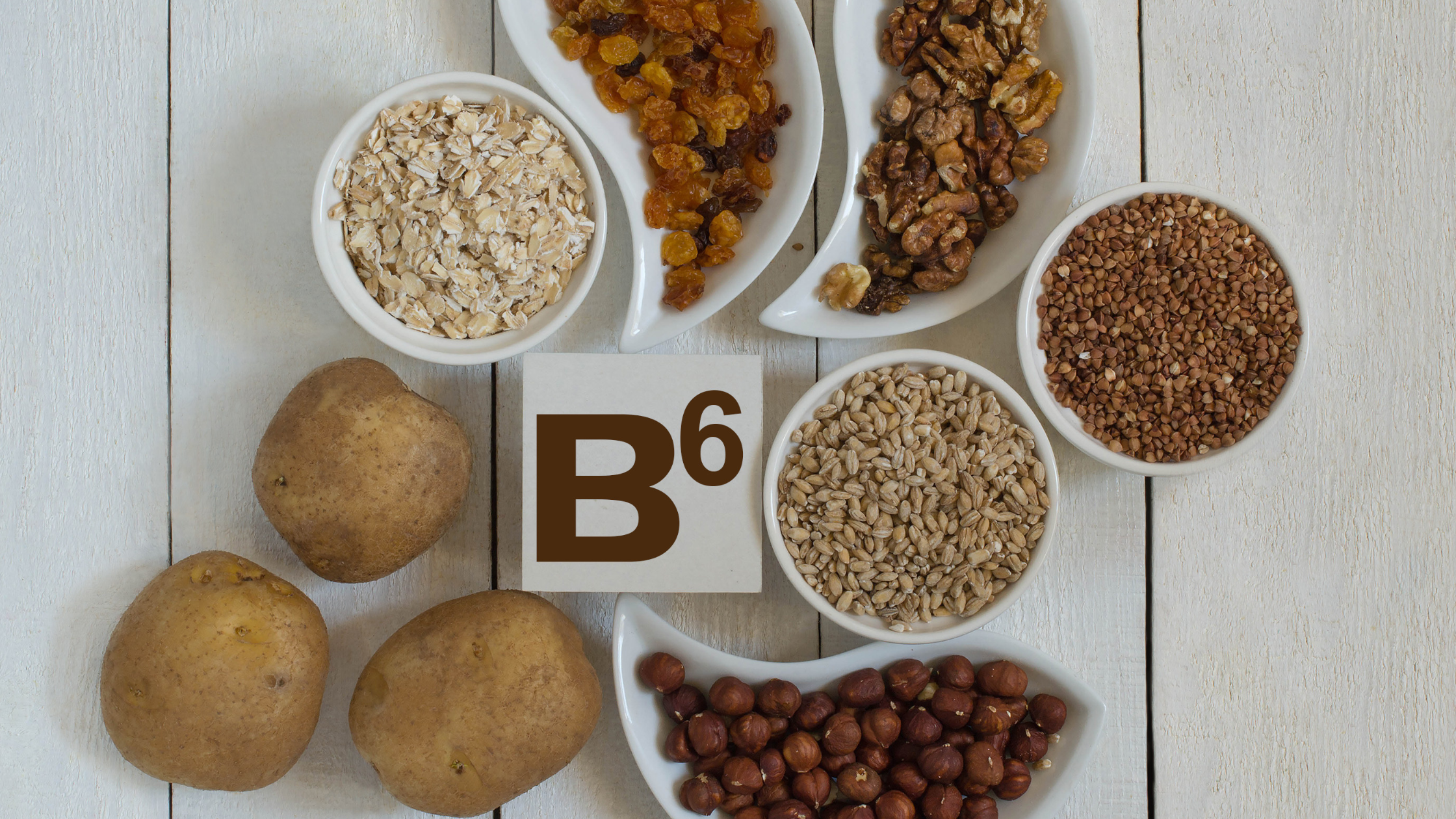
- Potatoes
Supplement Form:
At Cenario, we use Pyridoxal-5′-Phosphate (P5P), the active form of B6, for superior absorption and bioavailability—ideal for those with compromised liver function or poor conversion rates.
Why Vitamin B6 Matters for Mental Health

If you feel emotionally unstable, unmotivated, or overwhelmed, it may not just be your circumstances—it could be a missing co-factor in your brain chemistry. Vitamin B6 connects your diet to your emotional world through the synthesis of critical neurotransmitters that shape your mood and cognition.
Low levels of B6 may mean your brain can’t produce enough of the molecules it needs to stay emotionally balanced and mentally sharp.
Conclusion
Vitamin B6 is more than a nutrient—it’s a biochemical bridge between your body and your mood. As a key co-factor in neurotransmitter production, its role in mood regulation, motivation, and stress response is undeniable. Whether you’re experiencing emotional lows, mental fatigue, or simply want to support your brain’s performance, Vitamin B6 may be the missing piece.
Frequently Asked Questions
What does Vitamin B6 do for the brain?
Vitamin B6, in its active form (pyridoxal-5′-phosphate or PLP), helps synthesize key neurotransmitters like serotonin, dopamine, GABA, and norepinephrine. These chemicals regulate mood, motivation, focus, and stress response. Without adequate B6, the brain cannot produce these neurotransmitters effectively.
Can Vitamin B6 improve mood or reduce depression?
Yes. Research suggests that low levels of Vitamin B6 are associated with increased risk of depression and anxiety. A 2022 study found that high-dose B6 supplementation helped reduce anxiety by increasing calming GABA activity in the brain.
What are the symptoms of Vitamin B6 deficiency?
Symptoms may include irritability, mood swings, fatigue, brain fog, trouble sleeping, and in severe cases, numbness or tingling. Deficiency is more common in people with high stress, poor diets, alcohol use, or certain medical conditions.
How much Vitamin B6 should I take for mood support?
While the RDA for adults is around 1.3–1.7 mg/day, therapeutic doses of 25–100 mg/day are commonly used in research for mood and stress support. Always consult a healthcare provider before starting high-dose supplementation.
What is the best form of Vitamin B6?
The most effective form is Pyridoxal-5′-Phosphate (P5P), the active coenzyme form. It’s better absorbed and utilized by the body, especially in individuals with impaired liver function or poor conversion ability.
Is Vitamin B6 safe to take daily?
Yes, when taken at appropriate doses. The tolerable upper intake level for adults is 100 mg per day. Long-term use of excessively high doses (e.g., 200 mg+) may cause nerve issues. Always stick to clinically recommended dosages.
Which foods are rich in Vitamin B6?
Top sources include chickpeas, tuna, salmon, chicken, turkey, bananas, potatoes, and fortified cereals. However, people with absorption issues or high stress levels may benefit from supplemental support.