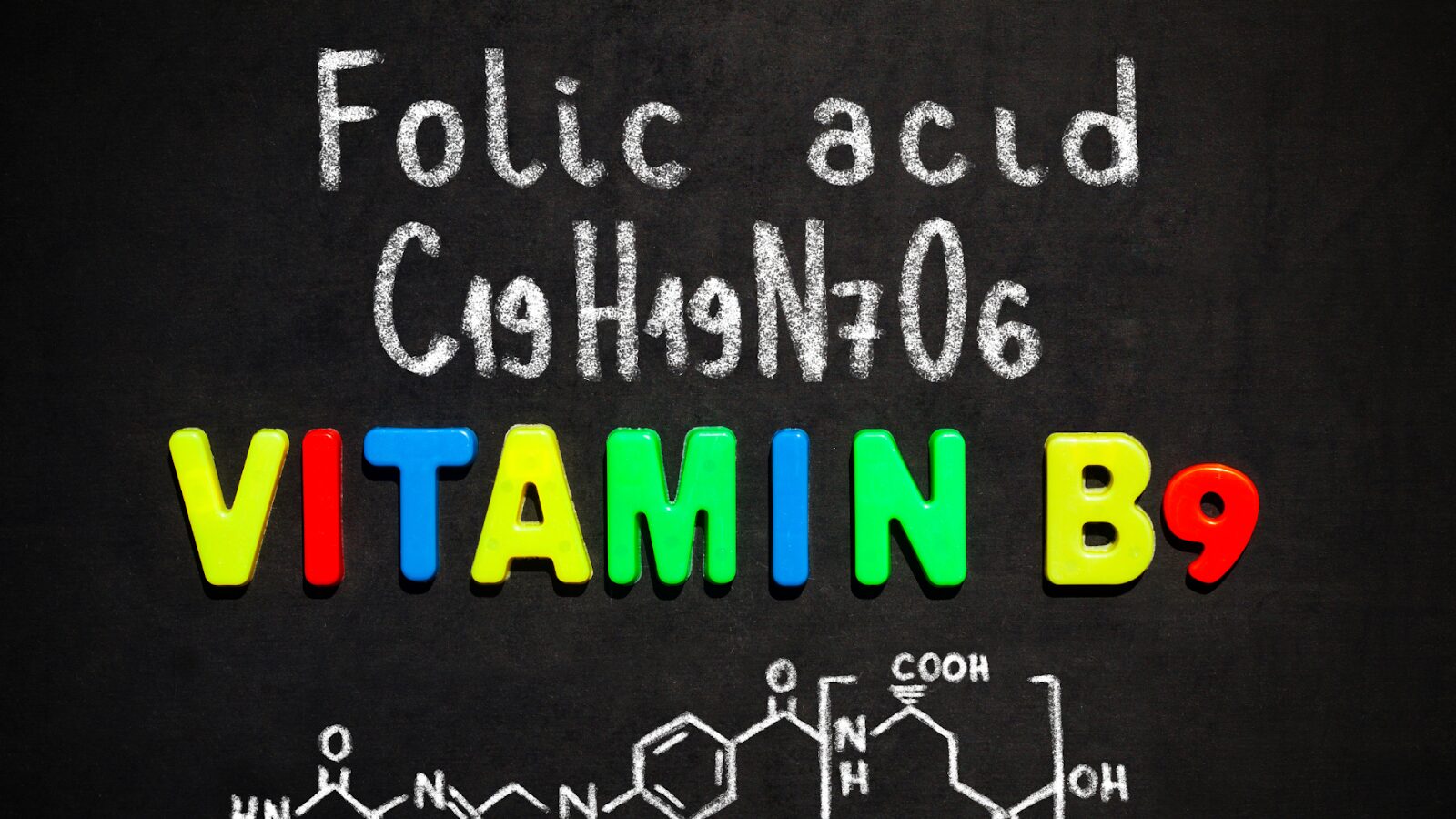

Vitamin B9—better known as folate or its synthetic form, folic acid—is often praised for its role in pregnancy and cellular health. But what many don’t realize is that folate plays a vital role in brain chemistry, emotional regulation, and mental health. From mood stability to cognitive clarity, this essential B-vitamin is a foundational piece of our neurological wellbeing. In this post, we’ll explore how folate supports your mental and emotional health, the signs of deficiency, and how to optimize your intake through diet and supplementation.
What Is Folate and How Does It Work?
Folate is a water-soluble B-vitamin (B9) that supports a range of bodily functions:
- DNA and RNA synthesis
- Methylation (a key biochemical process affecting neurotransmitter function)
- Red blood cell formation
- Homocysteine regulation (high levels are linked to depression and cognitive decline)
Once ingested, folate is converted into its active form—L-methylfolate—which is capable of crossing the blood-brain barrier and directly influencing neurotransmitter production like serotonin, dopamine, and norepinephrine.
The Connection Between Folate and Mental Health
1. Folate and Depression
Folate deficiency has been strongly associated with major depressive disorder. Research suggests that low folate levels may reduce the synthesis of serotonin, one of the key neurotransmitters involved in mood regulation.
In fact, a study from the Journal of Psychiatric Research found that individuals with depression often have significantly lower folate levels than those without the condition. Furthermore, L-methylfolate has shown promise as an adjunct therapy in treatment-resistant depression, helping patients respond better to SSRIs and other antidepressants.
2. Folate and Anxiety
Although less studied than its role in depression, folate also contributes to emotional regulation. Since it supports the production of calming neurotransmitters like GABA and serotonin, insufficient folate may heighten symptoms of anxiety, irritability, and emotional reactivity.
3. Cognitive Health and Focus
Folate helps reduce homocysteine, a neurotoxic amino acid that’s linked to cognitive decline, dementia, and brain fog. Low folate levels have also been associated with memory lapses, poor concentration, and slowed mental processing.
L-Methylfolate: The Active Form That Matters
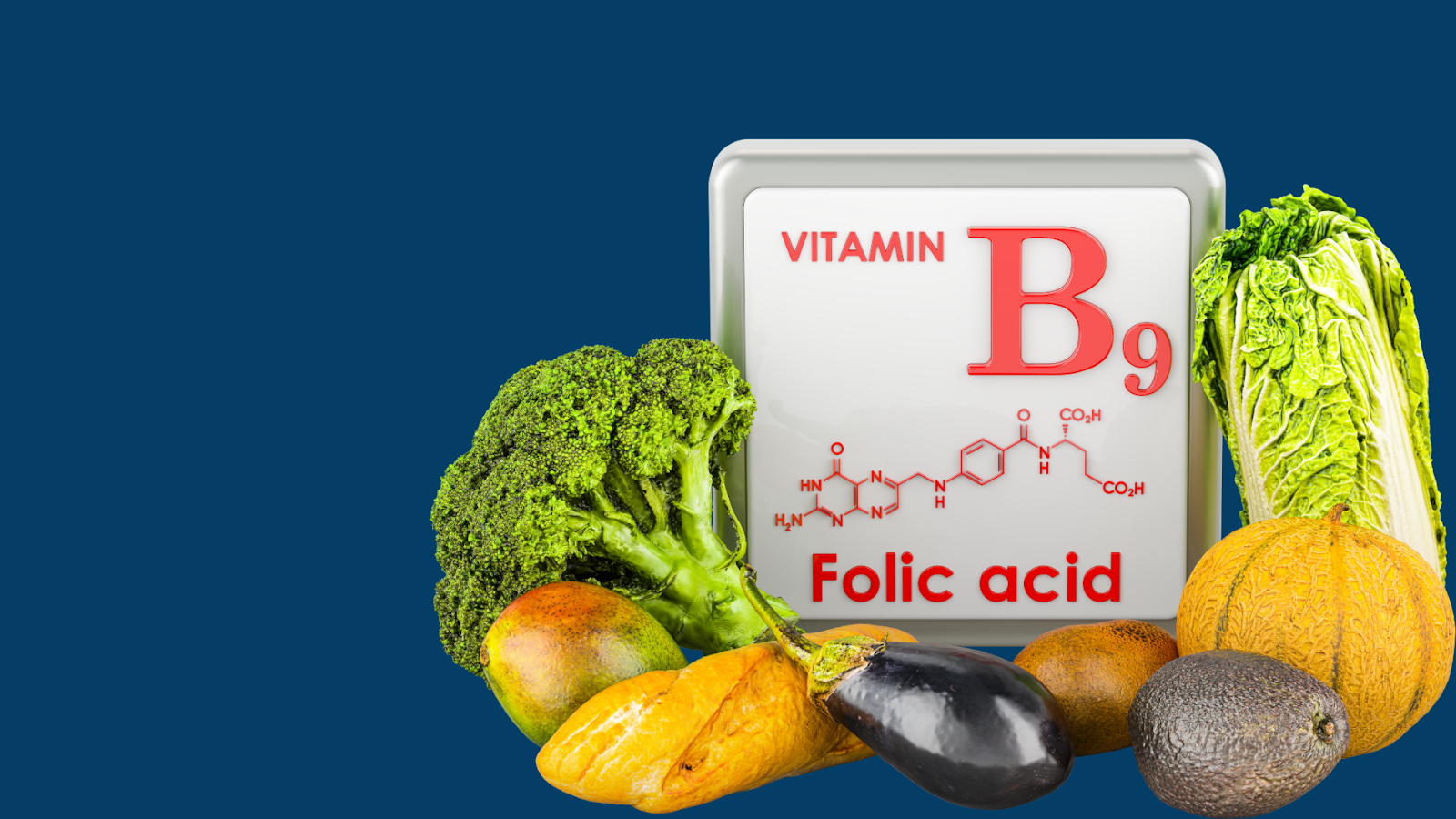
Unlike standard folic acid, L-methylfolate is already in its bioactive form and doesn’t require complex conversion steps by the body. This is especially important for the up to 60% of the population with MTHFR gene variations, who have reduced ability to convert folic acid into L-methylfolate.
Taking L-methylfolate ensures that the brain receives a form of folate it can immediately use—supporting optimal neurotransmitter synthesis and emotional balance.
A study from the American Journal of Psychiatry highlighted that 15 mg/day of L-methylfolate significantly improved mood in adults with major depressive disorder, especially those with elevated inflammatory markers or folate metabolism issues.
Signs of Folate Deficiency You Shouldn’t Ignore
Because folate plays such a central role in neurotransmitter synthesis, red blood cell production, and methylation, a deficiency can disrupt both mental and physical health in subtle but serious ways. The symptoms below are not just general fatigue or low mood—they may be early warning signs of a deeper nutritional imbalance.
Common Symptoms Include:
- Persistent fatigue
Low folate impairs red blood cell formation, leading to less oxygen being delivered throughout the body. This can result in constant tiredness or sluggishness, even after adequate sleep. - Mood swings or increased irritability
Since folate helps regulate serotonin and dopamine levels, a deficiency can lead to emotional instability, irritability, or a reduced ability to cope with everyday stressors. - Brain fog or memory issues
Folate is essential for cognitive function. Without enough of it, you may experience difficulty concentrating, forgetfulness, or slowed thinking—often described as “brain fog.” - Depression or anxiety symptoms
A lack of L-methylfolate can hinder the production of mood-related neurotransmitters like serotonin and norepinephrine. This biochemical disruption is closely linked to both depression and anxiety symptoms. - Mouth sores or tongue swelling
One of the lesser-known but very real signs of folate deficiency is oral inflammation, including painful ulcers, a swollen tongue (glossitis), or a burning sensation in the mouth. - Pale skin and shortness of breath
These symptoms often point to megaloblastic anemia, a condition in which red blood cells are enlarged and underdeveloped due to low folate. This leads to reduced oxygen-carrying capacity, making you feel breathless or look unusually pale.
When to Take Action:
If you’re experiencing any of these symptoms—especially in combination with a poor diet, chronic stress, or digestive issues (like IBS or celiac disease)—it’s worth checking your folate levels through a blood test. Early detection can prevent long-term mental health complications and help you restore emotional and cognitive balance more quickly.
How to Get Enough Folate
Top Folate-Rich Foods:
- Dark leafy greens (spinach, kale, romaine)
- Legumes (lentils, chickpeas, black beans)
- Asparagus and Brussels sprouts
- Avocados
- Eggs
- Liver
While food sources are ideal, supplementation may be necessary for those with absorption issues, chronic stress, digestive conditions, or MTHFR mutations.
Recommended Supplementation:
For mental health support, L-methylfolate doses typically range from 1 mg to 15 mg per day, depending on individual needs. Always consult your healthcare provider before starting supplementation—especially if you’re on antidepressants or medications affecting folate metabolism.
Final Thoughts
Folate is more than a prenatal nutrient—it’s a cornerstone of mental and emotional health. Whether you’re facing mood instability, brain fog, or persistent low energy, optimizing your folate intake—especially in its active L-methylfolate form—may be a game-changer for your mental wellbeing.
Frequently Asked Questions
What is the difference between folate and folic acid?
Folate is the natural form of vitamin B9 found in foods like leafy greens, legumes, and liver. Folic acid is the synthetic form used in supplements and fortified foods. However, folic acid must be converted by the body into L-methylfolate, the active form that crosses the blood-brain barrier. Some people with MTHFR gene variants cannot efficiently make this conversion, making L-methylfolate supplements a more effective option.
How does folate help with depression and anxiety?
Folate supports the production of neurotransmitters like serotonin, dopamine, and norepinephrine, which regulate mood and emotional response. Low folate levels can impair these pathways, increasing the risk of depression, emotional instability, and anxiety. Supplementing with L-methylfolate has been shown to enhance antidepressant effects in treatment-resistant depression.
Can I get enough folate from food alone?
Many people can meet their daily folate needs through a diet rich in leafy greens, legumes, eggs, and whole grains. However, factors like chronic stress, gut issues, alcohol use, or genetic mutations (MTHFR) can impair absorption or conversion, making supplementation necessary in some cases—especially for those with mental health symptoms.
How much folate should I take for mental health?
For general health, the recommended daily intake is around 400 mcg of dietary folate equivalents (DFE). For mood support or under medical guidance, L-methylfolate doses may range from 1 mg to 15 mg daily. Always consult a healthcare provider before starting high-dose supplements, especially if you’re on medication.
Is L-methylfolate safe to take with antidepressants?
Yes, L-methylfolate is often prescribed alongside antidepressants to enhance their effectiveness, particularly in individuals who don’t fully respond to SSRIs or SNRIs alone. Studies have shown that adding 15 mg/day of L-methylfolate may significantly improve mood outcomes in such cases. Still, it’s essential to coordinate this with your doctor.