
What if a simple vitamin could hold the key to better mental health? While Vitamin D is often celebrated for its role in bone health and immune function, science is uncovering its powerful influence on the brain. As mental health challenges like depression, anxiety, and fatigue become more widespread, understanding the connection between Vitamin D and mental health is more crucial than ever. In this article, we’ll break down the science, symptoms of deficiency, and how to take action naturally.
What Is Vitamin D and Why Does It Matter?
Vitamin D is a fat-soluble vitamin that your body produces when exposed to sunlight. It also occurs naturally in some foods and is available as a dietary supplements. But unlike most vitamins, Vitamin D behaves more like a hormone, regulating crucial functions in the body—including those that affect the brain.
Key Functions of Vitamin D:
- Supports calcium absorption and bone health
- Modulates the immune system
- Plays a role in neurotransmitter synthesis (e.g., dopamine and serotonin)
- Reduces inflammation in the brain and body
The Link Between Vitamin D and Mental Health
Emerging research shows a clear correlation between Vitamin D levels and mental well-being. Low levels of this nutrient are increasingly associated with:
- Depression
- Anxiety
- Cognitive decline
- Seasonal Affective Disorder (SAD)
- Sleep disturbances
Let’s explore each in more detail.
Vitamin D and Depression
Several large-scale studies have found that individuals with low Vitamin Dlevels are more likely to experience symptoms of depression. One meta-analysis published in The British Journal of Psychiatry concluded that people with the lowest Vitamin D levels had a significantly increased risk of depression.
Why it matters:
Vitamin D receptors are found in areas of the brain involved in mood regulation. It also influences the production of serotonin a neurotransmitter often referred to as the “feel-good hormone.”
Vitamin D and Anxiety
Though less extensively studied than depression, anxiety disorders have also been linked to Vitamin D deficiency. Low levels may exacerbate stress responses and heighten the nervous system’s sensitivity to perceived threats.
Key insight:
Vitamin D’s anti-inflammatory effects may help calm the brain and reduce the biological mechanisms behind anxiety.
Cognitive Function and Brain Fog
Low Vitamin D levels are correlated with impaired cognitive performance, including issues with memory, focus, and decision-making. This is especially true in older adults, but even younger individuals report brain fog as a common symptom of deficiency.
Seasonal Affective Disorder (SAD)
SAD is a type of depression that follows a seasonal pattern, typically worsening in the fall and winter when sunlight exposure drops. Not surprisingly, Vitamin D levels also plummet during these months.
Evidence suggests that supplementation may help reduce SAD symptoms, making it an important seasonal consideration.
Signs You Might Have a Vitamin D Deficiency
Could your low mood or anxiety be linked to insufficient Vitamin D? Here are common signs to watch for:
- Fatigue or low energy
- Muscle weakness
- Bone or joint pain
- Frequent illness or infections
- Depressed mood or irritability
- Trouble sleeping
- Brain fog or difficulty concentrating
If you experience any of these, consider asking your doctor for a blood test. The optimal range for mental health support tends to be between 50–80 nmol/L.
How to Get More Vitamin D
Boosting your Vitamin D levels can be straightforward. Here’s how:
1. Sunlight Exposure
- Aim for 10–30 minutes of midday sun a few times a week.
- The lighter your skin, the less time you need—but sunscreen and latitude affect synthesis.
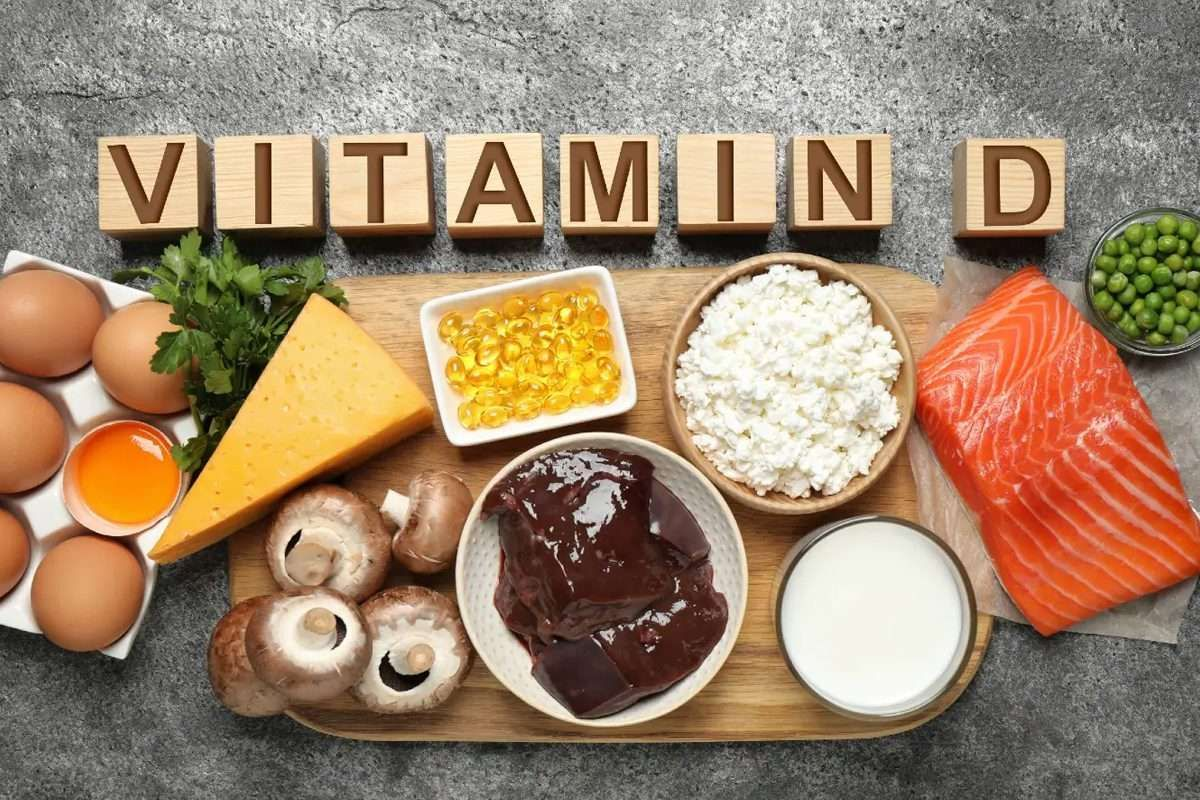
2. Vitamin D-Rich Foods
Include the following in your diet:
- Fatty fish (salmon, sardines, mackerel)
- Egg yolks
- Beef liver
- Fortified foods (e.g., plant-based milks, cereals)
3. Supplementation
Supplements can help ensure you reach optimal levels, especially if you live in a region with limited sunlight.
We recommend science-backed Vitamin D supplements that meet your body’s needs without exceeding safe thresholds.
Explore your personalized formula with Vitamin D included —Take the quiz now
How Much Vitamin D Do You Really Need?

- General guidelines: 600–800 IU per day
- Optimal for mental health: 1,000–2,000 IU per day, depending on your levels and risk factors
Always consult with a healthcare professional before beginning high-dose supplementation.
The Science Behind the Connection
- A 2020 review in Nutrients found strong links between low Vitamin D levels and depression across all age groups.
- Studies in The Journal of Affective Disorders show that correcting deficiency improves mood scores in individuals with mild-to-moderate depression.
- Vitamin D modulates inflammation and oxidative stress, both of which are elevated in people with mental health disorders.
Who’s Most at Risk?
Certain groups are more likely to be deficient in Vitamin D, including:
- People with darker skin (higher melanin reduces synthesis)
- Older adults
- Individuals with limited sun exposure
- People with gut or liver issues
- Vegans and vegetarians
If you fall into one or more of these categories, supplementation may be especially important for your mental well-being.
Don’t Overlook This Simple Yet Powerful Nutrient
The connection between Vitamin D and mental health is too important to ignore. Whether you struggle with low mood, anxiety, brain fog, or fatigue, addressing a potential deficiency could make a significant difference in how you feel.
By combining Vitamin D with other targeted nutrients through a customized supplement plan, you’re not just treating symptoms, you’re supporting the root cause.
Ready to Feel Better?
Take our free assessment to discover if Vitamin D is part of your unique solution.
Start your personalized plan now
Frequently Asked Questions
Can low Vitamin D cause depression or anxiety?
Yes. Research links low Vitamin D levels with increased risk of depression and anxiety. It may affect serotonin and dopamine levels in the brain, both of which regulate mood.
How much Vitamin D should I take for mental health?
While general recommendations are 600–800 IU daily, many experts suggest 1,000–2,000 IU for optimal brain health especially if you’re deficient. Blood tests are recommended to tailor your dosage.
Can Vitamin D help with brain fog and fatigue?
Yes. Many people report improved mental clarity and energy after restoring their Vitamin D levels. It supports brain function and reduces inflammation, which may help reduce symptoms like brain fog.
Who is most at risk for Vitamin D deficiency?
People with limited sun exposure, darker skin, digestive issues, or who live in northern climates are more likely to be deficient.
Is it safe to take Vitamin D every day?
Yes, within the safe upper intake levels. Avoid exceeding 4,000 IU daily unless directed by a healthcare provider. It’s best to monitor levels via blood test.