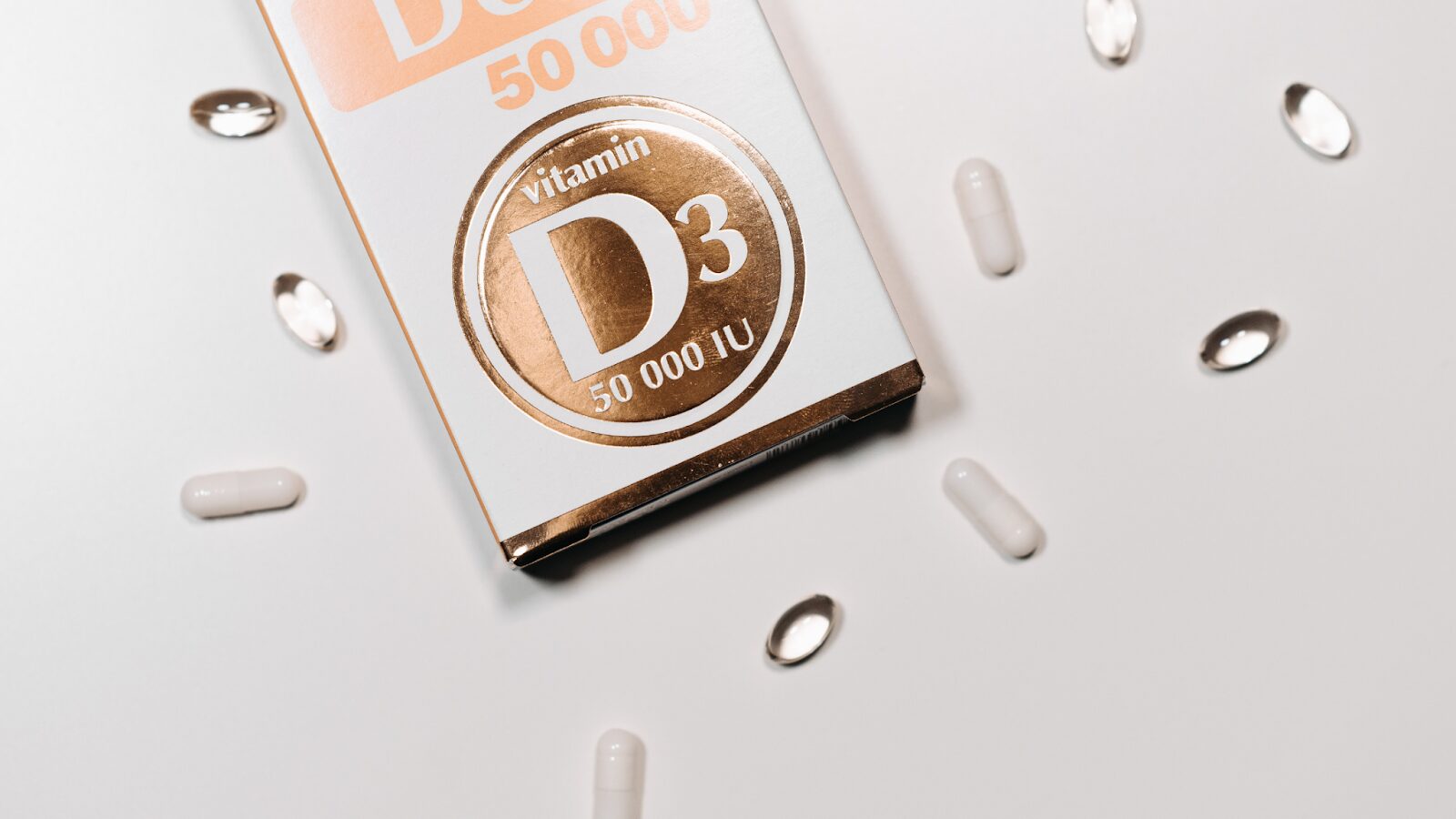

Could the key to improving your mood be as simple as getting more sunlight? Vitamin D3, often dubbed “the sunshine vitamin,” is gaining attention not just for its role in bone health—but for its critical link to mental well-being, particularly depression. As more people spend time indoors and face chronic stress, vitamin D3 deficiency is quietly becoming a global issue. But how does this nutrient influence mood, and can supplementing with D3 help manage depressive symptoms? Let’s explore the science.
What Is Vitamin D3?
Vitamin D3 (cholecalciferol) is a fat-soluble vitamin that your skin synthesizes when exposed to sunlight. Unlike most vitamins, D3 acts more like a hormone once it’s converted in the body, influencing thousands of genes, including those related to brain function and mood regulation.
While vitamin D2 (ergocalciferol) also exists, D3 is the more potent and bioavailable form—meaning it’s the preferred version for supplementation and mental health support.
Scientific Evidence: What Do Studies Say?
- A 2013 meta-analysis (Anglin et al., BMC Psychiatry) analyzed 14 studies involving over 31,000 participants and found that low serum levels of vitamin D were significantly associated with increased risk of depression. The authors emphasized the need for clinical trials to confirm causality, but the correlation was consistent across diverse populations.
- A 2018 randomized controlled trial (Sajjadi et al., Journal of Affective Disorders) tested the effects of 50,000 IU of vitamin D3 weekly for 8 weeks in individuals with major depressive disorder. Results showed a notable reduction in depression severity scores compared to placebo, suggesting therapeutic potential in clinical populations.
- A 2020 review in Nutrients (Liu et al.) evaluated numerous observational and interventional studies and concluded that vitamin D deficiency is closely associated with a higher risk of depression. The review also suggested that supplementation may be an effective and affordable adjunct strategy for mood improvement, particularly in deficient individuals.
How Much Vitamin D3 Do You Need?
Daily needs vary depending on age, location, sun exposure, and individual health conditions. However, for mental health benefits, many studies use doses ranging from:
- 1,000 to 5,000 IU per day
- Some clinical protocols go higher (up to 10,000 IU) short-term under medical supervision
Blood testing is the most reliable way to assess your needs. Optimal levels for mental well-being tend to fall between 30–50 ng/mL (75–125 nmol/L).
Risk Factors for Vitamin D Deficiency
Vitamin D3 deficiency is increasingly common, and many people are unaware they’re at risk until symptoms like fatigue, low mood, or weakened immunity begin to surface. Understanding the factors that contribute to low levels can help you take proactive steps toward better mental and physical health.
You may be at higher risk of deficiency if you:
Spend Little Time Outdoors
Vitamin D3 is synthesized in the skin through direct sunlight exposure. If you work indoors, spend long hours inside, or avoid the sun due to lifestyle or health concerns, your body may not produce enough D3 naturally.
Live in Northern Latitudes or Areas With Long Winters
Regions far from the equator receive less UVB radiation—especially during autumn and winter. People living in places with dark, cold seasons often experience seasonal drops in vitamin D levels, which may contribute to seasonal affective disorder (SAD) or winter depression.
Have Darker Skin
Melanin, the pigment responsible for darker skin tones, acts as a natural sunscreen. While protective, it also reduces the skin’s ability to produce vitamin D3 from sunlight. This means individuals with darker complexions often need longer sun exposure or supplementation to maintain healthy levels.
Use Sunscreen Frequently
While sunscreen is important for protecting against skin cancer, it can also block the UVB rays needed for vitamin D synthesis. Wearing SPF 30, for example, may reduce the skin’s production of vitamin D by up to 95–98%. This can lead to insufficient levels over time, especially in people already at risk.
Are Overweight or Obese
Vitamin D is fat-soluble, meaning it’s stored in fat tissue. In individuals with higher body fat, more vitamin D is sequestered in fat cells and is less available to circulate in the bloodstream. This can lead to functional deficiency even if dietary intake is adequate.
Have Gastrointestinal or Absorptive Disorders
Certain health conditions—such as irritable bowel syndrome (IBS), celiac disease, Crohn’s disease, or bariatric surgery—can impair the body’s ability to absorb fat-soluble vitamins, including vitamin D. People with these conditions may require higher supplemental doses to achieve optimal levels.
Are Older Adults
As we age, our skin becomes less efficient at synthesizing vitamin D3, and kidneys may not convert it to its active form as effectively. Older adults also tend to spend less time in the sun, further compounding the risk.
Follow a Strict Vegan or Plant-Based Diet
Vitamin D3 is found primarily in animal-based foods such as fatty fish, egg yolks, and liver. Plant-based eaters may rely solely on fortified foods or sunlight unless they supplement with vegan-friendly D3 derived from lichen.
Should You Take a Supplement?
Supplementation is a safe and effective strategy, especially during darker months or for those with limited sun exposure. Look for:
- Vitamin D3 (cholecalciferol) rather than D2
- Oil-based softgels or liquid drops for better absorption
- Formulas that include vitamin K2 (which may enhance calcium regulation and cardiovascular safety)
Supporting Your Mood Naturally

Vitamin D3 works best as part of a holistic approach. To further support your mental well-being, consider:
- Spending 15–30 minutes outside daily
- Practicing regular movement or exercise
- Exploring other nutrients that support mood, such as omega-3s, magnesium, and B-vitamins
- Taking our personalized mental health quiz to find the right supplement blend for your unique needs
Conclusion: The Sunshine Vitamin for Mental Clarity
Vitamin D3 is more than a bone-health booster—it’s a foundational player in mental health. Low levels can quietly sap your energy, mood, and motivation, making life feel heavier than it needs to be. If you’re struggling with low mood or depression, evaluating your vitamin D status is a simple but often overlooked step toward recovery.
Frequently Asked Questions
Can vitamin D3 alone cure depression?
No. While it can support mood regulation, it should be seen as part of a comprehensive approach including therapy, nutrition, and lifestyle changes.
Is there a best time of day to take vitamin D3?
It’s best taken with a fat-containing meal, typically earlier in the day, as it may affect sleep when taken late.
How long does it take to feel a difference?
Some people notice improvements within a few weeks, while others may take 2–3 months to feel a significant change.
Can I get enough vitamin D3 from sunlight alone?
It depends on location, skin tone, and exposure time. Many people still require supplementation, especially during winter.
.