
Ketamine therapy is emerging as a groundbreaking option for people who have not found relief from standard treatments. Originally developed as an anesthetic, ketamine has undergone a major shift in medical use. Today, what is ketamine therapy means more than one drug repurposed. It describes a fast-acting approach that can change symptoms in hours to days rather than weeks.
Why Ketamine Therapy Matters
The need for new approaches is clear. Many people with treatment-resistant depression, chronic pain, or severe anxiety do not improve with typical antidepressants or pain regimes. That gap has driven interest in ketamine therapy as an alternative path. Clinicians and patients are paying attention because it can provide quick relief when time is critical, such as cases of intense suicidal ideation or sudden mood collapse.
Beyond speed, ketamine therapy matters because it represents a different way of thinking about mental health care. It is not meant to replace all existing treatments. Instead, it offers another option for individuals who have tried standard care without success. As awareness grows, more clinics and hospitals are evaluating how to offer this treatment safely and responsibly.

Purpose Of This Post
This article is the first of a multi-part guide designed to answer the central question: what is ketamine therapy and why might it help you or someone you love? In later sections we will cover how ketamine therapy works, the conditions it is used to treat, what a typical course of care looks like, and common side effects and safety considerations. For now, the goal is to set the stage and explain why this treatment has become a major topic in modern psychiatry and pain medicine.
If you are searching for what is ketamine therapy because traditional options have failed, this series will aim to give clear, practical information. We will walk through the basics, outline what patients can expect, and highlight key questions to ask a clinician. The next part will move from context into more detailed, evidence-based information about how ketamine therapy is used in practice.
What is ketamine therapy: definition and mechanism
In clinical practice, what is ketamine therapy means using low, controlled doses of ketamine or esketamine to produce rapid changes in mood, pain, or trauma-related symptoms. Unlike standard oral antidepressants, ketamine acts on glutamate systems. It blocks NMDA receptors on inhibitory neurons, which leads to a temporary increase in glutamate release. That glutamate then activates AMPA receptors and downstream pathways such as BDNF and mTOR, which help form new synaptic connections. These changes can restore circuit function that has been impaired by chronic stress or pain.
How it is given and typical protocols
Providers use several routes depending on the condition and setting:
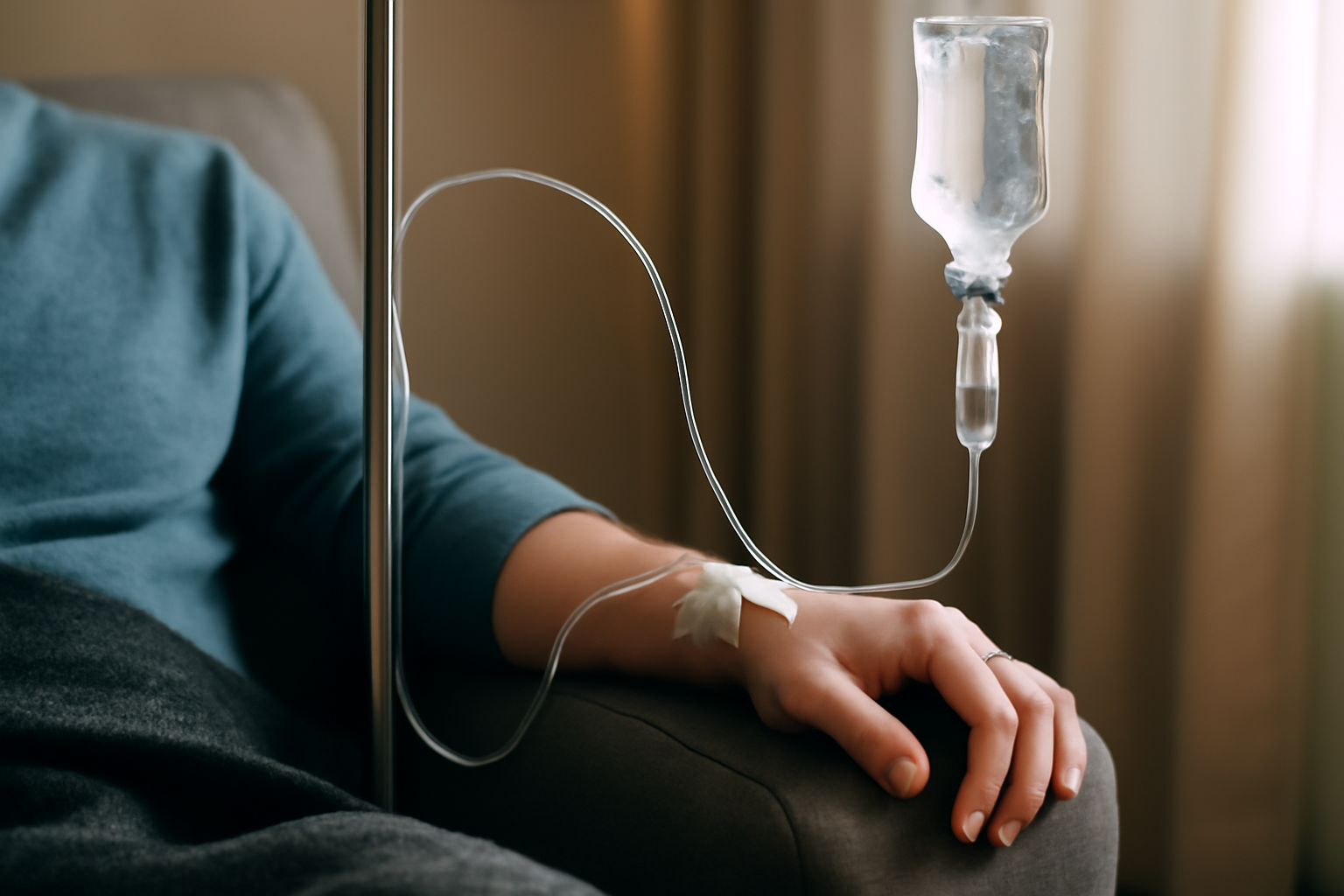
- Intravenous infusion. Common for depression research: a single 0.5 mg per kg infusion delivered over 40 minutes. Clinics may use tailored regimens for maintenance.
- Intranasal esketamine. FDA-approved for treatment-resistant depression and short-term management of acute suicidal ideation in adults when combined with an oral antidepressant. Dosing often starts at 56 mg or 84 mg per session under supervision.
- Other routes. Intramuscular, subcutaneous, sublingual, and oral formulations are used in some programs, though bioavailability and onset differ.
Treatment usually involves an initial series of sessions spaced over days to weeks, then a maintenance plan. Effects often appear within hours to days and can last days to several weeks. Many clinics pair medication sessions with therapy to extend benefits.
Conditions treated and the evidence
Ketamine therapy is most often used for:
- Treatment-resistant depression. Esketamine has regulatory approval and multiple trials show fast symptom reduction compared with placebo.
- Suicidal ideation. Studies report rapid decreases in acute suicidal thoughts within 24 hours for some patients.
- Post-traumatic stress disorder and anxiety. Clinical trials indicate substantial symptom reductions in many participants, with reported responder rates varying across studies.
- Chronic pain syndromes such as complex regional pain syndrome and certain neuropathic pain conditions. Low-dose ketamine can lower pain and reduce opioid reliance for some patients.
Reported response rates vary by diagnosis and protocol. Some trials show symptom reductions in the range of about 44 to 80 percent for PTSD and related conditions, while depression studies report rapid but sometimes transient improvements for many patients.
Safety, side effects, and monitoring
When administered in a medical setting, ketamine therapy has an established safety profile, but it is not risk free. Common short-term effects include:
- Dissociation or altered perception during and shortly after dosing
- Nausea or mild vomiting
- Transient increases in blood pressure and heart rate
- Headache or dizziness
Clinics monitor vital signs during sessions and observe patients until effects decline, typically one to two hours for many protocols. Ketamine is avoided or used with caution in people with uncontrolled hypertension, certain cardiovascular disease, or a history of psychosis. There is also a potential for misuse, so medical oversight and controlled scheduling are important.
Long-term considerations and ongoing research
Longer-term data remain limited. Researchers are studying maintenance schedules, optimal combinations with psychotherapy or oral antidepressants, and mechanisms that support durable recovery. Trials are also exploring ketamine therapy for bipolar depression, obsessive-compulsive disorder, migraines, and palliative care. That research aims to clarify who benefits most, how to reduce relapse risk, and how to minimize adverse effects over time.
Practical questions to ask a clinician
- What route and dosing plan do you recommend and why?
- How will you monitor blood pressure, mental status, and side effects?
- What are the goals for treatment and how will success be measured?
- How will medication sessions be paired with therapy or other supports?
Understanding these details helps patients make informed decisions about whether ketamine therapy fits their needs and medical profile.
Long-Term Outlook And Ongoing Research
As clinics and research centers collect more data, the long-term picture for ketamine therapy is becoming clearer but still incomplete. Many patients report meaningful relief after an initial treatment series, yet sustaining those gains often requires a plan that includes maintenance sessions, medication management, or psychotherapy. Researchers are testing different maintenance schedules, biomarkers that might predict response, and combined approaches that aim to make benefits last longer.
Emerging Research Areas
- Durability Studies: Trials are examining how often maintenance infusions or dosing are needed to prevent relapse.
- Combination Therapies: Investigators are testing ketamine with cognitive behavioral therapy and other psychotherapies to extend response.
- New Indications: Ongoing studies explore ketamine therapy for eating disorders, refractory migraines, and symptom relief in palliative care.
- Biomarkers and Personalized Care: Researchers seek blood or imaging markers that predict who will benefit most.
Comparing Ketamine Therapy With Traditional Treatments
| Treatment | Typical Onset | Typical Duration | Notes |
|---|---|---|---|
| Ketamine Therapy (IV or intranasal) | Hours to days | Days to weeks; maintenance often required | Rapid relief, useful for acute suicidal ideation; supervised setting |
| Oral Antidepressants (SSRIs, SNRIs) | Weeks (4 to 8) | Ongoing with daily dosing | Well studied for long-term management; slower onset |
| Transcranial Magnetic Stimulation (TMS) | Days to weeks | Weeks to months; booster sessions possible | Noninvasive brain stimulation; option when medications fail |
Patient Experiences And Case Notes
Real-world experiences help illustrate how ketamine therapy fits into care. Below are anonymized summaries drawn from clinic reports.
- Case 1 A 35-year-old with treatment-resistant depression reported noticeable mood lift within 48 hours after two IV sessions. Maintenance infusions every 3 to 4 weeks plus weekly therapy helped sustain gains for six months.
- Case 2 A 57-year-old with chronic neuropathic pain saw pain scores drop by half after a low-dose infusion series. Opioid dosage was reduced under medical supervision over three months.
- Case 3 A 28-year-old with severe PTSD experienced decreased flashbacks after intranasal sessions and continued progress when ketamine was combined with trauma-focused therapy.
What To Expect Over Time
Expect variability. Some people need periodic booster sessions. Others transition to oral medications or therapy after an initial response. Regular follow-up is essential to monitor blood pressure, mental state, and functional improvement. Discuss goals with your clinician, including what measure will define success and when to consider alternate strategies.
Deciding whether to pursue ketamine therapy involves weighing short-term benefits against unknowns about long-term outcomes. If you are asking what is ketamine therapy for your situation, bring your medical history, current medications, and treatment goals to a specialist for a careful review.
Final Thoughts
Ketamine therapy offers a rapid option for people who have not responded to standard care, but it is not a one-size-fits-all solution. Ongoing research aims to improve durability and refine who will benefit most. If you are considering what is ketamine therapy, consult a licensed provider to discuss risks, expected benefits, and a follow-up plan tailored to your needs. A thoughtful evaluation will help you make a decision that fits your health profile and recovery goals.
Frequently asked questions
How long do the effects of ketamine therapy typically last?
Effects vary, but many people notice improvement within hours to days. The duration of benefit after a treatment series can be days to weeks, so understanding what is ketamine therapy in terms of maintenance and follow-up is important.
Will I develop tolerance or addiction from ketamine therapy?
Tolerance and misuse are potential concerns with repeated use. When delivered in a controlled medical setting, what is ketamine therapy emphasizes supervised dosing and monitoring to minimize risk of dependence.
Can ketamine therapy be combined with psychotherapy or other treatments?
Yes. Pairing ketamine therapy with psychotherapy or standard antidepressants is common to enhance and prolong benefits. Discuss options with your clinician to create a coordinated care plan that reflects your goals.
Frequently Asked Questions
How long do the effects of ketamine therapy typically last?
Effects vary, but many people notice improvement within hours to days. The duration of benefit after a treatment series can be days to weeks, so understanding what is ketamine therapy in terms of maintenance and follow-up is important.
Will I develop tolerance or addiction from ketamine therapy?
Tolerance and misuse are potential concerns with repeated use. When delivered in a controlled medical setting, what is ketamine therapy emphasizes supervised dosing and monitoring to minimize risk of dependence.
Can ketamine therapy be combined with psychotherapy or other treatments?
Yes. Pairing ketamine therapy with psychotherapy or standard antidepressants is common to enhance and prolong benefits. Discuss options with your clinician to create a coordinated care plan that reflects your goals.