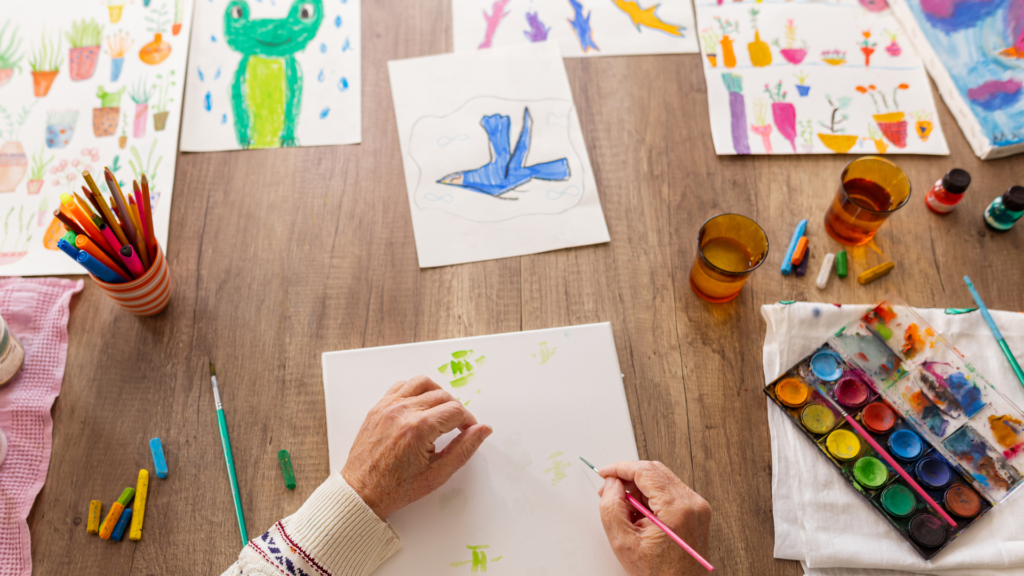

In today’s fast-paced and often overwhelming world, the search for effective and compassionate approaches to support mental health and emotional well-being has never been more important. One such approach that has grown in popularity and recognition is art therapy, a profession that enriches the emotional, psychological, and social lives of individuals, families, and communities through creativity and connection.
But what exactly is art therapy, and how does it work? Let’s take a deep dive into this powerful therapeutic practice that blends active art making, the creative process, and applied psychological theory to support healing, self-expression, and personal growth.
Understanding Art Therapy: More Than Just Making Art
At its core, art therapy is a form of psychotherapy that uses art making as a central mode of communication and healing. It’s not just about painting or drawing, it’s about using the creative process applied psychological theory to explore thoughts, emotions, and experiences that might be difficult to articulate with words.
Key Components of Art Therapy:
- Active art making: Engaging in creative work such as drawing, painting, sculpture, collage, or digital art.
- The creative process: Using the process of creating art to reflect, explore, and understand oneself.
- Psychological theory and human development: Grounding the practice in theories of psychology, such as cognitive-behavioral, psychodynamic, and humanistic approaches.
- Therapeutic relationship: Working with a trained art therapist who facilitates a safe and supportive space.
Art therapy can be both directive (guided with specific prompts or goals) or non-directive (more open-ended and client-led), depending on the needs of the individual.
What Does an Art Therapist Do?
A certified art therapist is a mental health professional who has been trained in both psychology and the visual arts. They are skilled in understanding how different artistic mediums can be used to express, process, and resolve emotional conflicts or trauma.
The Role of the Art Therapist Includes:
- Designing individualized or group art therapy sessions
- Applying appropriate psychological theory to interpret symbolic expression
- Facilitating the creative process applied to therapeutic goals
- Helping clients reflect on their art to discover insights and emotions
- Supporting individuals through non-verbal and verbal expression
Art therapists work with individuals, families, and communities in a wide range of settings, including hospitals, schools, private practices, rehabilitation centers, correctional facilities, nursing homes, and community outreach programs.
How Art Therapy Works: The Process
The foundation of art therapy lies in the creative process applied psychological theory — the idea that creating art can help people resolve inner conflicts, develop interpersonal skills, reduce stress, and increase self-esteem and self-awareness.
Typical Steps in an Art Therapy Session:
1. Assessment: The art therapist gets to know the client’s background, emotional state, and therapeutic goals.
2. Art making: The client engages in an art activity, which may be structured or open-ended.
3. Reflection and discussion: The client and therapist explore the meaning behind the artwork and how it connects to thoughts, emotions, or experiences.
4. Integration: The insights gained through art are used to support personal growth, healing, or behavioral change.
Importantly, clients do not need to have any artistic talent. The focus is not on the quality of the artwork but on the emotional and psychological expression behind it.
Who Can Benefit from Art Therapy?
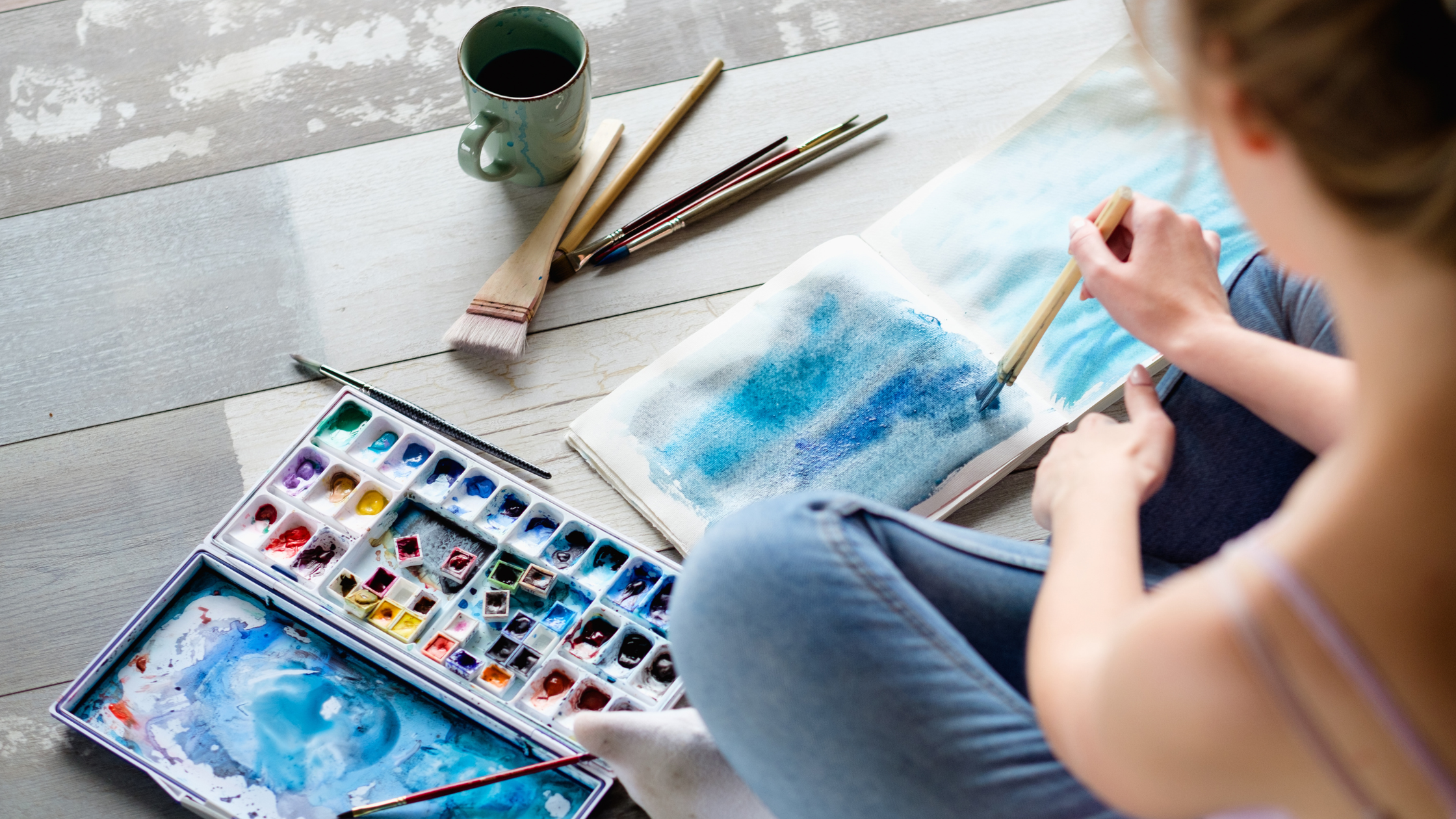
One of the strengths of art therapy is its adaptability to different populations, making it a versatile tool for addressing a variety of psychological, emotional, and developmental challenges. It is especially effective for those who may struggle with traditional talk therapy.
Art Therapy Can Support:
- Children and teens dealing with trauma, bullying, or behavioral issues
- Individuals with autism spectrum disorder, helping them with emotional regulation and communication
- Survivors of trauma including abuse, war, or natural disasters
- People coping with grief, loss, depression, and anxiety
- Individuals with chronic illness or disabilities
- Veterans and active-duty military personnel dealing with PTSD
- Older adults facing memory loss, isolation, or dementia
In all these cases, art therapy enriches the lives of participants by offering a powerful and often safer alternative to verbal expression.
Benefits of Art Therapy in Mental Health Treatment
As a recognized form of mental health treatment, art therapy offers a wide range of therapeutic benefits. These include both emotional and neurological improvements through engaging both hemispheres of the brain.
Psychological and Emotional Benefits:
- Reduces symptoms of depression and anxiety
- Increases emotional resilience and self-confidence
- Encourages self-discovery and reflection
- Helps process unresolved trauma
- Strengthens interpersonal relationships
Cognitive and Developmental Benefits:
- Enhances focus and problem-solving skills
- Improves memory and cognitive function (especially in older adults)
- Supports sensory integration in clients with autism spectrum disorder
- Promotes communication in non-verbal individuals
Social and Community Impact:
- Strengthens communities through active art engagement
- Creates opportunities for group expression and support
- Builds a sense of identity and belonging, especially after shared trauma
In addition, art therapy often brings people together and fosters empathy, collaboration, and healing in group or community settings.
Art Therapy in Different Settings
The practice of art therapy extends beyond individual counseling and is widely used in various therapeutic and educational environments.
Examples of Art Therapy in Action:
- Schools: Helping children manage behavioral issues or learning difficulties.
- Hospitals: Supporting cancer patients or those with chronic illness through emotional expression.
- Rehabilitation centers: Assisting clients with addiction recovery through self-reflection and motivation.
- Community centers: Promoting healing and dialogue after natural disasters or social unrest.
- Geriatric care: Using memory-based art activities to improve cognitive function in older adults.
By integrating art therapy sessions into different settings, therapists can reach diverse populations and make a lasting impact on their well-being.
.png)
Is Art Therapy Right for You?
You might consider art therapy if you:
- Find it hard to express emotions through words
- Feel stuck or disconnected in traditional therapy
- Want a more creative and holistic approach to healing
- Are looking for new ways to manage stress or trauma
- Are interested in self-discovery and personal development
Whether you’re an adult dealing with stress, a teen struggling with anxiety, or a parent of a child with autism spectrum disorder, art therapy can offer a meaningful, transformative experience.
Final Thoughts
Art therapy is a powerful and meaningful way to support mental and emotional health. It combines creativity, psychological theory, and human development to help people heal, grow, and understand themselves better.
This approach doesn’t just help individuals. It also enriches families and communities by encouraging connection, expression, and shared healing through art.
When you work with a trained art therapist, you get a safe space to explore your emotions, tell your story, and discover new ways to cope with life’s challenges. No matter your age or background, art therapy can help you begin a journey toward healing.
In times when words aren’t enough, art can speak for us. It can show our pain, our hope, and our strength, through color, shape, and form.
If you’re ready to explore this creative path, consider connecting with a certified art therapist or checking out art therapy programs near you. Let the art making creative process lead you to better understanding, healing, and self-expression.
Want to take the next step?
Take our short Cenario Quiz to get a personalized supplement and wellness recommendation that supports your emotional balance and mental clarity, designed to complement your journey with art therapy and creativity.
Frequently Asked Questions
1. Do I need to be good at art to benefit from art therapy?
No. You do not need to be an artist or have any art experience. In art therapy, it’s not about how your art looks, it’s about what it expresses. The goal is to help you understand your feelings and experiences through the creative process, not to create perfect artwork.
2. What materials are used in art therapy sessions?
Art therapists use many different materials, depending on what works best for you. These might include paints, pencils, markers, clay, fabric, collage, photography, or digital tools. The materials are chosen to help you express yourself and support your emotional or mental health needs.
3. How is art therapy different from an art class?
An art class is about learning skills and making finished art pieces. Art therapy is about using art to explore your emotions and life experiences. It is guided by a trained art therapist who helps you reflect on your artwork using psychological theory and human development to support healing and self-growth.
4. Can art therapy help with mental health conditions?
Yes. Art therapy is helpful for many mental health challenges, including depression, anxiety, PTSD, grief, and autism spectrum disorder. It gives people a safe and creative way to explore their emotions, build coping skills, and improve their mental well-being.